
Clinical term
Expert Food Safety Guide for Older Adults During an Outbreak
Last verified 2026-07-27
This guide is for foodborne illness outbreaks and food recalls: the alert about deli meat, eggs, produce, frozen meals, nut butters, canned goods, or another food that may be contaminated. It is not a guide to respiratory outbreaks.
If you are 65 or older, or you are helping someone who is, do not treat a food recall as background noise. CDC says nearly half of people 65 and older with lab-confirmed illness from Salmonella, Campylobacter, Listeria, or E. coli are hospitalized.[1] USDA FSIS also notes that adults 65 and older are 4 times more likely than the general population to get Listeria infections, and more than half of all Listeria infections occur in this age group.[2]
That does not mean panic. It means the kitchen-table work needs to happen now: check the alert, match the package exactly, keep the food away from people and pets, clean what it touched, and call sooner if symptoms appear.
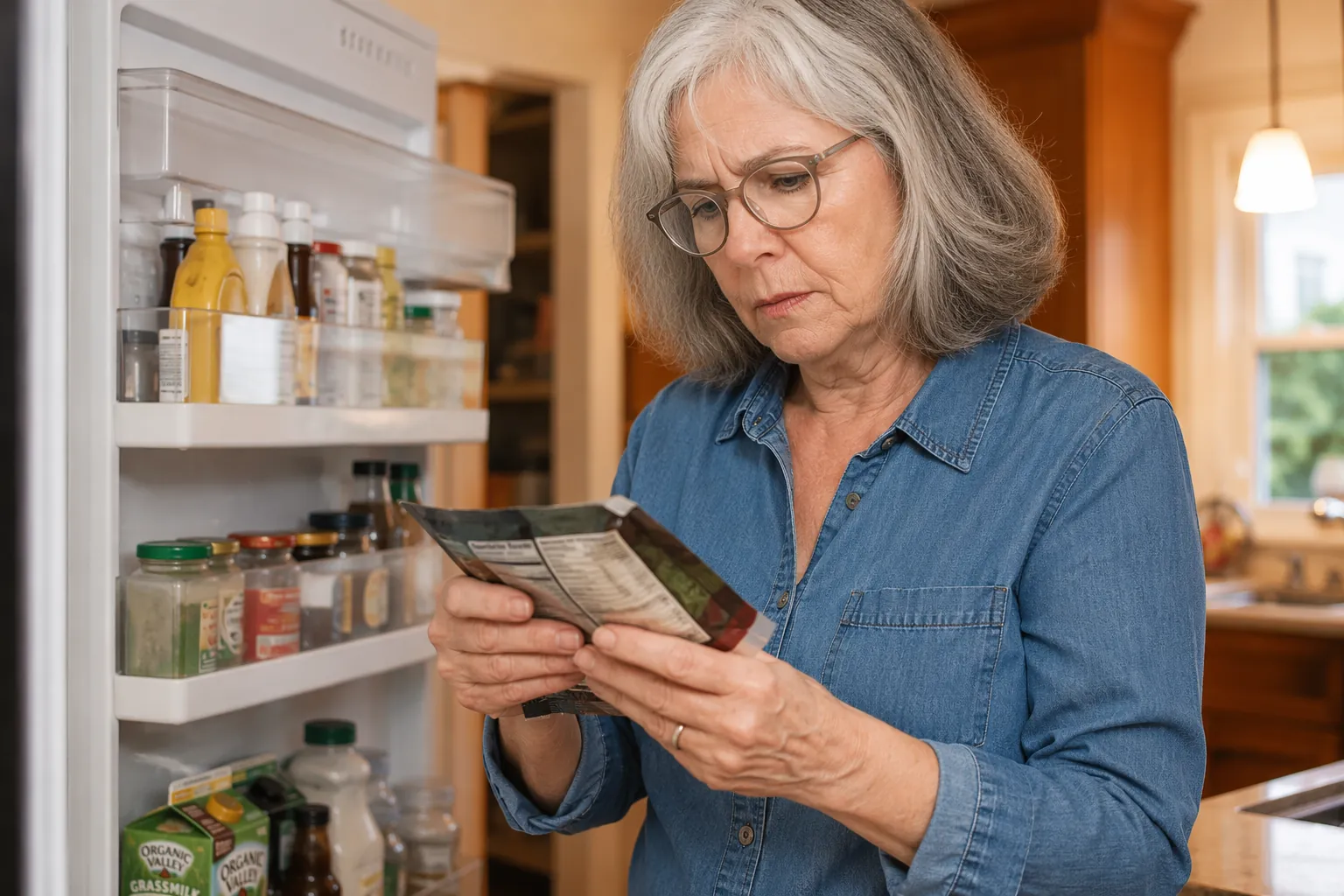
As of July 22, 2026, CDC’s current foodborne outbreak dashboard listed active investigations involving 6 E. coli outbreaks, 6 Listeria outbreaks, and 13 Salmonella outbreaks.[3] Those numbers change, so use them as a reminder to check the current official pages, not as a permanent count.
The 2024 Boar’s Head Listeria outbreak is the kind of case that should settle any argument about whether deli-related alerts matter for older adults: CDC reported 61 cases, 60 hospitalizations, 10 deaths, and a median patient age of 78.[4] A person may have eaten some of the food and felt fine that day. That does not make the package safe to keep.
First, Verify the Alert Before You Empty the Refrigerator
Start with the official notice, not a social media summary. Use CDC for outbreak investigations, FDA for many packaged foods and produce-related recalls, USDA FSIS for meat, poultry, and some egg products, and FoodSafety.gov as a central recall doorway.
- Find the official recall or outbreak page and leave it open while you check the kitchen.
- Write down or photograph the brand, product name, package size, lot code, use-by or sell-by date, and establishment number if the notice includes one.
- Check the refrigerator, freezer, pantry, lunch bags, and any food recently moved into storage containers.
- If you shop for an older adult, check your own home and theirs. Recalled food often sits in a freezer long after the news story disappears.
Do not rely on memory. In many households, the person who bought the food is not the person who heard the alert, and a familiar package can look “close enough” when it is not. Close enough is not the standard.
Match the Product Exactly
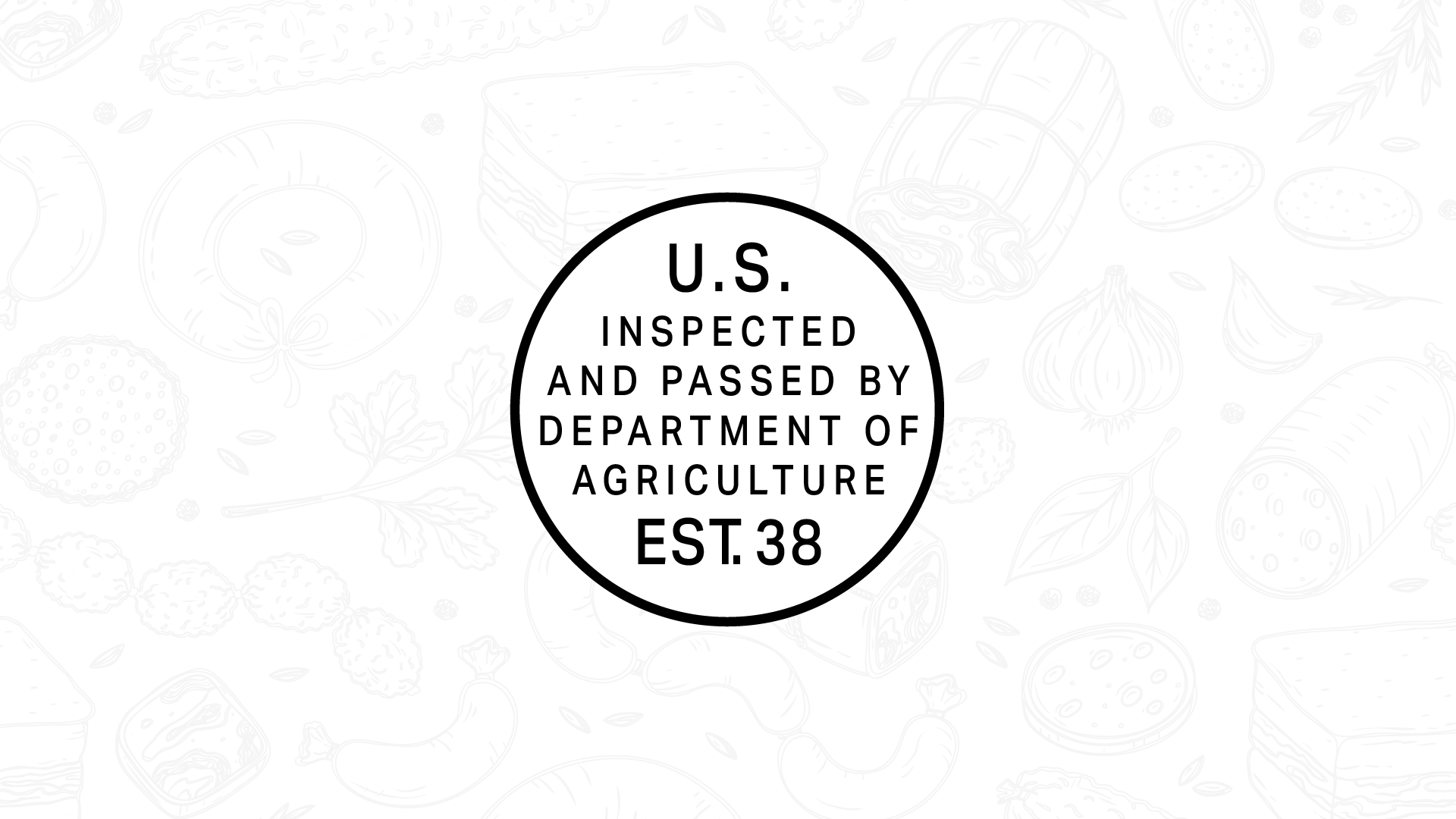
This is the place where mistakes happen. FoodSafety.gov’s recall guidance points consumers to the exact details in the notice, including brand, product name, use-by date, and identifying codes such as an EST number when applicable.[5] A similar product from the same company may not be recalled. A different size may not be recalled. A matching brand with the wrong date may not be recalled. The reverse is also true: a plain-looking package may be affected because its lot code or establishment number matches.
| Detail to Match | Where to Look | Why It Matters |
|---|---|---|
| Brand | Front label, store label, or manufacturer label | Several brands can come from one facility, and one brand can sell many products. |
| Product name | Front label and recall notice | “Turkey breast,” “ham,” “salad kit,” and “ready-to-eat meal” are not interchangeable. |
| Package size | Net weight or count on the label | A recall may apply to one size and not another. |
| Use-by, sell-by, or best-by date | Stamped edge, lid, bottom, or side panel | Dates separate affected production runs from unaffected ones. |
| Lot code or batch code | Small printed code near the date or barcode | This is often the most specific identifier. |
| EST number | USDA mark of inspection on meat or poultry packaging | This identifies the establishment where the product was produced. |
If the food has been repackaged, sliced, frozen, or moved into a container without its label, be conservative. If you cannot prove it is not the recalled item, do not serve it to an older adult. That may feel wasteful, especially to someone who grew up being careful with every bit of food. Still, the job in an outbreak is not to win the argument over thrift; it is to remove a preventable risk.
If It Matches, Isolate It and Get It Out Safely
Once a product matches the recall, stop handling it as if it is ordinary food. Do not taste it. Do not cook it “just to be safe” unless the official notice specifically gives that instruction. Do not feed it to pets. Do not give it to a neighbor.
- Put the food in a sealed bag or container so juices, crumbs, or residue do not spread.
- Place it where no one will accidentally eat it while you decide whether to discard it or return it.
- Follow the recall notice for disposal or return instructions.
- If returning it to a store, keep it sealed and away from ready-to-eat foods during transport.
- Wash your hands after handling the package, even if the outside looked clean.
If the older adult already ate some, do not put the package back because “nothing happened.” Keep the label information or take a photo, then follow the recall instructions. That label may matter if symptoms develop and a clinician or health department asks what was eaten.
Clean the Places the Food Touched
Cleaning is not punishment for having bought the wrong food. It is how you stop a recall from becoming a cutting-board problem, a drawer-handle problem, or a refrigerator-shelf problem.
AARP’s consumer guidance, drawing on FoodSafety.gov, gives a sanitizing mixture of 1 tablespoon of unscented bleach in 1 gallon of water for surfaces that touched recalled food.[6] Use it after washing away visible food residue with hot, soapy water. Do not mix bleach with ammonia, vinegar, or other cleaners.
- Refrigerator shelves, drawers, and door bins where the food sat
- Cutting boards, knives, counters, plates, and serving trays
- Handles on the refrigerator, freezer, trash can, faucet, and cabinets
- Reusable grocery bags, lunch bags, coolers, and containers
- Any spill area where juices or crumbs may have spread
Use paper towels or a clean cloth that goes straight into the laundry. Then wash hands again. If someone in the house is unsteady on their feet, do not leave wet floors or pulled-out refrigerator drawers in the walkway; foodborne illness can lead to weakness and dehydration, and a messy cleanup can add a fall hazard on top of the original problem.
Watch Symptoms With an Older-Adult Threshold
For a healthy younger adult, mild stomach upset may be a wait-and-see situation. For an older adult, especially one with diabetes, kidney disease, cancer treatment, immune suppression, or frailty, the waiting period should be shorter. FDA specifically includes older adults and people with several chronic conditions among those at higher risk for foodborne illness complications.[7]
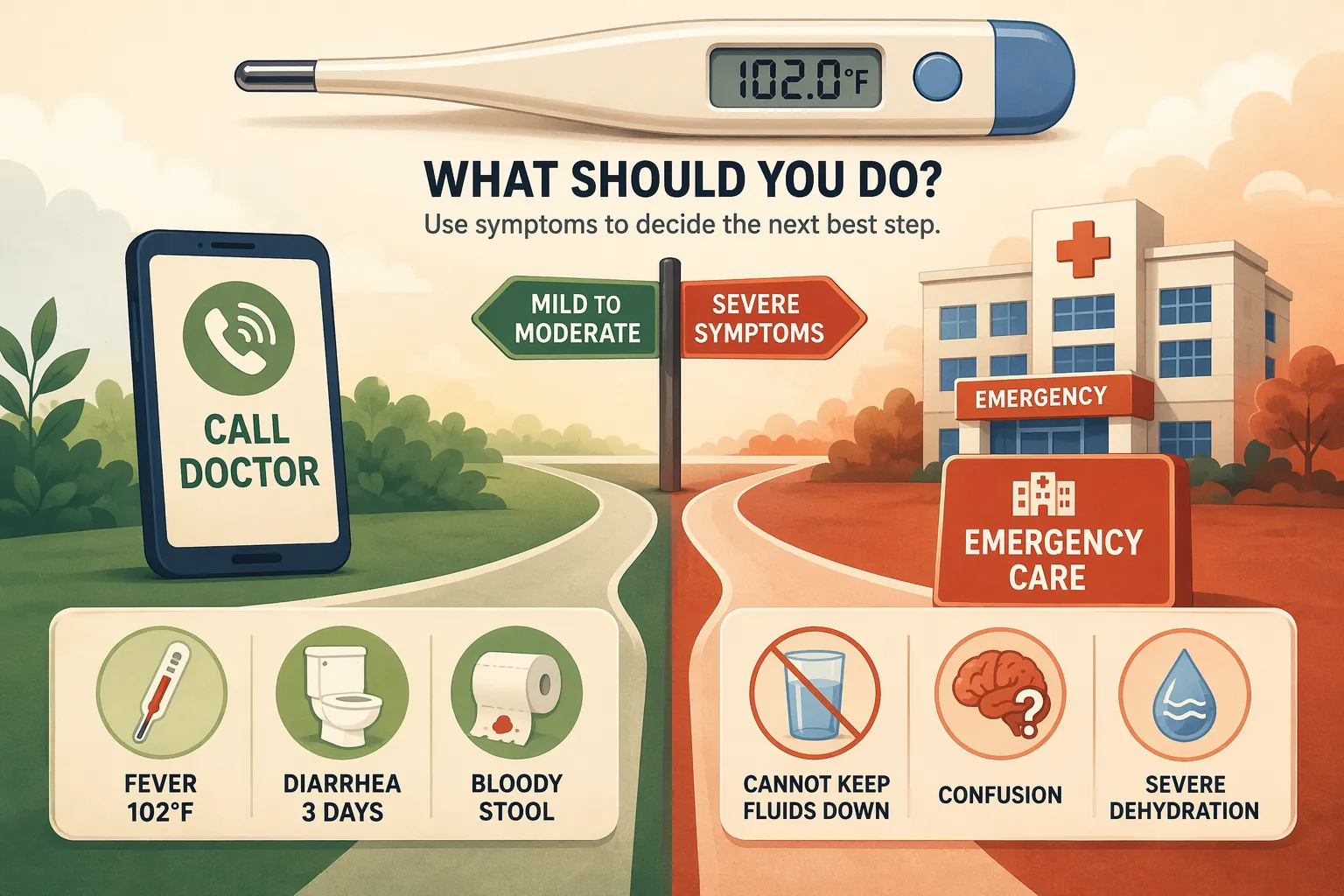
AARP’s guidance lists warning signs that should prompt medical attention after eating recalled food, including diarrhea lasting more than 3 days, fever of 102°F or higher, bloody stools, and vomiting that prevents keeping liquids down.[6] Those are not the only possible danger signs, but they are clear enough to post on the refrigerator.
| Symptom or Situation | What to Do |
|---|---|
| A recalled food was eaten, but there are no symptoms | Call the doctor, pharmacist, or nurse line if the older adult is high-risk, immunocompromised, very frail, or anxious and needs case-specific advice. Keep the package details. |
| Diarrhea lasts more than 3 days | Call a doctor. Older adults can lose strength and fluid reserves faster than expected. |
| Fever is 102°F or higher | Call a doctor promptly or follow the clinician’s after-hours instructions. |
| Bloody stool appears | Seek medical advice right away. |
| Vomiting prevents keeping liquids down | Seek urgent medical care because dehydration can become serious quickly. |
| Confusion, fainting, severe weakness, chest pain, trouble breathing, or signs of severe dehydration occur | Seek emergency care. Do not wait for an office callback. |
This is not a substitute for medical advice from a clinician who knows the person. It is a safety threshold. Older adults have fewer reserves to compensate for fluid loss from diarrhea or vomiting, which is why dehydration can turn a stomach illness into a fall, delirium, medication problem, or hospitalization concern.[6]
What to Have Ready When You Call
Before calling, gather what you can. Do not delay emergency care to make a perfect list.
- Name and age of the person who ate the food
- Symptoms, when they started, and whether they are getting worse
- Temperature reading, if available
- Whether they can keep fluids down and when they last urinated
- Food name, brand, lot code, use-by date, EST number, and when it was eaten
- Major conditions and medications, especially immune-suppressing drugs, diabetes medicines, blood thinners, diuretics, and kidney-related medications
If the older adult is embarrassed, dismissive, or worried about wasting the doctor’s time, keep the explanation plain: the call is because age changes the risk, not because anyone did something wrong.
Report Illness When a Recalled Food May Be Involved
If illness follows a recalled food or a food named in an outbreak investigation, report it to the local health department or follow the reporting instructions in the official recall notice. Reporting is not just paperwork. It helps investigators connect cases, trace products, and warn other households sooner.
Save the package, receipt, store name, and purchase date if you can do so safely. If the food has already been thrown away, photos of the label or a grocery app purchase record may still help. Do not keep contaminated food loose in the refrigerator while waiting for someone to ask for it; preventing exposure in the home comes first.
Set Up Alerts Before the Next Recall
The next recall will not arrive at a convenient time. Set up official sources now, especially if you shop for someone else or split caregiving with siblings, neighbors, or aides.
- Check CDC’s Current Outbreaks page for active foodborne investigations.[3]
- Use FoodSafety.gov’s recalls and outbreaks page to search current recall notices.[5]
- Sign up for FDA recall alerts for FDA-regulated foods.[7]
- Use USDA FSIS recall resources for meat, poultry, and egg products, or call the USDA Meat and Poultry Hotline at 888-674-6854.[2]
- Keep FoodSafety.gov’s FoodKeeper app or storage guidance handy when deciding whether older foods should stay or go.[5]
A simple household rule helps: when an outbreak alert names a food you buy, one person checks the official notice, one person checks the kitchen, and one person writes down symptoms if anyone ate it. In a one-person household, write the same three jobs on a card near the refrigerator. The point is not to become a food-safety expert. The point is to make the next urgent instruction easier to follow when everyone is tired, worried, or in a hurry.
Older adults cannot control whether an outbreak happens. They can control the first few household decisions that matter most: match the product carefully, remove it safely, clean what it touched, watch symptoms closely, and call sooner when the body is not keeping up.
References
- Safer Food Choices for Adults 65 and Older | CDC
- Adults 65 and Older: An At-Risk Population, but Why? | USDA FSIS
- Current Outbreaks | CDC
- Investigation Update: Listeria Outbreak, Meats Sliced at Delis (2024) | CDC
- Recalls and Outbreaks | FoodSafety.gov
- What Should You Do if You Eat a Recalled Food? | AARP
- Food Safety for Older Adults and People with Cancer, Diabetes, HIV/AIDS, Organ Transplants, and Autoimmune Diseases | FDA
Browse more in the Glossary.