
Flagship section
Fall Prevention
The flagship section, built directly on the CDC STEADI screen-assess-intervene model. Contains the fall risk screening quiz, the post-fall decision tree for active crisis situations (conscious/responsive checks, when to call 911 vs. urgent care, what to watch for in the following 72 hours), risk-factor explainers (medication side effects, vision, balance), and numbered warning-sign guides. This is the only group that owns crisis-path content; modification and mobility groups link back here rather than duplicating triage guidance.
Plan ahead
other
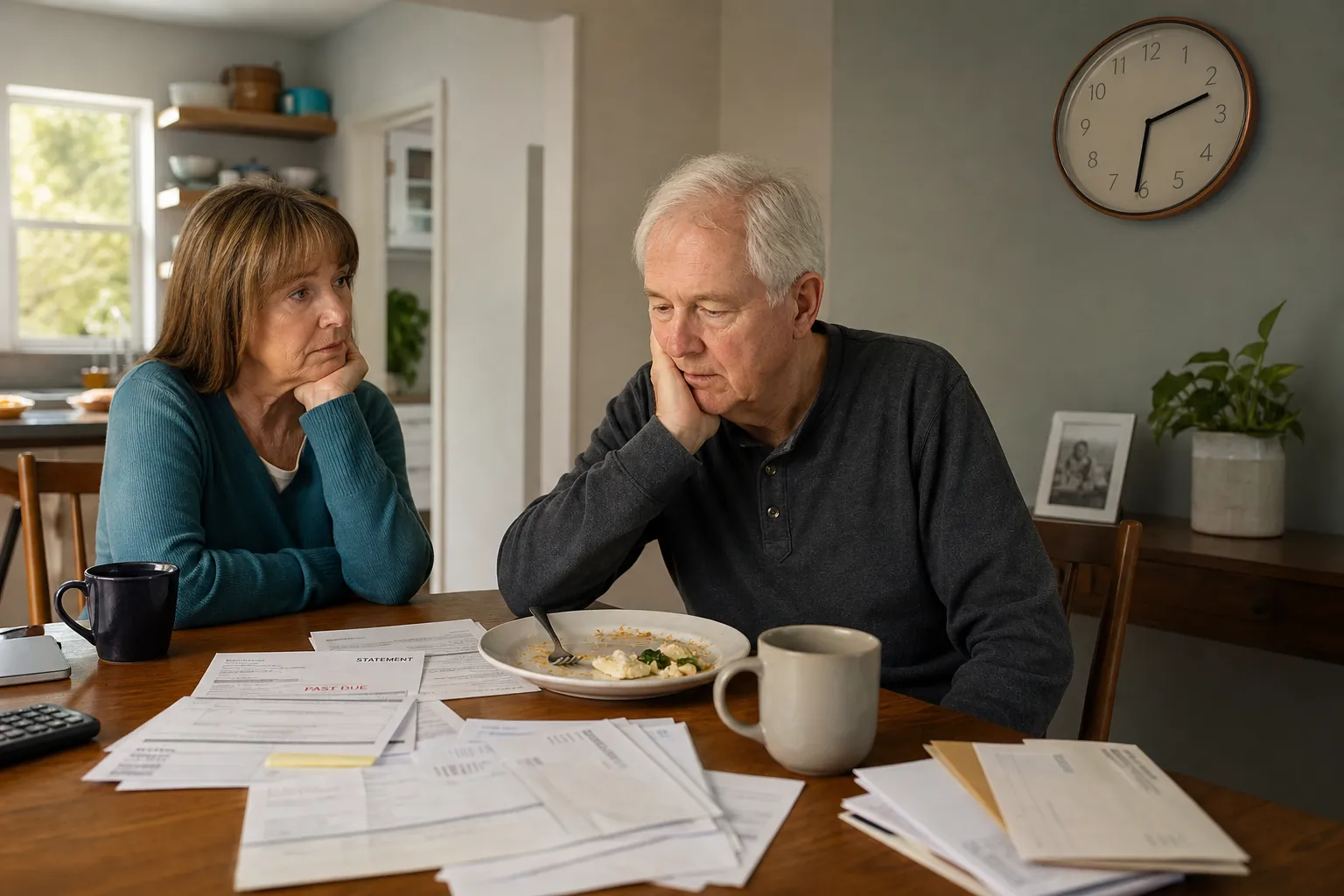 —
—7 Early Dementia Warning Signs Families Often Miss
Many early dementia symptoms are not about forgetfulness. Learn seven subtle warning signs—including unintended weight loss, acting out dreams, and financial mistakes—that can appear years before a diagnosis, and how to tell when they warrant a doctor's evaluation.
 —
—Physical Symptoms of Dementia in Older Adults
Dementia affects far more than memory. This guide covers the physical symptoms at every stage — from early gait changes to late-stage swallowing problems — and explains what caregivers can do to maintain safety, dignity, and quality of life.
 —
—ACASA Senior Care for Dementia: What Families Should Know Before Hiring
This guide helps adult children evaluate ACASA Senior Care for a parent with Alzheimer's or dementia. It covers ACASA's memory care services, key questions about dementia-specific training and caregiver continuity, cost context, and a comparison with Alzheimer's Association recommendations.
 —
—The Full Financial Picture of Dementia Care: What Families Need to Know About Memory Care Costs and Payment Pathways
Most families dramatically overpay for memory care because they are unaware of programs that could substantially reduce out-of-pocket spending. This guide provides a comprehensive financial roadmap covering VA benefits, Medicaid waivers, long-term care insurance, and tax strategies for dementia care.
 —
—Home Care for a Parent with Dementia: A Stage-by-Stage Guide to Options, Costs, and When to Transition
This guide helps adult children understand the full spectrum of in-home care options for a parent with dementia — from early-stage companion services through late-stage skilled nursing — with a clear cost comparison between 24/7 home care and memory care to support informed decisions at every disease stage.
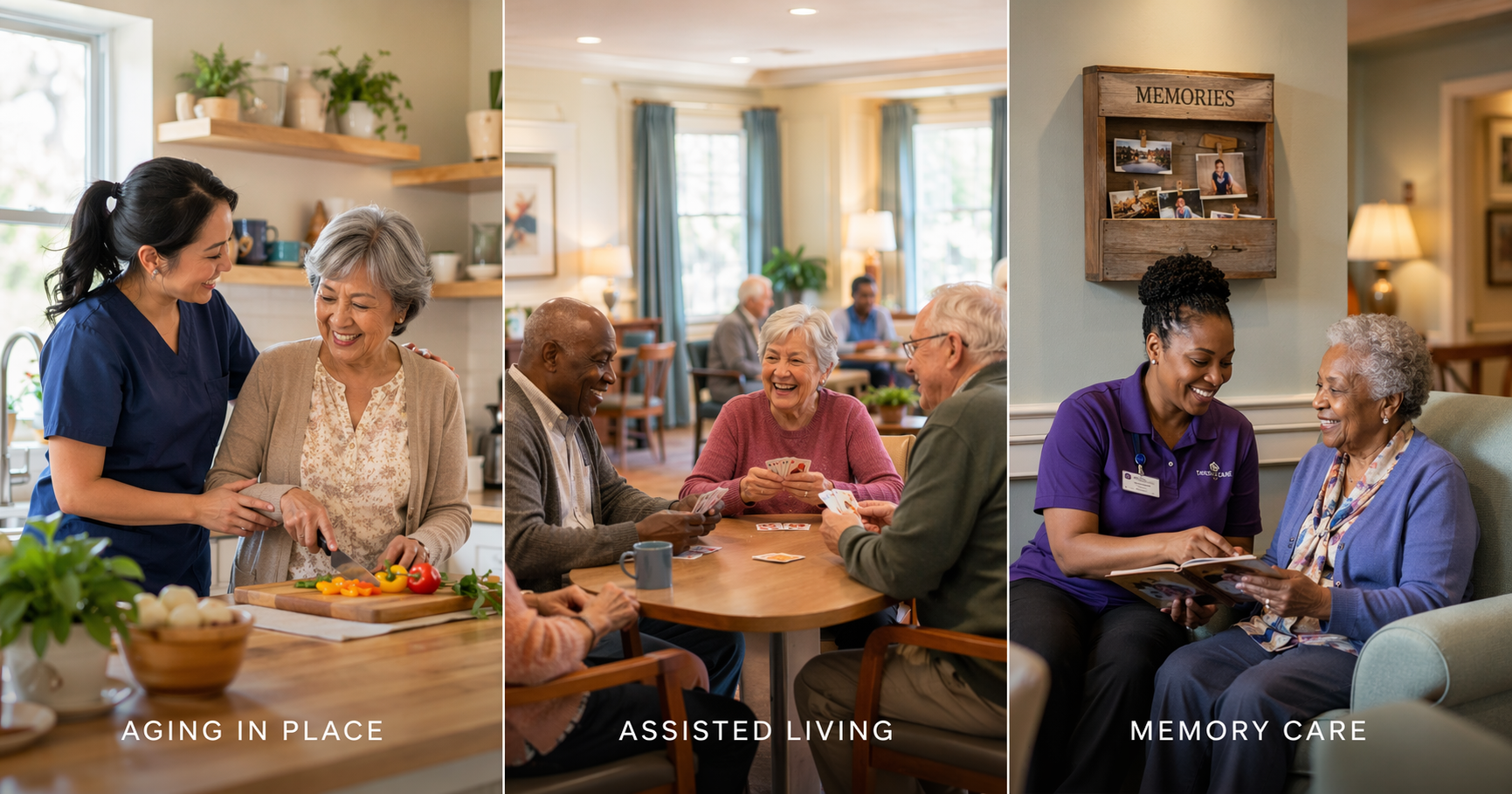 —
—Home Care, Assisted Living, or Memory Care? A Staged Decision Guide for Dementia Caregivers
A practical, stage-based framework to help adult children decide when home care is sufficient, when assisted living may work, and when memory care becomes necessary — using clinical dementia progression markers, not just preference.
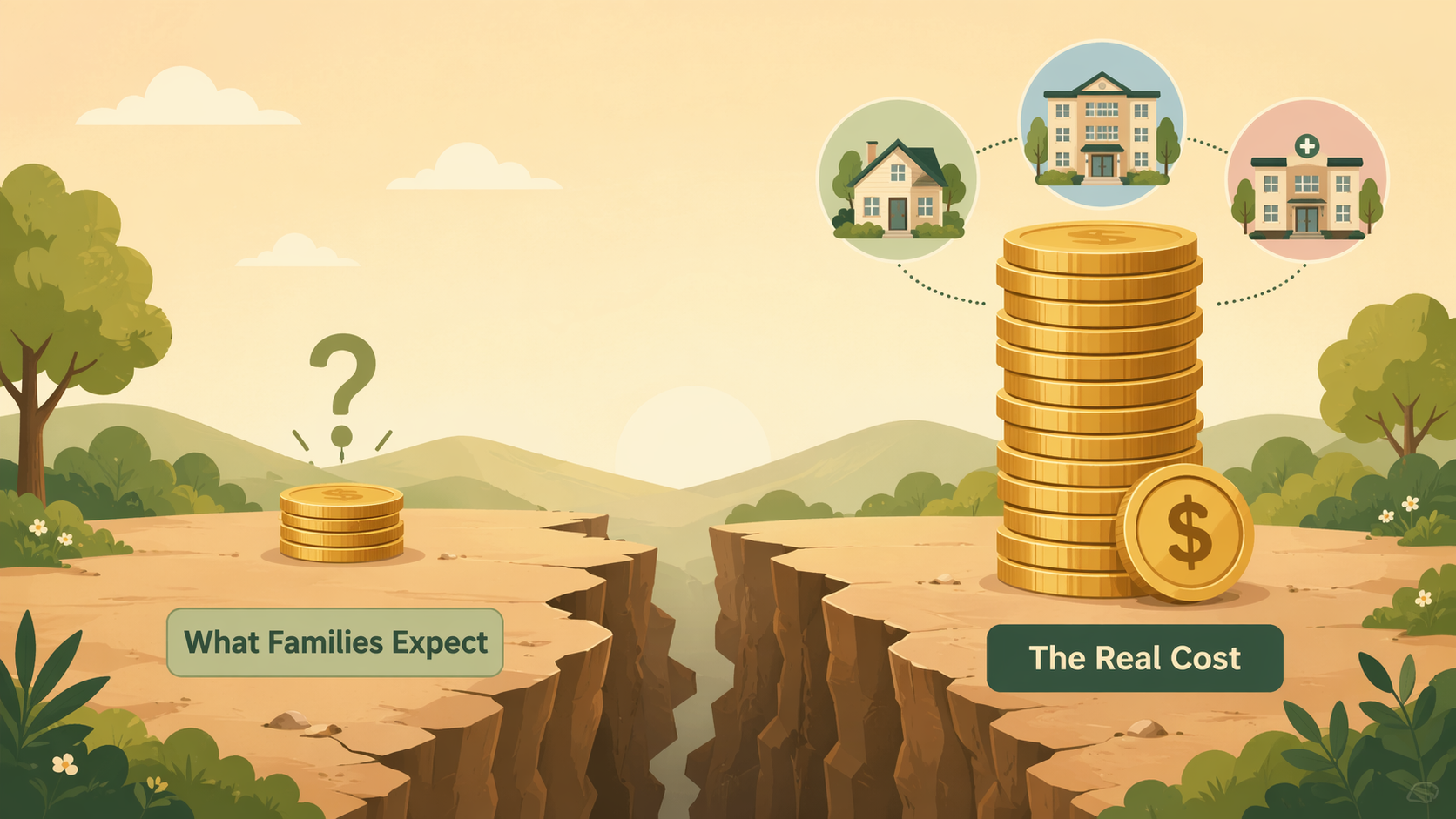 —
—The Real Cost of Long-Term Senior Care: Why Most Families Get It Wrong and How to Plan
Most families dramatically underestimate long-term care costs and overestimate what Medicare covers. This guide exposes the true cost landscape, the 60-day Medicare blind spot, and the three payment pathways to help you avoid a financial crisis mid-care.
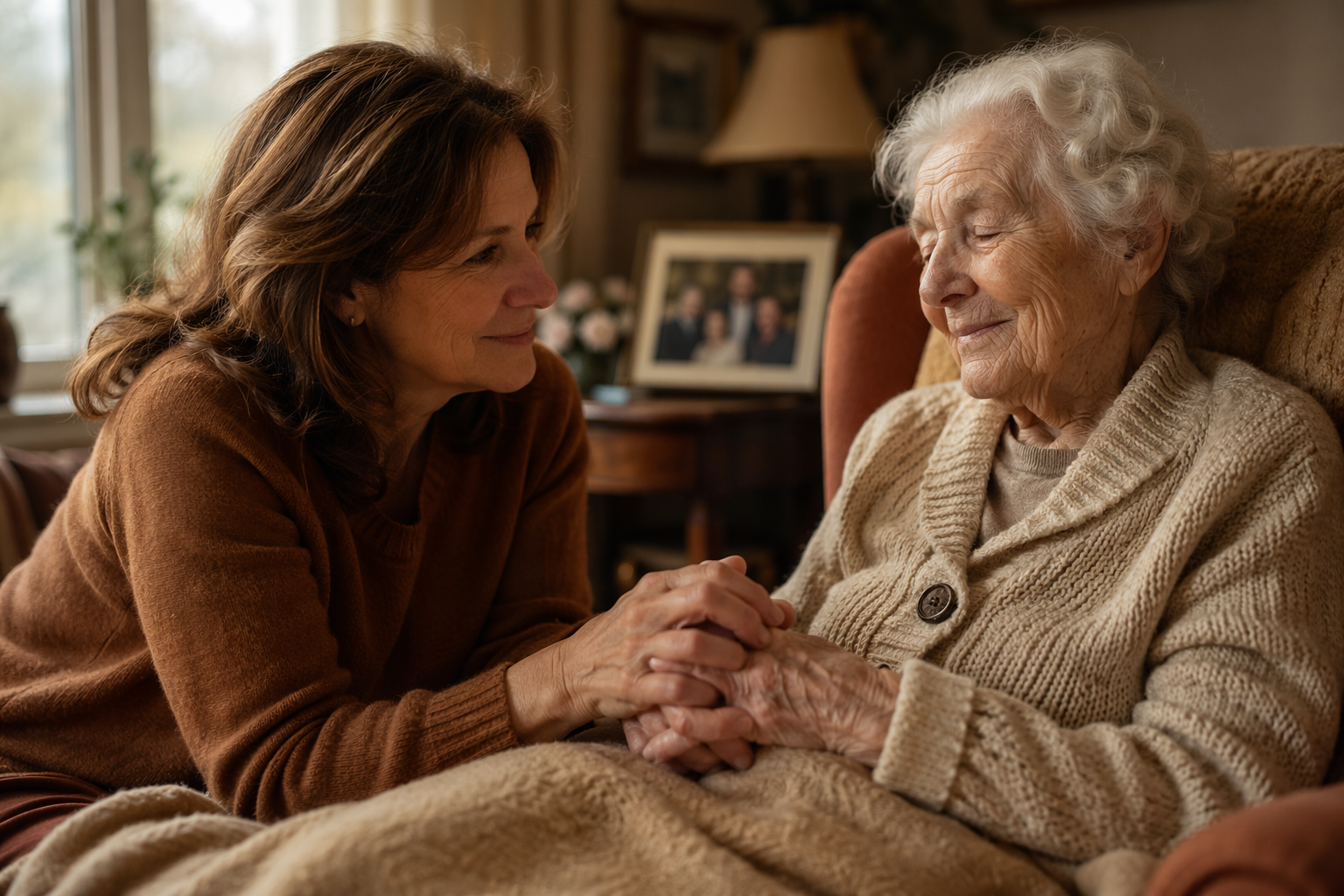 —
—The Silent Pain Crisis: How to Recognize and Manage Pain in a Nonverbal Loved One with Late-Stage Alzheimer's
If your loved one with late-stage Alzheimer's is agitated, withdrawn, or crying out, it may be untreated pain. This guide teaches family caregivers how to use the PAINAD scale and the ALTAR framework to recognize hidden pain, find its source, and get effective relief.
 —
—The Planning Gap in Aging at Home: Why 90% of Seniors Want to Stay Put but Fewer Than 15% Have a Real Care Plan
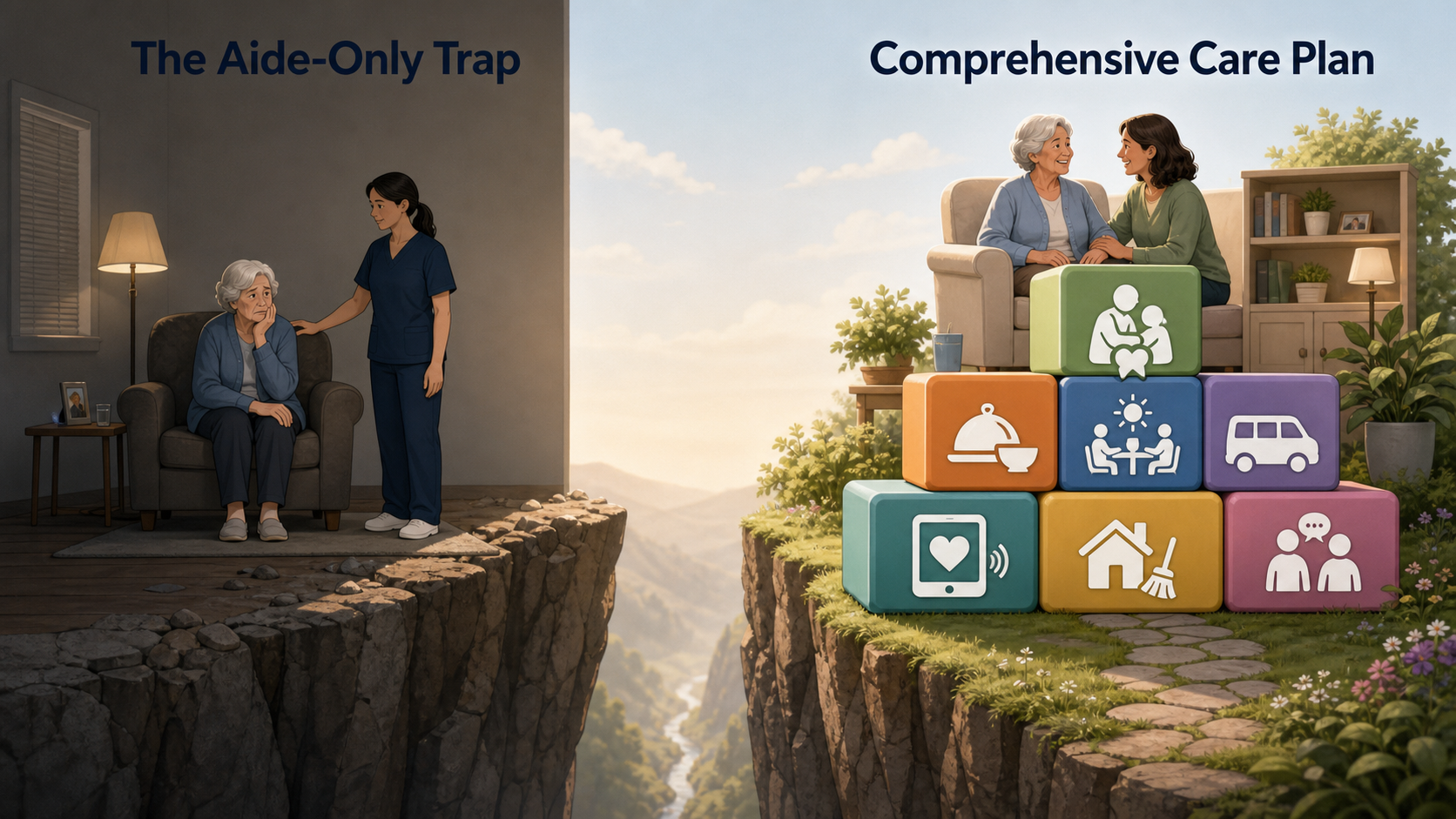
Most families pursuing aging in place make the same mistake: they equate 'aging in place' with 'hiring a home health aide' and skip building a comprehensive care plan. This article reveals the seven-layer service stack families need and shows how to build a real plan that prevents costly crises.
 —
—Silver Alert and Dementia: A Prevention Plan for Caregivers
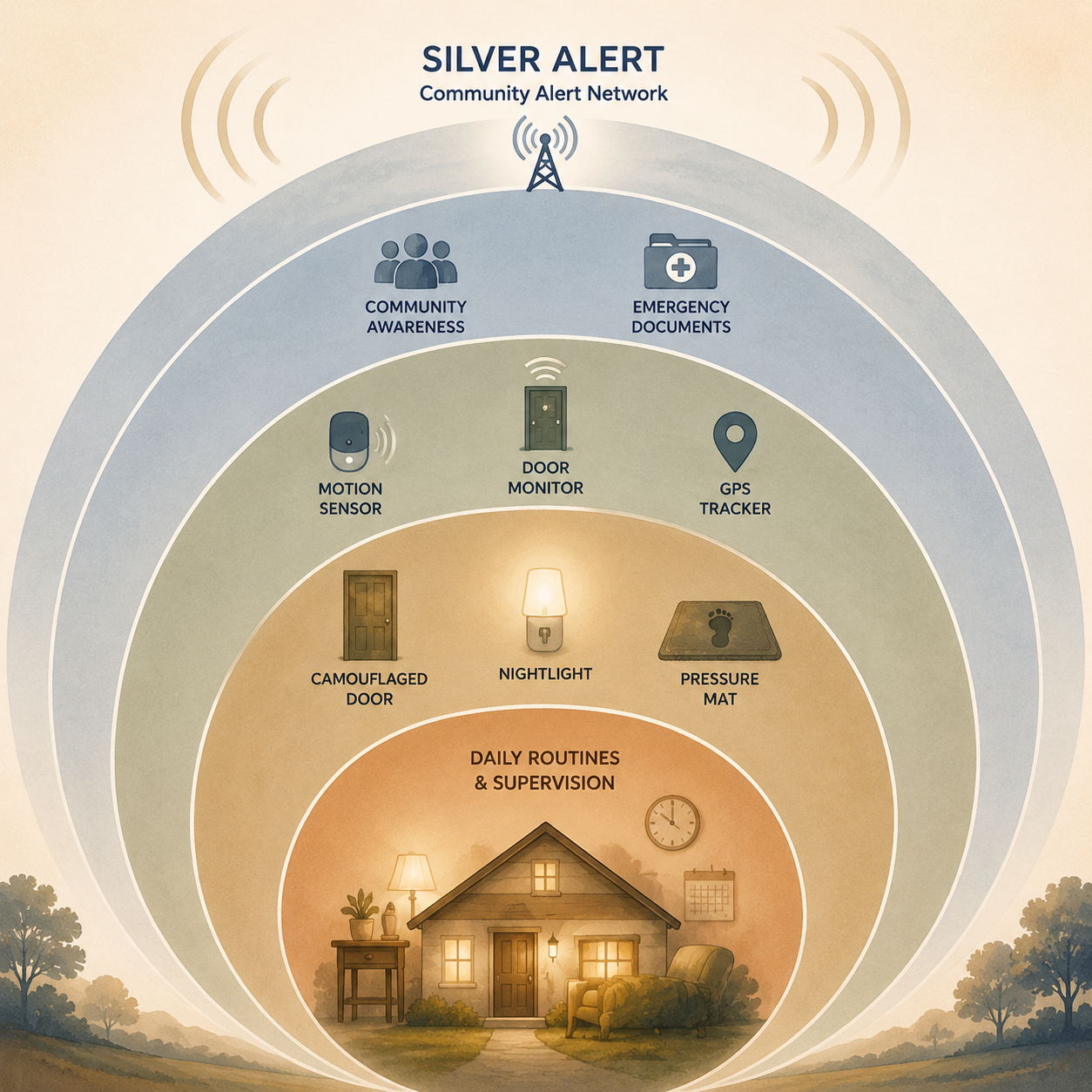
Understand the Silver Alert system for missing seniors with dementia and build a layered prevention plan that reduces wandering risk. From daily routines and home modifications to GPS trackers and emergency documentation, this guide helps caregivers act before an alert is needed.
 —
—Wandering in Dementia: A Room-by-Room Home Safety Audit and Monitoring Technology Guide
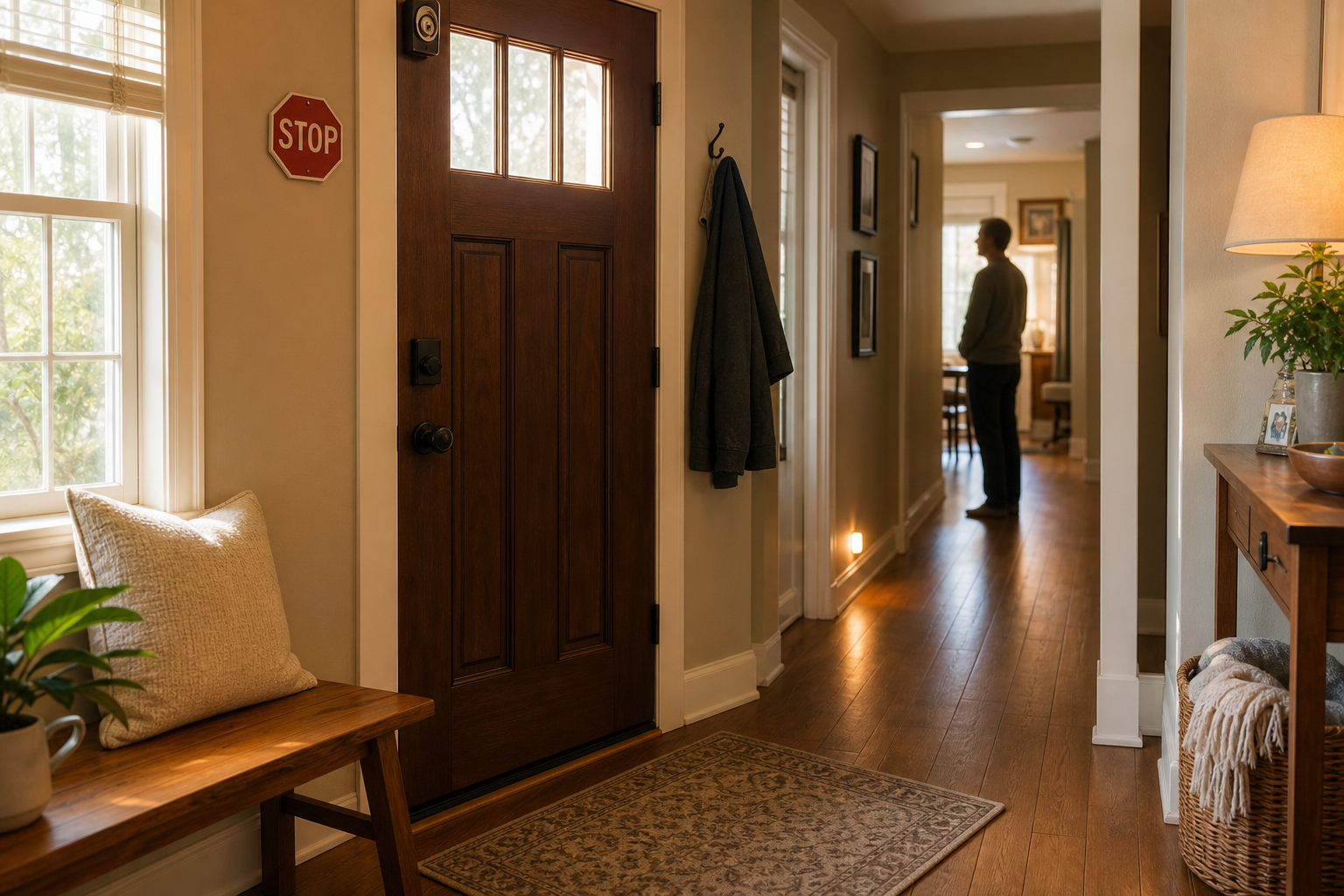
For caregivers who have already recognized wandering as an active or emerging risk, this guide provides a systematic room-by-room home safety audit framework and a product-neutral technology evaluation rubric to help build a layered, stage-aware wandering prevention system before a crisis occurs.
 —
—When Home Is No Longer Safe: A Crisis-to-Plan Transition Guide for Dementia Caregivers
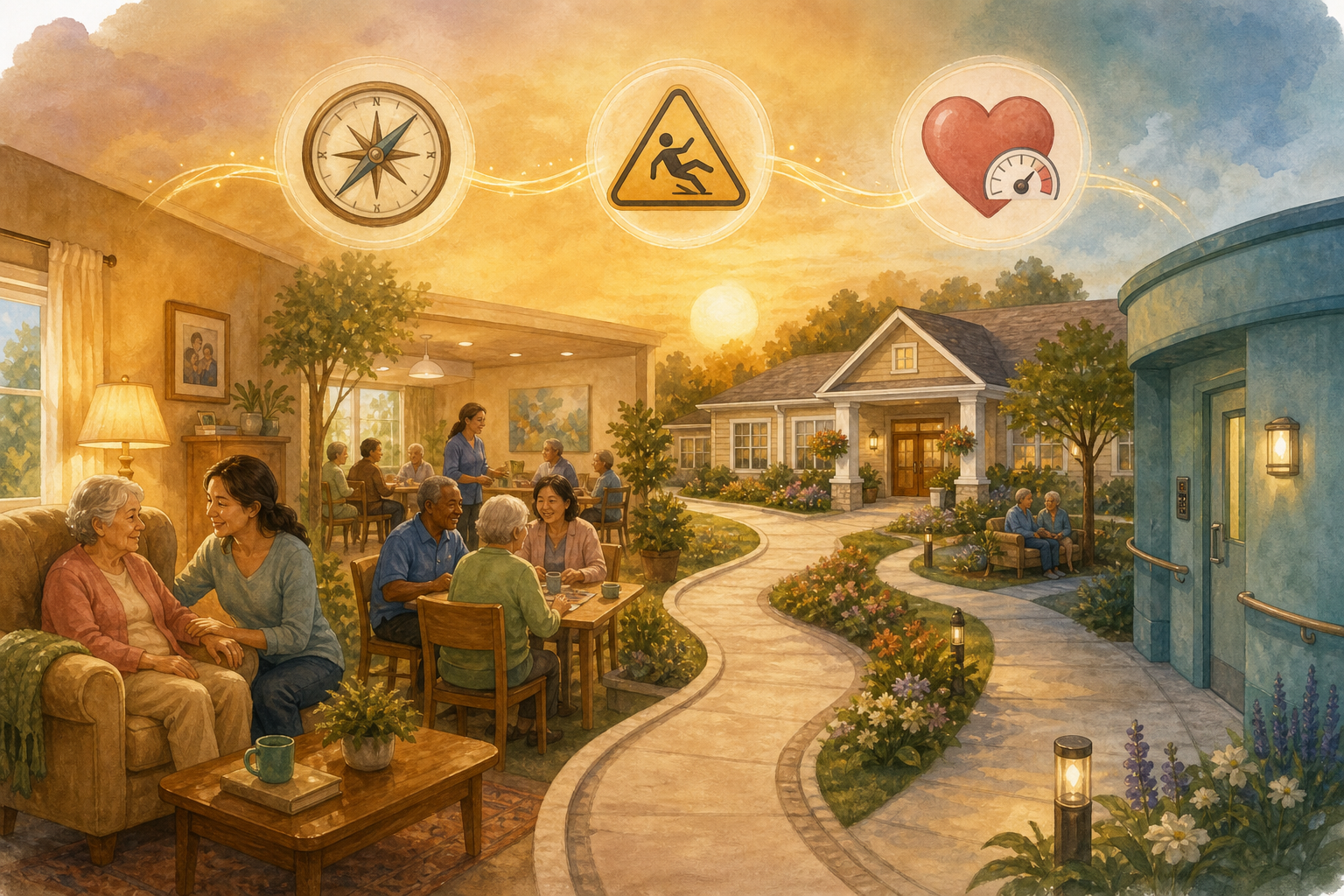
Most dementia caregivers wait until a crisis forces a placement decision. This guide provides a measurable, 4-domain safety-threshold framework — wandering, falls, medication management, and caregiver capacity — to help families make proactive, less traumatic transitions to higher levels of care.