
A safety system for the home, not a caregiving blog
Product-neutral, step-by-step guidance for preventing falls and aging safely at home — reviewed against CDC STEADI, the National Institute on Aging, and AARP HomeFit.
Act now
A fall just happened
Get routed straight to the post-fall decision tree: what to check right now, when to call 911, and what to watch for over the next 72 hours.
Go to Act Now →Plan ahead
Assess the home
Score your fall risk with a STEADI-based quiz, then work room by room through a dimensioned, product-neutral checklist.
Go to Assess Your Home →Why this is a system, not a caregiving blog
Every guide is product-neutral — we never name or rank a contractor, device, or provider — and anchored to CDC STEADI, the National Institute on Aging, and AARP HomeFit, with a named, credentialed reviewer on every page.
Fall Prevention
The CDC STEADI screen-assess-intervene model, plus the post-fall decision tree.
Home Modifications
Room-by-room, dimensioned checklists modeled on AARP HomeFit.
Mobility
Criteria-first equipment comparisons and caregiver decision guides — never a brand ranking.
Glossary
Dated definitions for clinical, product, and benefits terms.
Where to start
 Fall Prevention
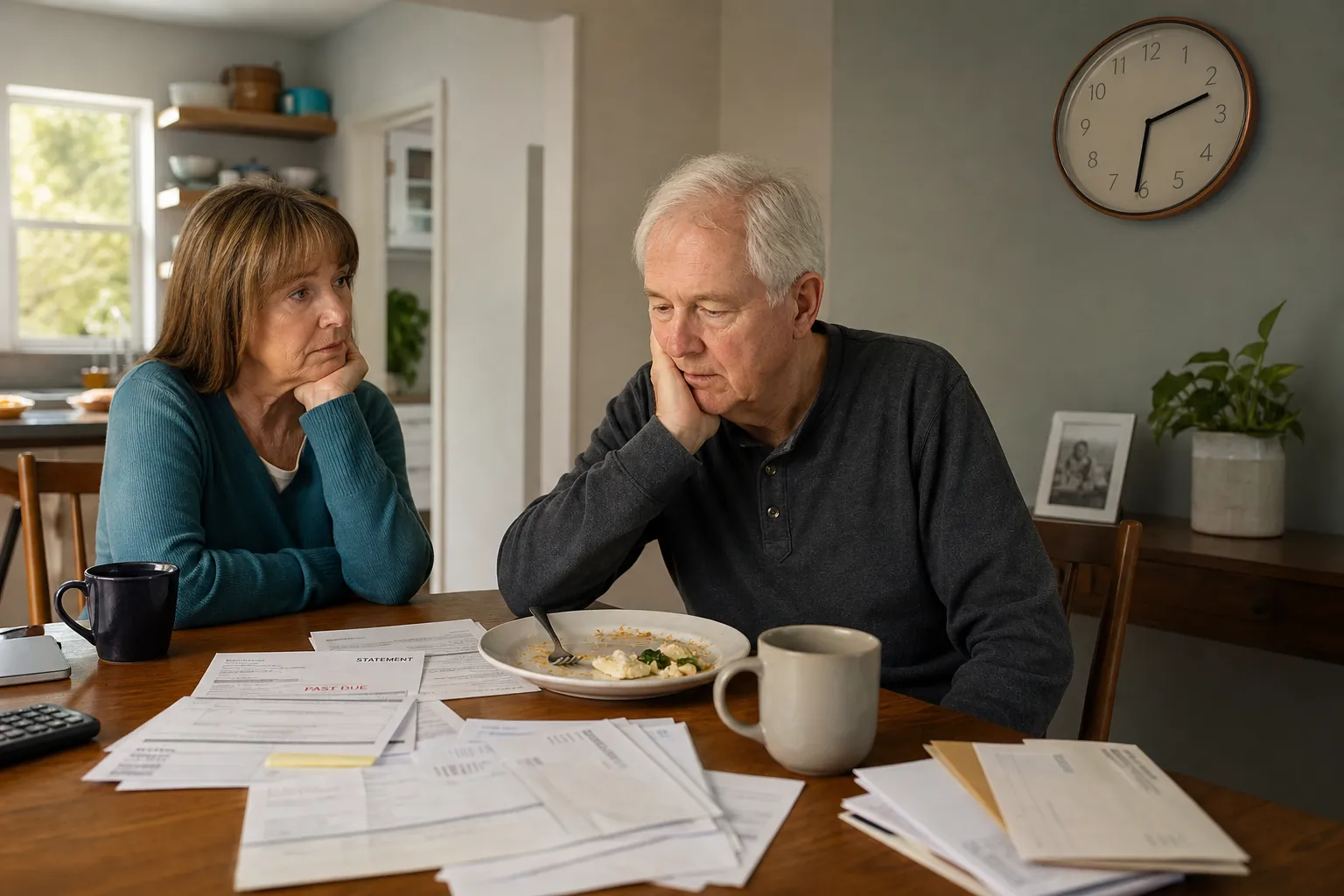
7 Early Dementia Warning Signs Families Often Miss
Many early dementia symptoms are not about forgetfulness. Learn seven subtle warning signs—including unintended weight loss, acting out dreams, and financial mistakes—that can appear years before a diagnosis, and how to tell when they warrant a doctor's evaluation.
 Fall Prevention
Physical Symptoms of Dementia in Older Adults
Dementia affects far more than memory. This guide covers the physical symptoms at every stage — from early gait changes to late-stage swallowing problems — and explains what caregivers can do to maintain safety, dignity, and quality of life.
 Home Modifications
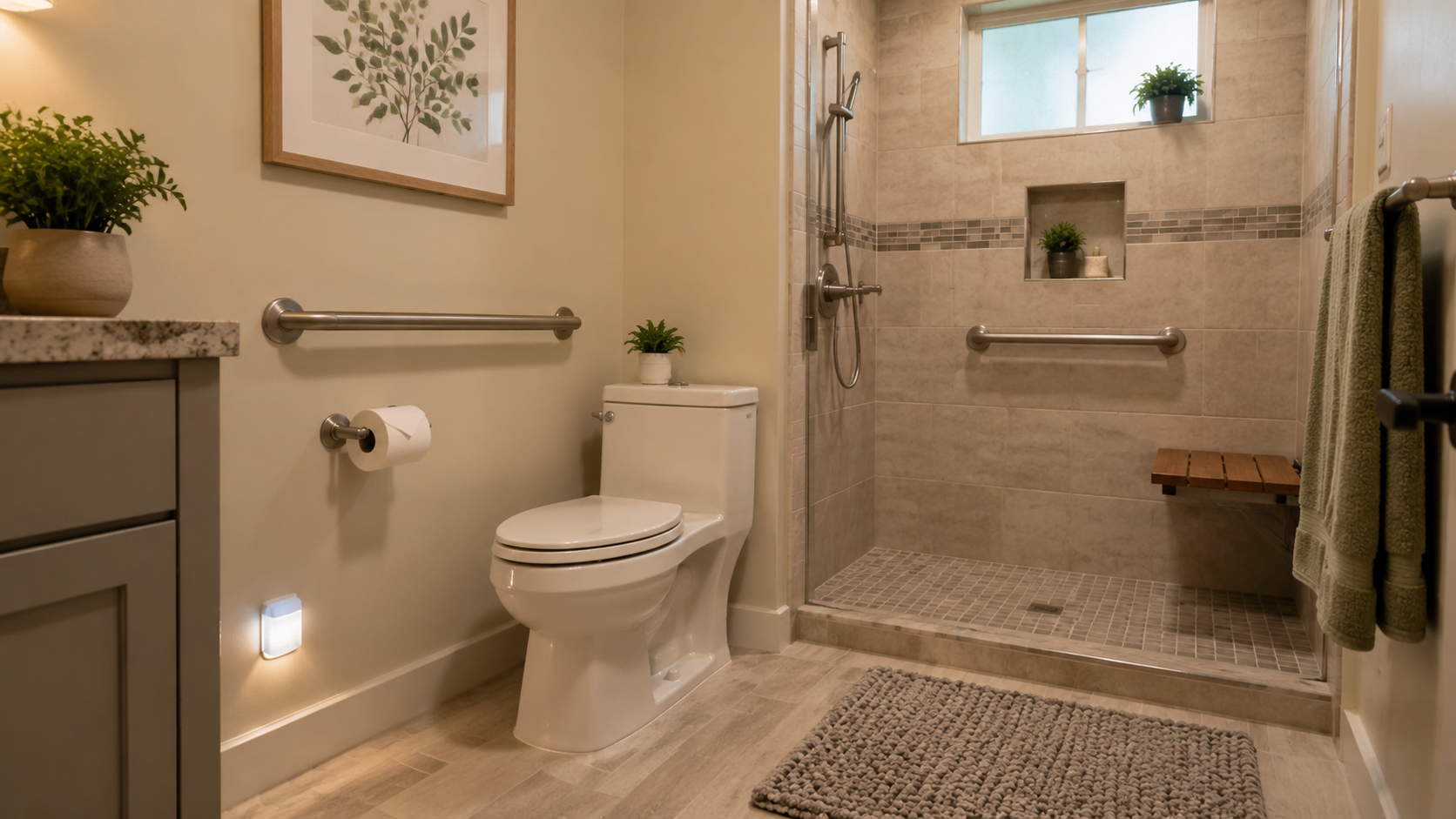
Bathroom Safety After a Fall: A Prioritized Roadmap for Aging in Place
After a bathroom fall, families need a clear priority sequence for modifications. This guide ranks fixes by risk reduction and cost—from under $1,000 critical changes to major renovations—so you know where to start and what to budget.
 Home Modifications
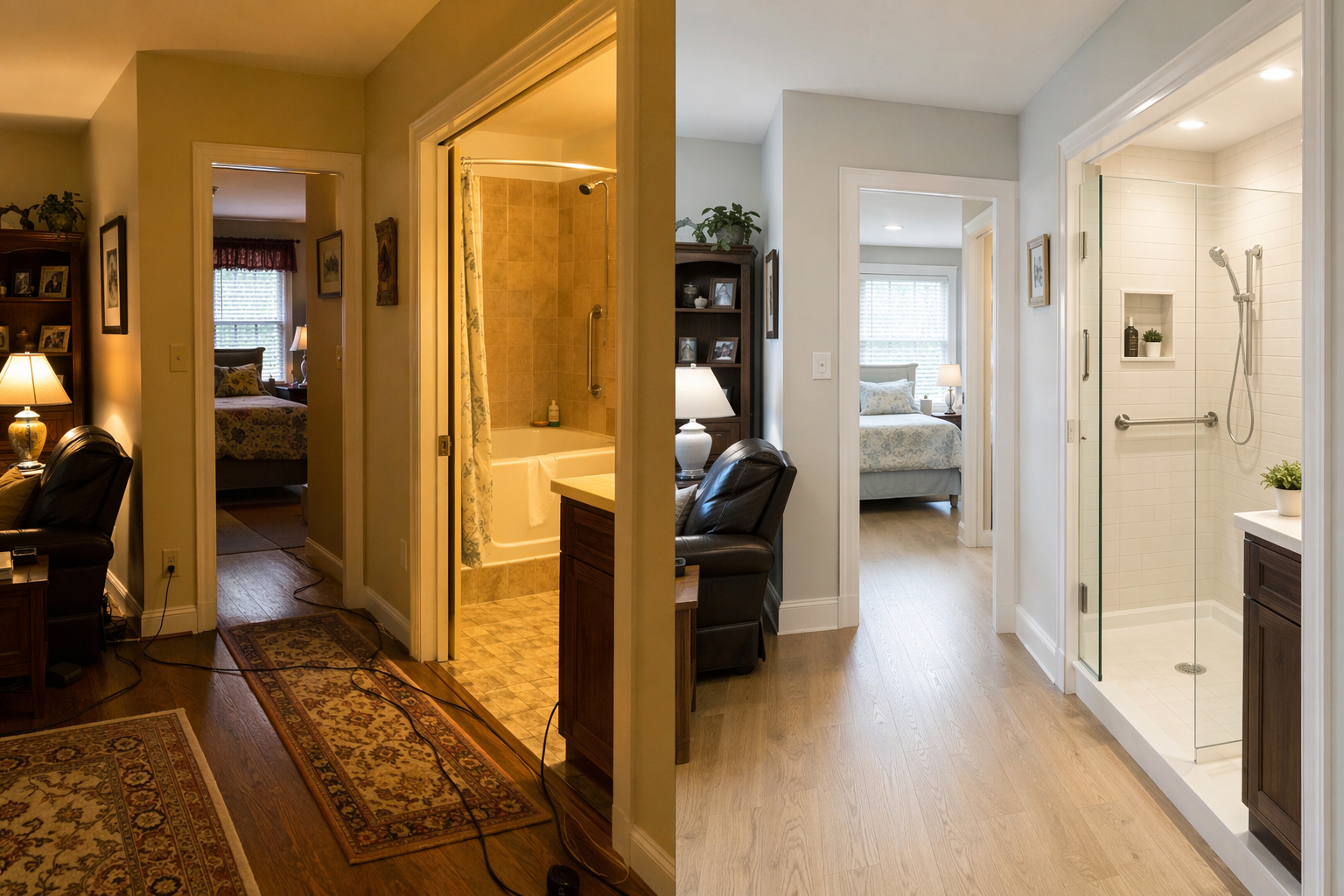
Only 10% of Homes Are Ready for Aging in Place — Here's How to Check Yours
A startling Census Bureau finding shows just 10% of U.S. homes have the basic features needed for safe aging. This article provides a room-by-room assessment framework to determine if a parent's home is ready and what to do if it is not.
Every guide is reviewed and dated
A named occupational therapist, geriatric RN, or CAPS specialist reviews our fall-prevention and home-modification guidance, and we cite CDC STEADI, the National Institute on Aging, AARP HomeFit, and CAPS/NAHB directly. Read our editorial standards.
Newest checklists and guides
7 Early Dementia Warning Signs Families Often Miss
Many early dementia symptoms are not about forgetfulness. Learn seven subtle warning signs—including unintended weight loss, acting out dreams, and financial mistakes—that can appear years before a diagnosis, and how to tell when they warrant a doctor's evaluation.
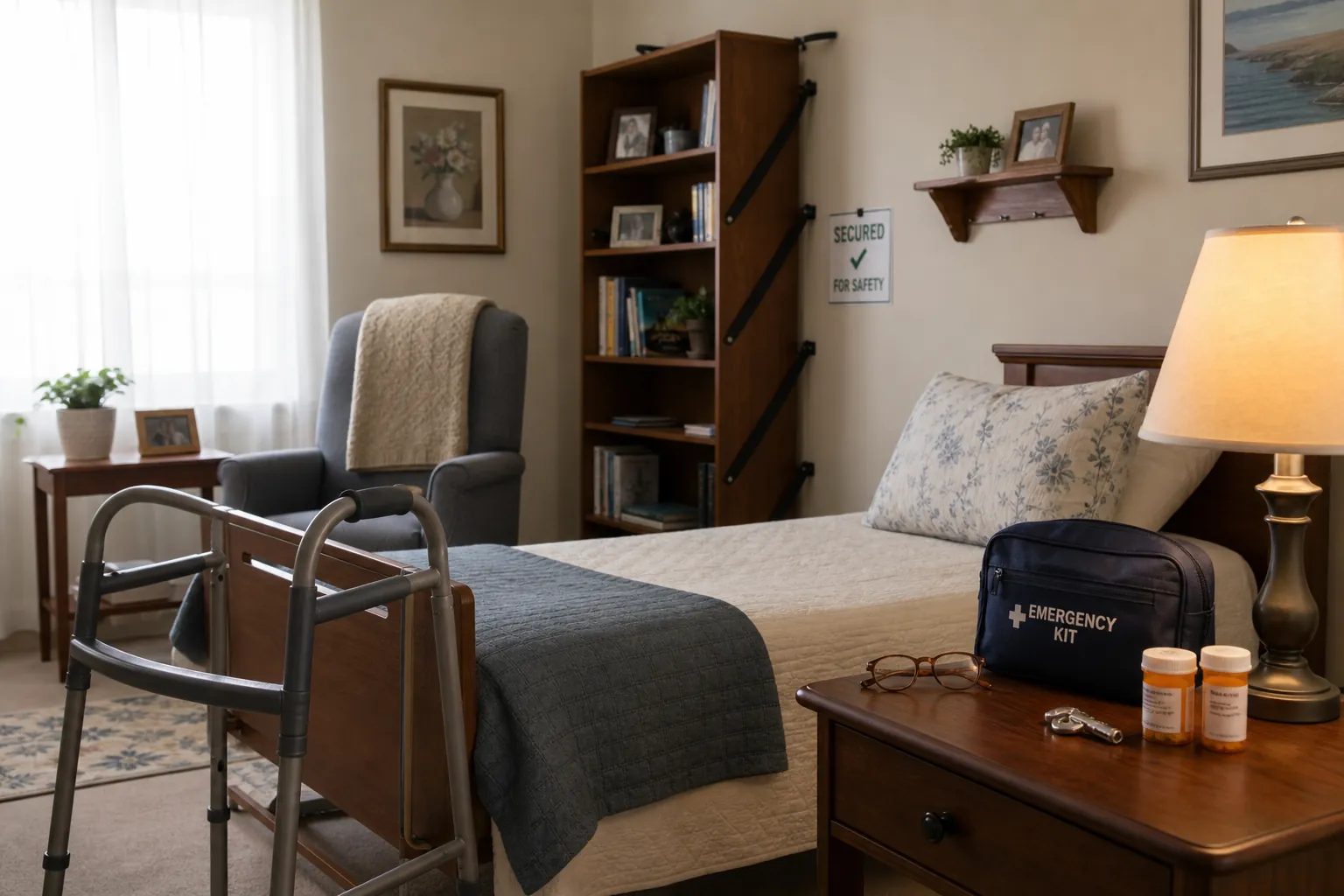
Earthquake Preparedness for an Elderly Parent Living Alone
This guide provides a caregiver-led action plan—the safety triangle—covering home hazard mitigation, a verified local support network, and a medical-equipment-aware survival kit to help ensure an older adult living alone is ready for an earthquake.

What Makes a Cake Healthy for Older Adults?
Learn how to adapt cake recipes for older adults with diabetes, heart disease, chewing difficulties, or poor appetite. This guide covers safe ingredient swaps, texture modifications, and portion strategies so cake can remain a nourishing part of a senior's diet.
How new 2026 guidelines change statins for elderly parents
The 2026 ACC/AHA dyslipidemia guidelines expanded statin eligibility to millions more adults, but for primary prevention in those over 75 the recommendation remains weak. This guide helps adult children understand whether their elderly parent might benefit from a statin and how to discuss it with their doctor.
Physical Symptoms of Dementia in Older Adults
Dementia affects far more than memory. This guide covers the physical symptoms at every stage — from early gait changes to late-stage swallowing problems — and explains what caregivers can do to maintain safety, dignity, and quality of life.
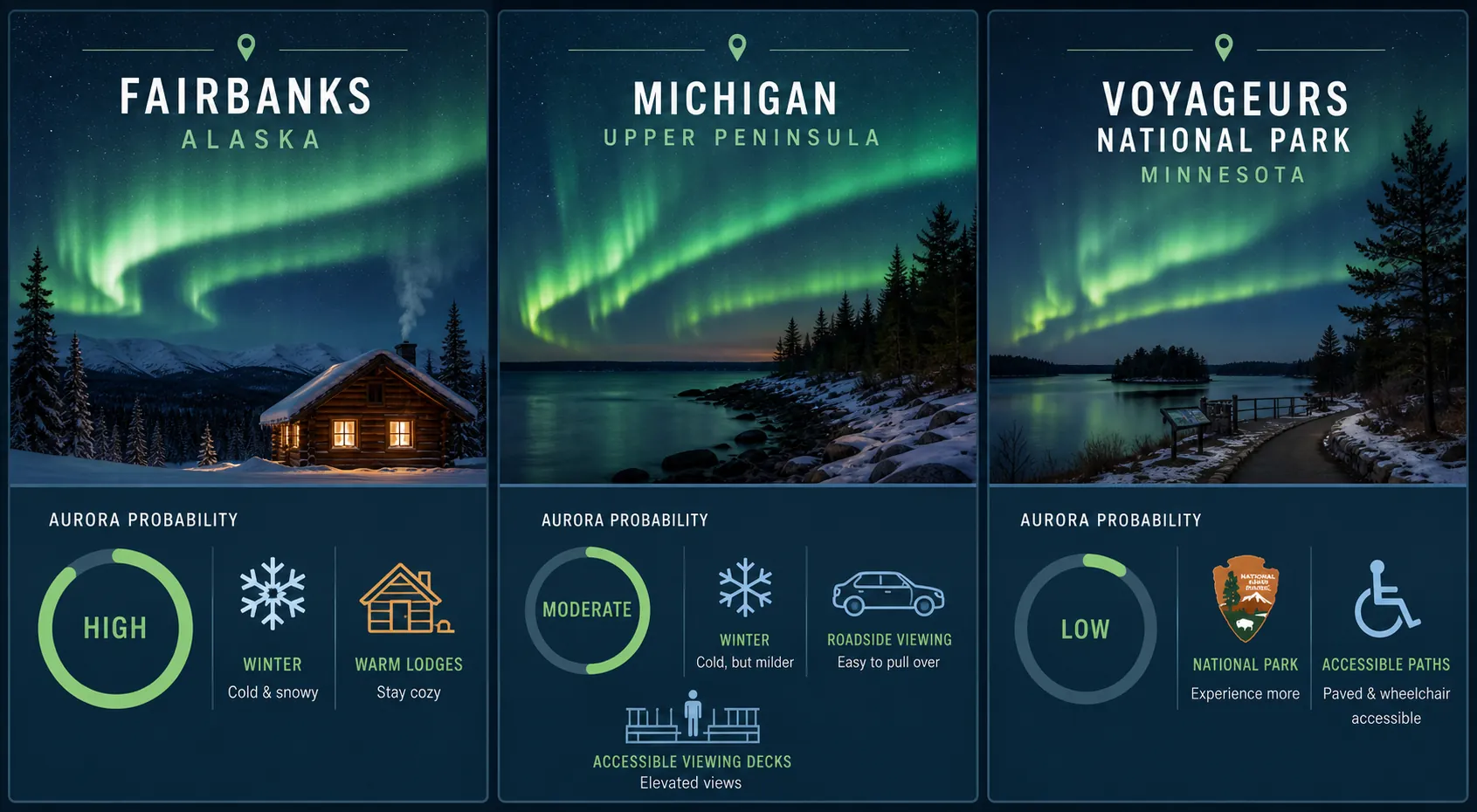
Senior-Friendly Northern Lights Destinations in the US
A location-by-location guide comparing US northern lights destinations on accessibility, heated viewing options, cold-weather safety, and aurora reliability — helping caregivers choose the best spot for a parent with limited mobility.