
Glossary entry
How Seniors on Fixed Income Can Get Home Energy Assistance
Last verified 2026-08-25
This is not financial or legal advice. Medicare/Medicaid and benefits rules vary by state and change over time — verify current rules with your state Medicaid office or Area Agency on Aging.
Start with a five-minute eligibility screen
If you are looking up home energy assistance for seniors on fixed income because a parent’s bill has become unmanageable, start with the screen, not the brochure language. The main bill-pay program is LIHEAP, a federally funded program run by states, and eligibility is tied to income, household size, where the senior lives, and sometimes whether someone in the home is older, disabled, or already receiving certain benefits. Social Security counts as income for this screen, so use the actual monthly amount instead of assuming a “retired” household is automatically in or out. [1]
The federal ceiling matters because states generally set LIHEAP income rules at or below 150% of the federal poverty guideline or 60% of state median income, but the actual number a household must meet is state-specific. Some states also treat participation in programs such as SNAP, SSI, or TANF as a route to eligibility, so a parent already receiving one of those benefits should not skip the LIHEAP application. [2]
| Check this first | What to do with the answer |
|---|---|
| State of residence | Use the state LIHEAP page, not a national estimate, because income limits, dates, and benefit amounts vary. |
| Household size | Count everyone living in the home. A one-person senior household and a senior living with an adult child may be screened differently. |
| Monthly income, including Social Security | Compare it with the state’s current LIHEAP income table. If the income is close to the line, apply rather than self-denying. |
| SNAP, SSI, or TANF status | Look for categorical eligibility rules in the state application. |
| Age of the oldest household member | Check whether the state opens applications earlier for households with someone 60, 65, homebound, or disabled. |
| Bill status | A regular high bill points to standard LIHEAP. A shutoff notice points to the crisis process as well. |
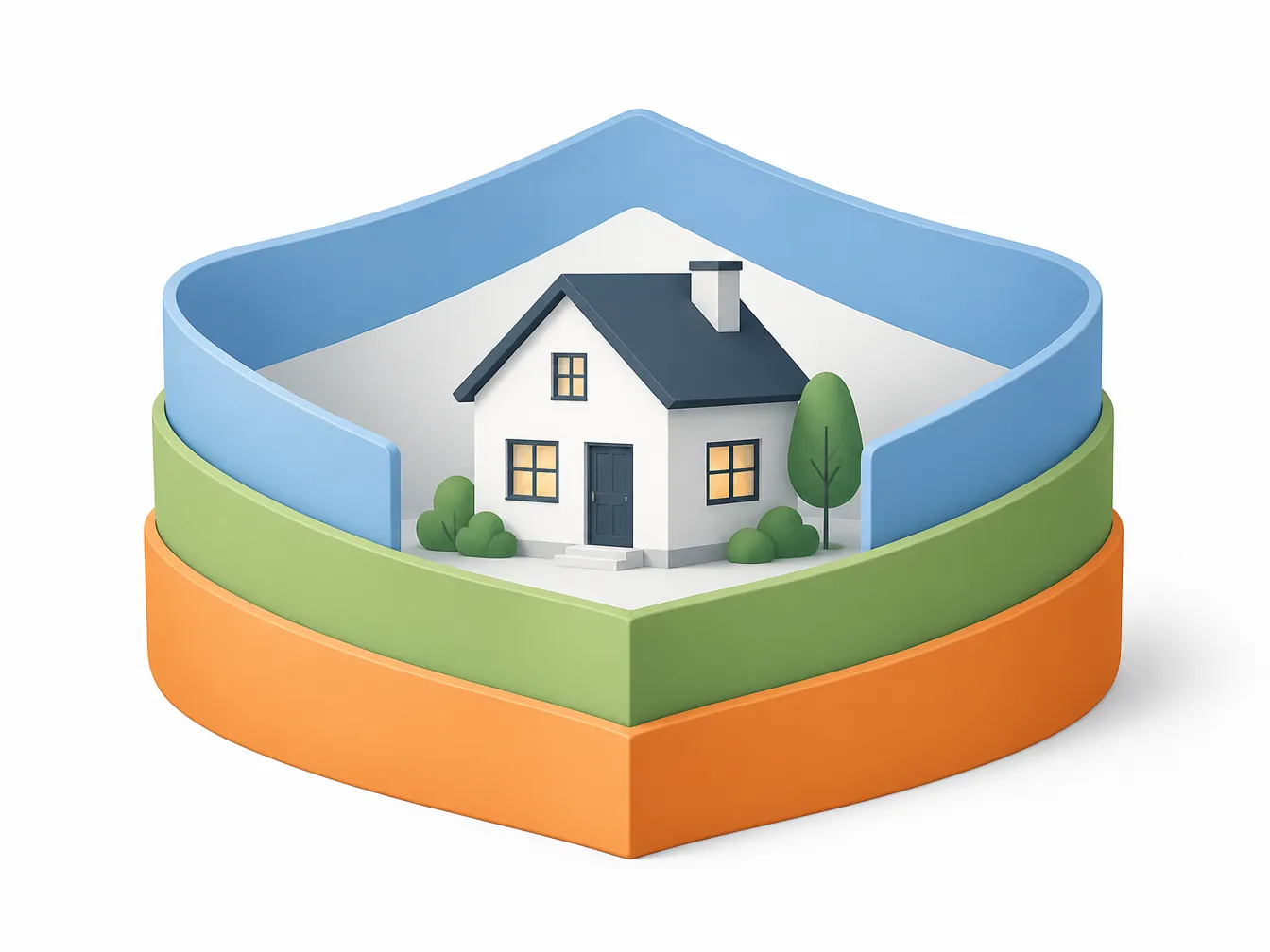
This is the practical rule: if a parent is living mainly on Social Security and has a high heating or cooling bill, the application is usually worth filing unless the state table clearly says otherwise. The mistake that costs people help is waiting until the program is out of money or until the bill has become a shutoff problem.
Use LIHEAP as the first layer, because it pays the bill
LIHEAP is the first door because it can help with heating or cooling bills directly. The benefit is not a loan, but it is also not a guaranteed full-bill payoff. NCOA reports that LIHEAP reaches only about 17% of eligible households, with average help of roughly $500 a year, which is useful money but not the same thing as a permanent fix. [1]
That low reach is the part caregivers should take seriously. A parent may be financially eligible and still miss help because the application window opened before anyone looked, because a senior-priority period passed, or because the household waited until funds were tighter. LIHEAP is not one national line with one national opening date; it is administered by states and local agencies. [3]
Senior priority windows are not all the same
Some states give older adults an earlier window. Georgia’s heating assistance opens on the first workday of December for residents age 65 and older or medically homebound before opening more broadly later in the season. [4] North Carolina’s Low Income Energy Assistance Program opens December 1 for households with a person age 60 or older, or for households with a disabled person receiving services through the Division of Aging and Adult Services. [5]
Benefit sizes also vary by state. Pennsylvania, for example, lists LIHEAP cash grants from $200 to $1,000, and those grants are sent to the utility or fuel provider rather than handed to the applicant. [6] That is a state example, not a national promise. The caregiver’s job is to find the parent’s state page, identify the earliest senior or vulnerable-household date, and file in that window if at all possible.
| If the parent lives in… | Why the date matters |
|---|---|
| Georgia | Heating assistance opens first for residents age 65+ or medically homebound on the first workday of December. [4] |
| North Carolina | Applications open December 1 for households with someone age 60+ or certain disabled residents. [5] |
| Pennsylvania | Cash grants are listed at $200–$1,000, and crisis help has its own urgent process. [6] |
If a shutoff notice has arrived, add the crisis route the same day
A shutoff notice changes the order of calls. File the LIHEAP application, but also tell the local agency and the utility that there is an active termination notice. Many states separate regular seasonal help from crisis assistance, and crisis rules are where timing gets strict.
Pennsylvania is a useful example of the pace to look for: its LIHEAP crisis benefits are intended for emergencies such as a broken heating system, lack of fuel, or a utility shutoff threat, and the state says crisis benefits are provided within 10 business days. [6] Other states may use different deadlines, but the lesson is the same: when there is a notice, do not let the application sit in the regular pile without marking it as urgent.
- Call the utility and ask what is needed to pause disconnection while a LIHEAP or crisis application is pending.
- Ask the LIHEAP agency whether the shutoff notice should be uploaded, emailed, faxed, or brought in person.
- Write down the date, time, agency name, utility representative, and any confirmation number.
- If the parent has a medical condition affected by loss of heat, cooling, or electricity, ask the utility about medical certification rules.
Add weatherization next, because it lowers the bill after the grant is gone
LIHEAP helps with the bill in front of you. Weatherization is the layer that can make the next bill less punishing. The federal Weatherization Assistance Program is free for eligible low-income households, and DOE says households are eligible if income is at or below 200% of the federal poverty guidelines or if they receive Supplemental Security Income, with priority given to households that include people age 60 or older, people with disabilities, or children. [7]
Weatherization can include work such as insulation, air sealing, and heating or cooling system improvements. It is not a coupon for a new appliance whenever someone asks; the home is assessed, and the work depends on what the program finds and what the home needs. NCOA describes average household energy savings of about $372 a year from weatherization. [8]
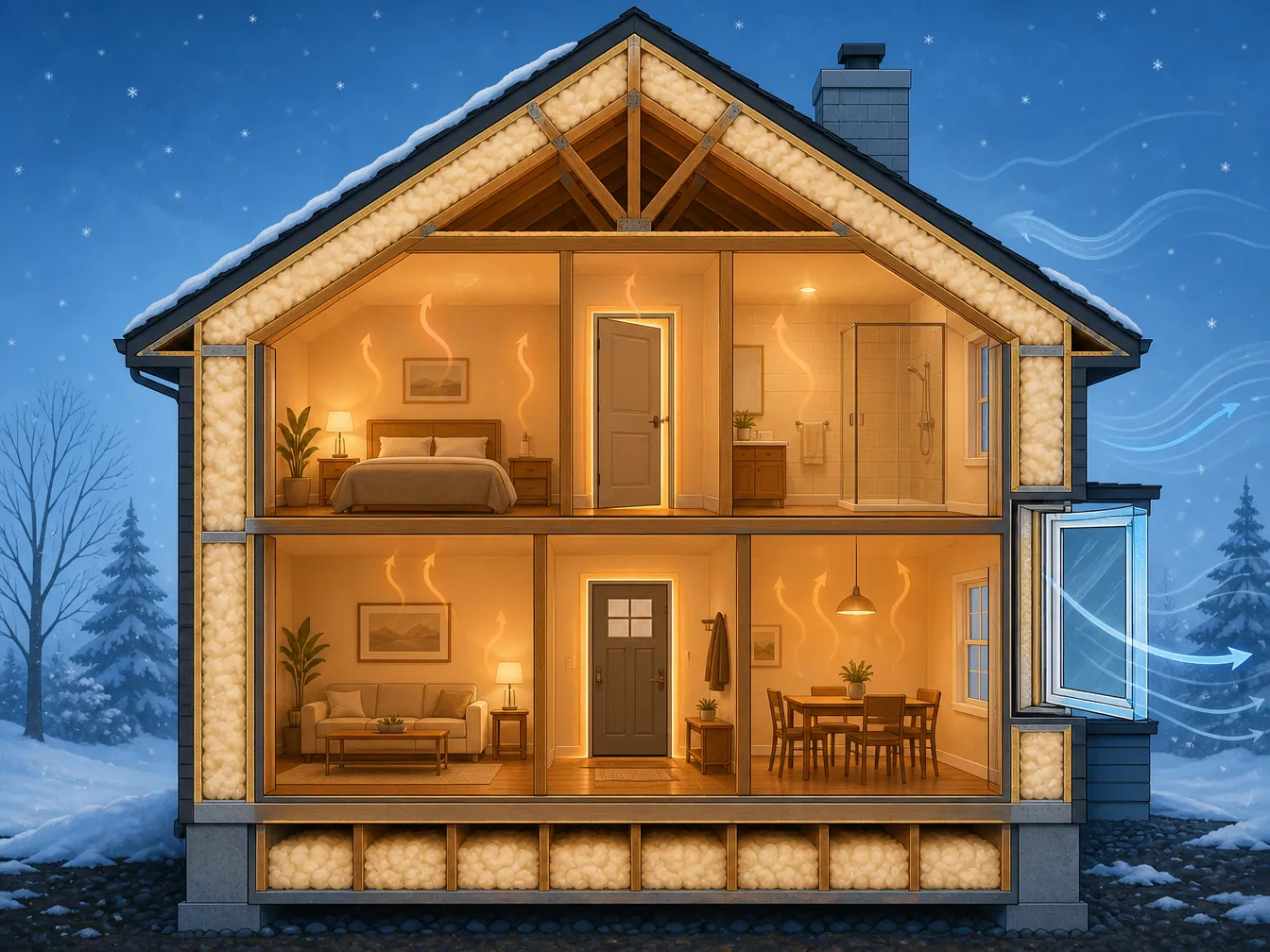
This is worth applying for even when the immediate problem is a heating bill. Energy burden is the share of household income spent on energy, and ACEEE has reported that weatherization can reduce energy burden by roughly 25%. [9] For a senior whose income does not rise when gas or electric costs do, a lower baseline bill matters more than another month of hoping the weather is mild.
Then check utility discounts and shutoff protections
Once the LIHEAP application is in and the weatherization referral has been made, check the utility’s own programs. Look for income-based discounts, arrearage-management plans, senior protections, medical protections, budget billing, and winter or heat-season shutoff rules. These are not substitutes for LIHEAP, but they can keep the account from sliding back into crisis.
Shutoff protections are especially state-specific. Massachusetts, for example, says a utility generally cannot shut off service to a household where all residents are age 65 or older without written permission from the Department of Public Utilities. [10] That kind of rule can buy time, but it usually does not erase the bill. It is protection while the money piece is being sorted out, not a reason to stop applying for assistance.
For caregivers, this is where location finally outranks everything else. The right question is not “Do seniors get shutoff protection?” It is “What does this parent’s state and utility require before the shutoff date?”
Gather the documents before the application window opens
The paperwork is not glamorous, but it is where many applications slow down. A practical LIHEAP file should include proof of recent income, a current utility or fuel bill, identification, Social Security numbers, and housing documents if the applicant rents or if utilities are included in rent. Citizens Utility Board’s LIHEAP application guide lists examples such as 30-day income proof, an SSA award letter, a recent bill, ID, Social Security number, and a rental agreement where applicable. [11]
- Most recent Social Security award letter or other proof of income
- Current electric, gas, heating oil, propane, or other fuel bill
- Photo ID for the applicant, if required by the state or agency
- Social Security numbers for household members, if required
- Lease, rental agreement, or proof of residence when utilities are included in rent
- Shutoff notice, past-due notice, or empty-fuel documentation if applying for crisis help
If you are helping a parent, put these in one folder before the opening date. The application itself may be online, by mail, by phone, or through a local community agency, but missing documents can turn an early application into a delayed one.
Apply through the real agency, and do not pay a fee
Use the state LIHEAP office or the local agency listed by the state. LIHEAP is administered through official state and local channels, and HHS says LIHEAP never charges fees. [3] Any site or caller asking for payment to “unlock” an energy grant should be treated as a warning sign, not as a shortcut.
A clean order keeps this manageable: check the state income limit, file LIHEAP during the senior window, mark the application as crisis if there is a shutoff or no-fuel emergency, ask for a weatherization referral, and then call the utility about discounts and protections. Most fixed-income seniors qualify for more help than they realize, but the help is easier to get when someone applies early and stacks the programs in the right order.
References
- Energy Assistance Programs for Older Adults — NCOA
- What Are the LIHEAP Income Limits? — NCOA
- Low Income Home Energy Assistance Program (LIHEAP) — HHS Administration for Children and Families
- Low Income Home Energy Assistance Program (LIHEAP) — Georgia Department of Human Services Division of Family & Children Services
- Low Income Energy Assistance Program (LIEAP) — North Carolina Department of Health and Human Services
- Apply for the Low Income Home Energy Assistance Program (LIHEAP) — PA.gov
- How to Apply for Weatherization Assistance — U.S. Department of Energy
- What Is Weatherization Assistance? — NCOA
- Report: Low-Income Households, Communities of Color Face High Energy Burden — ACEEE, September 2020
- When am I protected from having my utilities shut off? — Mass.gov
- A step-by-step guide to applying for LIHEAP — Citizens Utility Board, 2025-09-11
Browse more in the Glossary.