
Caregiver decision guide
The Hidden Health Toll of Family Caregiving: What Every New Caregiver Needs to Know About Their Own Risks
Most new family caregivers focus entirely on their loved one and don't realize they face serious, documented health risks — from a 40-70% rate of clinically significant depression symptoms to immune system compromise that can last years. This article presents the data every new caregiver needs to know and offers a practical self-care framework for early intervention.
The Data Gap: Why Most New Caregivers Don't Know They're at Risk
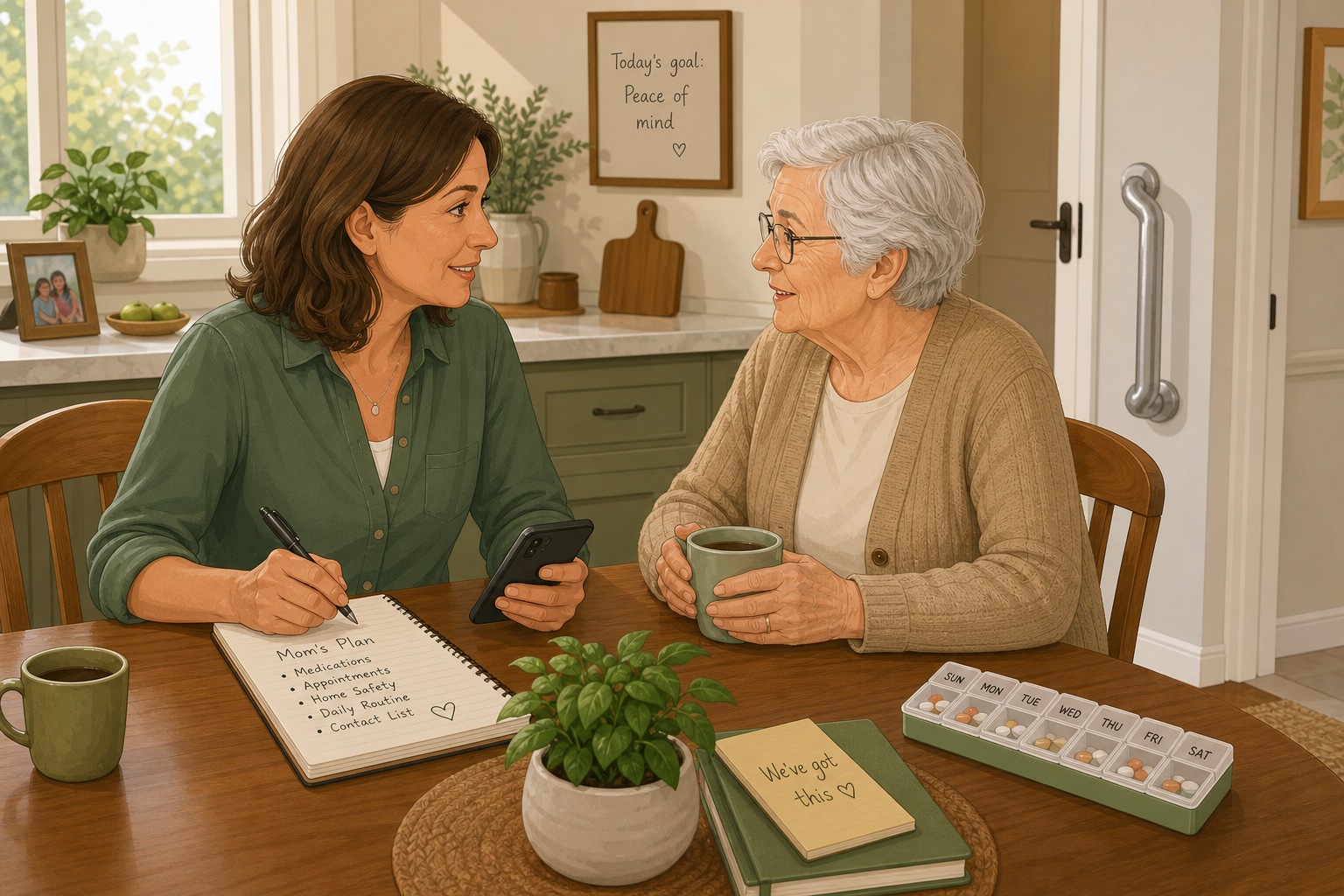
When you first step into the role of family caregiver, your attention naturally goes entirely to the person you're caring for. You're learning about medications, scheduling appointments, making the home safer, and trying to figure out what comes next. What you almost certainly are not doing is monitoring your own health for signs of decline. And that is precisely the problem.
The data paints a stark picture of what happens when caregivers don't know the risks they face. According to a 2025 survey of 1,029 family caregivers by A Place for Mom, only about 1 in 4 caregivers reported feeling completely prepared when caregiving began. Furthermore, 24% of those who found senior care in the past year said their need was immediate, meaning they were thrust into the role with zero time to prepare. This lack of preparation is not just an inconvenience; it is a direct pathway to the health consequences outlined below.
Questions to bring to a clinician or OT
This is not medical, legal, or a family's final decision — only a framework. Bring these questions to a clinician, occupational therapist, or your local Area Agency on Aging.
Find Local HelpRelated reading
Noticed something outdated or inaccurate on this page? Flag a correction. We review every report against CDC, NIA, and AARP HomeFit guidance before updating a page.