
Caregiver decision guide
Why Travel Insurance Rarely Covers State Department Cautions
Standard travel insurance does not cover cancellation due to State Department travel advisories. This article explains why, what Cancel for Any Reason coverage requires, and what seniors should purchase at booking to protect their trip costs.
The blunt answer
If the only new event is a State Department caution, standard travel insurance usually will not reimburse the cancellation. Travel advisories are not generally treated as a covered reason, so a policy that would pay for a named illness or other listed event does not suddenly become a cancellation refund just because the government issued a warning [1]. If you need the background on the advisory levels themselves, How State Department travel advisories affect older adults is the better place to start.

- Standard trip cancellation coverage pays only for policy-defined reasons; a caution by itself is usually not one of them [1].
- CFAR is an optional add-on with its own purchase window and partial reimbursement rules [2][3].
- Travel medical and evacuation coverage are separate from cancellation coverage and still matter on an international trip [5].
- STEP is a free alert service, but it is not insurance [6].
Where CFAR fits
CFAR is the product that can soften the blow when a caution appears after you have already booked, but it works only if you bought it early. NerdWallet says CFAR usually must be purchased within 14 to 21 days of the first trip deposit, and Squaremouth notes that cancellation generally has to happen at least 48 hours before departure [2][3]. Even then, the refund is partial: commonly 50% to 75% of prepaid nonrefundable costs, not the whole trip [2][3].
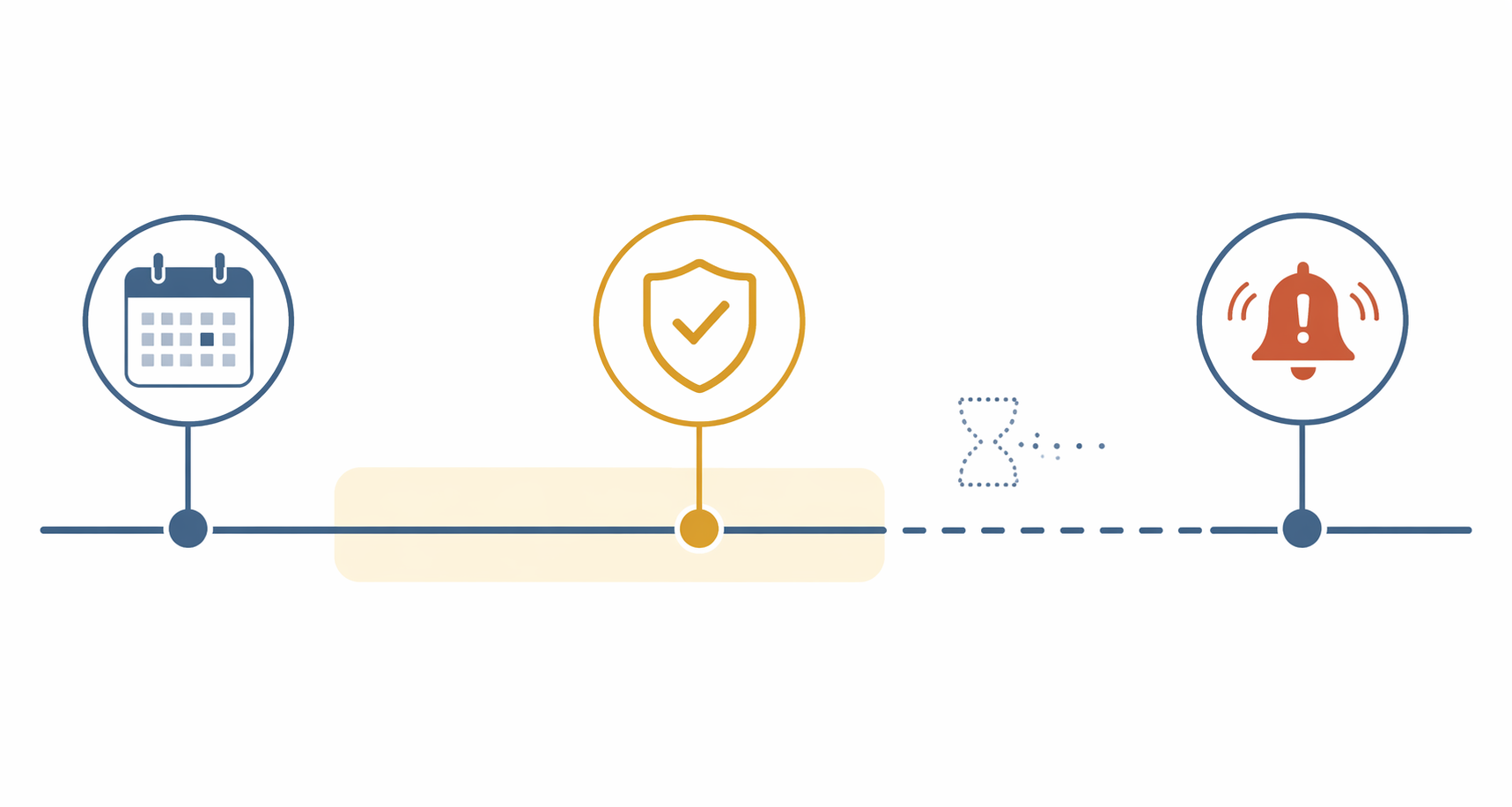
What the booking-time bill can look like
Squaremouth's 2026 marketplace data for travelers over 60 puts average comprehensive coverage at about $371, with CFAR pushing the combined price to roughly $550 to $560. That is a useful benchmark for planning, and nothing more; age, destination, trip length, and state of residence can move the price [4].
The same early-purchase window matters for a pre-existing condition waiver. Squaremouth's senior guide ties that waiver to buying within 14 to 21 days of the initial deposit and to a 60- to 90-day medical-stability lookback, so this is another protection you decide on at booking, not after the trip feels risky [4].
Why medical coverage still belongs in the same decision
Even if cancellation is not on the table, the trip still has the medical side of the risk. The CDC says Medicare provides no coverage for medical care outside the United States, so travel medical insurance is not an optional add-on for many older travelers [5]. For an international trip, the question is not only whether prepaid costs can be recovered, but also who pays if treatment or evacuation is needed abroad.
STEP can warn you early, but it cannot repay you
STEP, the State Department's free Smart Traveler Enrollment Program, sends real-time destination alerts that can help a traveler notice changing conditions sooner [6]. That makes it useful for timing, but it is still an alert service, not a reimbursement trigger.
The booking-time rule is the key one: if losing prepaid trip costs after a future caution would be unacceptable, CFAR, any pre-existing condition waiver, and the medical-evacuation side of the policy have to be priced when the first deposit is made. By the time the caution appears, the insurance window is usually already closed.
References
- Does Travel Insurance Cover Travel Advisory? — InsureMyTrip
- Cancel For Any Reason (CFAR) Travel Insurance Explained — NerdWallet
- Cancel for Any Reason — Squaremouth
- Best Travel Insurance for Seniors — Squaremouth
- Older Adults and Healthy Travel — CDC Travelers' Health
- Travel advisories and alerts — USAGov
Questions to bring to a clinician or OT
This is not medical, legal, or a family's final decision — only a framework. Bring these questions to a clinician, occupational therapist, or your local Area Agency on Aging.
Find Local HelpRelated reading
Noticed something outdated or inaccurate on this page? Flag a correction. We review every report against CDC, NIA, and AARP HomeFit guidance before updating a page.