
Caregiver decision guide
Stopped Payments to Deceased Seniors: 2025 Guide for Caregivers
This guide explains what happens to Social Security and other federal benefits after a senior's death, which payments must be returned, and how caregivers can respond to overpayment demands under current rules and the 2026 law.
If the deposit hit after the death, treat it as suspect until you match it to the month it covers. SSA pays in the month after the month of entitlement, and a beneficiary must live the entire month to be entitled to that month's benefit; a check received in the month of death may belong to the prior month and can usually be kept, but anything paid after death generally must be returned. Report the death to SSA right away, and keep proof of any return, mailing, or online confirmation. If you need to reach them, call 1-800-772-1213 (TTY 1-800-325-0778). [1]
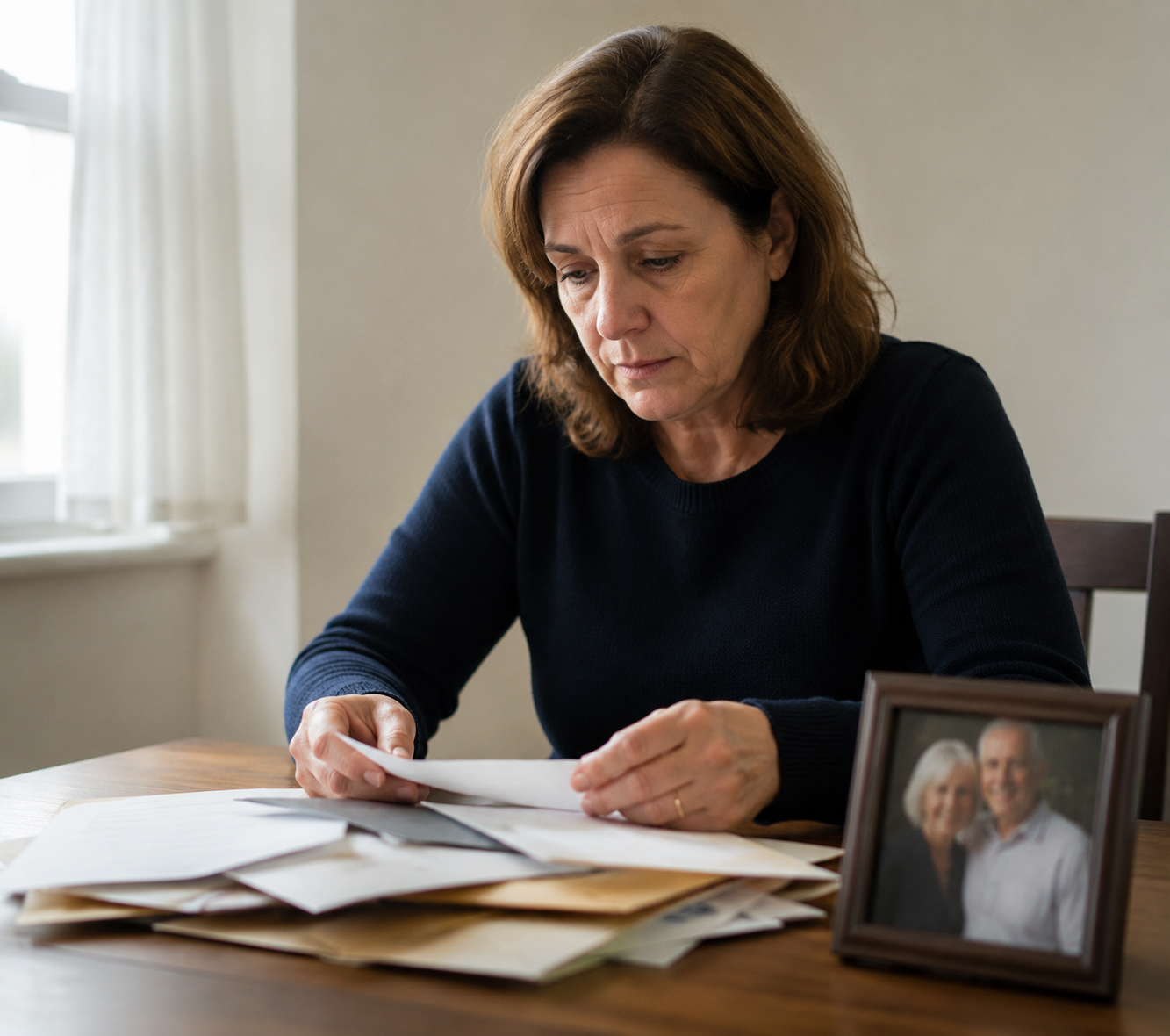
Keep the Last Payment Straight
Do not spend a direct deposit just because it landed. Match the payment date to the benefit month, keep the bank record, and separate the last valid monthly payment from anything that arrived after death. If the money is clearly post-death, return it; if it is the month-of-death deposit for the prior month, keep it with your records in case SSA asks later. [1]
The $255 lump-sum death payment and any ongoing survivor monthly benefit are separate claims. They do not continue automatically just because the deceased had been receiving benefits, so the family may need to file for them even while handling the final deposit. [1]
When SSA Sends an Overpayment Letter
Read an overpayment notice as a deadline, not a nuisance. SSA can seek repayment from a surviving family member when benefits tied to the deceased person's record were paid improperly. If you think the notice is wrong, or repayment would be unfair or impossible, send a waiver request on Form SSA-632-BK or file an appeal quickly: filing either one within 30 days of the notice can pause collection while SSA reviews it, and an appeal generally has a 60-day deadline. If the balance is real but the monthly withholding is too high, Form SSA-634 asks SSA to reduce the amount taken each month. [2]
Keep a copy of everything you send, the date you sent it, and any proof that the money was returned. The detail that protects families most is often the one that feels smallest at the time: a receipt, a screenshot, or a mailed envelope tracked back to the right date and amount.
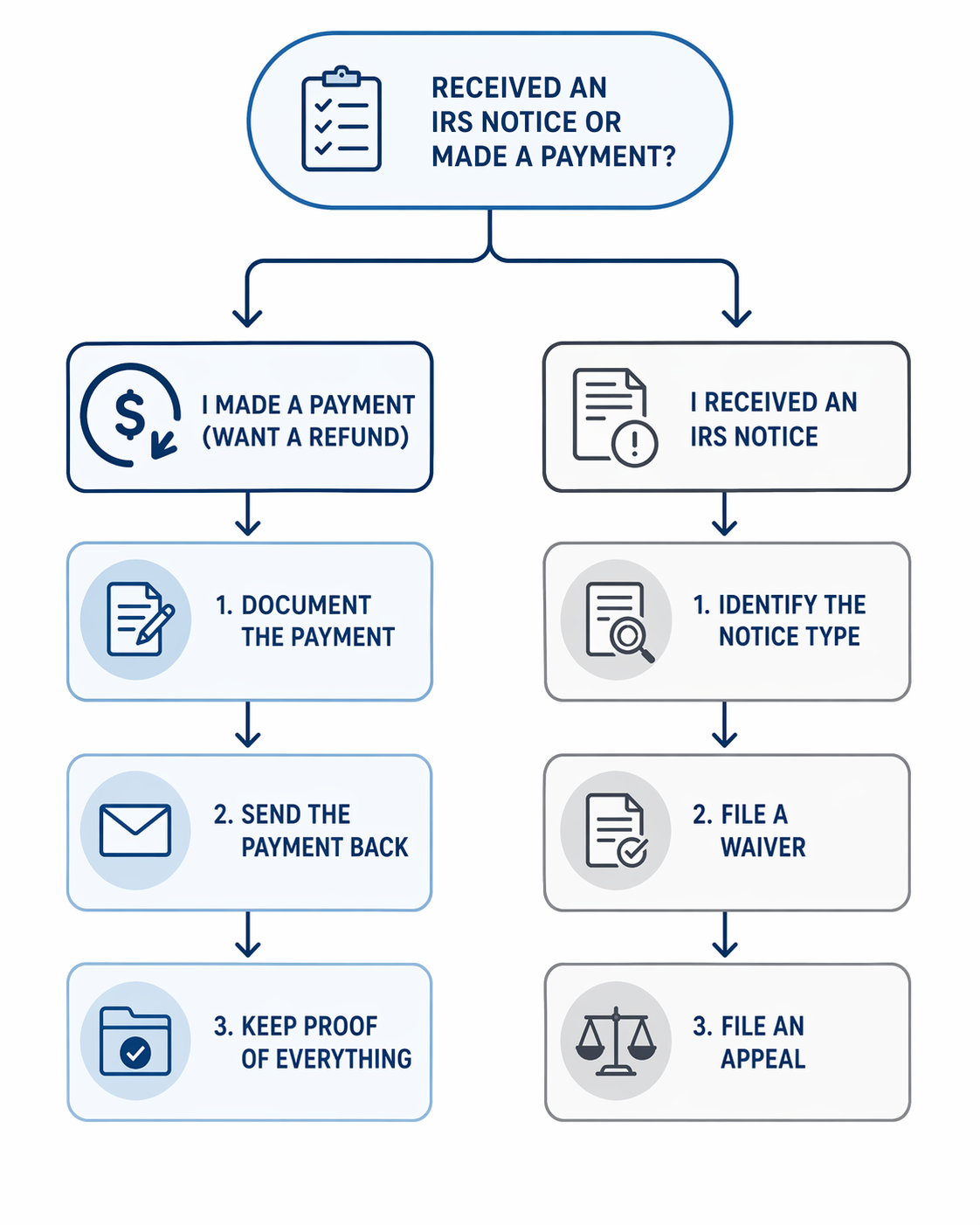
The 2026 law is meant to improve death-data sharing between SSA and Treasury so future mismatches are easier to catch, but it does not change the month-of-death rule, the duty to report the death, or the need to handle survivor claims separately. The safest sequence is still the same: check the month, return only what truly arrived after death, report the death, keep proof, and answer any overpayment letter immediately. [1][2]
References
- What to do when someone dies — Social Security Administration
- Overpayments — Social Security Administration
Questions to bring to a clinician or OT
This is not medical, legal, or a family's final decision — only a framework. Bring these questions to a clinician, occupational therapist, or your local Area Agency on Aging.
Find Local HelpRelated reading
Noticed something outdated or inaccurate on this page? Flag a correction. We review every report against CDC, NIA, and AARP HomeFit guidance before updating a page.