
STEADI: Assess
How to Spot Rabbit Fever Symptoms in Seniors
Tularemia is rare but serious in older adults, and seniors often show it through confusion, new weakness, loss of appetite, or a fall rather than a classic fever. Caregivers get a concrete symptom checklist plus clear thresholds for calling a doctor or 911.
If an older parent suddenly seems confused, weak, uninterested in food, or has fallen after outdoor exposure, do not wait for the “classic” rabbit fever picture to appear. Rabbit fever, also called tularemia, is rare, but rabbit fever symptoms in seniors can start as a sudden change in function rather than an obvious fever-and-skin-ulcer illness.
The useful question is not “Did they definitely catch tularemia?” It is: “Is there a possible rabbit, tick, or soil exposure plus a sudden change that needs medical advice today?”
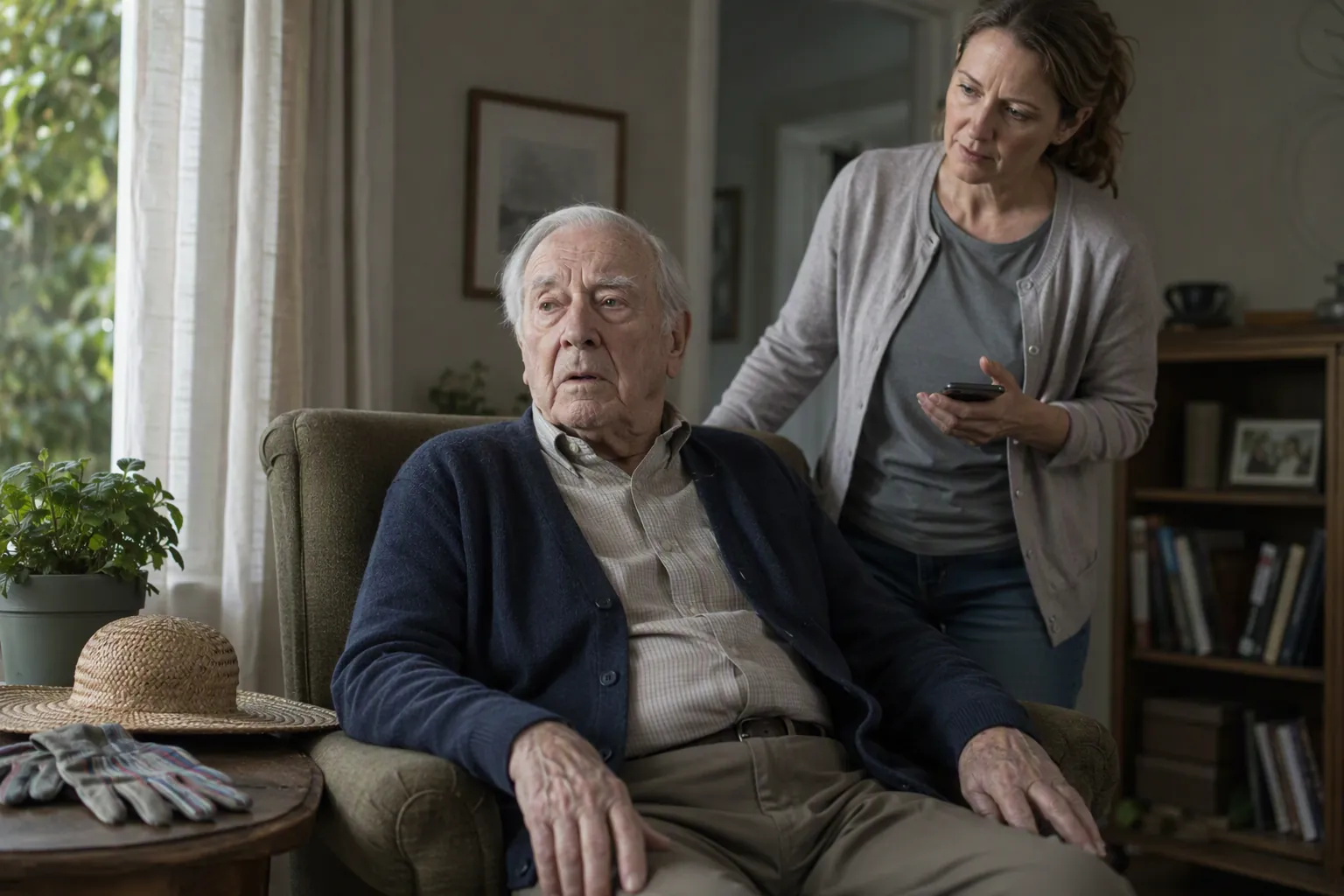
Start with the decision: call 911, call the doctor today, or keep watching
A rabbit sighting in the yard is not an emergency by itself. A tick bite in someone who feels well is not automatically a crisis. The concern rises when a plausible exposure is followed by a sudden change in how the person functions.
| What you notice | Why it matters | What to do |
|---|---|---|
| They are hard to wake, severely confused, struggling to breathe, have chest pain, show stroke-like symptoms, cannot stand safely after a fall, hit their head, or may have a serious injury. | This is beyond a tularemia question. These are emergency warning signs in an older adult. | Call 911. |
| They had possible rabbit, tick, or soil exposure and now have new confusion, marked weakness, loss of appetite, fever or chills, a painful skin sore, swollen glands, or a new fall or near-fall. | In seniors, infection may show up first as functional decline. Tularemia is one possible infection to mention, especially with the exposure history. | Call their doctor, clinic, or nurse line the same day. If you cannot reach anyone and they are worsening or unsafe, use urgent care or emergency services. |
| They feel well after a possible exposure, with no sudden weakness, confusion, fever, appetite change, skin sore, swollen glands, or fall. | Exposure alone does not mean illness. | Keep an eye on them and write down the exposure details in case symptoms develop. |
| You are unsure whether this is “just aging,” dehydration, medication side effects, or infection. | A sudden change is the clue. Gradual aging does not usually appear overnight after yard work, a tick bite, or animal contact. | Call for medical advice and describe the change from their normal baseline. |
The same-day call matters because you are not asking the doctor to confirm tularemia over the phone. You are asking for triage: does this older adult need to be seen, tested, or sent to a higher level of care?
Why rabbit fever can look like a fall-risk problem in seniors
Caregivers are used to watching for grab bars, loose rugs, poor lighting, and medication side effects. Those are real fall risks. But infection can also push an older adult over the edge: someone who was steady yesterday may be too weak to get up today, too confused to use a walker correctly, or too uninterested in food and fluids to maintain strength.
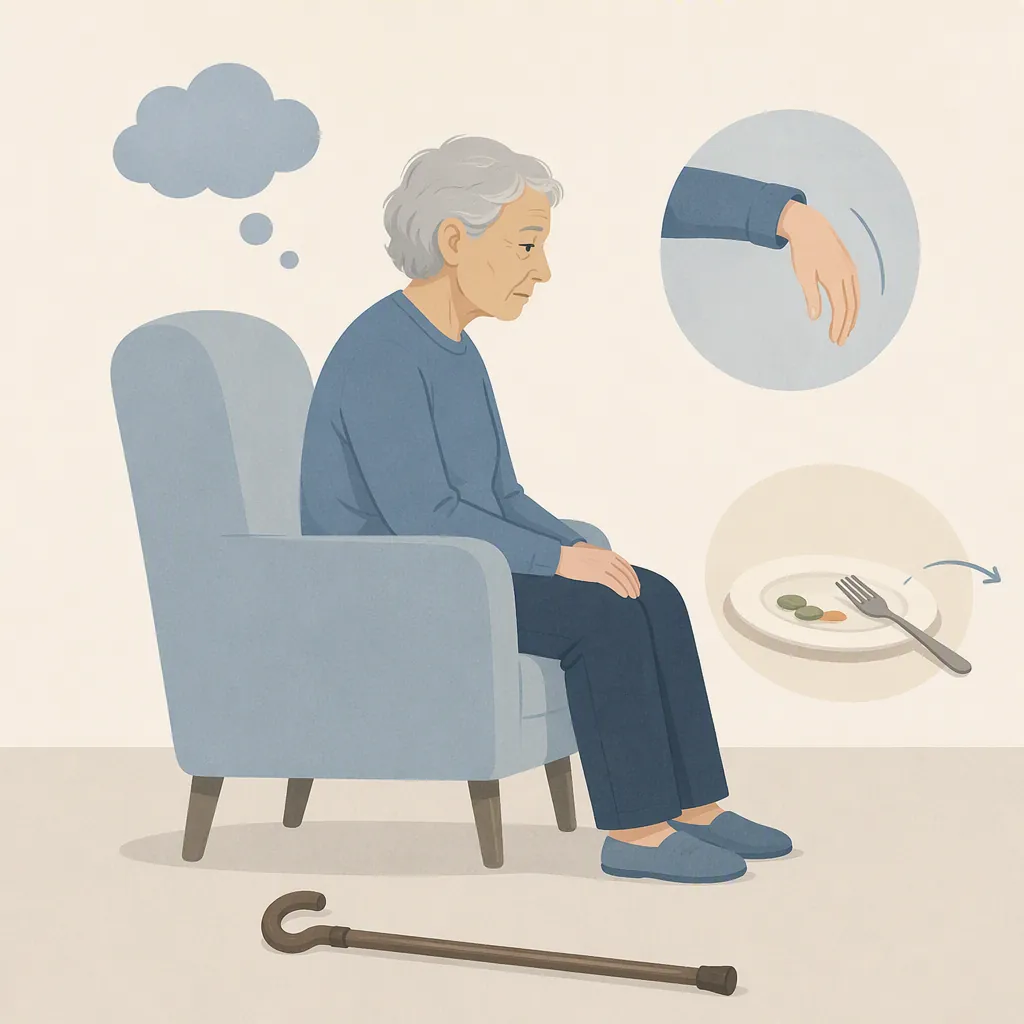
That is where tularemia becomes easy to miss. The caregiver may notice the fall, the untouched breakfast, or the strange phone call before anyone notices a fever. Some older adults do not mount a clear fever early, and even when they do, the thermometer may not be the first thing someone checks.
Pay attention to changes such as:
- New confusion, unusual sleepiness, or acting “off” compared with their normal self
- New weakness, shakiness, or needing help with a task they usually manage
- Loss of appetite, refusing meals, or drinking much less than usual
- A fall, near-fall, or sudden fear of standing or walking
- Fever, chills, sweats, or looking flushed or unusually cold
- A new sore, ulcer, or tender swollen gland after an outdoor exposure or animal contact
The first four items are the ones families often explain away. They are also the ones that should move the situation from “we’ll see how tomorrow looks” to “let’s call today” when there has been plausible exposure.
The classic signs still count
Tularemia is often described as an illness with fever and, in some forms, a skin sore or swollen lymph nodes. Those signs are worth mentioning if you see them. The problem is letting that description become a gatekeeper. An older parent who has been gardening, handling a dead rabbit, or dealing with a tick bite and then becomes suddenly weak or confused still deserves medical advice even if there is no obvious ulcer and no dramatic fever.
The exposure history that makes tularemia worth mentioning
Tularemia is sometimes called rabbit fever because rabbits and other small animals can be part of the exposure story. For a caregiver, the point is not to identify the animal or insect perfectly. The point is to give the clinician enough context to decide whether tularemia belongs on the list of possibilities.
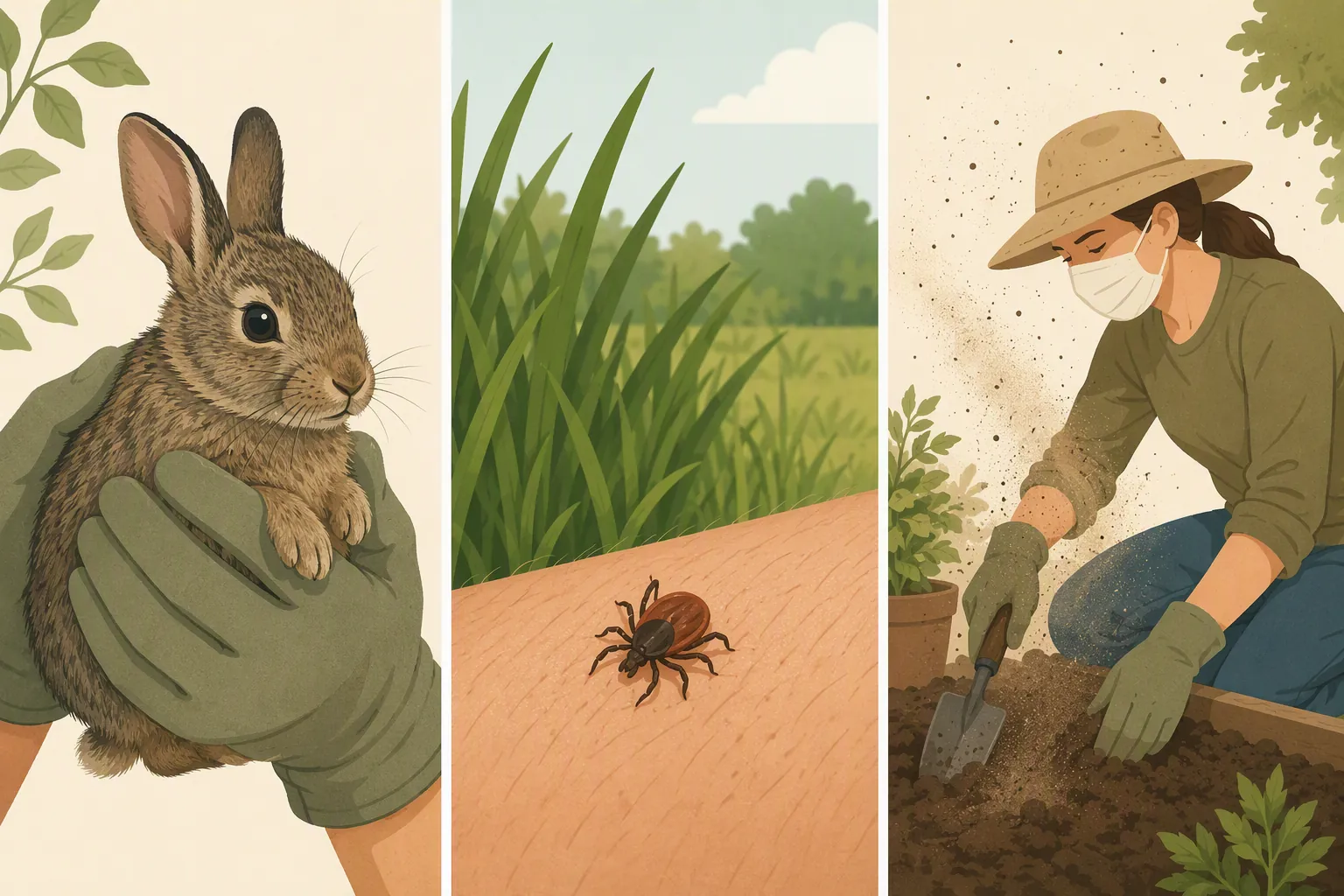
Before you call, think through whether any of these happened recently:
- They handled a wild rabbit, hare, or carcass, especially with bare hands or broken skin.
- They found an attached tick or removed a tick after time outdoors.
- They gardened, mowed, dug, raked, or worked around dusty soil or brush where small animals may have been present.
- They cleaned an outdoor area, shed, yard edge, or garden bed and then developed a sudden functional change.
You do not need a perfect exposure story. “He was pulling weeds near the fence line two days before he became weak” is useful. “She removed a tick and now she is confused and not eating” is useful. “He picked up a dead rabbit, and now he fell and seems unlike himself” is useful.
Rare does not mean irrelevant for a 65-plus parent
Tularemia is uncommon in the United States, and it should not turn every outdoor chore into a scare. But uncommon is not the same as impossible. CDC surveillance for 2011–2022 identified 2,462 U.S. tularemia cases across 47 states, and the reported incidence was 56% higher than during 2001–2010. In that same surveillance period, adult males ages 65–84 had the highest adult incidence, reported at 0.133–0.161 cases per 100,000 population. [1]
Those numbers do two things at once. They keep the risk in proportion: this is not a common diagnosis. They also make dismissal harder when the pattern fits: an older adult, especially an older man, with a sudden decline after a plausible rabbit, tick, or soil exposure should not be waved off as “just getting older.”
For families, the practical move is simple: mention tularemia as a possibility, then let the clinician decide what evaluation is appropriate.
What to tell the doctor or nurse
When you call, lead with the change in function, not the disease name. A clinician can triage faster when they know what changed from baseline.
- “My father is 78. Yesterday he was walking around the house normally. Today he is too weak to get out of the chair.”
- “She is usually sharp, but today she is confused and did not eat breakfast or lunch.”
- “He fell after working outside and now seems different from his usual self.”
- “There was a tick bite / rabbit contact / dusty yard work before this started. Could an infection such as tularemia be considered?”
Have these details ready:
- Their age and major health conditions, if you know them
- What they are normally able to do on a typical day
- Exactly what changed: walking, balance, thinking, eating, drinking, toileting, or ability to get out of bed or a chair
- Whether there was a fall, head hit, injury, or inability to stand safely
- Any fever, chills, sore, swollen gland, cough, pain, vomiting, diarrhea, or other symptom you notice
- Any possible rabbit, tick, or soil exposure and when it happened
- Current medications, especially if there were recent changes
If the person is too weak or confused to give a reliable history, say that. It changes the urgency of the situation because the clinician cannot depend on the older adult to monitor symptoms or call back if things worsen.
What to do while waiting for medical advice
Keep the focus on safety. If they are weak, dizzy, or confused, do not have them walk alone to “prove” they are fine. Help them sit or lie down somewhere safe. If they can swallow normally and are not nauseated or drowsy, offer small sips of fluid. Check their temperature if you can, but do not let a normal temperature cancel out the other warning signs.
Call 911 rather than waiting for a callback if they become difficult to wake, develop breathing trouble or chest pain, show stroke-like symptoms, have a serious fall injury, or cannot be kept safe at home. A possible infection plus a fall can become an emergency because the immediate danger may be injury, dehydration, delirium, or unsafe mobility—not only the infection itself.
For seniors, waiting for the textbook rabbit fever picture is less useful than acting on the pattern you can actually see: possible rabbit, tick, or soil exposure followed by sudden confusion, weakness, loss of appetite, or a fall.
References
- Tularemia — United States, 2011–2022, CDC MMWR, January 2, 2025.
Related reading
Noticed something outdated or inaccurate on this page? Flag a correction. We review every report against CDC, NIA, and AARP HomeFit guidance before updating a page.
Part of the Fall Prevention section.