
Caregiver decision guide
Can You Sue a Family Member for Tampering With Mom's Trust?
When a family member manipulates an elderly parent's trust, legal action is possible but time-sensitive. This guide explains the dual claim strategy—trust contest plus financial elder abuse lawsuit—and the enhanced remedies that may apply.
If Mom's trust was changed after a sibling, caregiver, or new spouse got too close, yes, you may be able to sue. The move that matters is usually a dual path: a trust contest plus a financial elder abuse claim. In California, that path runs into a tight contest window, and other states play by their own rules.
This kind of case hides because it usually comes from inside the family or trusted circle. NAPSA says about 90% of elder financial exploitation is committed by family members or trusted people, and only 1 in 44 cases is reported [1]. AARP says the annual loss is $28.3 billion, the average older victim loses $120,000, and family members steal twice as much as strangers do [2].

Move First, Quietly
Do not give the person you suspect a heads-up. Confrontation buys them time to move money, change passwords, clean out messages, or rewrite the story. Start with the records you can lock down now.
- The trust, any amendments, and every signed copy you can find.
- Bank, brokerage, and credit-card statements that show transfers or unusual withdrawals.
- Texts, emails, voicemails, call logs, and screenshots of suspicious instructions or threats.
- Medical records, capacity evaluations, discharge summaries, and notes that show cognitive status around the change.
- A dated timeline of who had access, when it changed, and who benefited.
If the parent is still alive and reachable, preserve what can be preserved before anyone starts editing accounts or memory. If the paperwork lives on a phone or in online banking, save copies before passwords change.
Why the Two-Claim Path Matters
| Track | What it attacks | Why it matters |
|---|---|---|
| Trust contest | The trust or amendment itself; in California the notice-triggered window is often 120 days [3] | Can undo the document if you move before the deadline closes |
| Financial elder abuse claim | Wrongful taking, pressure, isolation, or manipulation around an elder's property [5] | Can trigger mandatory fees and enhanced damages |
| Combined filing | Both the paper and the conduct [4][5] | Lets one theory support the other instead of forcing you to choose too early |
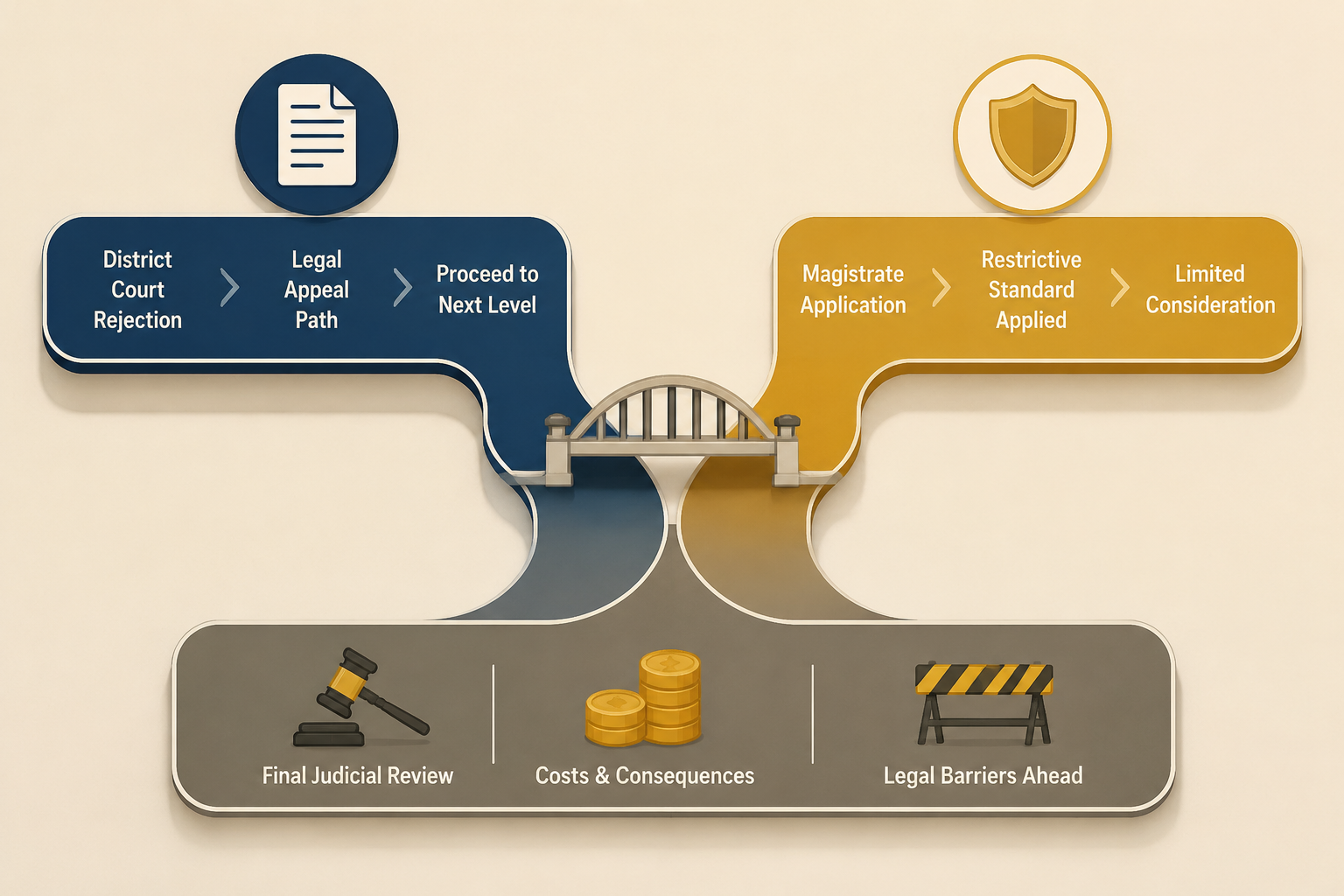
White v. Wear made the bridge explicit. In that 2022 California case, the court held that procuring a trust amendment through undue influence can count as financial elder abuse [4]. That matters because a trust fight asks whether the document should stand, while the elder abuse claim asks who used pressure, isolation, concealment, or control to get it there.
What the Remedies Buy You
This is the part that usually decides whether the case is worth pushing. In California, a finding of financial elder abuse can make attorney fees mandatory under Welfare and Institutions Code section 15657.5; bad-faith taking can support double damages under Probate Code section 859; and Probate Code section 259 can let a court treat the abuser as having predeceased the victim, which can cut that person out of the inheritance altogether [5].
- Mandatory attorney fees if liability is found.
- Double damages for certain bad-faith takings.
- Orders that help stop more transfers while the case is pending.
- Potential disinheritance when Probate Code section 259 applies.
Some states go further. A Super Lawyers comparison says at least 12 states have enhanced damages or mandatory fee-shifting for elder financial exploitation, and Illinois, Florida, and Oregon offer treble damages [6].
If You Are Not in California
California is not the only state with a remedy. The deadline and available damages change by state, and some states are more aggressive than others. If you are outside California, get a local probate lawyer to check the trust-contest deadline and the elder-abuse statute before the paper trail gets any older [6].
This is educational information, not legal advice. If the trust changed, the accounts are moving, and the story keeps changing, preserve the records, document the timeline, do not confront the person who benefited, and call a local probate and elder abuse lawyer immediately.
References
- Additional Resources — NAPSA — link
- Elder financial abuse statistics — AARP — link
- Financial Elder Abuse in Trusts — Trust Law Partners — link
- Financial Elder Abuse and Trust Contests — Legacy Lawyers — link
- Civil Remedies for Elder Financial Abuse — Hackard Law — link
- Can You Sue for Elder Financial Abuse? — Super Lawyers — link
Questions to bring to a clinician or OT
This is not medical, legal, or a family's final decision — only a framework. Bring these questions to a clinician, occupational therapist, or your local Area Agency on Aging.
Find Local HelpRelated reading
Noticed something outdated or inaccurate on this page? Flag a correction. We review every report against CDC, NIA, and AARP HomeFit guidance before updating a page.