
The Hidden Costs of Aging in Place: What Families Don't Budget For (2026 Guide)
A guide for adult children caring for aging parents at home, revealing the full cascade of hidden expenses — from home modifications and escalating care hours to transportation and monitoring tech — that can exceed assisted living costs without careful planning.
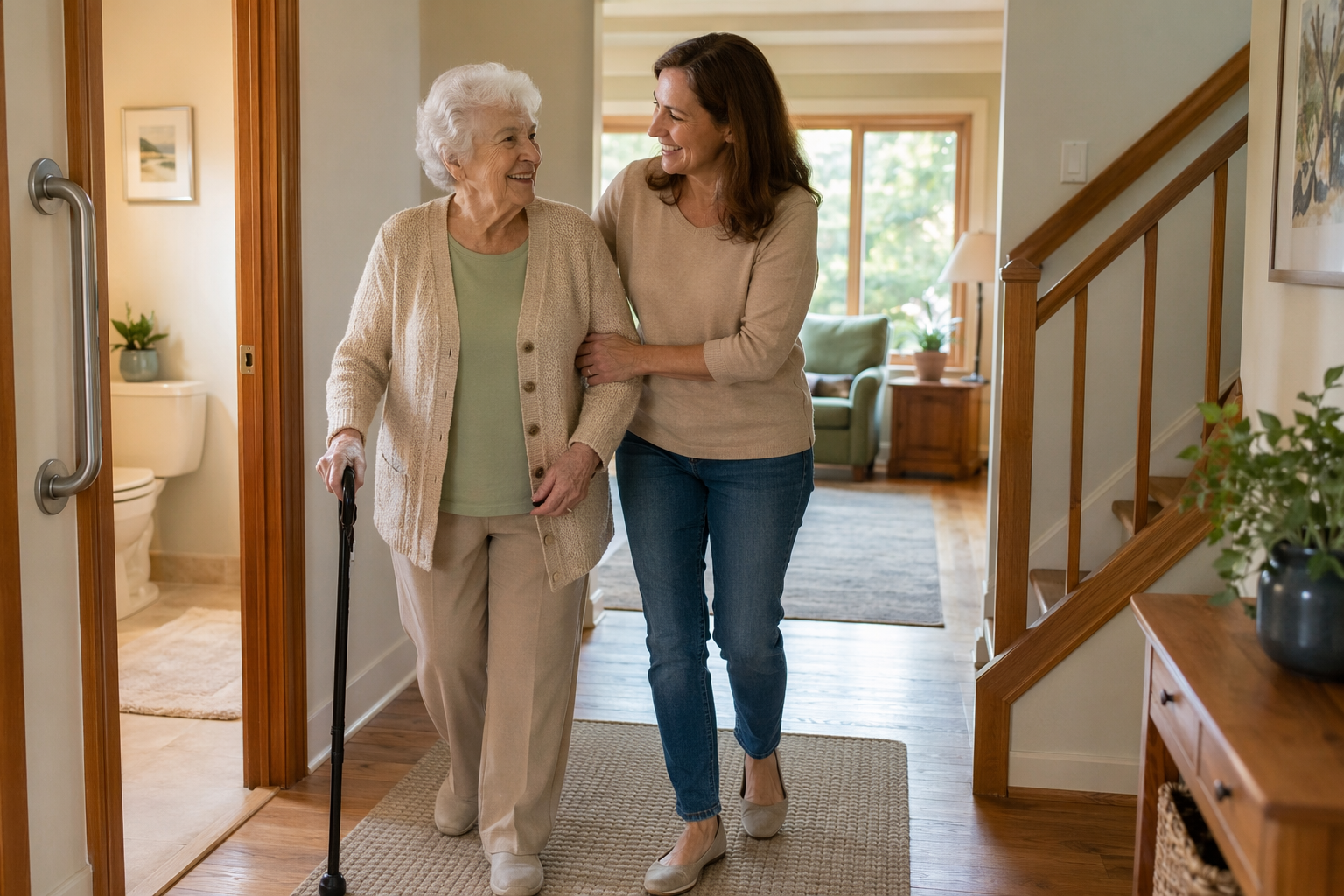
The Budgeting Blind Spot: Why Families Underestimate the True Cost of Aging in Place
When families decide that Mom or Dad will age in place, the conversation usually starts with one question: Can they afford the mortgage or rent? It is a natural starting point, but it is also a dangerous one. The monthly housing payment is often the smallest piece of the financial picture. The real costs — home modifications, escalating care hours, transportation, monitoring technology, and deferred home maintenance — form a cascade that can quietly exceed the price of assisted living.
The data bears this out. According to a 2026 analysis by ChoiceMutual, over 90% of older adults prefer to remain at home, yet only 10% of homes are considered "aging ready." The gap between preference and preparedness is where the hidden costs live. Families who budget only for the house itself are setting themselves up for financial strain that often leads to rushed, expensive decisions later.
Home Modifications: The $10,000–$100,000 Investment Most Families Haven't Made
The first major hidden cost is often the largest: modifying the home itself. Grab bars, walk-in showers, stair lifts, widened doorways, and ramp installations are not optional luxuries — they are safety necessities. Yet the vast majority of families have not made them.
A 2025 systematic review published in PMC found that only 28.9% of older adults have made any home modifications for fall prevention. ChoiceMutual's 2026 survey puts the number even lower for comprehensive modifications: just 18% of adults aged 50 and older have made changes to help them age in place. This means more than 80% of families are living in homes that are not set up for safety.
The cost of catching up is steep. Home modifications for accessibility typically range from $10,000 to $100,000, depending on the scope of work. A single bathroom remodel with a walk-in shower, grab bars, and non-slip flooring can run $15,000–$30,000. A stair lift adds $3,000–$10,000. A full wheelchair ramp installation can cost $1,500–$15,000.
| Modification | Typical Cost Range | Common Funding Source |
|---|---|---|
| Bathroom remodel (walk-in shower, grab bars, flooring) | $15,000 – $30,000 | Self-fund, VA grant, Medicaid waiver |
| Stair lift installation | $3,000 – $10,000 | Self-fund, VA grant |
| Wheelchair ramp | $1,500 – $15,000 | Self-fund, USDA grant, Habitat for Humanity |
| Grab bars (per bar, installed) | $150 – $300 | Self-fund |
| Widened doorways (per doorway) | $500 – $2,000 | Self-fund, VA grant |
| Full home accessibility retrofit | $50,000 – $100,000 | Self-fund, reverse mortgage, Medicaid waiver |
Related reading
Noticed something outdated or inaccurate on this page? Flag a correction. We review every report against CDC, NIA, and AARP HomeFit guidance before updating a page.
Part of the Fall Prevention section.