
STEADI: Intervene
Safe Allergy Medicine for Older Adults With a Runny Nose
For an older adult with a runny nose, the safest over-the-counter relief starts with topical options — saline rinse or nasal spray — not oral allergy medicine. Learn which products are safe for seniors, which to avoid and why, and how to tell when a runny nose is not allergies at all.
If you are standing in the pharmacy aisle choosing something for an older adult with a runny nose, start with the nose itself: a saline spray or rinse is usually the simplest first pick. If allergy symptoms continue, a corticosteroid nasal spray such as fluticasone, triamcinolone, or budesonide is generally a better next step than reaching immediately for an oral allergy pill. These topical options act mainly in the nasal passages and avoid many of the whole-body effects that can matter more after age 65.

There is one important rule for a saline rinse: use only distilled or sterile water, or tap water that has been boiled and cooled. The FDA warns that untreated tap water can carry organisms that are safe to swallow but dangerous when introduced into the nasal passages. [1]
Start With the Symptom Pattern
A clear, watery nose with sneezing, itching, or itchy, watery eyes can fit an allergic pattern. A runny nose that appears mainly during meals, in cold air, or without itching may be nonallergic rhinitis instead. Older adults can also have medication-related rhinitis: a review of rhinitis in older people notes that more than 400 brand-name drugs list rhinitis as a side effect. [2]
That distinction matters because another antihistamine may do little for a nose that is reacting to food, temperature, irritation, or a medicine. Rhinitis symptoms were self-reported by up to 32% of adults ages 54 to 89 in one NHANES analysis, but that figure describes reported symptoms, not confirmed allergies. [2]
For a mild, recent runny nose, saline spray or rinse can moisturize and clear the nasal passages without adding a sedating drug. If congestion, sneezing, and other allergy symptoms persist, an intranasal corticosteroid is a common first-line treatment and is generally well tolerated in older adults. [2] Read and follow the product directions; these sprays usually work best with consistent use rather than as an occasional rescue dose.
Read the Active Ingredient Before the Brand
Brand names are recognition aids, not safety categories. On the front or back of the package, find the active ingredient and check whether the product is a nasal spray, a plain oral antihistamine, or a combination containing a decongestant.
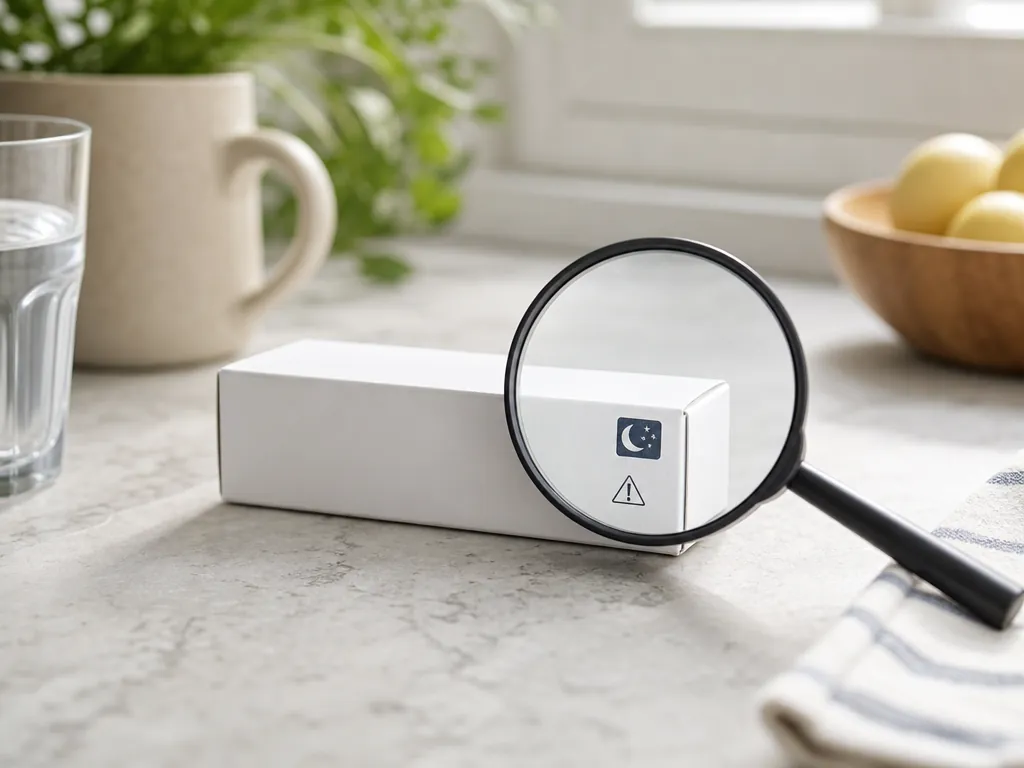
- For a rinse, spray, or neti pot, check that the water is distilled, sterile, or previously boiled and cooled.
- For a nasal steroid, look for an ingredient such as fluticasone, triamcinolone, or budesonide and use it according to the label.
- For an oral product, look for the exact antihistamine rather than relying on words such as allergy, sinus, or relief.
- Treat PM, nighttime, and sleep wording as a reason to inspect the ingredients closely.
- Treat -D as a warning that the product contains a decongestant, not as a stronger version of an ordinary allergy medicine.
If an Oral Antihistamine Is Needed
The 2023 American Geriatrics Society Beers Criteria strongly recommends avoiding first-generation antihistamines in adults 65 and older. The concern is their anticholinergic effect, which can contribute to confusion, delirium, and falls; older adults may also clear these medicines less effectively. [3]
That places diphenhydramine, the active ingredient in Benadryl, firmly in the do-not-grab-automatically category. Doxylamine is another sedating ingredient often found in nighttime products. A familiar label does not make either choice harmless for someone with memory concerns, a recent fall, or other medicines that cause drowsiness.
When a clinician or pharmacist agrees that an oral antihistamine is appropriate, second-generation options are generally preferred. An allergist quoted by AARP identifies fexofenadine as a first choice because it does not cross the blood-brain barrier as readily and is less likely to cause sedation. [4] Cetirizine and loratadine are also commonly used, but Mayo Clinic notes that about 10% of users may experience drowsiness with either medicine. [5]
Even a less-sedating option can be a poor fit for a particular person. Review the details of cetirizine-related fall risk before choosing it, especially if the older adult has already been unsteady or sleepy. Read the cetirizine fall-risk information before making it the default medicine-cabinet choice.
Products to Leave on the Shelf
The most important label check is for diphenhydramine or another first-generation antihistamine. These ingredients may be hidden in nighttime cold remedies, sleep products, and combination medicines. The Beers Criteria recommendation applies even when the product is marketed for a familiar, short-term problem. [3]
Next, be cautious with oral decongestants. Pseudoephedrine and similar ingredients can raise blood pressure or affect heart rhythm, and decongestants are not recommended for people with high blood pressure, heart disease, glaucoma, or an overactive thyroid without medical guidance. [4][5] The same caution applies to products marked -D. The letters can be easy to miss when the package looks like an ordinary allergy medicine.
Phenylephrine deserves a quick, practical note: the FDA has found oral phenylephrine ineffective as a nasal decongestant. That is a reason not to rely on many common decongestant pills, not a reason to keep escalating the dose or combining products. [4]
Before buying any oral product, pause and ask the pharmacist if the older adult has high blood pressure, heart disease, glaucoma, prostate or urinary problems, memory concerns, a history of falls, or a long medication list. The same checkpoint applies when symptoms persist despite treatment. A medication review can uncover a drug side effect or an interaction that the allergy shelf cannot solve.

When the Runny Nose Is Not Allergies
If the nose runs during meals or in cold air, or if it keeps dripping without responding to antihistamines, stop cycling through stronger allergy products. The pattern may fit nonallergic or age-related rhinitis. Bring those triggers, the timing of symptoms, and every medicine being taken to a pharmacist or clinician.
For now, the safer buying path is short: begin with saline used with safe water; consider a corticosteroid nasal spray when the symptoms fit allergies and the label directions support it; use a second-generation oral antihistamine only when a pharmacist or clinician agrees it fits the person; and avoid diphenhydramine, nighttime or PM combinations, and -D products unless a clinician specifically recommends them.
This article is for general information, not a diagnosis or personal medical advice. Persistent symptoms, breathing trouble, facial pain, fever, medication concerns, or a new symptom pattern deserve medical attention. A runny-nose question can also be brought to an annual wellness visit or medication review, where the full medicine cabinet and fall risk can be considered together.
References
- Is Rinsing Your Sinuses With Neti Pots Safe? FDA
- Rhinitis in the elderly Baptist & Nyenhuis, 2016
- 2023 AGS Beers Criteria Journal of the American Geriatrics Society
- What Older Adults Should Know Before Taking Allergy Medication AARP
- Allergy medications: Know your options Mayo Clinic
Related reading
Noticed something outdated or inaccurate on this page? Flag a correction. We review every report against CDC, NIA, and AARP HomeFit guidance before updating a page.
Part of the Fall Prevention section.