
Caregiver decision guide
What Seniors Should Know About the 2026 Cetirizine Recall
The July 2026 cetirizine recall affects only four specific lots of a single manufacturer. This guide explains exactly how to check if your medication is recalled, why the risk is low for most seniors, and which antihistamines are safe to use instead — particularly why Benadryl should be avoided.
If you or a parent takes cetirizine for allergies, the first thing to know is this: the 2026 recall does not apply to all cetirizine, and it does not apply to brand-name Zyrtec. It applies to four specific lots of cetirizine HCl 5 mg tablets in 100-count bottles distributed by Rising Pharma Holdings Inc., with NDC 16571-401-10, lot numbers GY825029, GY825030, GY825031, and GY825032, all expiring 10/2028.[1]
That is the difference between a useful recall check and a kitchen-table panic. Do not throw away every allergy medicine in the house. Do not stop a needed medication just because a headline said “cetirizine recall.” Pick up the bottle and match the label.
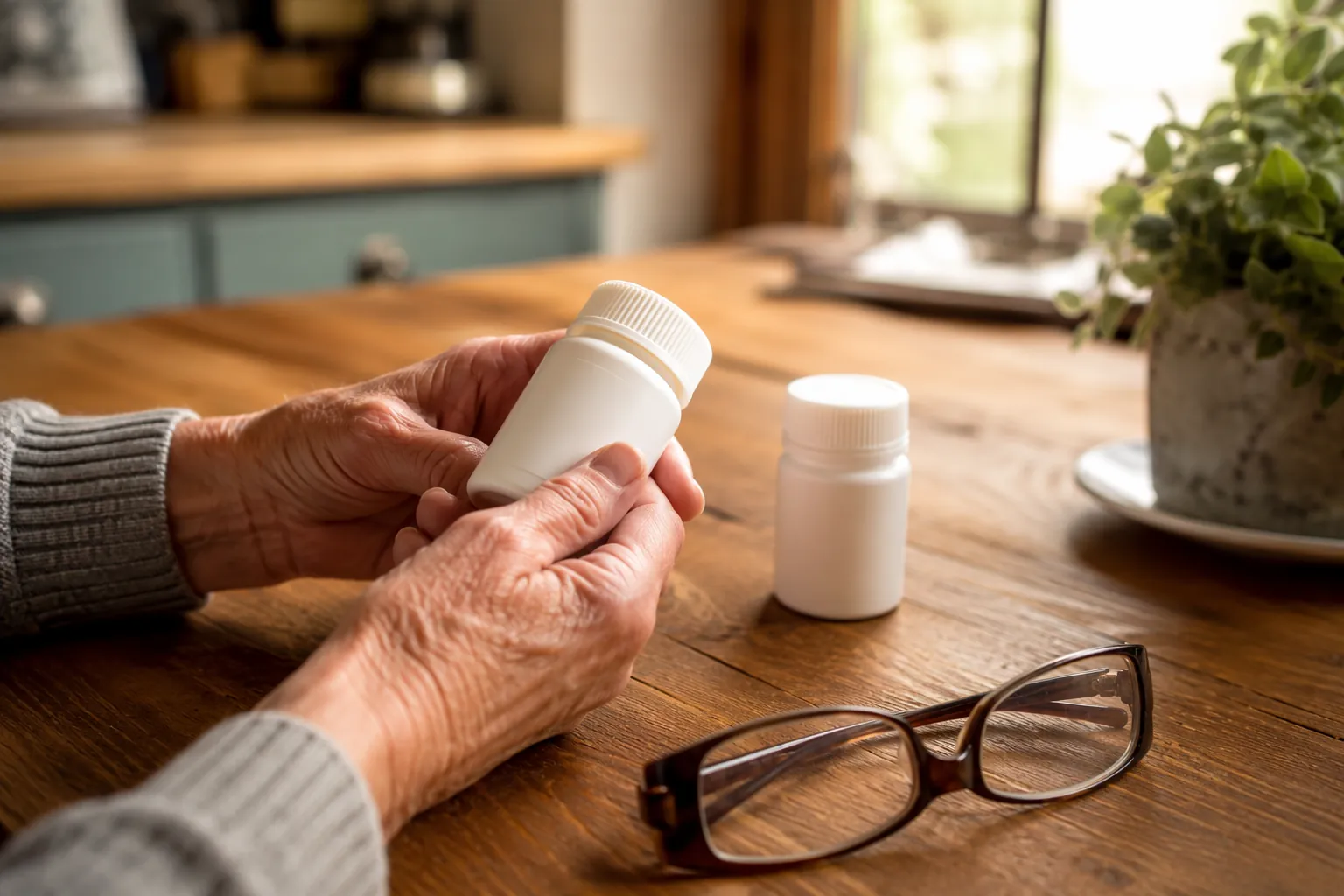
How to Check Your Bottle
Put the bottle under good light. If the print is small, use reading glasses or a phone camera to zoom in. You are checking six details, and all of them need to match before the bottle is part of this recall.
- Confirm the medicine name: cetirizine HCl tablets.
- Confirm the strength: 5 mg.
- Confirm the package size: 100-count bottle.
- Find the NDC and compare it with 16571-401-10.
- Find the lot number and compare it with GY825029, GY825030, GY825031, or GY825032.
- Check the expiration date: 10/2028.
The lot number and expiration date are usually printed on the pharmacy or manufacturer label, often near the side or bottom edge of the label. On some bottles, they may be printed directly on the container rather than in the main block of instructions. The NDC may appear near the drug name, near the barcode, or in a small manufacturer information section.
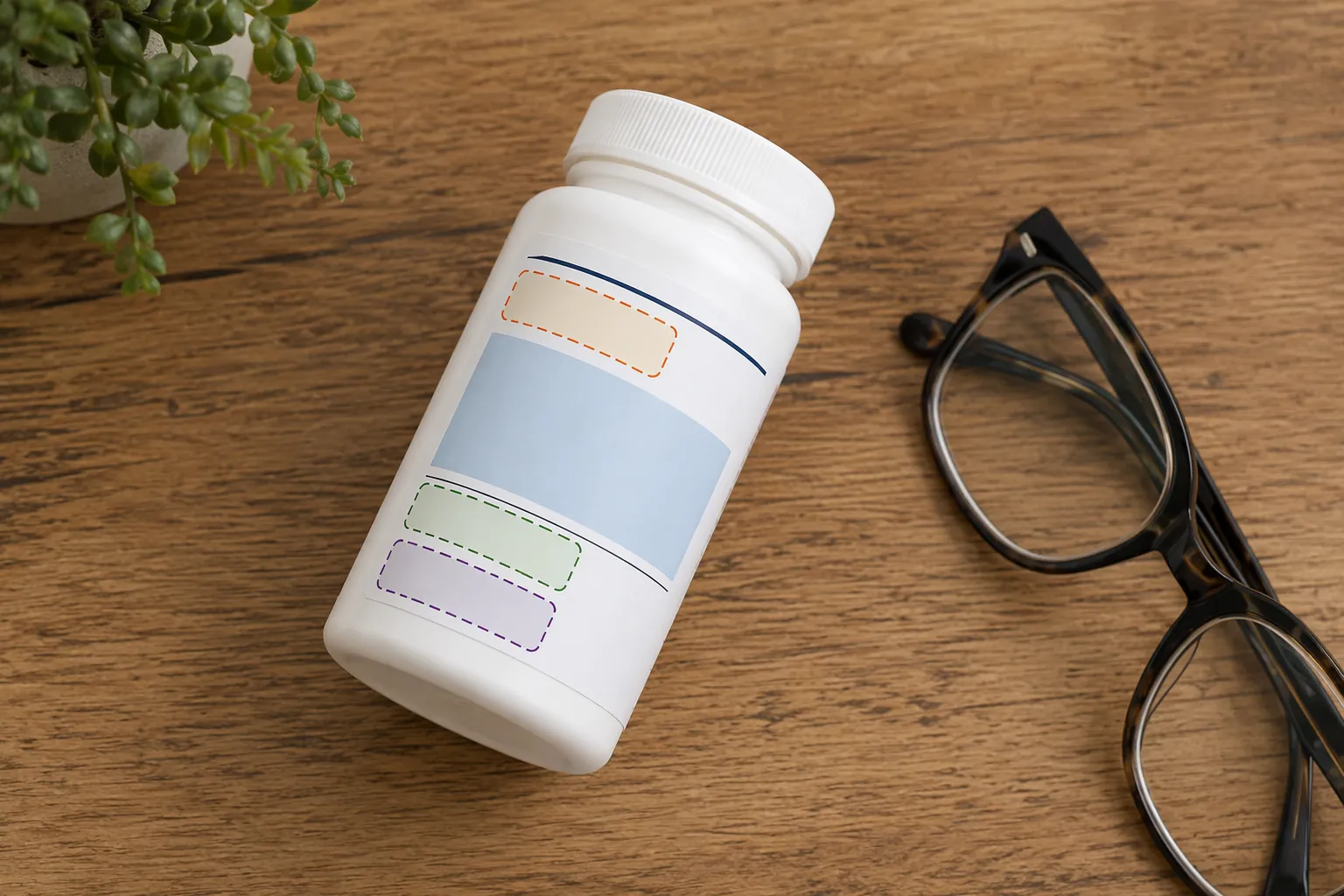
A close match is not enough. A 10 mg cetirizine bottle is not the recalled product described in the FDA notice. A different NDC is not this recalled product. A different lot number is not one of the four recalled lots. If the bottle is brand-name Zyrtec, that is also outside the recall described here.[1]
| Label Detail | Must Match This Recall |
|---|---|
| Medicine | Cetirizine HCl tablets |
| Strength | 5 mg |
| Bottle size | 100-count |
| NDC | 16571-401-10 |
| Lot numbers | GY825029, GY825030, GY825031, or GY825032 |
| Expiration | 10/2028 |
| Distributor | Rising Pharma Holdings Inc. |
If you are checking for someone else from across town, ask them to read the NDC and lot number slowly, or have them text a photo of the label. The useful photo is not the front of the bottle from across the counter; it is the part of the label where the NDC, lot number, and expiration date are legible.
What the Recall Risk Means
The FDA notice describes the problem as possible cross-contamination with ranitidine. For most people, this is not expected to create a serious health problem. The concern is more specific: people who are hypersensitive to ranitidine ingredients could have a serious allergic reaction, including anaphylaxis.[1]
The recall was classified as Class II. In FDA recall language, that generally means use of or exposure to the product may cause temporary or medically reversible adverse health consequences, or that the probability of serious adverse health consequences is remote. No adverse events had been reported as of July 22, 2026, according to the FDA recall notice.[1]
That does not mean a matching bottle should stay in the weekly pill organizer. It means the action should be precise: stop using that recalled bottle, keep the bottle available so the label information is not lost, and contact the recall hotline or a pharmacist for the next step.
One point is worth separating from older Zantac memories. The ranitidine issue in this recall refers to a reformulated ranitidine product re-approved by the FDA in 2025. It is distinct from the Zantac products pulled in 2020 over NDMA concerns.[1]
Do Not Replace It With Benadryl
The easiest mistake after a recall is reaching for whatever allergy medicine is already in the cabinet. For older adults, diphenhydramine — the active ingredient in Benadryl and many nighttime allergy or sleep products — is the wrong workaround unless a clinician has specifically directed it.
First-generation antihistamines such as diphenhydramine are discouraged for older adults under the Beers Criteria because their anticholinergic effects can increase confusion, sedation, and fall risk.[3] If a parent is already unsteady, gets up at night, uses a walker, or has memory changes, that substitution can create a bigger practical hazard than the limited cetirizine recall itself. For a broader medication-safety review, see A Caregiver’s Guide to Medications That Increase Fall Risk in Older Adults.
Cetirizine is a second-generation antihistamine, but it can still be more sedating than some other newer allergy medicines. GoodRx’s senior-focused allergy medicine guidance identifies loratadine and fexofenadine as safer options for many older adults and notes cetirizine’s higher sedation potential compared with those alternatives.[3]
| If a Replacement Is Needed | Senior-Specific Caution |
|---|---|
| Loratadine, often sold as Claritin | Often considered a less-sedating option for older adults |
| Fexofenadine, often sold as Allegra | Often considered a less-sedating option for older adults |
| Diphenhydramine, often sold as Benadryl | Avoid routine substitution in older adults because of confusion, sedation, and fall-risk concerns |
A pharmacist can usually help match the reason the person was taking cetirizine — seasonal allergies, itching, hives, or another issue — with a safer replacement. That matters because the right replacement may depend on kidney function, other sedating medicines, memory problems, glaucoma, urinary retention, or a history of falls.
What to Do If the Bottle Matches
If the bottle matches the recalled medicine, strength, package size, NDC, lot number, and expiration date, stop using that bottle. Do not pour the tablets into another container, and do not remove the label before you have contacted the recall line or spoken with a pharmacist.
- Call the recall hotline at 1-844-874-7464 for recall-specific instructions.[2]
- Ask a pharmacist or clinician what to use instead if allergy treatment is still needed.
- Avoid substituting diphenhydramine or Benadryl unless a clinician has specifically told you to use it.
- Report suspected side effects or adverse reactions through FDA MedWatch.[1]
If the bottle does not match all of the recall details, it is not one of the recalled lots described in the FDA notice. Keep taking it only as directed on the label or by the clinician who recommended it, and check with a pharmacist if the label is unclear.
The safe response is narrow and practical: check the exact bottle, do not overreact to every cetirizine product, and do not solve a limited recall by switching an older adult to a higher-risk antihistamine.
References
- Unique Pharmaceutical Laboratories Issues Voluntary Nationwide Recall of Cetirizine Hydrochloride 5 mg Tablets Due to Potential Cross Contamination with Ranitidine, FDA, July 20, 2026, link
- Allergy Medicine Recall: What to Know, AARP, link
- Allergy Medicines for Seniors, GoodRx, link
Questions to bring to a clinician or OT
This is not medical, legal, or a family's final decision — only a framework. Bring these questions to a clinician, occupational therapist, or your local Area Agency on Aging.
Find Local HelpRelated reading
Noticed something outdated or inaccurate on this page? Flag a correction. We review every report against CDC, NIA, and AARP HomeFit guidance before updating a page.