
Caregiver decision guide
The Durable Garmin Fenix 9 Pro Isn't a Fall-Detection Watch
The Garmin Fenix 9 Pro is genuinely rugged and long-lasting, but it is not a fall-detection watch: Incident Detection works only during recorded activities, and standard models need a paired phone. See what it actually does after a fall and whether it fits an older adult — or if a dedicated medical alert watch is the safer buy.
The Garmin Fenix 9 Pro may be an excellent rugged smartwatch for an active older adult, but it should not be bought as the main safety device for someone whose biggest risk is falling at home. Its Incident Detection feature is narrower than the phrase “emergency alert” may suggest: on standard models, it works during a recorded timed GPS activity and depends on a paired phone with cellular signal. It is not 24/7 automatic fall detection.
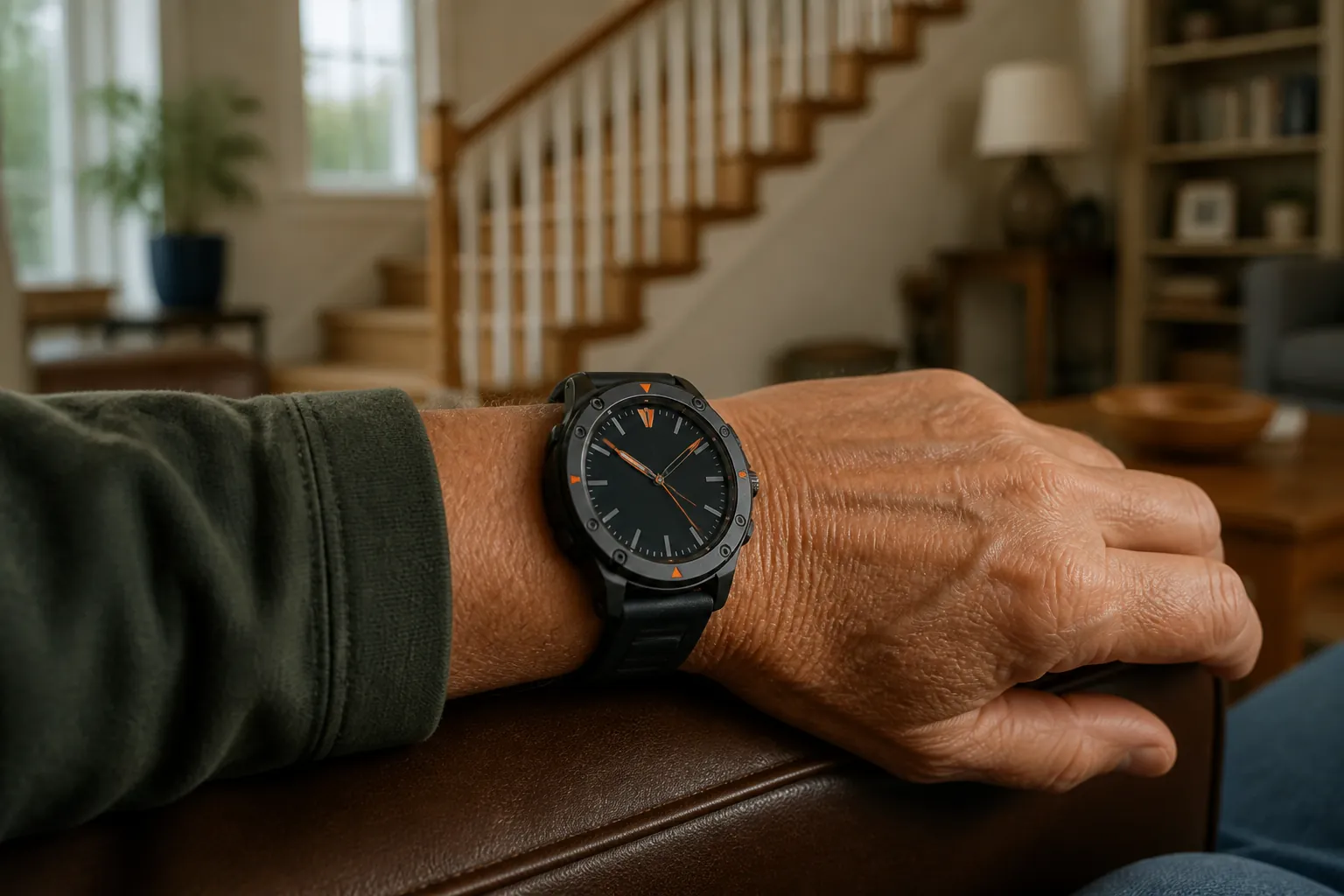
What happens after a possible fall
Garmin calls the feature Incident Detection, and the name matters. It is designed around a serious incident during a recorded activity, such as a walk, run, or ride, rather than continuous monitoring of every movement in the home. Garmin's current documentation says the watch must be worn on the wrist, have a current GPS signal, and be recording a timed GPS activity. Standard models also require a paired phone with cellular service. [3][4]
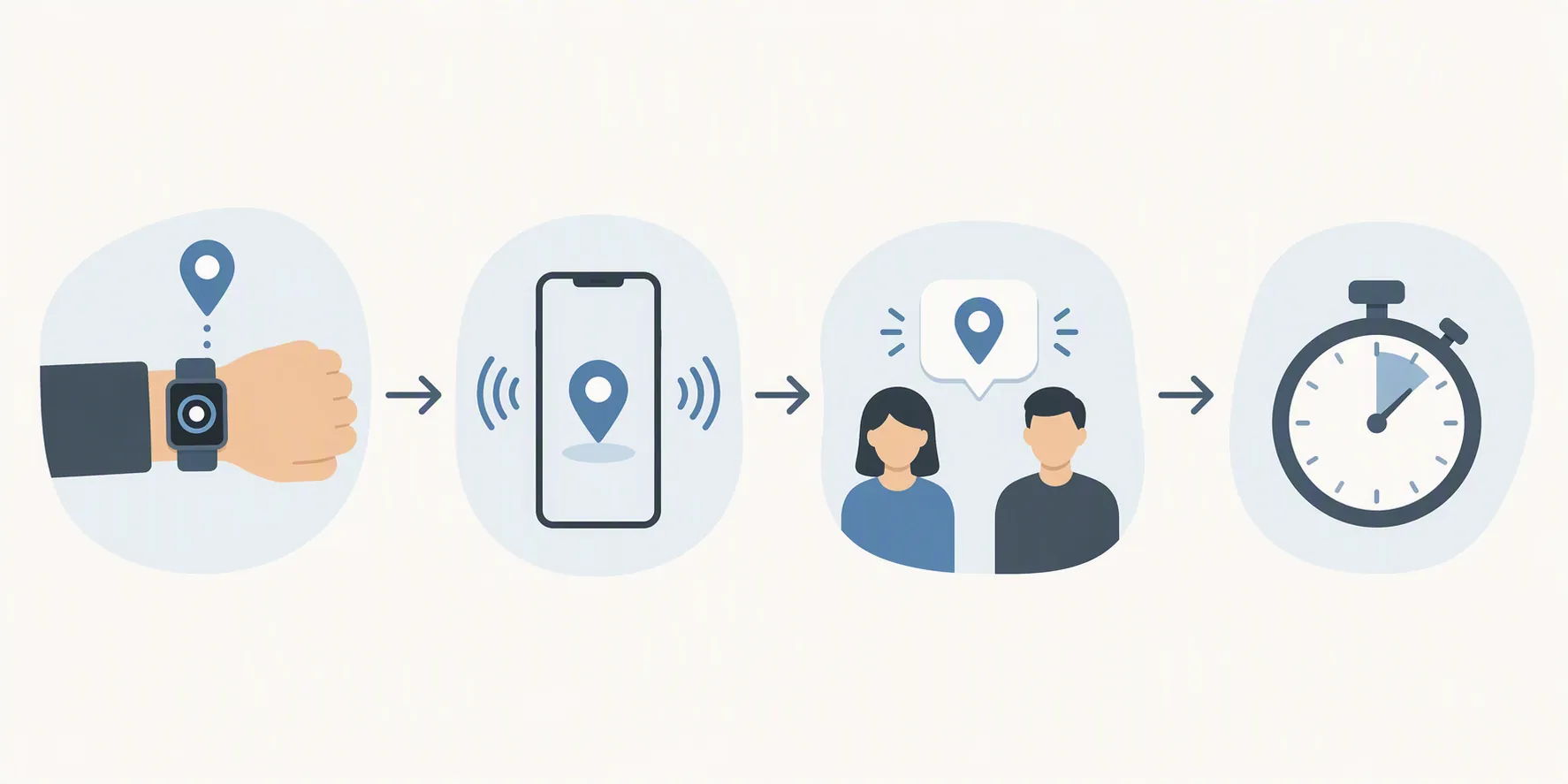
When the feature detects an event that meets Garmin's criteria, the workflow is roughly this:
- The Fenix 9 Pro detects a possible incident while the wearer is in a recorded timed GPS activity.
- The watch provides a 30-second window for the wearer to cancel the alert if it was triggered by mistake.
- If it is not canceled, Garmin sends the wearer's name and a live-location link to the emergency contacts configured in Garmin Connect.
- Those contacts, rather than a standard Garmin monitoring center or 911 dispatcher, are responsible for seeing the message and deciding what to do next.
That last step is easy to miss. An alert sent to a daughter, neighbor, or spouse is an unmonitored alert. It may be useful, but it is not the same service as a monitored medical-alert device in which a response center receives the alert and follows an established escalation process. Tech-enhanced Life uses this monitored-versus-unmonitored distinction as a central way to evaluate fall-detection systems. [6]
The practical question is not only whether the watch can send a message. It is whether the right person will see it. If the phone is charging in another room, the emergency contact is asleep, cellular service is unavailable, or the older adult falls in the kitchen before starting an activity, the intended safety chain may never begin. A watch can be on the wrist and still be the wrong tool for the situation.
The standard Fenix 9 Pro models do not call 911 automatically. Garmin's documentation and real-world reporting describe a contact-message workflow, not a guaranteed connection to emergency services. [3][4] Families should configure the contacts, test the process, and agree in advance about who checks on the wearer and who calls for help.
Why the Fenix 9 Pro still looks appealing
The safety limitation does not make the watch flimsy or ordinary. Garmin's launch materials describe the Fenix 9 Pro as the company's first Fenix with a full titanium case, an AMOLED display reaching up to 3,000 nits, and a starting US price of $1,099.99. Garmin states up to 31 days of battery life in smartwatch mode, or up to 57 days for a solar configuration. These are manufacturer claims at launch, not independently verified long-term results. [1]
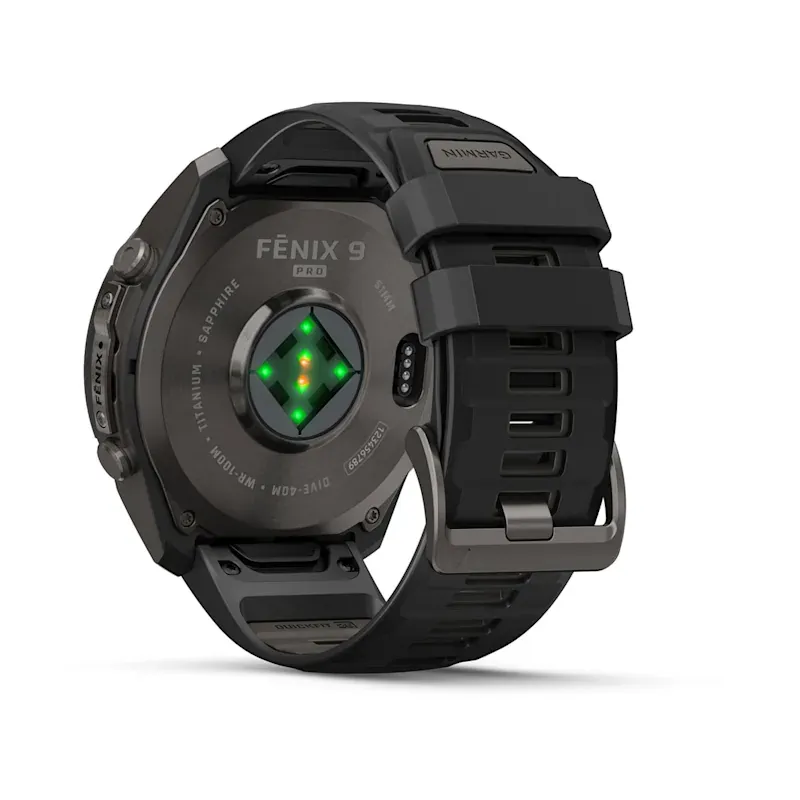
The available specifications also list a sapphire lens, MIL-STD-810 testing, a 10 ATM water rating, and a 40-meter dive rating under EN13319. Listed weights range from 62 grams for the 43 mm model to 99 grams for the 51 mm model. [2] For an older adult who regularly walks in bad weather, hikes, sweats through workouts, or forgets to charge a device every night, that combination has real value.
Battery life also changes the likelihood that the watch will actually be worn. A device left in a drawer because it needs nightly charging cannot provide activity tracking, health metrics, or any emergency feature. The Fenix's endurance is one of its strongest arguments for older adults who already want an outdoor-performance watch.
There is an important launch-day boundary around those advantages. The Fenix 9 Pro launched on August 25, 2026, so long-term durability reports and senior-specific usability testing are not yet available. The listed ratings and battery figures should be treated as documented product claims. Incident Detection information is based on Garmin's current requirements documentation and reporting about earlier Fenix behavior; Fenix 9 Pro-specific behavior, including how its newer hardware behaves in practice, still needs independent confirmation. Garmin's Fenix 9 Pro requirements page remains the appropriate place to check current inReach coverage and service limitations before purchase.
Which older adult is it actually for?
The strongest fit is an active older adult who wants a serious watch first and an emergency feature second. That person may walk or hike regularly, is willing to start and record a GPS activity, keeps a compatible phone nearby, and understands that chosen contacts receive the alert. The Fenix can then combine outdoor navigation, health metrics, long battery life, and a location message in one device without looking like a medical alert pendant.
The setup deserves a rehearsal. The wearer should practice wearing the watch securely, starting a timed activity, carrying the paired phone, and canceling a false trigger within the 30-second window. Emergency contacts should know what the message looks like and whether they can reach the wearer. A feature that exists only in a launch specification is not yet part of a household's response plan.
The inReach tier is a different proposition. Garmin says it adds phone-free LTE and satellite messaging and Interactive SOS through the 24/7 Garmin Response center when the required subscription is active. [1] That may suit a hiker who spends time beyond reliable phone coverage. It does not turn every indoor fall into a monitored fall-detection event, and satellite or cellular availability, subscription terms, and regional coverage still matter.
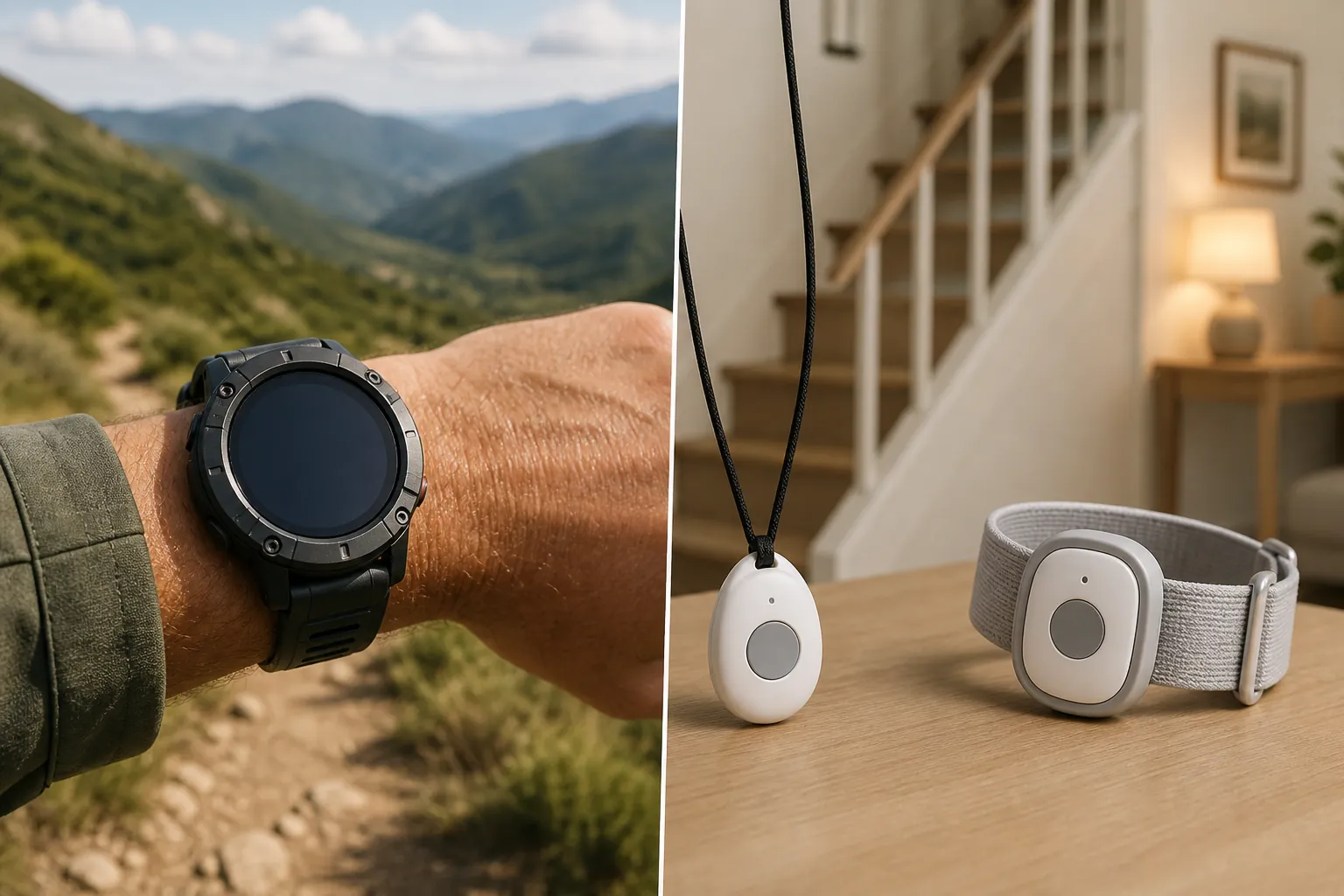
The poor fit is an older adult whose primary concern is a fall in the home, especially a softer fall that may not produce the kind of impact a smartwatch algorithm can recognize. NCOA's guidance notes that smartwatch-style fall detection can miss softer falls, which are a common concern for older adults, and recommends a dedicated monitored device for people at high fall risk. [5] That guidance is not a Fenix-specific efficacy study; there is no independent third-party fall-detection performance data for the Fenix 9 Pro in the materials available at launch. It does, however, describe why the category distinction matters.
A dedicated monitored medical-alert watch or pendant is usually the safer spend when the desired outcome is help after a fall at home. It is built around the response workflow rather than around recorded exercise. The right product still needs to be worn, charged, and tested, and no fall-detection system catches every event. But its service model is closer to what many families mean when they say they want an emergency alert.
The buying judgment
Buy the durable Garmin Fenix 9 Pro for an older adult who wants a rugged daily smartwatch, values long battery life, regularly records outdoor activities, and can maintain the phone or inReach setup its emergency features require. Its titanium construction, sapphire lens, water resistance, and endurance are meaningful benefits, particularly for someone who dislikes fragile or visibly medical devices.
Do not buy it as the primary protection for someone who may fall while moving around the house, getting out of bed, or bathing. In that situation, the Fenix 9 Pro's Incident Detection is supplemental at best. A dedicated monitored medical-alert watch or pendant addresses the central risk more directly.
References
- Garmin Expands Its Flagship Performance Smartwatch Lineup with fēnix 9 and fēnix 9 Pro — PRNewswire, August 25, 2026
- Garmin Fenix 9 Pro specifications — the5krunner
- Garmin Incident Detection IRL — Android Police
- What is Incident Detection? — Garmin Support
- Best Medical Alert Watches — National Council on Aging
- Best Fall Detection Watch: Hands-On Evaluation — Tech-enhanced Life
Questions to bring to a clinician or OT
This is not medical, legal, or a family's final decision — only a framework. Bring these questions to a clinician, occupational therapist, or your local Area Agency on Aging.
Find Local HelpRelated reading
Noticed something outdated or inaccurate on this page? Flag a correction. We review every report against CDC, NIA, and AARP HomeFit guidance before updating a page.