
Caregiver decision guide
Why Severe Thunderstorms Are Deadlier for Seniors After They Pass
New research shows that older adults face greater danger in the days and weeks after a severe thunderstorm than during the storm itself. This guide explains the hidden risks — from medical device failures to medication spoilage to carbon monoxide poisoning — and gives caregivers concrete steps to protect their loved ones after the sirens stop.
When the storm moves on, the risk does not
The worst moment for an older adult is often the one that looks calm: the thunder has moved east, the rain has thinned, and everyone else wants to call the night a win. That is exactly when severe thunderstorm safety for elderly people gets more serious, because the danger shifts from the sky to the home, the medications, the devices, and the person who still has to get through the next few days.
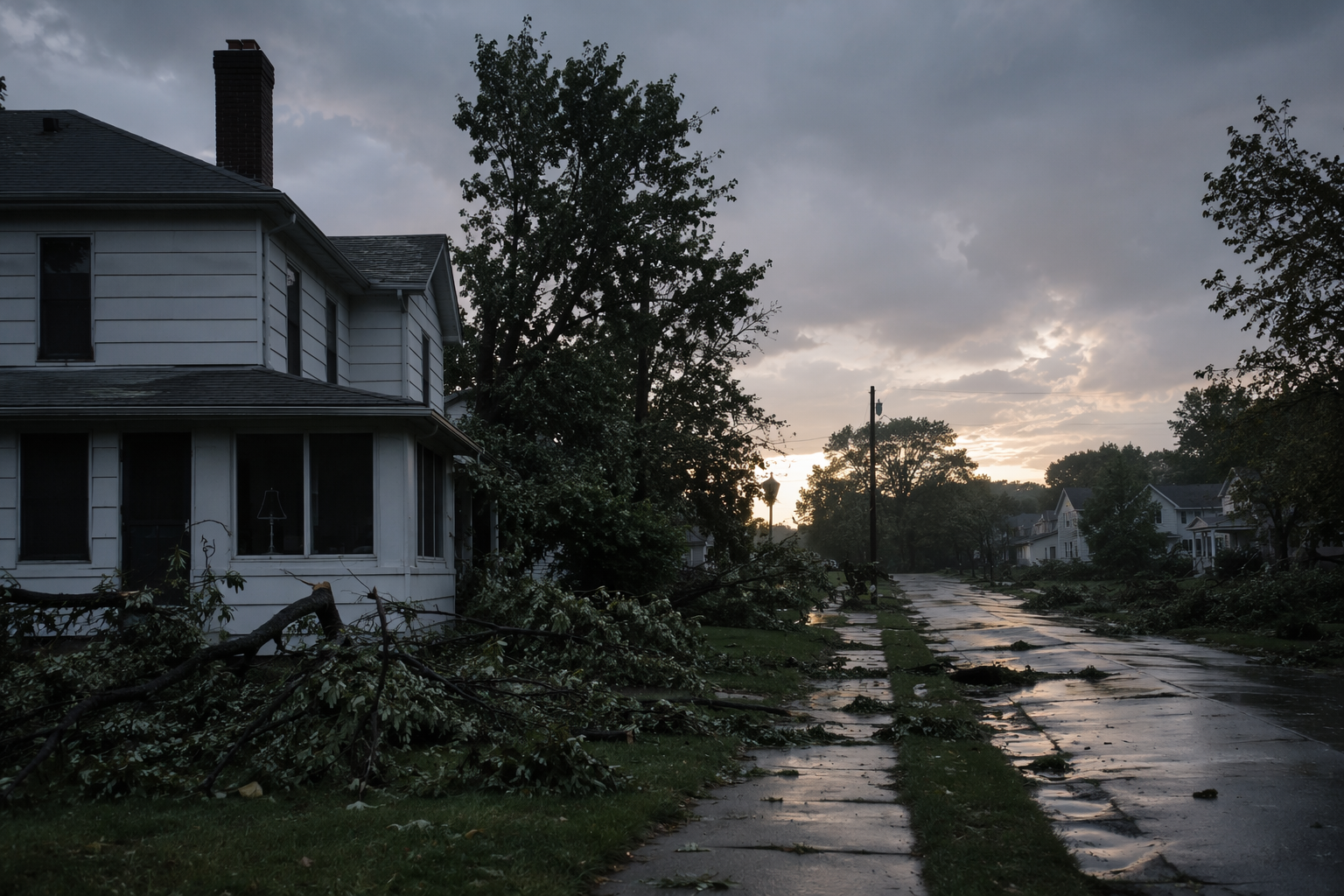
A January 2026 University of Michigan study, published in the Journal of the American Geriatrics Society and funded by the National Institute on Aging, found that older adults exposed to heavy rainfall from Hurricane Harvey faced a 3% increased risk of death in the following year, with an estimated 3,738 additional deaths among Medicare beneficiaries, far above the official 103 death toll. People with Alzheimer's disease or other dementias had the largest number of attributable deaths, 1,245, at a 5% higher risk [1].
That is not a thunderstorm death estimate, and it should not be read as one. It is evidence for the mechanism that matters here: once power, mobility, medication access, and social support are disrupted, the mortality risk can keep rising after the headline event is over [1]. Older adults are repeatedly overrepresented in climate-related disasters for the same reason, with AAMC noting that 75% of Hurricane Katrina deaths were among people 60 and older, 75% of Pacific Northwest heat wave deaths were among people 65 and older, and more than two-thirds of Lahaina wildfire victims were 60 and older [2].
What actually makes the aftermath dangerous
The pattern is blunt. Power failures interrupt oxygen concentrators, ventilators, CPAP machines, and dialysis routines. Refrigerated insulin and some antibiotics can lose integrity if the outage lasts long enough. Darkness, wet floors, broken branches, and furniture shifted by hurried movement make falls more likely. If a generator is used the wrong way, the cure can become a carbon monoxide emergency. If roads flood or the older adult is isolated, help arrives late.
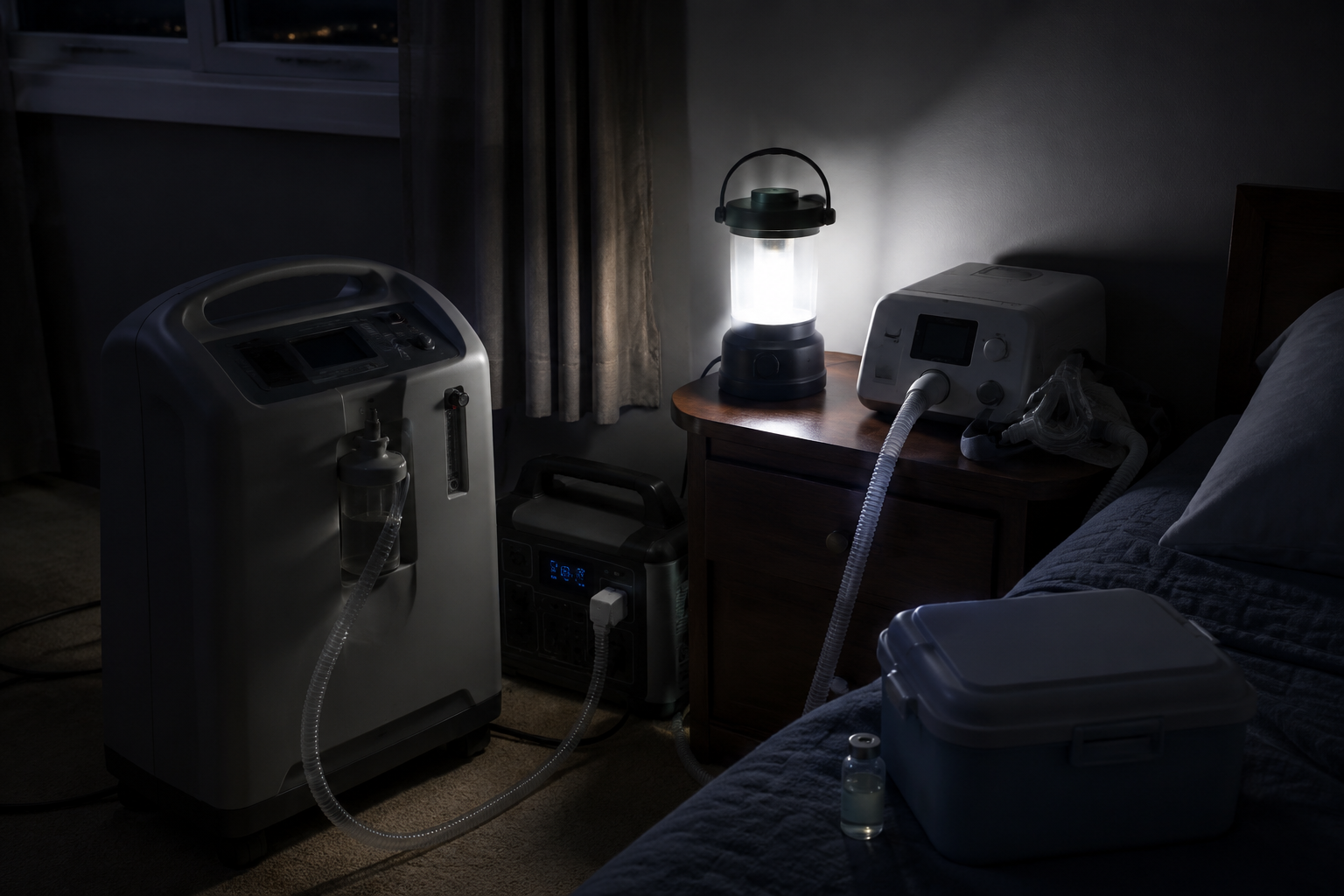
For caregivers, the first step is to treat every power-dependent piece of care as a continuity problem, not a convenience problem. Register with the utility company for medical-priority restoration if that option exists where you live, and keep enough backup battery capacity to run essential devices for at least 72 hours [3][4]. That is the difference between a night of inconvenience and a gap that can tip into an ER visit.
Medication needs the same kind of thinking. If insulin or another refrigerated medicine depends on a cold chain, decide now where it goes during an outage, who checks the temperature, and which cooler or ice packs are already waiting. The point is not to build a perfect pharmacy at home. It is to avoid discovering, at 2 a.m., that the medicine is warm, the stores are closed, and nobody can say whether it is still usable [4].
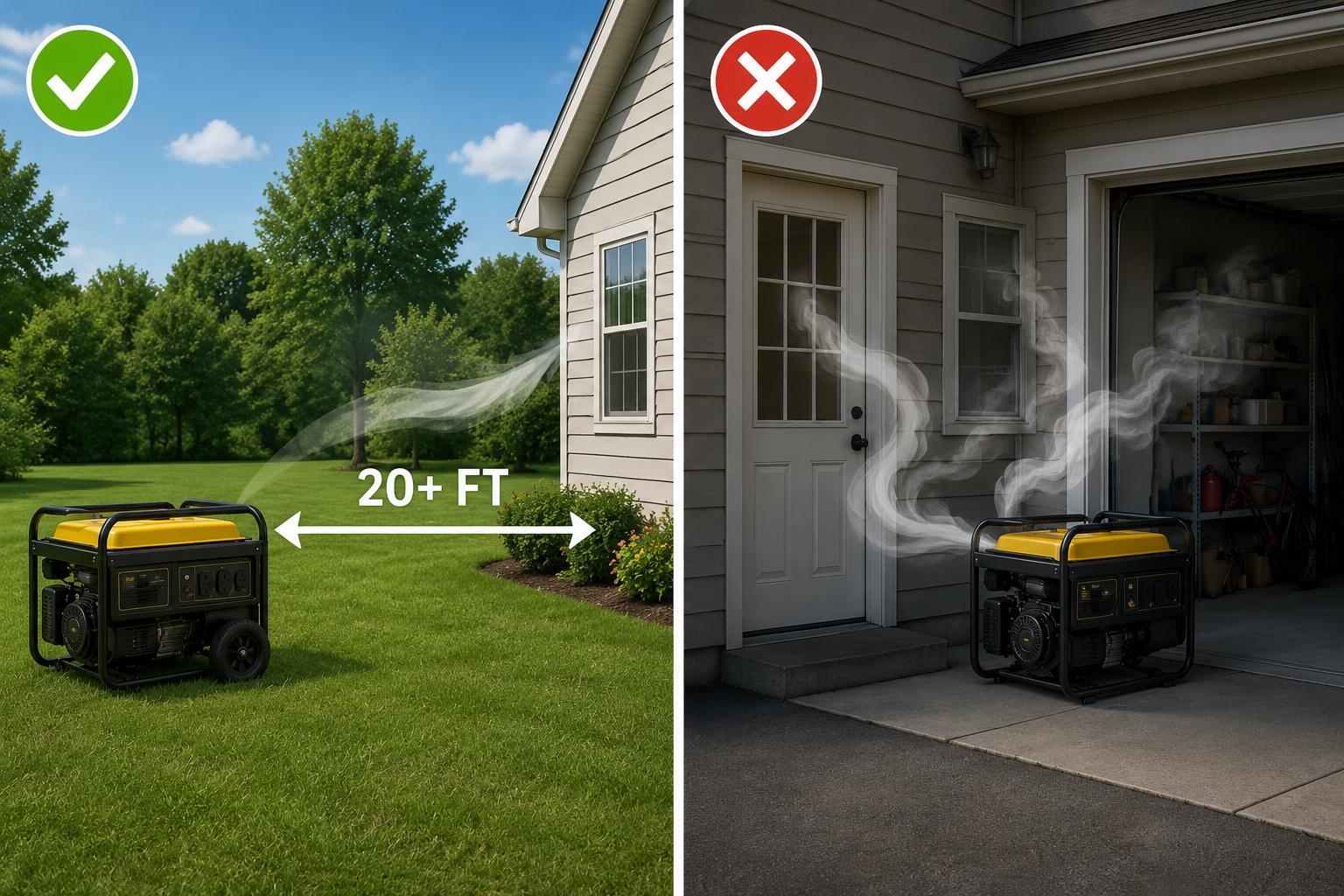
Generator safety is its own category because the mistake is so easy to make under stress. Generators, grills, and camp stoves must never be used indoors, and they need to stay well away from doors and windows, including the 20-foot distance recommended by safety guidance [3][5]. The caregiver job is not only to own a generator but to make sure the person on site knows where it goes, who starts it, and that the back door is not part of the exhaust path.
Falls are the other quiet hazard. After a storm, the house may look intact while the floor is slick, the hallway is darker than usual, branches are down, and a chair or rug has shifted just enough to trip someone with limited balance or slowed reaction time. The National Weather Service warns that downed branches, wet floors from flooding, darkness, and displaced objects combine into a high fall-risk environment for people who already move carefully [5].
Floodwater changes the decision tree too. The National Weather Service's "Turn Around Don't Drown" guidance is useful here because it gives caregivers a hard boundary: 12 inches of moving water can carry away a car, and 6 inches can knock over an adult [6]. That matters after the thunder has passed, when someone may be tempted to drive for groceries, a prescription, or a wellness check. If the route is flooded, the errand is no longer routine; it is a hazard.
A post-storm plan that matches real life
A useful severe thunderstorm plan for an elderly parent is not a pile of separate supplies. It is one system that keeps working when phones are dying, roads are blocked, pharmacies are closed, and the older adult is tired, confused, or alone.
| What can go wrong after the storm | What to set up now |
|---|---|
| The power stays out long enough to interrupt oxygen, CPAP, ventilator, or dialysis support | Keep a 72-hour battery plan, know how to switch devices to backup power, and register for medical-priority restoration if available [3][4] |
| Refrigerated medication warms up | Keep a cooler, ice packs, and a written storage plan ready for insulin and other temperature-sensitive medicines [4] |
| The generator creates a carbon monoxide emergency | Set the generator location before the storm, keep it outdoors and away from doors and windows, and make sure everyone in the household knows the rule [3][5] |
| Darkness, wet floors, and clutter turn the home into a fall trap | Clear paths in advance, keep flashlights where the older adult can reach them, and assume normal walking routes will be unsafe after the storm [5] |
| No one can figure out who is checking in or what medicines are due | Keep an emergency contact binder, a medication list, and backup phone numbers in one place that does not depend on a charged phone |
That last row is the one many families skip until they need it. A long-distance caregiver does not need a dramatic rescue plan so much as a boring, reliable one: who checks first, who calls the pharmacy, who can get into the house, who has the backup keys, and who will say out loud that the plan is no longer safe if the older adult is confused or the outage is stretching into a second day.
The same standard should govern when to go out. If the route is flooded, if power lines are down, if the older adult uses a walker and the porch is slick, or if the destination depends on an open pharmacy or an undelayed appointment, the trip may need to wait. The point of planning after the storm is to reduce the number of decisions made under pressure. The safer choice is often the one that keeps the older adult home, warm enough, medicated, and reachable until help is actually available.
For caregivers, the plan has to cover the days and weeks after the storm, when the devices still need power, the medicines still need cooling, the floor is still slippery, and someone still has to answer the phone.
References
- Severe weather is deadly for vulnerable older adults long after the storm ends, study finds. University of Michigan News, January 2026.
- Why older adults are especially vulnerable to climate change. AAMC.
- Older Adults. Ready.gov.
- Prepare for Emergencies: Older Adults. American Red Cross.
- Thunderstorm Safety After a Storm. National Weather Service.
- Flood Safety. National Weather Service.
Questions to bring to a clinician or OT
This is not medical, legal, or a family's final decision — only a framework. Bring these questions to a clinician, occupational therapist, or your local Area Agency on Aging.
Find Local HelpRelated reading
Noticed something outdated or inaccurate on this page? Flag a correction. We review every report against CDC, NIA, and AARP HomeFit guidance before updating a page.