
STEADI: Intervene
Hand Warmer Safety Checklist for Older Adults
A caregiver's step-by-step safety checklist for using hand warmers with older adults — covering recall checks, barrier protection, session time limits, skin monitoring, and burn first aid. Anchored to the July 2026 OCOOPA recall and the unique risk of painless low-temperature burns on aging skin.
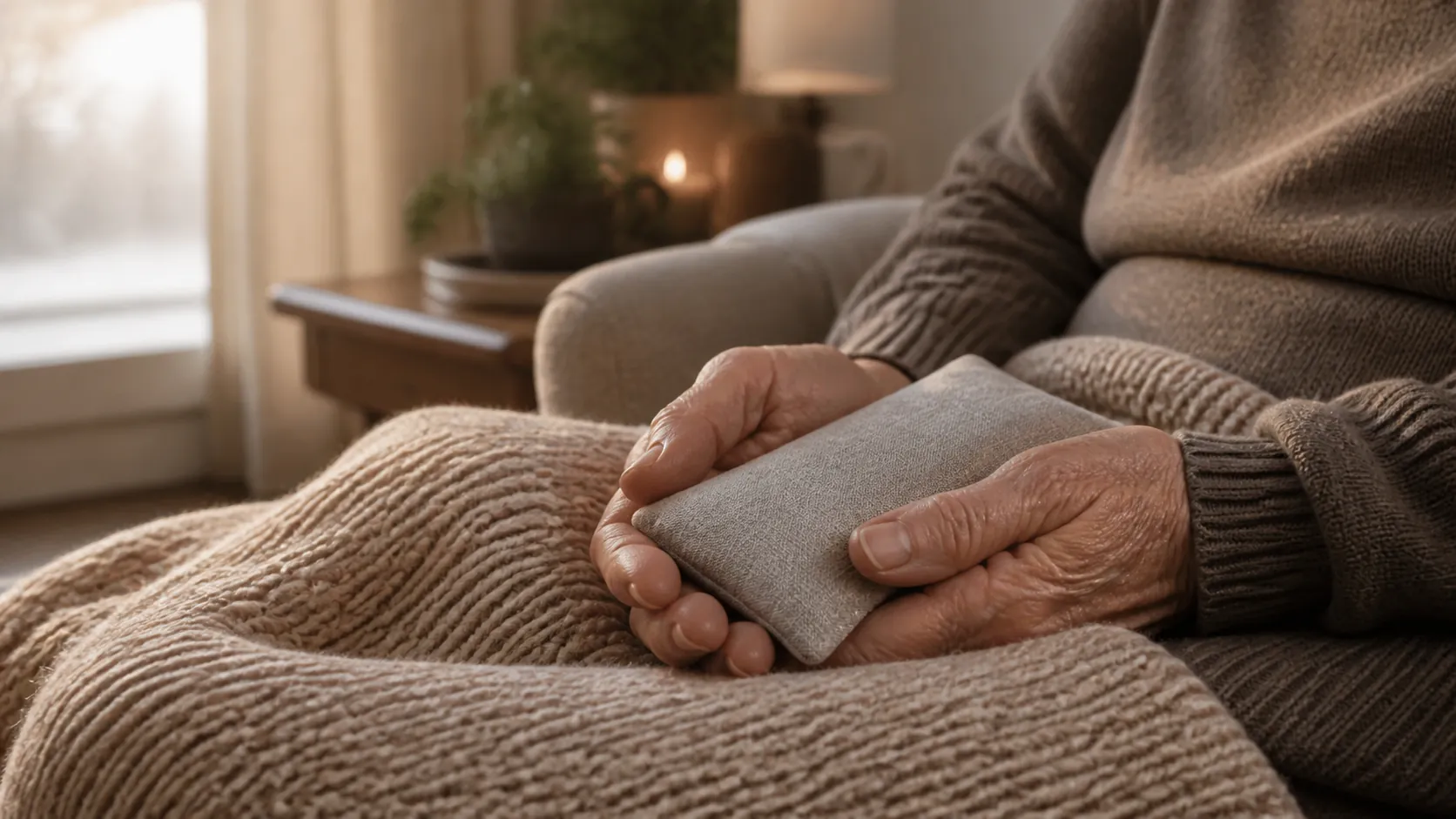
If you are standing in the hallway with a hand warmer in one hand and your mother’s coat in the other, the first question is not whether the device feels pleasant. The question is whether it can be used safely right now.
Hand warmer safety tips for older adults have to start with one uncomfortable fact: aging skin may not send a clear danger signal before heat has already done damage. A warmer can feel merely cozy, especially through a glove or pocket, while the same spot of skin is being heated too long.
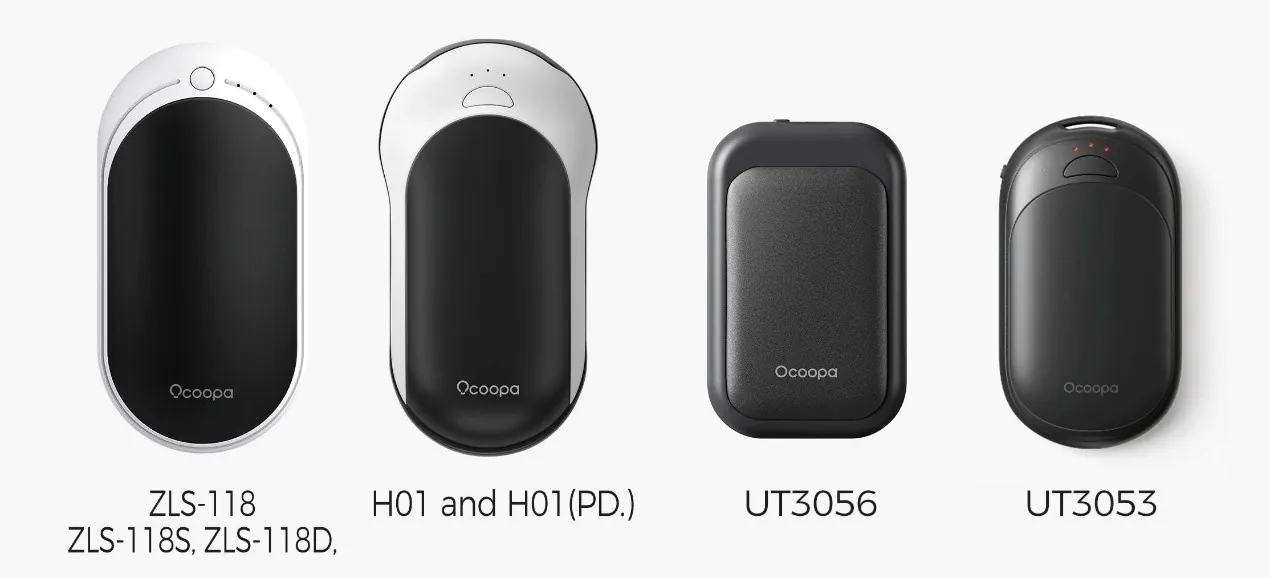
There is also a device-specific reason to stop and check. On July 30, 2026, the U.S. Consumer Product Safety Commission announced a recall of about 1.5 million OCOOPA rechargeable hand warmers, naming models UT3053, UT3056, ZLS-118, ZLS-118S, ZLS-118D, H01, and H01(PD). The notice reported 1,480 overheating reports, 15 fires, 350 burn injuries, and the death of an 83-year-old San Diego consumer in February 2026. Those model names and figures should be treated as the CPSC notice as of that date, not as a forever-complete list; before using any rechargeable warmer, check the current recall status through CPSC and SaferProducts rather than relying only on a model list saved in an article. [1]
This checklist is caregiver safety education, not a medical diagnosis or a substitute for care from a clinician. If an older adult has diabetes, poor circulation, reduced sensation, fragile skin, cognitive impairment, or a history of burns, treat hand warmers as supervised equipment, not as a casual comfort item.
The four checks before any warmer goes in a pocket
A safe routine is simple enough to do when everyone is tired. Do these four things in this order:
| Caregiver question | Safe answer before use | If the answer is no |
|---|---|---|
| Is this device cleared against current recall information? | The model, label, or purchase record does not match an active recall. | Do not charge it, heat it, or hand it over. Remove it from use and follow the recall instructions. |
| Is there a cloth or pocket barrier? | The warmer will not touch bare skin. | Add a sleeve, cloth pouch, mitten layer, or coat pocket barrier before use. |
| Is there a hard stop time? | Someone has named the time when the warmer comes out. | Do not start. A vague “just for a little while” is how exposure gets extended. |
| Will someone check the skin? | A caregiver or capable older adult will look at the skin during and after use. | Do not use it unsupervised, especially for someone with reduced sensation or memory problems. |
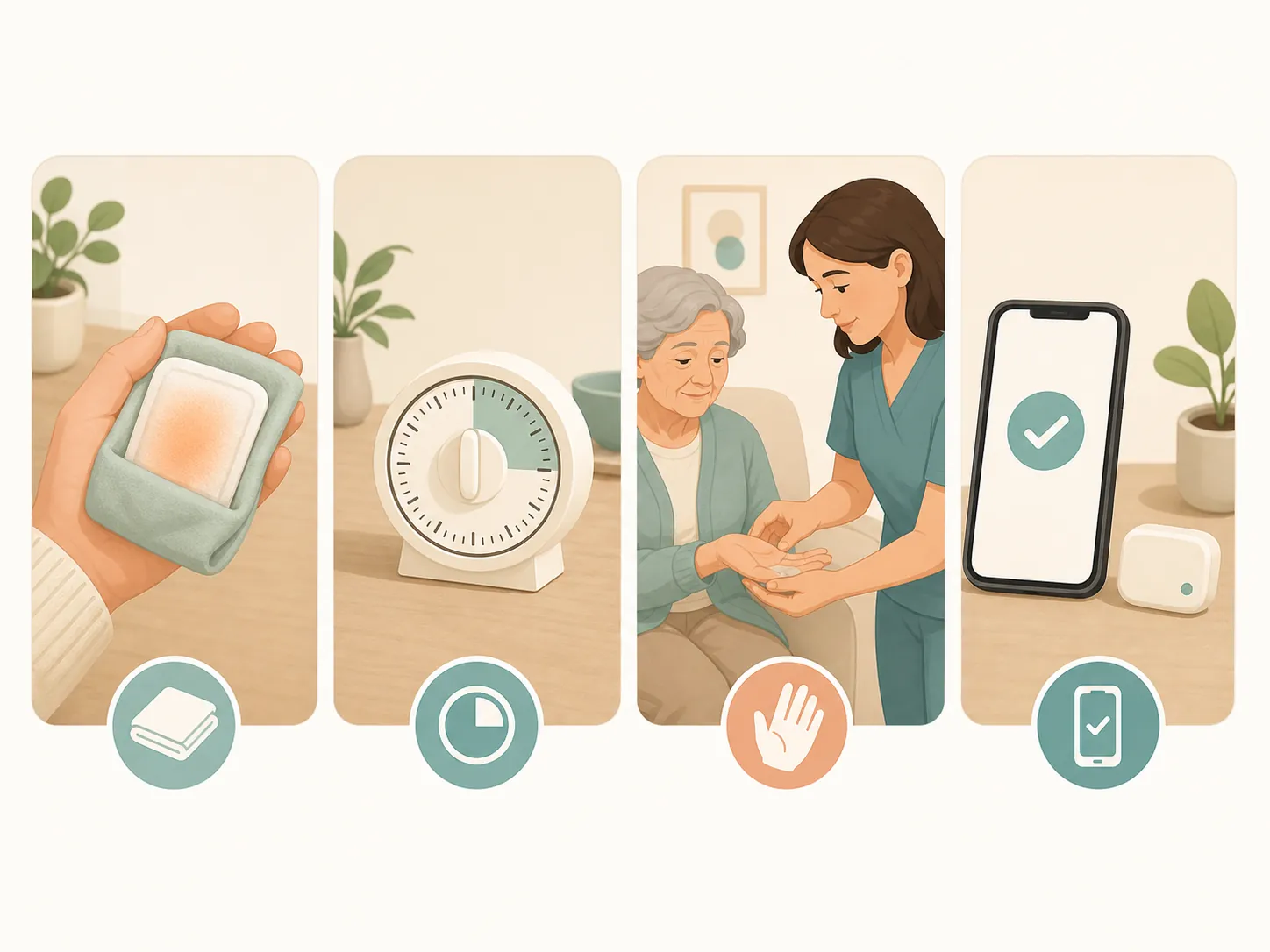
That sequence matters. A timer does not fix a recalled device. A recalled-device check does not make bare-skin contact safe. A cloth pouch does not replace a skin check. Each guard covers a different failure.
Check the device before you check the temperature
For rechargeable hand warmers, the model check belongs before charging and before use. Look for the model number on the device, packaging, order history, instruction booklet, or product listing. If you cannot identify the model, treat that as a reason to pause, not as permission to guess.
If the warmer matches a recalled model, stop using it even if it has behaved normally so far. Do not run one more errand with it, do not give it to another family member, and do not leave it in the older adult’s coat “just in case.” The whole point of a recall check is to remove the device before the failure happens in a lap, pocket, bed, car, or walker bag.
This is especially important in homes where winter items live in drawers for months. A hand warmer can reappear with mittens, scarves, and holiday decorations, long after anyone remembers the brand name. Make the recall lookup part of the seasonal setup, the same way you would check batteries in a smoke alarm or replace a cracked cane tip.
Why “it only feels warm” is not enough
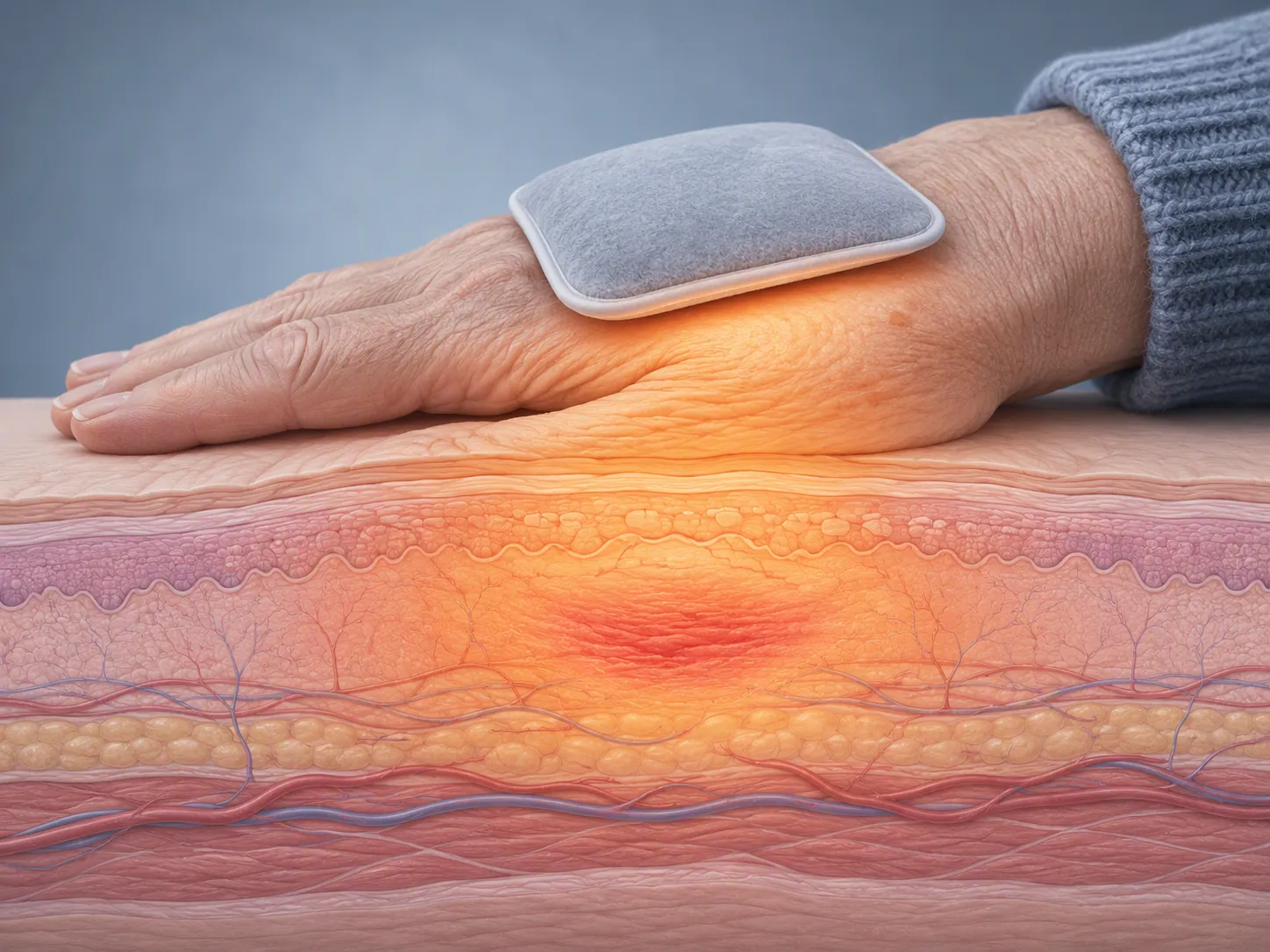
Low-temperature burns are the problem caregivers often underestimate. A Taipei Times report quoted a dermatologist warning that heat around 45°C, or 113°F, held against skin for 15 to 20 minutes can cause a burn, and named older adults as a higher-risk group. That point should be used as expert-reported guidance, not as a universal threshold or a promise that anything cooler is safe. Skin condition, sensation, circulation, pressure, moisture, and exposure time all matter. [2]
Manufacturer cautions point in the same direction, though they should not be treated as independent clinical evidence. HotHands’ FAQ has cautioned that people with sensitive skin, including children, people with diabetes, and older adults, may react to disposable warmers; the full FAQ wording could not be re-verified from the available page text, so it is best used only as secondary confirmation of a basic rule: older skin deserves a barrier and supervision. [3]
The lived caregiver fear is familiar. In an AgingCare discussion about an older adult who was always cold, one caregiver warned that “it is VERY easy to burn someone before you or they even know.” That is not clinical proof, but it is the sentence many families recognize after caring for someone who does not reliably feel heat, pain, or discomfort. [4]
Set up the barrier before the warmer is activated
The safer setup is boring by design: warmer, cloth barrier, hand, timer. Do not put the warmer directly against the palm, the back of the hand, the wrist, the forearm, or any patch of skin that is numb, thin, bruised, swollen, or recently injured.
- Use a fabric pouch, cloth sleeve, mitten layer, or coat pocket as the barrier.
- Keep the warmer loose enough that the older adult can move it away easily.
- Do not trap the warmer under body weight, tight gloves, compression wraps, or blankets.
- Do not use a hand warmer in bed for an older adult who may fall asleep with it.
- Do not place it inside a sock, shoe, sleeve, or brace where skin checks are delayed or awkward.
The barrier is not there to make the warmer hotter or to “hold in” heat. It is there to prevent one small surface from cooking the same patch of skin. If the older adult says the barrier makes it feel less warm, add safer whole-body warmth first — another clothing layer, warmer room temperature, a lap blanket that does not contain a heater — before allowing longer direct heat exposure.
Use a timer as a hard stop, not a reminder
Before the warmer goes into a pocket or mitten, say the stop time out loud. “This comes out when the timer rings” is better than “Use it for a bit.” If you are supervising more than one task — shoes, medications, the car, a walker, a door lock — use a kitchen timer or phone alarm that interrupts you.
Do not use the package’s advertised runtime as a skin-exposure allowance. A device that can stay warm for a long outing is not automatically safe against one older person’s palm for that whole time. The timer’s job is to force a pause while the warmer still feels harmless.
When the timer rings, the warmer comes out. Then the hand is checked. If everything looks normal and the older adult still needs warmth, begin a new supervised session only after you have reset the barrier, reset the timer, and confirmed the skin still looks normal. Do not let one session quietly become three because no one wanted to interrupt a peaceful afternoon.
Make the skin check ordinary
A skin check should not feel like an emergency inspection. It should feel like tying a shoe or checking whether a coat zipper is caught. Ask the older adult to open both hands, turn them over, and show the area that was closest to the warmer.
- Look for redness that does not fade after the warmer is removed.
- Look for a sharply shaped mark that matches the warmer, pouch, or pocket seam.
- Check for blisters, shiny skin, swelling, peeling, or a pale or grayish area.
- Ask about new tenderness, stinging, numbness, or a strange “tight” feeling.
- Compare both hands if you are unsure what is normal for that person.
For an older adult with reduced sensation, do not rely on the answer “it doesn’t hurt.” That may be true and still not reassuring. Look. If the person is embarrassed by supervision, keep the routine calm and predictable: “I’m checking the skin, not checking up on you.”
Check again after use
Some marks are easier to notice after the warmer has been away from the skin for a while. Build in a second look later the same day, especially after a car ride, outdoor appointment, religious service, winter walk, or any event where the warmer stayed tucked away and out of sight.
If the older adult lives alone, the routine needs to be even simpler. Use only a barrier that is always attached to the warmer. Keep the timer in the same drawer. Put a note with the warmer that says, in plain language, to remove it when the alarm rings and look at the skin. If that is not realistic for the person’s memory, vision, or hand function, the safer answer is supervised use only.
When to stop immediately
Stop the session at once if the warmer feels hot to you, smells unusual, changes shape, leaks, smokes, scorches fabric, shuts off unpredictably, or cannot be turned off quickly. Stop if the older adult becomes confused about where the warmer is, puts it under a blanket, or falls asleep with it.
Also stop if the skin looks wrong, even if the older adult says it feels fine. Remove the warmer, keep it away from the person, and do not “test it one more time” on another patch of skin.
Burn first aid: keep it exact
For a minor burn, Mayo Clinic advises cooling the burn under cool running water for about 10 minutes. Do not use ice. Mayo also notes that older adults may need emergency care even for minor burns, which is the part caregivers should not wave away when the injury is on an aging hand. [5]
- Remove the warmer and stop the heat source.
- Run cool, not icy, water over the burn for about 10 minutes.
- Do not apply ice.
- Call a clinician, urgent care, or emergency services if you are unsure, if the burn is blistering or worsening, or if the older adult is medically fragile.
The caregiver’s job is not to grade the burn perfectly at the kitchen sink. It is to stop the heat, cool the skin correctly, avoid making it worse, and get medical help when the situation is beyond a simple home response.
If the person is always cold, widen the plan
A hand warmer can help with a cold walk to the mailbox or a short wait in a chilly car. It should not become the main answer to a house that is too cold or to an older adult who is cold all day.
The National Institute on Aging advises keeping indoor heat at 68°F to 70°F for older adults and warns that homes kept at 60°F to 65°F can lead to hypothermia in older people. If someone is constantly reaching for heat packs indoors, check the room temperature, clothing layers, drafts, hydration, nutrition, medications, and medical conditions instead of extending heat exposure against fragile skin. [6]
Cold hands can also make buttons, keys, walkers, canes, and door handles harder to manage. That matters for independence and fall prevention, but it still does not justify leaving a warmer pressed against one spot of skin. Warm the person more safely first; use the hand warmer as a monitored tool second.
Hand warmers are not banned for older adults. They are simply never a set-it-and-forget-it comfort item. Check the recall status, add the barrier, set the hard stop, and look at the skin before anyone relaxes.
References
- OCOOPA Direct Recalls 1.5 Million Rechargeable Hand Warmers Due to Risk of Serious Injury or Death from Fire and Burn Hazards; One Death Reported; Imported by Shenzhen Street Cat Technology — U.S. Consumer Product Safety Commission, July 30, 2026.
- Doctor warns public of ‘low-temperature burns’ — Taipei Times, January 7, 2023.
- Contact & FAQ — HotHands.
- My father 92 is in assisted living. He is always cold even with the heat up — AgingCare.
- First aid: Burns — Mayo Clinic.
- Cold Weather Safety for Older Adults — National Institute on Aging.
Related reading
Noticed something outdated or inaccurate on this page? Flag a correction. We review every report against CDC, NIA, and AARP HomeFit guidance before updating a page.
Part of the Fall Prevention section.