
STEADI: Intervene
Are Your Eggs in the Salmonella Recall?
The July 2026 Salmonella egg recall has many seniors and caregivers wondering whether the eggs in their refrigerator are safe. This guide explains how to verify the carton's plant and date codes in seconds, then safely return or dispose of affected eggs, clean everything they touched, and recognize symptoms that mean calling a doctor.
Start with the side panel of the carton
Take the egg carton out of the refrigerator and turn it to the side panel with the printed plant and date codes. Do this before deciding by brand name, store name, egg color, or memory. For this July 2026 recall, the FDA identifiers to check are plant code P-1950 or 0840962, Julian dates 157 through 184, and sell-by or best-by dates July 20 through August 17, 2026.[1]
| Where to look | Recalled identifier | What to do |
|---|---|---|
| Plant code on the carton side panel | P-1950 or 0840962 | Keep checking the date code. A matching plant code is not the whole test by itself. |
| Julian date on the same printed area | 157 through 184 | If the plant code also matches, treat the eggs as recalled. |
| Sell-by or best-by date | July 20 through August 17, 2026 | Use this as a supporting check, especially when the Julian date is hard to read. |
The practical check starts here: find the code, compare the code, then act. If the carton does not have one of the recalled plant codes and the recalled date range, it is not identified by the FDA as part of this recall. If the print is faint, use a phone flashlight or take a close-up photo and zoom in. Do not make someone read tiny gray numbers in refrigerator light if there is an easier way.
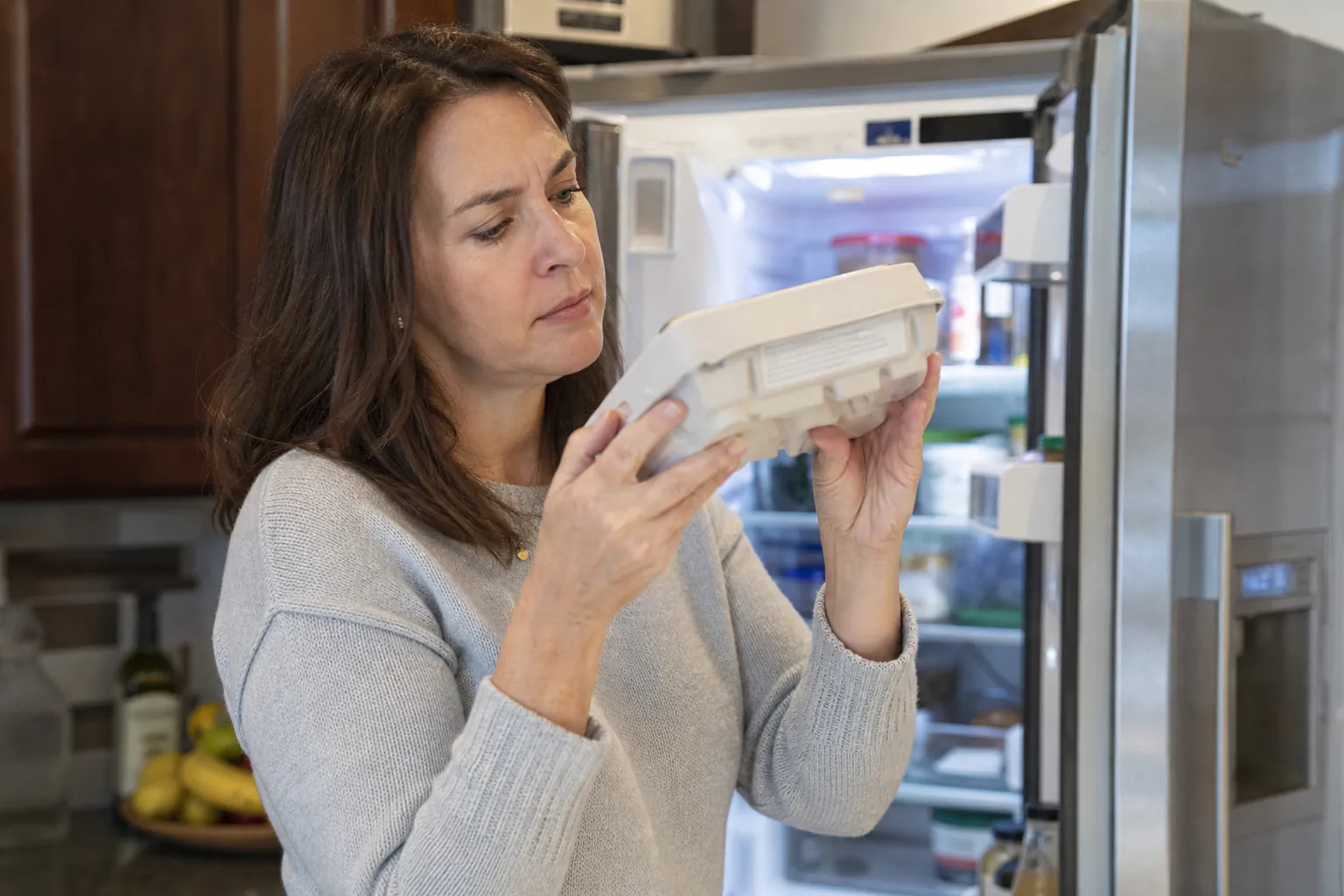
Brand names help narrow the search, but they should not be used as the final answer. Eggs get repacked into refrigerator trays, split between households, or moved into bowls. The carton code is the part that removes guessing.
If the original carton is gone
If the eggs are loose in a refrigerator tray, sitting in a bowl, or stored in a container without the original packaging, and you cannot confirm whether they came from an affected carton, throw them away. The FDA’s instruction is not to debate unmarked eggs: if the original packaging is unavailable and the eggs cannot be confirmed, they should be discarded.[1]
Do not try to identify recalled eggs by shell color, size, smell, or whether they look clean. Those checks cannot replace the carton codes. If a senior does not want to waste groceries, write down the reason plainly: “Carton missing; recall status cannot be confirmed.” That is enough.
What this recall covers
Midwest Poultry Services, L.P. recalled 1,589,577 dozen shell eggs due to possible Salmonella Enteritidis contamination. The recalled eggs were produced in Texas from June 6 through July 3, 2026, and were sold with sell-by or best-by dates from July 20 through August 17, 2026.[2]
The FDA recall announcement lists the affected brands as Country Morning, Cal-Maine Sunups, Brookshire’s, Simple Truth, and Kroger. The eggs were distributed in Texas, Oklahoma, Louisiana, Arkansas, Mississippi, and New Mexico.[2]
That context is useful if you are checking a parent’s refrigerator after a shopping trip in one of those states. It still does not replace the side-panel test. A carton with a familiar grocery label is not automatically safe or unsafe until the code is checked.
If the codes match, do this in order
- Do not eat the eggs. Do not serve them to anyone else in the household.
- Keep the carton or take a photo of the side-panel codes if you may return the eggs to the store.
- Return the recalled eggs if the store is accepting returns, or throw them away where no one will retrieve them.
- If any eggs were moved out of the carton into a tray or bowl, treat those eggs the same way.
- Wash items and surfaces that touched the recalled eggs with hot soapy water, or run dishwasher-safe items through the dishwasher, as the CDC advises.[3]
The cleaning step is where people often stop too soon. Check the refrigerator shelf, egg tray, drawer lip, counter, reusable grocery bag, and any bowl or container used to hold the eggs. If a cracked egg leaked, remove the shelf or bin if you can do so safely, wash it with hot soapy water, rinse it, dry it, and put it back. Dishwasher-safe pieces can go through the dishwasher.[3]
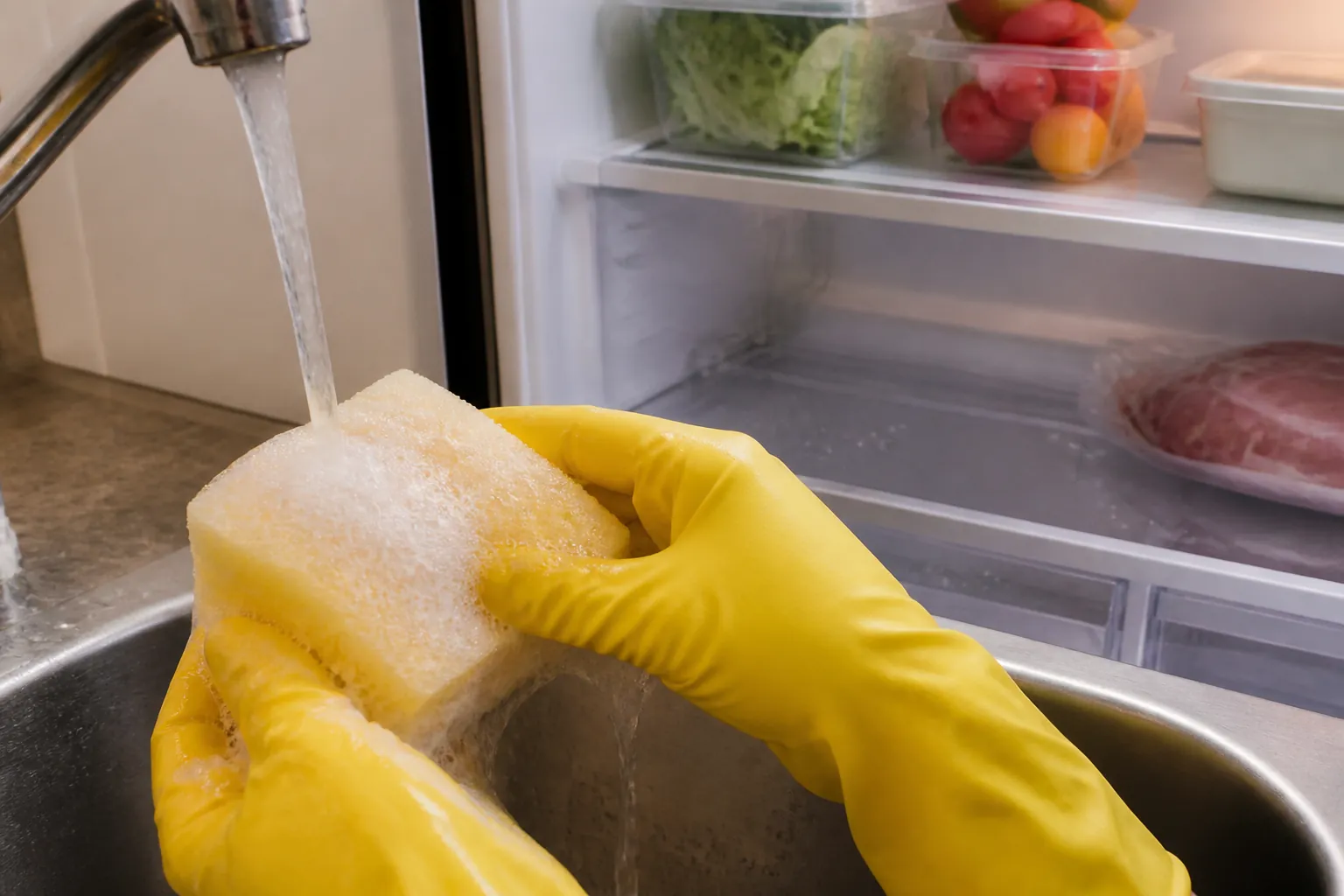
After the eggs are gone, wash your hands. Then make the refrigerator easy to understand for the next person who opens it: no loose questionable eggs, no half-empty recalled carton, no mystery bowl on the shelf.
If someone already ate the eggs
First, write down when the eggs were eaten, if you know. Salmonella symptoms can begin 6 hours to 6 days after exposure, and illness often lasts 4 to 7 days.[4][5] That window matters because it tells the household how long to watch without turning every stomach complaint into a panic.
Call a doctor if any of these CDC-listed warning signs appear:[3]
- Diarrhea with a fever above 102°F.
- Diarrhea lasting more than 2 days without improvement.
- Bloody diarrhea.
- Vomiting so severe that liquids cannot be kept down.
- Signs of dehydration, including not peeing much, dry mouth or throat, or dizziness when standing.
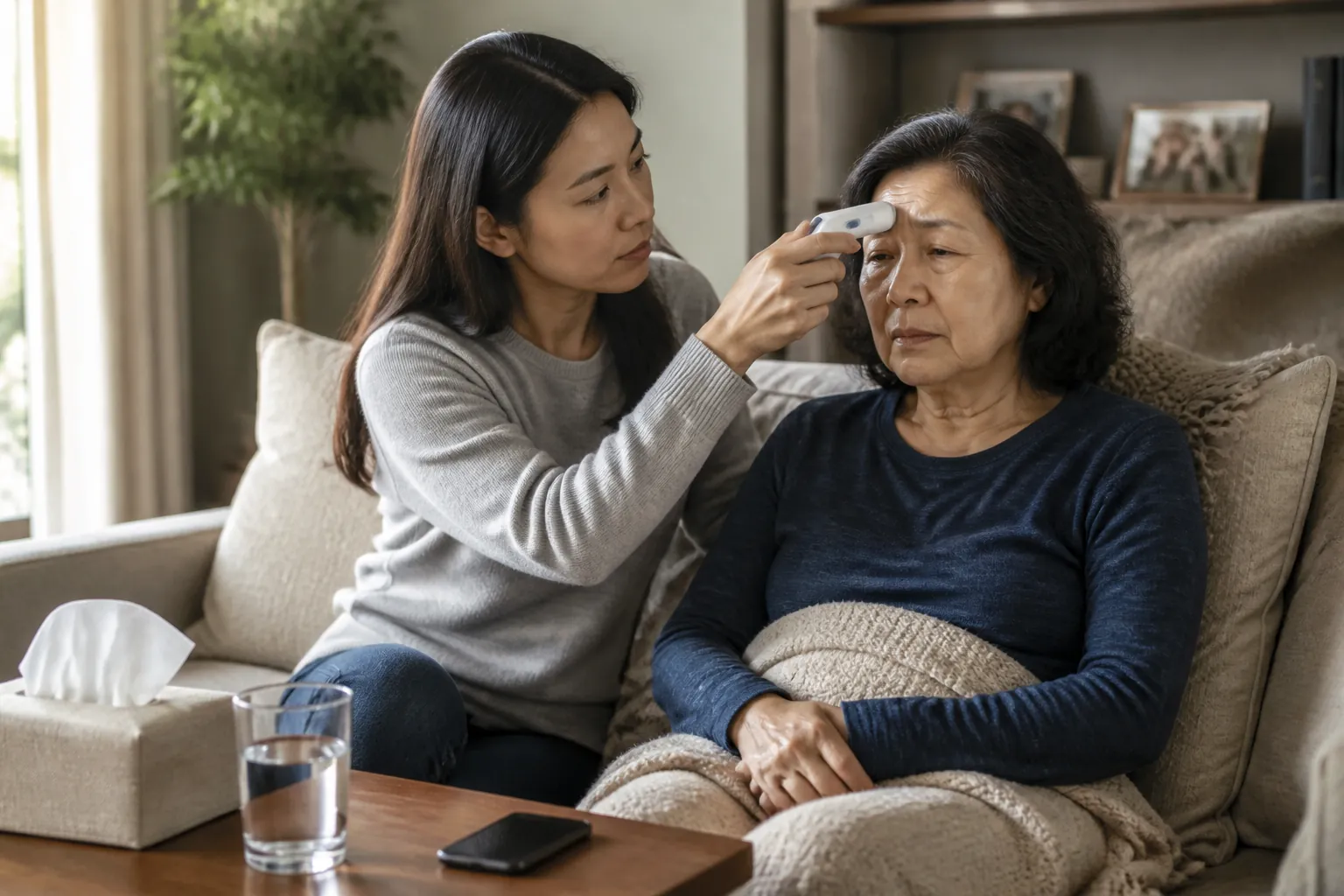
If none of those signs are present, keep the timing note somewhere visible and continue watching during the symptom window. If a warning sign appears, the person seems unusually weak, or you are unsure what you are seeing, call a clinician or medical advice line rather than waiting for the situation to become clearer.
When you can stop checking
You are done if the carton code has been checked and does not match the FDA recall identifiers. Put the eggs back and move on.
If the carton matched, or if the eggs could not be verified because the packaging was missing, you are done when the eggs are out of the refrigerator, the surfaces and items they touched have been washed, and the household knows which symptoms would mean calling a doctor.
References
Related reading
Noticed something outdated or inaccurate on this page? Flag a correction. We review every report against CDC, NIA, and AARP HomeFit guidance before updating a page.
Part of the Fall Prevention section.