
STEADI: intervene
What Seniors Should Know About the Frozen Blueberry Recall
Recalled Publix GreenWise organic frozen blueberries and mixed berries may still be in home freezers, with best-by dates running into 2028. This guide helps seniors and caregivers run a 10-minute exact-match check of the four recalled UPCs, discard or return a matching bag safely, and recognize the symptoms that warrant medical care.
Last verified: August 25, 2026. This guide is educational and is not a substitute for medical advice. Clinical language around symptoms was reviewed by Denise Alvarez, RN, BSN, a geriatric nursing reviewer; if symptoms are severe or you are unsure what to do for an older adult, contact a clinician or seek care.
If there is a Publix GreenWise Organic Whole Blueberries or GreenWise Organic Whole Mixed Berries bag in the freezer, take it out before anyone eats from it again. The recall is for potential E. coli O145:H28 contamination, not hepatitis A, and Publix’s FDA-posted recall notice tells consumers not to eat the recalled products and to discard them or return them for a full refund. [1]
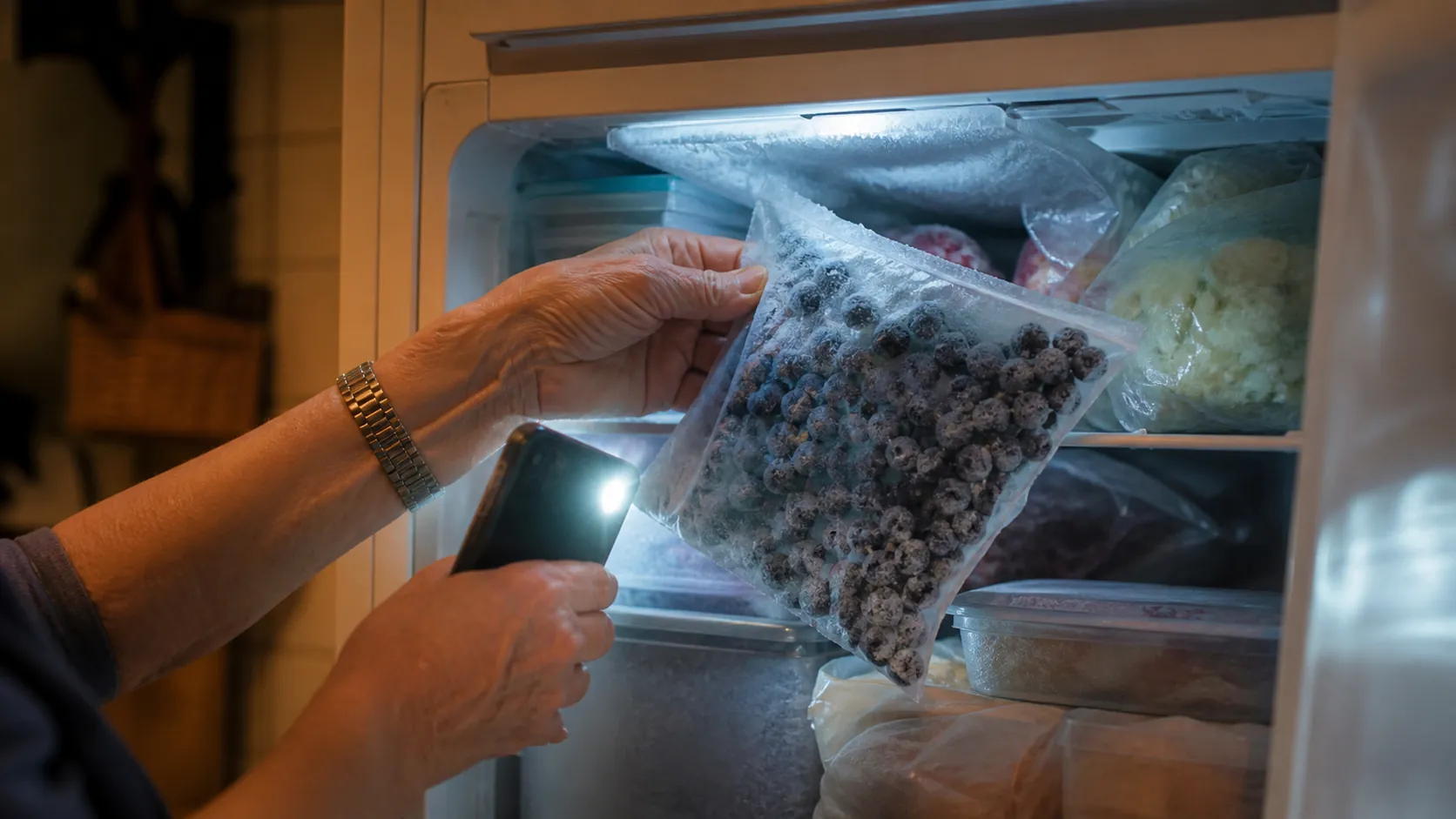
Start with the bag in your hand
This is not a recall where “frozen blueberries” as a whole category should be treated as unsafe. Recalls are an exact-match task: brand, product name, size, UPC, lot or date language, and other identifiers matter. FoodSafety.gov advises checking the recalled product details against the food you have, rather than relying on a general memory of what was purchased. [2]
For an older adult, that exactness protects two things at once: safety and the grocery budget. A matching bag should come out of the food supply. A different brand, a different UPC, or a product that does not match the recalled identifiers is not part of this recall.
Use a phone flashlight, reading glasses, and a dry towel if the bag is frosted over. If the freezer is low, crowded, or hard to reach, it is safer for a caregiver or another steady helper to bring the bag to the counter than for someone with balance problems to crouch and sort through frozen food for several minutes.
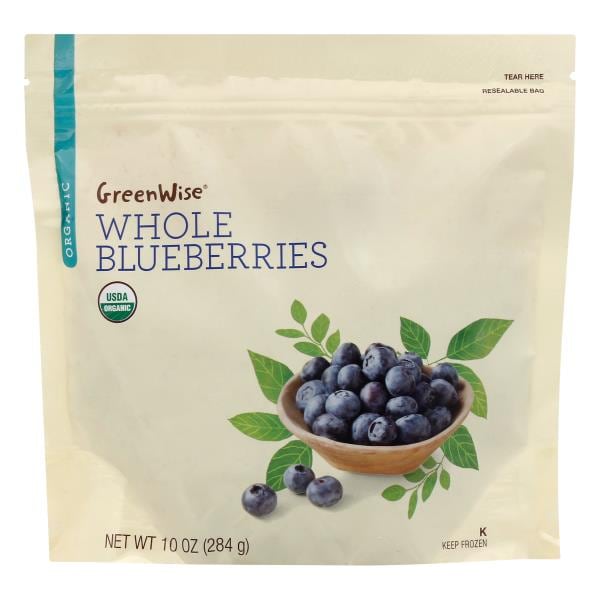
The 10-minute exact-match freezer check
Check only the Publix GreenWise frozen berry products below. The FDA-posted Publix notice names GreenWise Organic Whole Blueberries and GreenWise Organic Whole Mixed Berries in 10-ounce and 48-ounce packages, with the following four UPCs. [1]
| Product name on bag | Package size | UPC to match |
|---|---|---|
| GreenWise Organic Whole Blueberries | 10 oz | 41415-06453 |
| GreenWise Organic Whole Blueberries | 48 oz | 41415-12053 |
| GreenWise Organic Whole Mixed Berries | 10 oz | 41415-06753 |
| GreenWise Organic Whole Mixed Berries | 48 oz | 41415-12153 |
The supplier recall began with lot 60401, best by February 9, 2028, on July 3, 2026. Publix later expanded the recall on July 29, 2026, to all lots of the listed GreenWise organic frozen blueberry and mixed berry products. [3]
That best-by date is the reason this check still matters. A frozen bag bought weeks or months ago can sit behind peas, ice packs, and half-used smoothie ingredients long after the store shelf has changed.
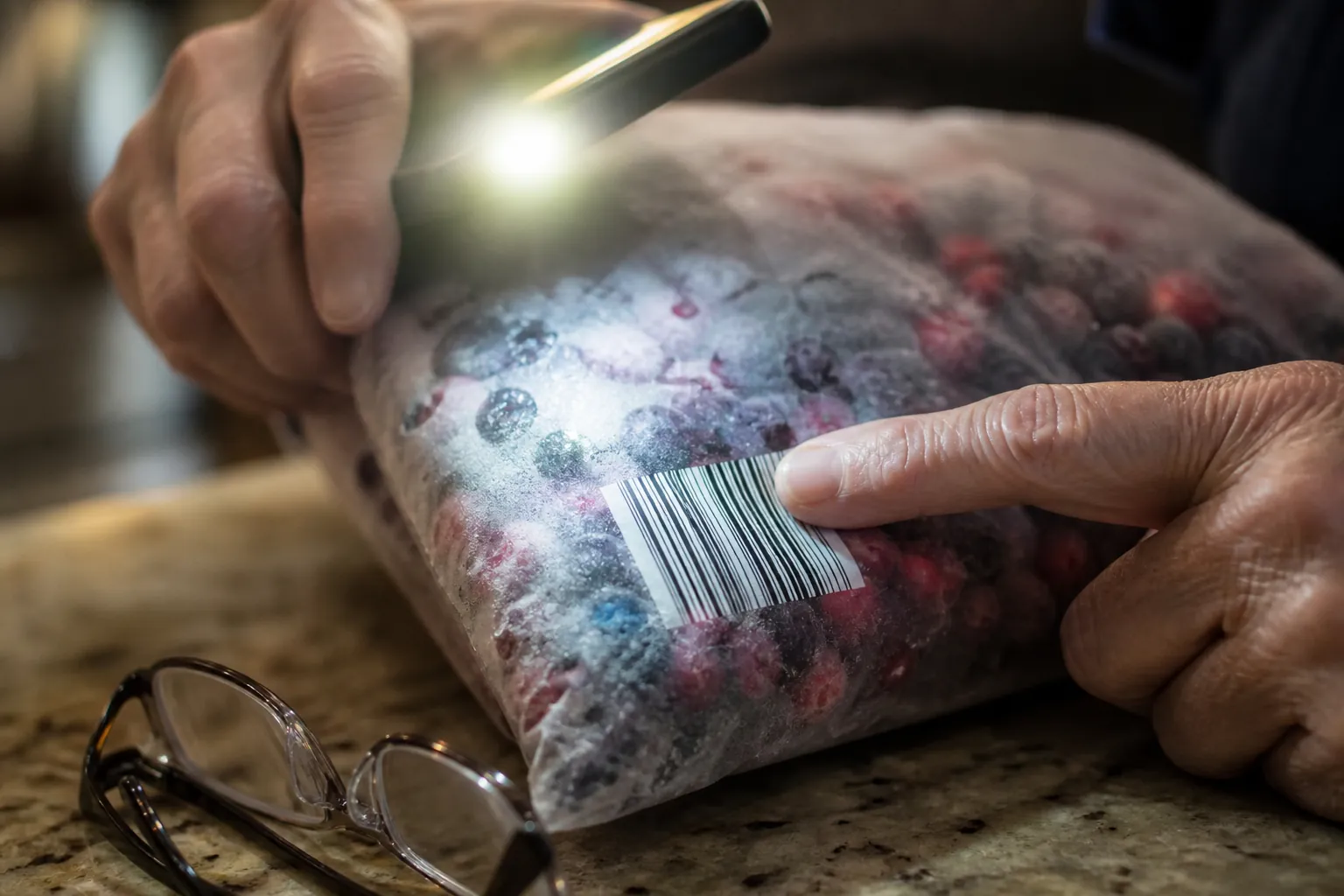
Where to look on a frosty bag
- Start with the front label: confirm it says GreenWise Organic Whole Blueberries or GreenWise Organic Whole Mixed Berries.
- Find the net weight: 10 oz or 48 oz.
- Turn the bag to the barcode and compare the UPC digit by digit. Do not rely on the color of the bag or a quick glance.
- Look for lot or best-by language if it is visible. Remember that Publix expanded the recall to all lots of the listed products, so a matching product and UPC should be treated as recalled even if the lot code is hard to read. [1]
If the berries were poured into a plastic tub, freezer container, or smoothie-prep bag and the original label is gone, do not guess. The FDA’s advice for repackaged recalled berries that cannot be verified is to throw them out. [3]
If the bag matches, do not eat from it
A matching bag should not be tasted, blended, baked into something, or served “just to use it up.” Publix’s recall notice says customers may discard the product or return it to the local store for a full refund. Publix Customer Care is listed at 800-242-1227 for questions. [1]
- Put the matching bag in a separate disposable bag before carrying it through the kitchen, especially if the outside is wet or leaking.
- Discard it securely or return it to Publix for a full refund. If returning it creates a fall risk, requires an unsafe drive, or leaves an older adult handling a leaking bag, discarding it may be the safer choice.
- Wash hands after handling the bag.
- Clean and sanitize any freezer shelf, bin, container, counter, utensil, or sink area the berries or their juices touched. The FDA specifically advises cleaning and sanitizing surfaces or containers that may have come into contact with the recalled berries. [3]
- If the berries were used in another prepared food, such as a smoothie mix or dessert, do not keep that food unless you can be certain the recalled berries were not included.
For a caregiver checking a parent’s freezer, take a photo of the bag and the UPC before discarding it. That can help with a refund question later and prevents a second round of freezer searching if another family member asks what happened.
If the bag does not match, stop this recall check
If the brand, product, size, and UPC do not match the recalled GreenWise identifiers, that bag is not part of this recall. Put it back if it is still frozen and otherwise safe to use. Do not throw away unrelated blueberries or mixed berries because of a general headline.
If the label is too damaged to read and no one can confirm what the berries are, treat that as an uncertainty problem rather than a bargain problem. For an older adult at higher risk from foodborne illness, keeping an unverified repackaged berry container is not worth it.
If someone may have already eaten recalled berries
Eating from a recalled bag does not mean illness is certain. It does mean the next step moves from freezer work to symptom watching, especially for older adults. FoodSafety.gov identifies adults 65 and older as a group at higher risk for serious foodborne illness, and Publix’s recall notice specifically names older adults among people especially vulnerable to complications such as hemolytic uremic syndrome. [5][1]
The CDC advises seeking medical care for severe E. coli symptoms, including diarrhea and a fever higher than 102°F, diarrhea lasting more than 3 days that is not improving, bloody diarrhea, vomiting so severe that liquids cannot be kept down, or signs of dehydration such as little urination, dry mouth and throat, or dizziness when standing. [4]
HUS warning signs need urgent attention
Hemolytic uremic syndrome, often shortened to HUS, is a serious kidney-related complication that can follow Shiga toxin-producing E. coli infection. The CDC lists warning signs that include urinating less often, losing pink color in the cheeks and inside the lower eyelids, unexplained bruising or tiny red spots on the skin, blood in the urine, extreme fatigue, and decreased alertness. [4]
For a senior living alone, those signs are not “wait and see” items. Diarrhea, vomiting, dehydration, weakness, and urgent bathroom trips can also raise fall risk quickly. If an older adult is dizzy when standing, confused, unusually sleepy, or too weak to walk safely to the bathroom, the safety issue has already moved beyond the recalled bag.
Why the recall is still being checked
The FDA investigation reported 12 illnesses linked to the outbreak as of July 30, 2026: 11 in Florida and 1 in Georgia. Four people had been hospitalized, and no deaths had been reported at that time. The CDC also reported the outbreak total as 12 illnesses, 4 hospitalizations, and no deaths. [3][4]
The recalled products were distributed in Alabama, Florida, Georgia, Kentucky, North Carolina, South Carolina, Tennessee, and Virginia. The recall was classified as Class I as of August 18, 2026, the category used when there is a reasonable probability that use of or exposure to a product will cause serious adverse health consequences or death. [1]
Those numbers describe reported illnesses, not every bag sitting in a home freezer. The practical job at home is narrower: find any GreenWise frozen berry bag, compare it to the four recalled UPCs, and remove it from the food supply if it matches.
Before you close the freezer door
The check is finished when one of three things is true: there is no Publix GreenWise frozen blueberry or mixed berry product in the freezer; the bag is present but does not match the recalled identifiers; or a matching or unverified bag has been discarded or set aside for return and any touched surfaces have been cleaned and sanitized.
Because the investigation has been active and scope can change, re-check the FDA and CDC recall pages if you find a GreenWise bag later, if a second freezer is checked, or if a caregiver is reviewing groceries in a different household. [3][4]
References
- Publix Recalls All Lots of GreenWise Organic Frozen Blueberries and Whole Mixed Berries Due to Potential E. coli O145 Contamination, FDA, July 29, 2026
- Recalls and Outbreaks, FoodSafety.gov
- Outbreak Investigation of E. coli O145:H28: Frozen Blueberries (July 2026), FDA, July 2026
- E. coli Outbreak Linked to Frozen Blueberries, CDC
- People at Risk: Older Adults, FoodSafety.gov
Related reading
Noticed something outdated or inaccurate on this page? Flag a correction. We review every report against CDC, NIA, and AARP HomeFit guidance before updating a page.
Part of the Fall Prevention section.