
How Severe Weather Raises Fall Risk — and How to Prepare
Learn how power outages, ice, heat waves, and flooding create fall risks for seniors that standard checklists miss, and get a room-by-room severe weather fall prevention plan you can prepare before the next storm.
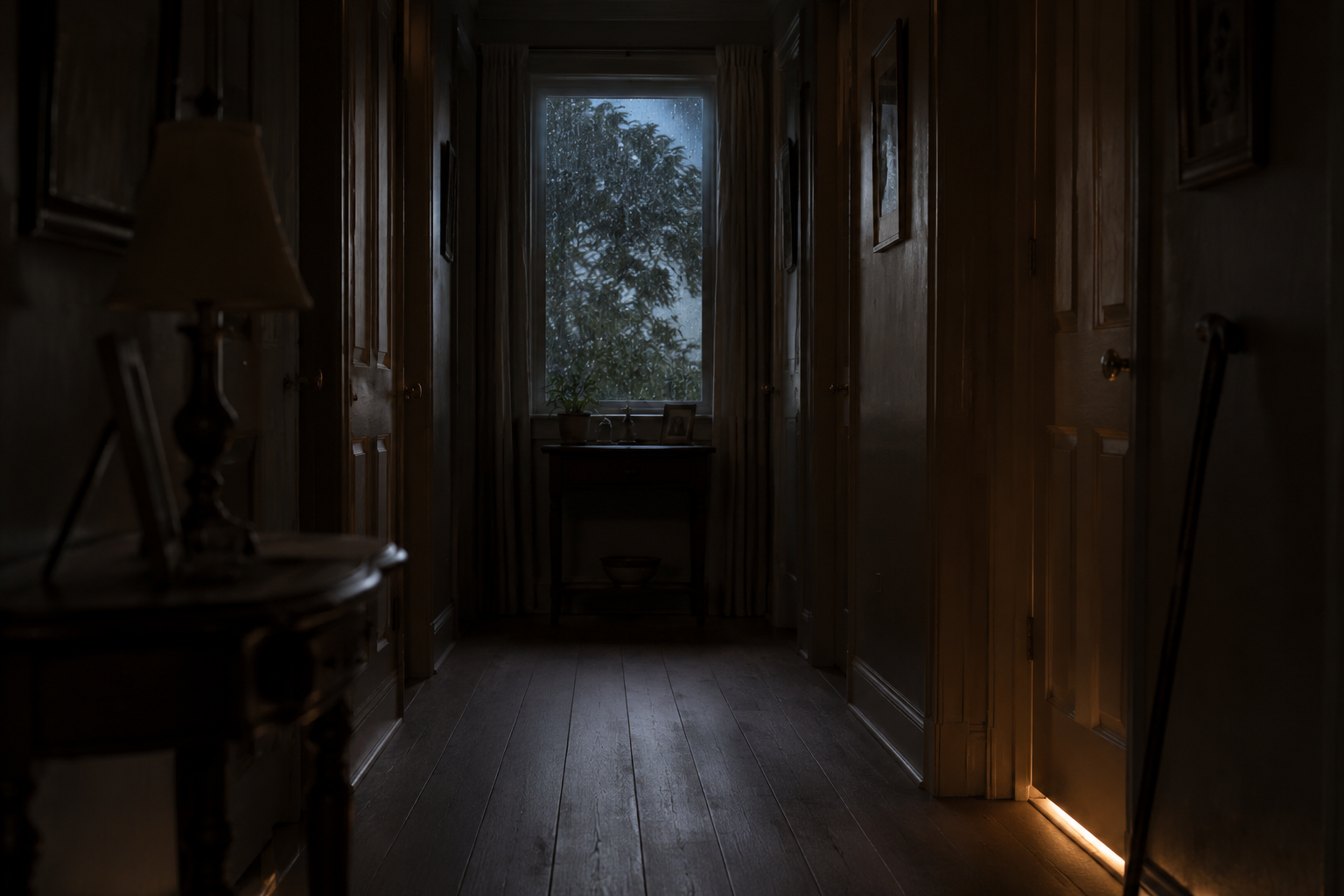
The dangerous part of a storm is not always the wind outside the window. Sometimes it is the hallway at 2 a.m., after the power has gone out, when an older adult wakes up needing the bathroom and reaches for a cane that is not where it usually is. The floor is darker than expected. A throw rug has shifted. The flashlight is in the kitchen drawer because that is where someone put the emergency supplies.
That is where severe weather preparedness for seniors and fall prevention meet. A preparedness kit in a closet may be useful, but it does not prevent a fall unless it changes what happens on the walking routes an older adult actually uses: bed to bathroom, chair to kitchen, front door to porch steps, bathroom to medication cabinet, bedroom to phone charger.
Falls are already common without bad weather. The CDC reports that about 1 in 4 older adults in the United States falls each year; falls lead to 3 million emergency department visits and more than 36,000 deaths annually among older adults.[1] Severe weather does not invent the risk. It adds pressure to weak points that may already be there.
There is also evidence that preparedness and falls are connected in real outages, not only in caregiver imagination. A New York City study of 887 vulnerable residents found that low emergency preparedness was associated with elevated fall risk among older adults during power-outage conditions.[2] The study was urban and included a high-rise context, so it should not be stretched into a universal rule for every rural road or suburban ranch house. Still, the connection is useful: when the environment changes suddenly and the plan is thin, fall risk rises.
Weather Changes the Mechanics of Moving
A fall-prevention checklist often assumes ordinary conditions: lights work, floors are dry, the person can move at a familiar pace, and the route from one room to another looks the same as it did yesterday. Severe weather breaks those assumptions.
| Weather condition | What changes inside or near the home | Fall-prevention response |
|---|---|---|
| Power outage | Hallways, bathrooms, stairs, and medication areas become dark or unevenly lit | Place battery-operated motion lights and flashlights on the actual night routes |
| Winter storm | Porch steps, sidewalks, cane tips, shoes, and entry mats lose traction | Winterize footwear, add traction aids where appropriate, and treat walkways before use |
| Heat wave | Dehydration, dizziness, fatigue, and medication effects may affect balance | Review heat-sensitive medications and hydration plans before extreme heat arrives |
| Flooding or tropical weather | Thresholds, floors, ramps, and exits may become wet, cluttered, or rushed | Clear evacuation routes early and slow the movement plan down before pressure builds |
The point is not to make a longer emergency checklist. It is to ask a narrower question: if the lights fail, the floor gets wet, the sidewalk freezes, or the house gets hot, which movement becomes harder first?
Start With the Routes, Not the Supply Bin
Most families prepare by gathering things. Water, batteries, food, medications, chargers, documents. Those matter. But for fall prevention, the first map is not the pantry shelf. It is the home’s movement map.
Walk the house during normal conditions and mark the routes an older adult is most likely to use when tired, worried, or half-awake. Bed to bathroom usually comes first. Then favorite chair to kitchen. Kitchen to medication storage. Bedroom to phone. Front door to mailbox or porch. Garage to entry. If there are stairs, include the top and bottom landings, not only the steps.
- Put a flashlight within reach of the bed, not across the room.
- Add battery-operated motion lights along the bed-to-bathroom route, including the bathroom doorway.
- Remove loose rugs from storm-night routes before weather arrives, not after the lights are out.
- Move cords, baskets, shoes, oxygen tubing, pet bowls, and delivery packages away from walking paths.
- Keep the cane, walker, glasses, phone, and shoes in predictable places before bedtime.
This is where a small placed item beats a large general intention. A flashlight in every room on the route to the bathroom is not overdoing it. It is admitting that an older adult should not have to cross a dark room in order to find the tool that makes the room safe.
Power Outages: Darkness Makes People Walk Differently
When the power goes out, a familiar home becomes less familiar. People shorten their stride. They reach for walls or furniture. They may avoid turning on a phone light because they are trying to save battery. A bathroom threshold, low ottoman, curled rug edge, or step down into a sunken room becomes harder to judge.
For an older adult who already uses a cane or walker, the problem is not simply seeing less. It is coordinating the device, the body, and the path with less visual information. That makes the placement of light more important than the possession of light.
- Bedroom: flashlight on the nightstand, motion light near the bed exit, clear route to slippers or shoes.
- Hallway: motion lights low enough to reveal floor edges and objects, not only wall art.
- Bathroom: battery light near the doorway and another near the toilet or sink if the room is deep.
- Kitchen: flashlight near medications, water, and the refrigerator, not buried with tools.
- Entryway: light at the threshold, where wet shoes, mats, packages, and step edges collect.
For a deeper blackout-specific version of this plan, use a Power Outage Fall Prevention Checklist for Seniors as a room-by-room companion. The useful test is simple: if the older adult wakes up tonight and the power is out, can they reach the bathroom without crossing an unlit, cluttered, or unfamiliar path?
Winter Storms: Traction Fails in More Than One Place
Ice does not only belong on the driveway. It shows up as slush on the entry tile, snow packed into boot treads, water under a mat, and a cane tip that worked fine in October but skids in January.
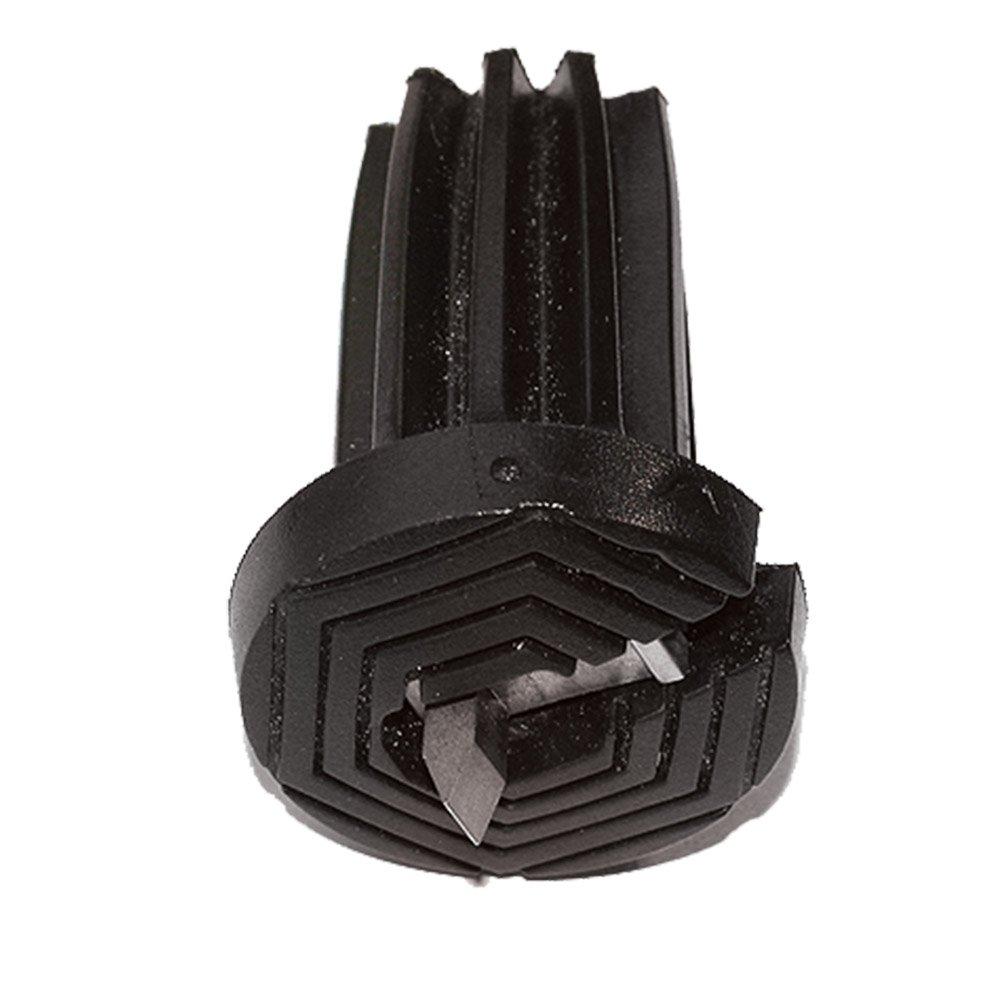
The National Council on Aging’s winter fall-prevention guidance recommends steps such as using ice gripper cane tips, spreading cat litter on walkways for traction, wearing rubber-soled boots, and winterizing footwear before snow and ice create the hazard.[3] The timing matters. Buying the traction device after a freeze is less helpful if the older adult has already had to walk to the mailbox or down the porch steps.
A winter fall plan should cover the whole transition from inside to outside. That includes the last dry step inside the house, the threshold, the porch, the handrail, the walkway, and the place where the person pauses to lock the door or pick up a newspaper.
- Set out rubber-soled boots before the storm instead of leaving dress shoes or loose slippers near the door.
- Check whether cane tips, walker glides, and assistive-device feet are worn smooth.
- Keep cat litter, sand, or another traction material near the door where it can be reached safely.
- Replace thin or curled entry mats with a flat, absorbent mat that does not slide.
- Decide before the storm which outdoor tasks can wait and who will handle the ones that cannot.
Outdoor independence is important, but winter weather narrows the margin for error. A person who is steady on dry pavement may not be steady while carrying a trash bag, holding a cane, stepping over a ridge of plowed snow, and trying to beat another burst of sleet.
Heat Waves: Balance Can Change Before Anyone Feels “Sick”
Heat-related fall risk is easy to miss because there may be no dramatic scene. No icy porch. No dark hallway. Just a hotter bedroom, poor sleep, less fluid intake, a slower walk to the bathroom, or a dizzy moment after standing up.
CDC clinical guidance notes that several medication classes can affect heat tolerance and temperature regulation, including diuretics, beta blockers, anticholinergics, and some antidepressants. The same guidance discusses mechanisms such as dehydration, reduced sweating, electrolyte imbalance, sedation, and dizziness in the context of heat strain.[4] That does not mean one study has proved a neat chain from a specific pill to a specific weather-related fall. It does mean medication review belongs in severe-weather fall prevention, especially before extreme heat.
The caregiver job is not to change prescriptions. It is to make sure a clinician has looked at the heat plan before the heat wave, particularly for an older adult who takes multiple medications, has heart or kidney disease, uses diuretics, has memory changes, or has had dizziness in the past.
- Ask which medications may increase heat sensitivity, dizziness, sedation, or dehydration risk.
- Confirm what fluid guidance is safe for that person, especially if they have heart or kidney restrictions.
- Check whether the home has a realistic cooling plan for the rooms where the person sleeps and spends the afternoon.
- Place water where the person actually sits, not only in the refrigerator.
- Treat new dizziness, confusion, weakness, or unsteadiness during heat as a safety issue, not as ordinary aging.
For a fuller heat-specific plan, see How Heat Waves Increase Fall Risk in Older Adults. If smoke or ozone alerts often arrive with summer heat, Protect Seniors from Falls When Air Quality Alerts Arrive can help connect breathing strain, fatigue, and movement safety.
Flooding, Tropical Storms, and Evacuation Pressure
Flooding changes the floor before it changes the whole house. A little water at the threshold can make tile slick. A towel thrown down quickly can become a trip hazard. A raised door sill, garage step, ramp edge, or patio threshold becomes harder to judge when people are moving faster than usual.
The fall-prevention mistake is waiting until the evacuation decision is urgent. When a person is trying to gather medications, answer calls, find shoes, manage a pet, and leave before water rises, the walking pace often speeds up while the environment becomes less stable.
- Keep the evacuation bag, shoes, cane or walker, glasses, hearing aids, phone charger, and medication list in a known place.
- Clear the path from bedroom to exit before the storm, including laundry baskets, cords, boxes, and small tables.
- Choose the safest exit route in advance, not necessarily the most familiar one.
- Plan who will carry supplies so the older adult can keep hands free for rails, a cane, or a walker.
- Avoid last-minute outdoor trips for items that can be moved earlier or replaced later.
Tropical storms and hurricanes add another decision: shelter in place or leave. That choice depends on local orders, housing, medical needs, transportation, and support. For that narrower decision, use Fall Prevention for Older Adults During a Tropical Storm and Hurricane Preparedness Tips for Seniors: Evacuate or Shelter in Place? as deeper guides.
Turn General Emergency Guidance Into Fall Prevention
The Red Cross advises older adults to prepare for at least 2 weeks of sheltering in place and to maintain a 30-day supply of medications.[5] Ready.gov and FEMA frame disaster planning around assessing needs, creating a plan, and engaging a support network.[6] Those are solid structures, but they still need to be translated into what happens underfoot.
| Emergency-preparedness task | Fall-prevention translation |
|---|---|
| Store supplies | Place essential supplies where they do not block walking paths and can be reached without a step stool |
| Keep medications available | Store medications, list, water, and lighting together so refills or doses are not handled in the dark |
| Plan for backup power | Identify which devices affect safe movement: oxygen, lift chair, stair lift, adjustable bed, powered recliner, phone |
| Create a support network | Assign specific movement-related jobs: clearing porch steps, checking lights, moving packages, calling before bedtime |
| Prepare to evacuate | Keep hands free, clear exits early, and slow the route before the decision becomes rushed |
One detail deserves more attention than it usually gets: utility registration. In the New York City outage-preparedness study, only 40% of electric-dependent households reported registering with their utility for outage notification.[2] That finding is not a national estimate, but it points to a practical gap. If an older adult depends on electricity for medical or mobility-related equipment, the family should ask the utility what registration, notification, or priority programs exist locally.
For households with oxygen, powered mobility equipment, refrigerated medication, dialysis-related needs, or other medical dependencies, a general storm list is usually not enough. Use Severe Weather Safety Tips for Elderly With Medical Needs to build the medical-device side of the plan without losing sight of the walking routes.
A Room-by-Room Severe Weather Fall Plan
This is the part to do before the forecast turns urgent. It should take place in the rooms an older adult actually uses, preferably at the time of day when the risk is easiest to see. For many homes, that means walking the bed-to-bathroom route after sunset with the regular lights off and backup lights on.
Bedroom
The bedroom is where storm-night falls often begin, because the person may be sleepy, disoriented, or trying not to wake anyone. Put the flashlight where the hand naturally reaches from bed. Keep glasses, phone, hearing aids, cane, walker, and shoes in the same place every night during storm season. If there is a rug beside the bed, make sure it is flat and secured or remove it before high-risk weather.
Hallway and Stairs
Hallways collect small hazards: laundry, shoes, pet toys, oxygen tubing, extension cords, and boxes moved out of the way during cleaning. During severe weather, “out of the way” must mean out of the walking route, not pushed against a wall where a cane or walker may catch it. Battery-operated motion lights should reveal the floor surface and the first stair edge. If stairs are optional, decide before the storm whether the older adult can stay on one level.
Bathroom
The bathroom combines urgency, darkness, water, and hard surfaces. Add backup lighting near the doorway and toilet area. Remove loose bathmats that slide or bunch. Keep the path from bed to toilet clear enough for the actual mobility device used, not for an imaginary person walking straight and steady in daylight. If grab bars are already installed, make sure they are visible in low light and not blocked by towels or storage.
Kitchen and Medication Area
The kitchen matters because people go there for water, food, medicine, refrigerator items, flashlights, and phone charging. Keep a flashlight near the medication area. Store frequently used items between shoulder and knee height so no one needs a step stool during an outage. If medications require refrigeration, include that in the power-outage plan before the storm, especially for people with medical needs.
Entryway, Porch, Garage, and Walkway
The entry area is where indoor and outdoor hazards meet. Wet shoes, leaves, snow, packages, umbrellas, pet leashes, and uneven thresholds all compete for space. Keep traction material accessible from inside. Check that handrails are usable, not decorative. Put outdoor lights or battery lanterns where they reveal step edges. If deliveries are common, arrange for someone to move packages away from the door before storms when possible.
Favorite Chair and Living Room
Many older adults spend long stretches in one chair. During severe weather, that spot needs the same attention as the bedroom: light, phone, water, glasses, hearing aids, walking aid, and a clear route to the bathroom. If the person uses a powered recliner or lift chair, ask what happens when the power is out. A chair that helps someone stand on a normal day can become a trap if there is no backup plan.
The Pre-Storm Routine That Actually Reduces Fall Risk
A useful severe-weather routine is short enough to repeat and specific enough to change the house. Do it when watches or warnings begin, or at the start of a high-risk season for winter storms, heat waves, tropical systems, or planned outage risk.
- Check lighting: test battery-operated motion lights and put working flashlights in the bedroom, bathroom, hallway, kitchen, and favorite sitting area.
- Clear the night routes: remove loose rugs, cords, laundry, shoes, pet bowls, boxes, and furniture from bed-to-bathroom and chair-to-kitchen paths.
- Prepare traction: set out rubber-soled shoes or boots, inspect cane or walker tips, and prepare ice traction supplies before winter weather.
- Review heat-sensitive risks: before extreme heat, ask a clinician about medications, hydration limits, dizziness, sedation, and safe cooling options.
- Confirm support: identify who will check in, clear outdoor hazards, move packages, help with evacuation, or contact the utility if power-dependent equipment is involved.
- Slow the exit plan: if evacuation may be needed, stage shoes, mobility aids, medication list, chargers, and documents early so the older adult is not rushing through wet or dark spaces.
For broader seasonal preparation, pair this plan with How to Prepare for Storms and Prevent Falls in Elderly Adults, Why Storms Create a Dangerous Fall Risk for Seniors — and How to Prepare, and The Complete Fall Prevention Handout for Seniors and Their Caregivers. The general handout covers everyday hazards; this severe-weather plan covers the moments when the home stops behaving normally.
Severe weather does not create random fall risk. It exposes predictable weak points: the unlit hallway, the slick threshold, the loose mat, the worn cane tip, the hot bedroom, the medication question no one asked until the forecast was already dangerous. Those weak points can be reduced before the next storm, which is exactly when fall prevention still has room to work.
References
- Facts About Falls | Older Adult Fall Prevention | CDC. Centers for Disease Control and Prevention.
- Power Outage Preparedness and Concern among Vulnerable New York City Residents. Journal of Urban Health / PMC. 2018.
- Winter Fall Prevention Tips for Older Adults | NCOA. National Council on Aging.
- Heat and Medications – Guidance for Clinicians | CDC. Centers for Disease Control and Prevention.
- Older Adults Emergency Preparedness. American Red Cross.
- Disaster Preparedness Guide for Older Adults. Ready.gov / FEMA.
Related reading
Noticed something outdated or inaccurate on this page? Flag a correction. We review every report against CDC, NIA, and AARP HomeFit guidance before updating a page.
Part of the Fall Prevention section.