
Flagship section
Fall Prevention
The flagship section, built directly on the CDC STEADI screen-assess-intervene model. Contains the fall risk screening quiz, the post-fall decision tree for active crisis situations (conscious/responsive checks, when to call 911 vs. urgent care, what to watch for in the following 72 hours), risk-factor explainers (medication side effects, vision, balance), and numbered warning-sign guides. This is the only group that owns crisis-path content; modification and mobility groups link back here rather than duplicating triage guidance.
Plan ahead
other
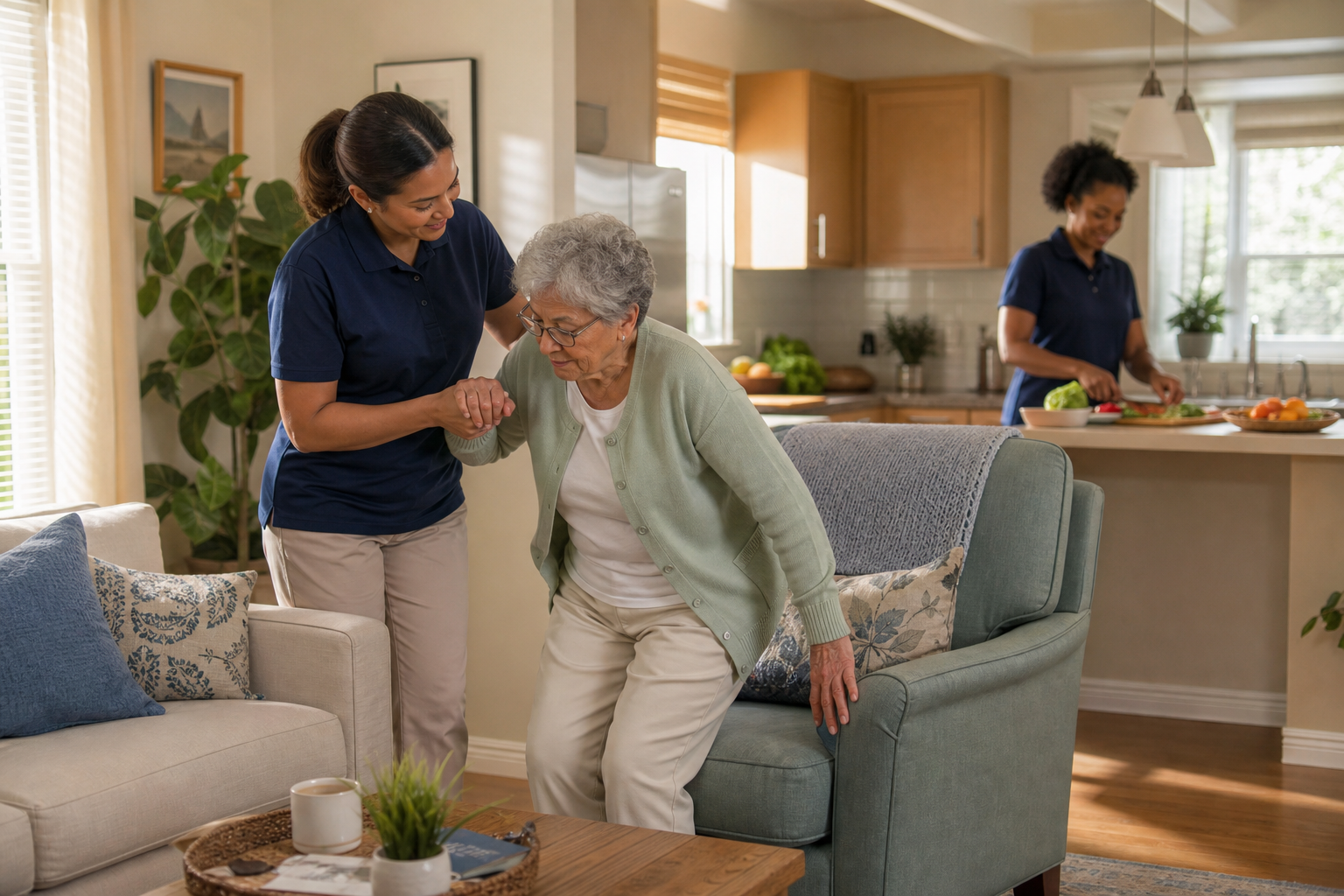 —
—24-Hour Care at Home for Elderly Parents With Dementia vs. Memory Care: A Decision Guide
This guide helps adult children of parents with Alzheimer's or dementia decide between 24/7 in-home care and a memory care facility. It covers when home care works, when it becomes unsafe, the surprising cost gap ($24,733/mo vs. $6,690/mo), and key decision factors like wandering, sundowning, and caregiver burnout.
 —
—6 Depressive Symptoms in Midlife That Signal Higher Dementia Risk
Not all depressive symptoms carry the same dementia risk. Learn which six midlife symptoms are most strongly linked to later dementia and what that means for monitoring and early intervention.
 —
—The difference between Purple Alert and Silver Alert
Purple Alert and Silver Alert both notify the public when a cognitively vulnerable adult goes missing, but they serve different populations. This article explains the distinction, why Purple Alert was created, and how to know which system applies to your loved one.
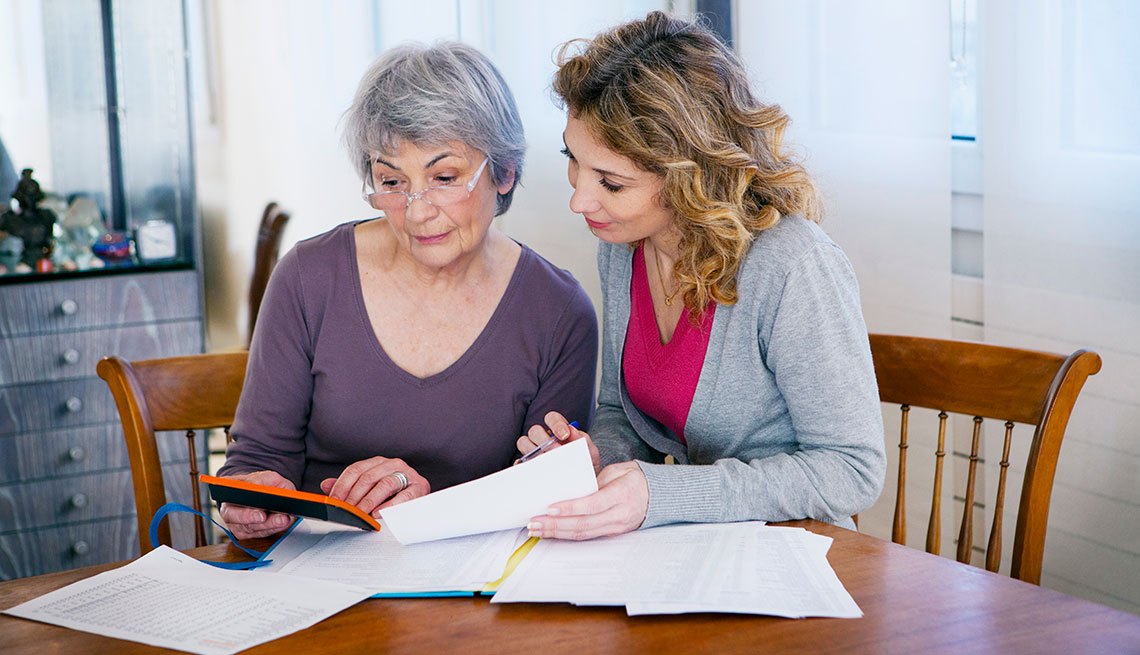 —
—The Hidden Financial Toll of Caring for Aging Parents: What Adult Children Need to Know About Costs, Lost Income, and Money You Can Access
Adult children caregivers face an average of $7,200 in annual out-of-pocket costs and $21,500 in lost income. This guide breaks down the true financial burden of caregiving and reveals underutilized funding sources — from Medicare respite benefits and life insurance strategies to caregiver grants — that can help offset the cost.
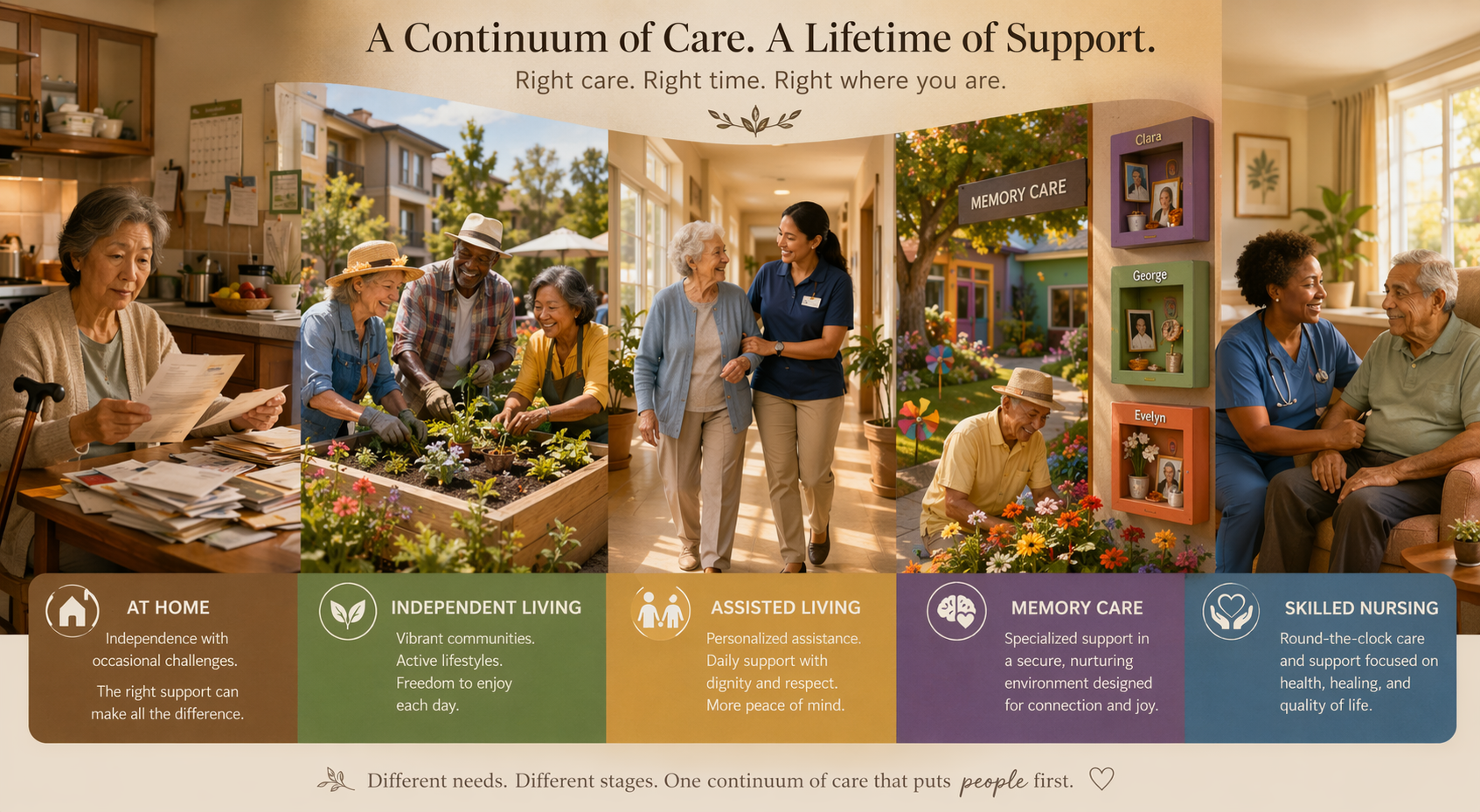 —
—Is It Time for a Senior Retirement Home? A Stage-by-Stage Guide for Family Caregivers
Most families wait until a crisis forces the decision to move a parent into senior living. This guide helps adult children recognize the early, mid, and crisis-stage signs, match needs to the right facility type, and navigate the conversation with confidence and less guilt.
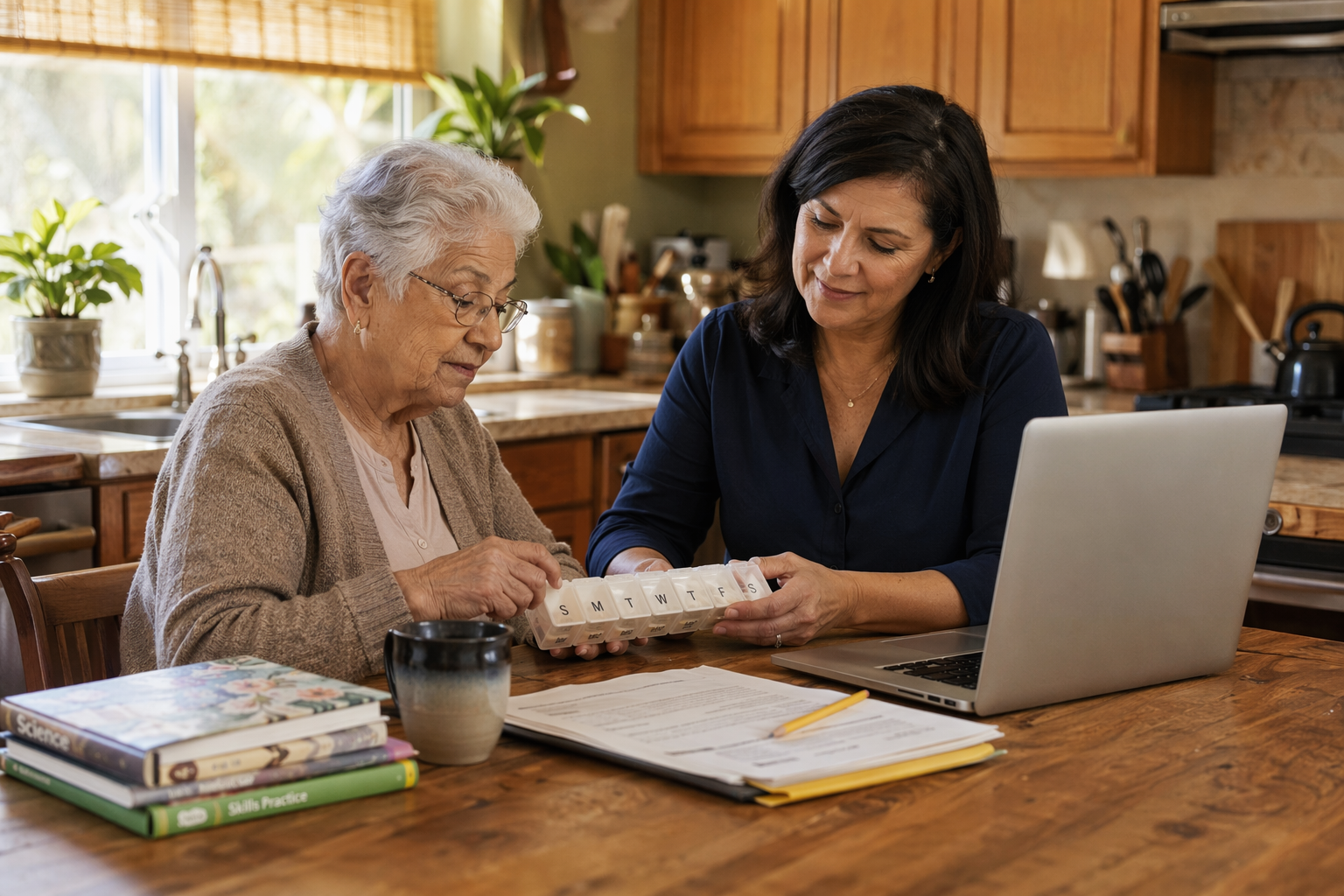 —
—The Hidden Crisis of Sandwich Generation Caregiving: Balancing Aging Parents, Kids, and Career
Nearly half of all family caregivers are part of the sandwich generation, stretched between raising children and caring for aging parents. This data-driven guide explains the structural reality of the triple squeeze on time, money, and emotional bandwidth — and offers systematic strategies for workplace accommodation, financial triage, sibling coordination, and protecting your own health.
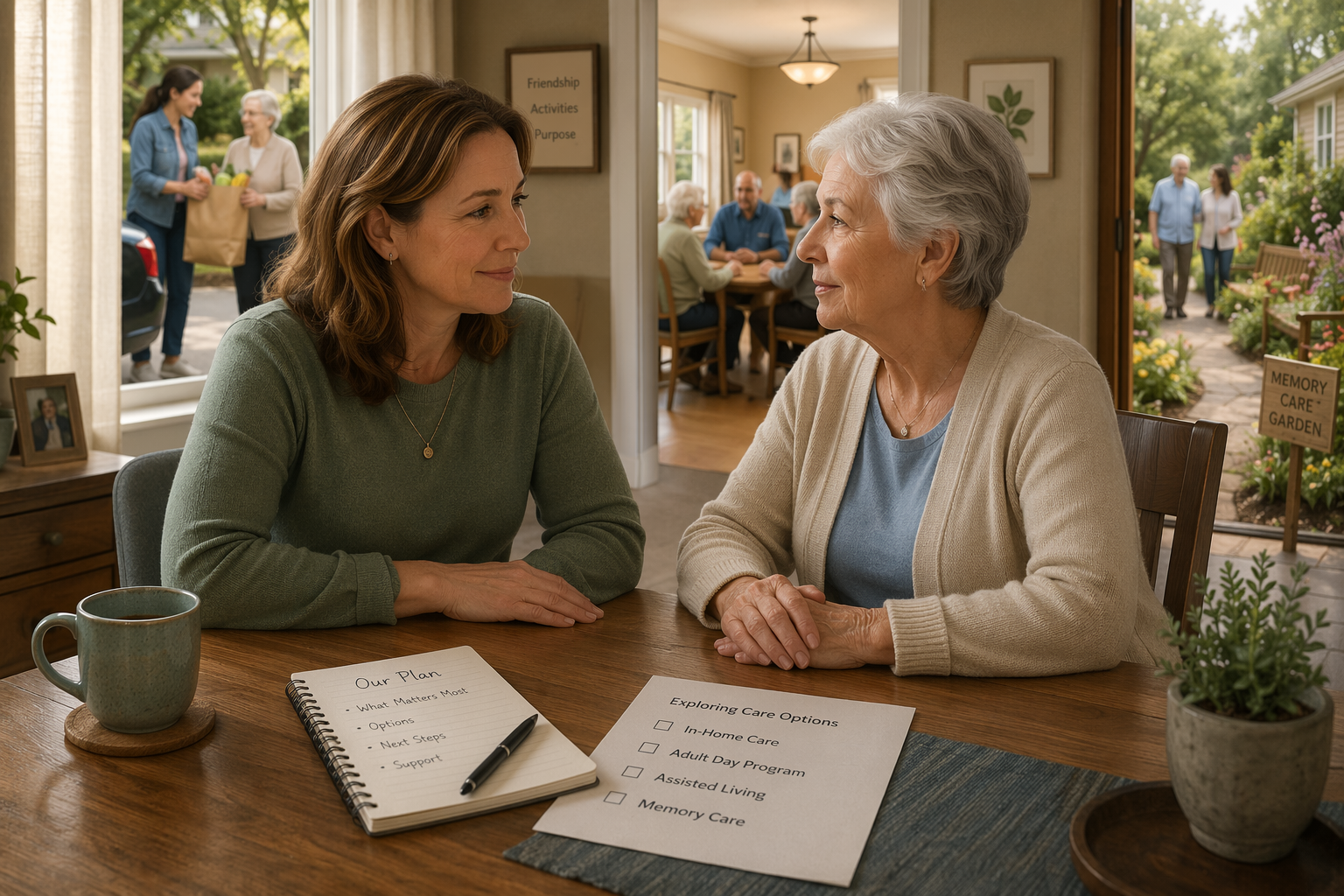 —
—Senior Care Assistance Options: A Stage-Aware Decision Guide for Families Caring for a Parent with Dementia
This guide helps adult children caring for a parent with dementia understand the full spectrum of senior care assistance — from in-home care and adult day programs to memory care and hospice — and match each option to their parent's current disease stage and their family's financial reality.
 —
—Indoor CO₂ May Increase Alzheimer's Risk for Seniors
Elevated indoor CO₂ levels may be an overlooked risk factor for Alzheimer's in seniors. This article explains the evidence, what levels are concerning, and simple steps caregivers can take to improve indoor air quality.
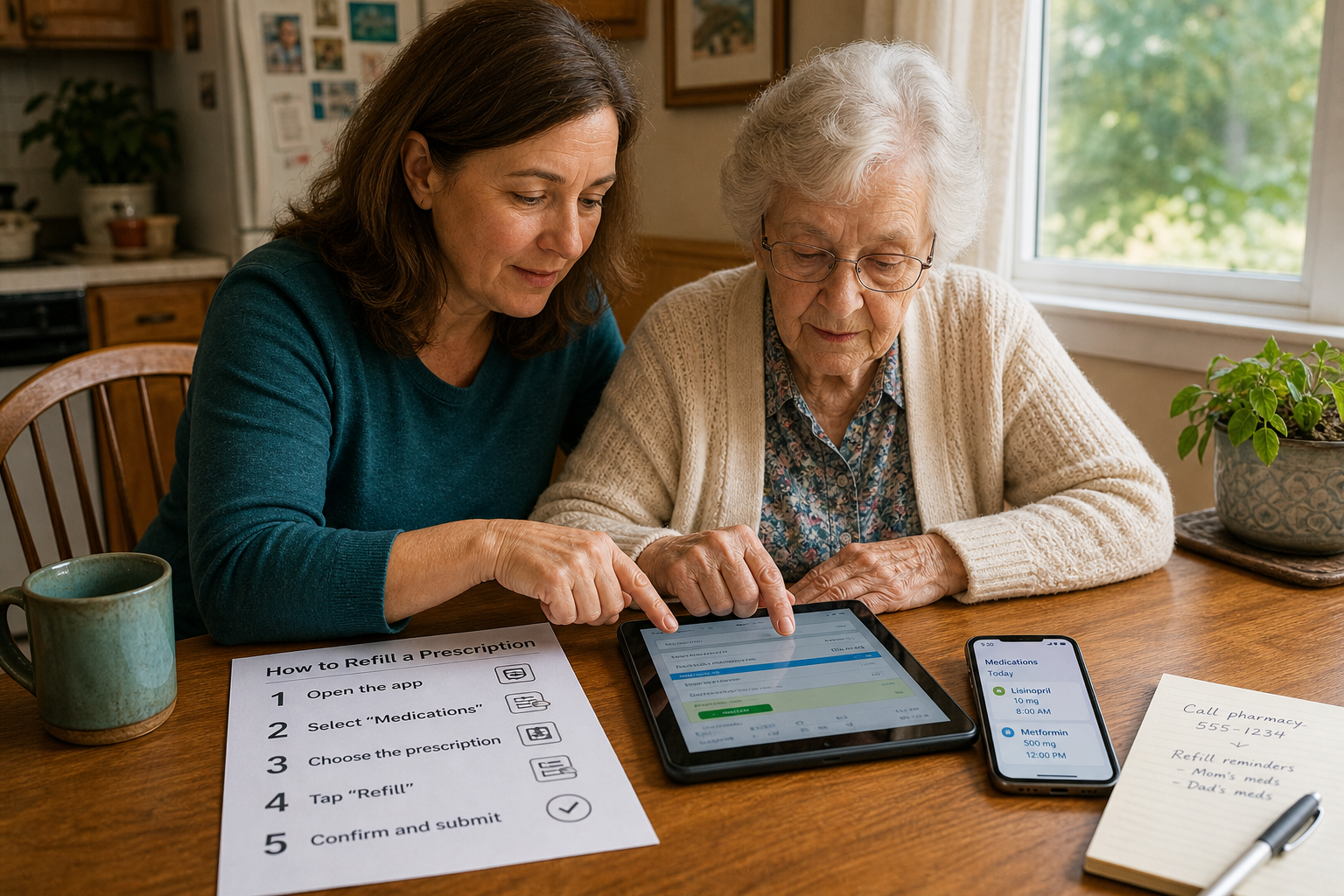 —
—Helping an Older Adult with Dementia Use Technology: A Caregiver’s Step-by-Step Guide
When a parent with memory loss struggles with once-familiar devices, standard tech tips won’t work. This guide explains how to recognize when tech struggles signal cognitive decline, use a three-phase teaching approach (do together, write it down, simplify the tool), and know when to take over tasks for safety.
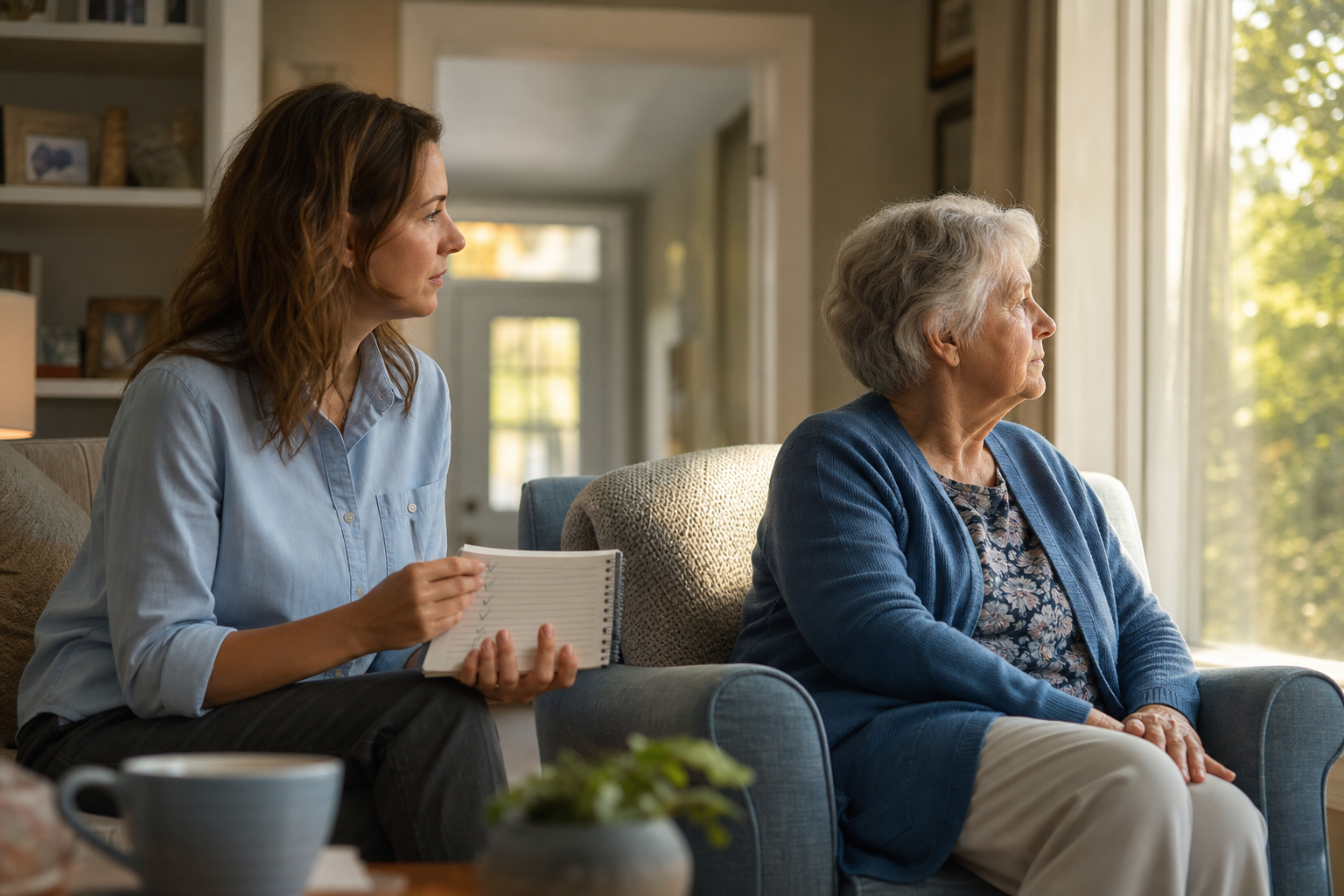 —
—Is It Time for Memory Care? A Functional Sign-Based Decision Guide for Families
For adult children caring for a parent with dementia, the decision to move to memory care is driven by observable functional signs, not a diagnosis alone. This guide covers eight key signs, a cost comparison of in-home vs. residential memory care, what to look for on tours, and how to plan payment.
 —
—Do Seniors Helping Seniors Programs Work for Dementia Care? What the Evidence Shows
For family caregivers of a loved one with Alzheimer's or related dementia, peer support programs where trained seniors help other seniors offer a promising, evidence-backed option. This article examines the research behind dementia-capable companion programs, including the NIH-funded SCP Plus trial, and explains how these models can reduce caregiver burden and benefit volunteers' cognitive health.
 —
—When to worry about your parent's sleep and Alzheimer's risk
Many family caregivers dismiss their parent's poor sleep as normal aging, but research shows conditions like sleep apnea and chronic insomnia are treatable risk factors for Alzheimer's. This guide helps you distinguish concerning sleep changes from typical age-related shifts and take actionable steps to lower cognitive decline risk.