
Caregiver decision guide
Affordable Electric Cars That Are Truly Senior-Friendly in 2026
Finding an affordable electric car that's also easy for an older adult to get into, operate, and feel safe driving can be a challenge. This guide compares the six most affordable new EVs of 2026 on price, accessibility, controls, and senior-friendly features to help you choose the right fit.
The trouble with shopping for affordable electric cars for seniors in 2026 is that “affordable” and “livable” are not the same word. A low sticker price does not help much if the seat is too low, the door opening is stingy, the fan speed is buried in a screen, or charging requires one more adapter to keep track of.
That matters more this year because the cheapest new EVs have finally moved into a price range many fixed-income households can at least discuss. The 2027 Chevrolet Bolt EV starts at $28,995 and was named Car and Driver’s 2026 EV of the Year, while the redesigned 2026 Nissan Leaf starts at $29,990 with a 303-mile range in its new crossover form.[1][2] Those are serious numbers. They still do not answer the kitchen-table question: which one can an older driver get into, operate calmly, charge without fuss, and afford after the federal EV tax credit expired on Sept. 30, 2025?

The 2026 Affordable EV Field, Judged for Everyday Senior Use
The prices and ranges below are useful starting points, not final answers. For an older driver, the better comparison is where the body lands when getting in, how quickly the driver can change heat or defrost, whether familiar phone navigation works, and whether public charging adds confusion or removes it.
| Model | Starting price | Range | Senior-friendly read |
|---|---|---|---|
| Chevrolet Bolt EV | $28,995 | 259 miles | Lowest price, physical climate controls, NACS access; best when budget and simple operation come first.[1][2][3] |
| Nissan Leaf | $29,990 | 303 miles | Redesigned as a crossover, strong range, NACS compatibility; the best place for many families to start.[2][3] |
| Mini Cooper SE | $31,895 | 190 miles | Small and easy to park, but its size and practicality may work against seniors who need room for passengers, walkers, or easier entry.[2] |
| Hyundai Ioniq 5 | About $35,000+ | 220-303 miles | More expensive, but wide openings, flat floor, and raised crossover seating make it the strongest mobility-access choice.[4] |
| Chevrolet Equinox EV | $35,295 | 319 miles | Excellent range and crossover shape, but lack of Apple CarPlay/Android Auto can be a real drawback for drivers who rely on familiar phone navigation.[3] |
| Volvo EX30 | $38,950 | 275 miles | Premium feel in a compact package; worth a look, though senior-specific usability evidence is thinner.[2] |
| Subaru Solterra | About $40,000 | 228 miles | Standard AWD may appeal in snow country, but it sits at the edge of the affordability frame.[2] |
Prices reflect base MSRPs reported in the 2026 affordable-EV field; actual transaction prices can change with inventory, manufacturer incentives, state rebates, and dealer behavior. That is not small print for retirees. It is the difference between a car that fits the monthly budget and one that only looked affordable in a headline.
Chevrolet Bolt EV: The Lowest-Cost Choice With Controls That Make Sense
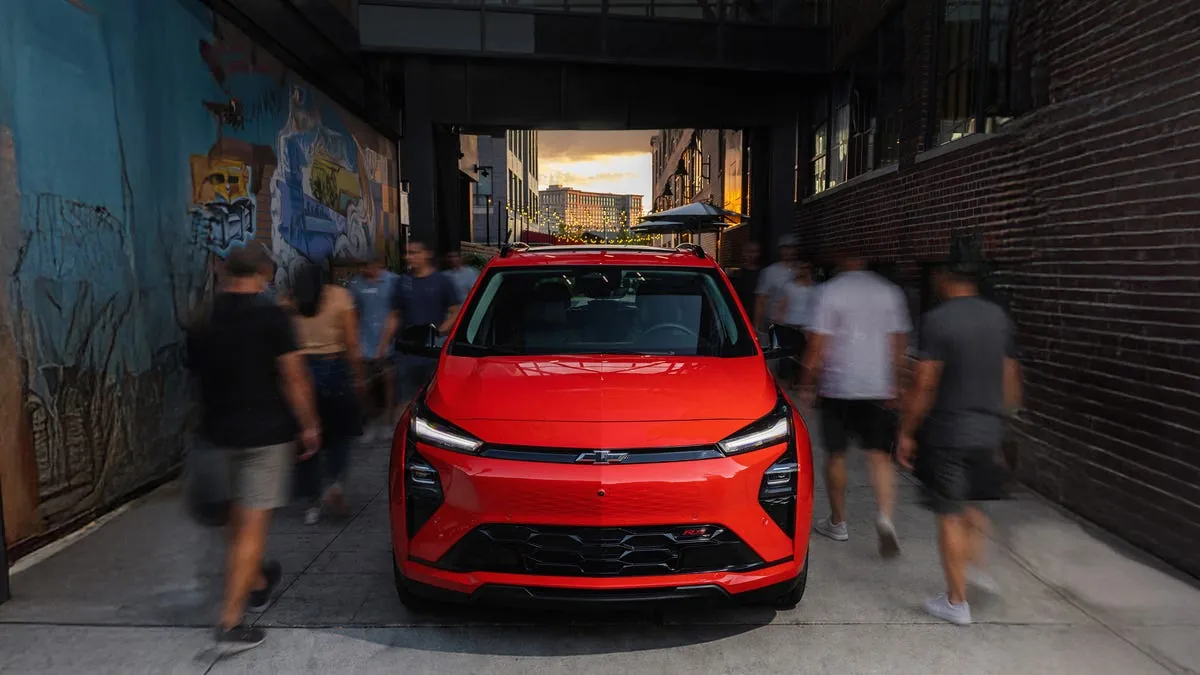
The Bolt deserves attention before any “best overall” argument starts. At $28,995, it is the lowest-priced new EV in this group, and its 259-mile range is more than enough for the way many older adults actually use a car: errands, medical appointments, church, friends, groceries, and the occasional longer visit.[1]
Its most senior-friendly feature may sound ordinary: physical knobs and buttons for climate control. That is not nostalgia. If a driver can reach for heat, defrost, or fan speed without opening a menu, the car asks for less attention at the exact moments when attention belongs on traffic. CarBuzz specifically notes the Bolt’s physical climate controls as a meaningful advantage in a senior-focused EV review.[3]
The Bolt also moves into 2026 with NACS charging, which means access to Tesla Supercharger-compatible charging without the adapter problem that has made public charging feel like a small equipment test for too many new EV owners.[2] For a senior who is willing to charge away from home occasionally but does not want a trunk full of charging explanations, that matters.
The tradeoff is body shape. A compact hatchback can be easy to park and manageable in town, but it may not give the same sit-down-and-slide-in feeling as a taller crossover. A senior with good flexibility, a tight budget, and low tolerance for touchscreen-only controls may be happier in the Bolt than in a more expensive EV with a showier cabin. A senior with stiff hips or knee trouble should test the entry and exit carefully before falling in love with the price.
Nissan Leaf: The Most Reassuring Starting Point for Many Families
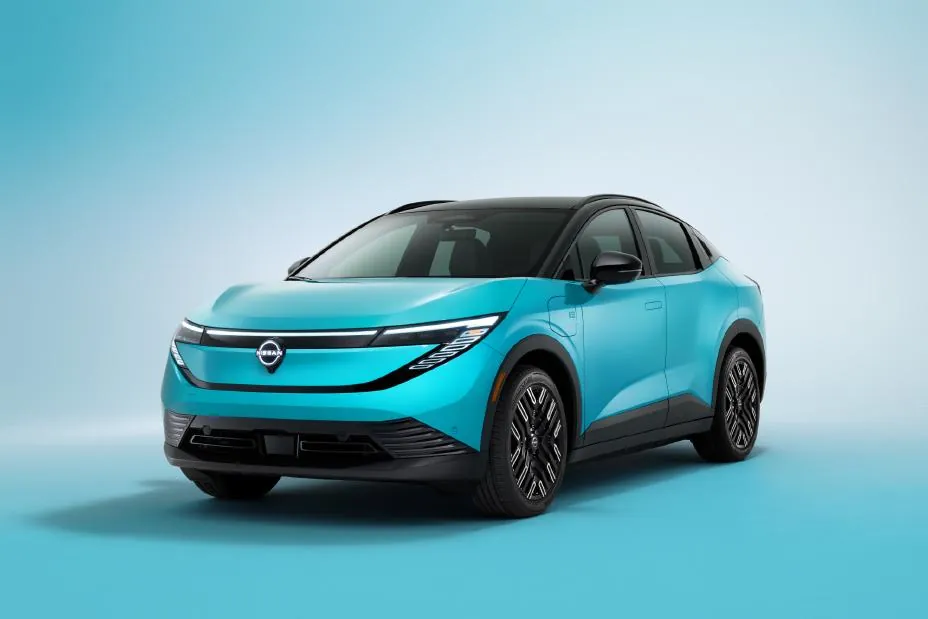
The 2026 Leaf is not just the old Leaf with a new number. It has been redesigned as a crossover, starts at $29,990, and offers a 303-mile range.[2] That combination changes its role. It is no longer merely the modest EV people choose because it is cheap; it becomes the affordable EV that best balances price, range, and a more senior-friendly shape.
CarBuzz named the Leaf its Car of the Year in its senior EV coverage and frames it as a strong all-around choice for older drivers.[3] Awards alone do not get anyone into the driver’s seat, but in this case the underlying reasons are practical: the price stays close to the Bolt, the range is longer, the crossover design should reduce the deep drop into the seat that some sedans demand, and NACS compatibility simplifies the charging conversation.[2][3]
For adult children helping a parent shop, the Leaf is the one I would usually put first on the test-drive list. Not because it wins every category, but because it avoids the most obvious traps. It is not the cheapest by a few dollars, not the largest, not the most premium, and not the most mobility-focused. But it gives enough range that the family does not have to keep re-litigating whether an EV can handle normal life.
The Leaf still needs the same practical test as any other car. Have the actual driver get in and out several times. Ask them to adjust heat, radio volume, mirrors, and navigation without coaching. Put their walker, cane, or grocery cart routine into the cargo area if that is part of daily life. A car that looks sensible on paper should feel sensible before anyone signs.
Hyundai Ioniq 5: When Entry and Exit Matter More Than the Lowest Price
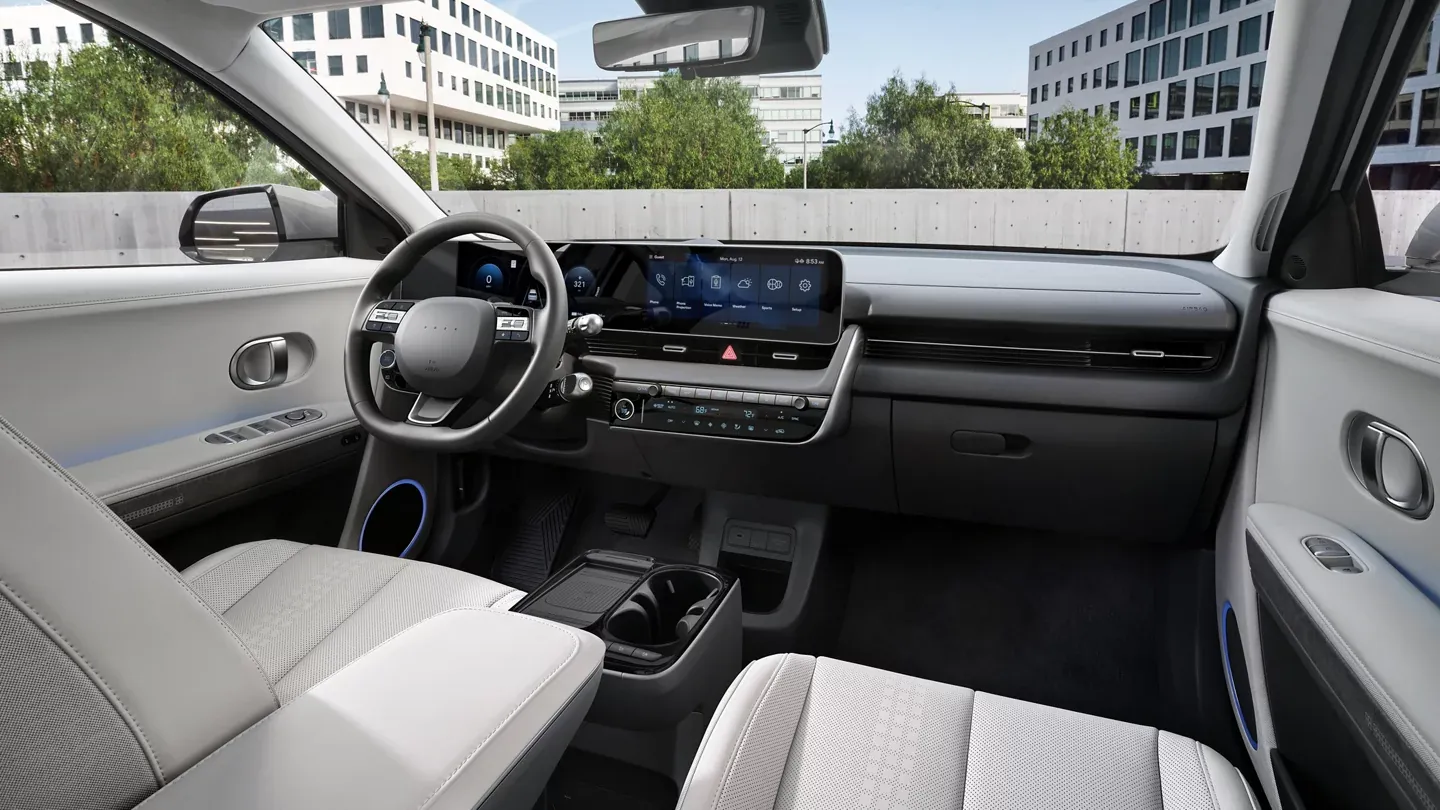
The Hyundai Ioniq 5 costs more than the Bolt or Leaf, with pricing in this group starting around $35,000 and range listed from 220 to 303 miles depending on configuration.[2] That makes it harder to call “affordable” for a fixed-income buyer. It also may be the better value for a senior whose biggest daily battle is not range or horsepower, but getting in without pain.
InfoRide cites the Ioniq 5’s flat floor, wide door openings, and raised crossover seating as suitable features for seniors with mobility issues.[4] Those details are not luxuries. A flatter floor reduces the awkward footwork of stepping over a hump. A wider door opening gives room to turn, back in, or steady oneself. A raised seat can let a driver sit sideways first and then bring both legs in, instead of lowering into a deep pocket.
AARP’s broader easy-entry guidance for cars is not EV-specific, but its principles are useful here: seat height, door opening, and floor height all affect whether a vehicle is easy to get in and out of.[5] Applying those principles to the EV field is a synthesis, not a claim that every Ioniq 5 trim has been senior-tested against every rival. Still, the Ioniq 5 is the model in this price band where the accessibility argument is strongest.
This is where families should be careful with the word “expensive.” If a lower-priced car causes a driver to twist, brace, or avoid trips, the cheaper vehicle may cost independence. The Ioniq 5 is not the budget pick. It is the mobility-access pick for the senior who needs the car to meet the body halfway.
The Other Affordable EVs: Worth Considering, With Clearer Tradeoffs
Mini Cooper SE
The Mini Cooper SE starts at $31,895 and offers 190 miles of range.[2] For a confident driver who wants something small, cheerful, and easy to park, it may have appeal. For many seniors, though, the very small footprint raises practical questions: passenger comfort, cargo room, ease of entry, and space for mobility aids. Its range is not the problem for ordinary local driving. Its size may be.
Chevrolet Equinox EV
The Equinox EV starts at $35,295 and brings a strong 319-mile range.[2] Its crossover shape may suit older drivers better than a low sedan, and the range is generous enough to quiet most everyday concerns. The caution is software familiarity: CarBuzz notes that the Equinox EV lacks Apple CarPlay and Android Auto, which can frustrate seniors who already know how to use phone-based maps, calls, and messages.[3]
That does not make the Equinox EV a bad car. It means the test drive should include the navigation system, voice commands, and calling routine. If the driver already feels at home with the built-in system, fine. If they keep reaching for the phone interface they know, the car may create daily irritation for no good reason.
Volvo EX30
The Volvo EX30 starts at $38,950 and has a 275-mile range.[2] It may attract buyers who want a premium badge and modern safety-minded design in a compact EV. The caution is that the available research here is thinner on senior-specific access and control simplicity. A senior who likes compact vehicles should try it, but it should not be assumed senior-friendly just because it is small and upscale.
Subaru Solterra
The Subaru Solterra sits around $40,000 with 228 miles of range and standard all-wheel drive.[2] For seniors in snowy or rural areas, AWD can be reassuring. For a strict under-$40,000 affordable-EV search, it is more of a boundary case than a central recommendation. It belongs on the list if weather confidence matters; it drops down the list if price is the first constraint.
What to Test Before Talking Monthly Payments
A senior-friendly EV test drive should start before the car moves. The salesperson may want to explain screens, drive modes, and charging speeds. Let them wait. First, watch the ordinary movements.
- Entry and exit: Can the driver sit without dropping, climb out without pulling hard on the door, and repeat the movement without strain?
- Controls: Can they adjust fan speed, temperature, defrost, volume, and mirrors without hunting through a touchscreen?
- Visibility: Do the windshield pillars, rear window, mirrors, and camera view give confidence in parking lots and lane changes?
- Phone comfort: If they use Apple CarPlay or Android Auto now, does the new EV support that familiar routine?
- Charging routine: Can they understand where the port is, how the cable connects, and what they would do at a public charger?
- Cargo reality: Does the trunk or hatch handle groceries, a folding walker, a cane, oxygen equipment, or the items they actually carry?
If an adult child is helping, the hardest part is staying quiet long enough to see what happens naturally. A car that requires constant coaching during the test drive may not become easier after the paperwork is signed. Confidence is part of safety.
Range Anxiety Is Usually the Wrong Fear Here
For many older drivers, the range numbers in this group are already beyond ordinary weekly needs. The Bolt’s 259 miles and the Leaf’s 303 miles are not luxury-range figures, but they leave plenty of room for errands, appointments, and local visits before charging becomes urgent.[1][2] The Mini’s 190 miles is the shortest figure here, and even that may be workable for a senior who rarely leaves town.[2]
Charging convenience is the better question. The Bolt and Leaf using NACS gives them access to Tesla Supercharger-compatible charging without adapters, which reduces one of the practical barriers that can make public charging feel intimidating.[2] Home charging, if available, simplifies the whole ownership pattern even more: plug in at night, start with enough range in the morning, and stop treating the car like a weekly gas-station errand.
Performance should stay in its place. Quick acceleration impresses reviewers, but it is not the main gift an EV can give an older driver. Smooth power, quiet operation, predictable controls, good visibility, and a seat that does not punish sore joints are more useful in daily life.
A Grounded Match, Not One Winner
Choose the Chevrolet Bolt EV when the budget is tight, the driver is reasonably mobile, and simple physical controls matter more than crossover height. It is the strongest low-cost answer in this field, especially for seniors who do not want a cabin that turns every adjustment into a screen exercise.
Start with the Nissan Leaf when the family wants the safest overall balance: affordable price, long range, crossover shape, NACS charging, and a less intimidating ownership picture. For many older drivers, it is the most reassuring first test drive.
Move the Hyundai Ioniq 5 higher on the list when getting in and out is the deciding issue. If a wide door opening, flat floor, and raised seating keep a senior driving comfortably and safely, the extra money may be easier to justify than it first appears.
If the question has shifted from “which car is easiest to live with?” to “is driving still safe?” that is a different conversation. No EV feature, safety alert, or charging network can replace an honest look at vision, reaction time, judgment, medication effects, and comfort behind the wheel.
References
- Chevrolet Bolt EV of the Year 2026, Car and Driver
- Cheapest Electric Cars for 2026, MotorTrend
- Best Electric Cars for Seniors for 2026, CarBuzz
- Best Cars for Seniors With Mobility Issues, InfoRide
- Getting In and Out of Cars, AARP
Questions to bring to a clinician or OT
This is not medical, legal, or a family's final decision — only a framework. Bring these questions to a clinician, occupational therapist, or your local Area Agency on Aging.
Find Local HelpRelated reading
Noticed something outdated or inaccurate on this page? Flag a correction. We review every report against CDC, NIA, and AARP HomeFit guidance before updating a page.