
Caregiver decision guide
Live-In Caregiver Cost in 2026: What Families Actually Pay, State by State
A detailed cost breakdown for adult children whose parent needs full-time or near-full-time care at home. This guide clarifies the live-in vs. 24/7 shift distinction, provides national and state-by-state pricing, and compares costs by hiring model (agency vs. private hire) and care level (companion vs. personal care vs. skilled nursing).

Live-In Care vs. 24/7 Shift Care: Why the Distinction Matters for Your Budget
If you have started researching home care costs, you have likely encountered two terms used interchangeably: "live-in care" and "24/7 care." They are not the same thing, and confusing them can lead to a budget shock of thousands of dollars per month.
Under the U.S. Department of Labor definition, a true live-in caregiver is a single person who resides in the home and provides care during waking hours, with an 8-hour uninterrupted sleep break and meal breaks. This arrangement typically covers about 120 hours of active care per week. The caregiver sleeps in the home but is not required to be awake and on duty overnight.
Twenty-four/seven shift care, by contrast, involves two or three caregivers working staggered 8- to 12-hour shifts. There is no sleep break because the care recipient requires active supervision or assistance around the clock — including overnight toileting, repositioning, or wandering prevention. No single caregiver is responsible for more than one shift, but the total cost is the sum of all shifts.
The cost gap between these two models is enormous. According to A Place for Mom’s 2026 Cost of Long-Term Care and Senior Living Report, the national median for 24/7 care is approximately $816 per day, or $24,733 per month. Live-in care, by contrast, typically runs $200 to $350 per day according to seniorsite.org. That is a difference of roughly $10,000 to $15,000 per month.
If you are unsure which model fits your situation, our guide on determining whether 24-hour home care is right for your parent walks through the specific care needs that push a family from live-in to shift-based care.
National Median Costs for Live-In Care in 2026
Once you have confirmed that a live-in arrangement is appropriate for your parent’s needs, the next question is straightforward: what will it actually cost?
The national picture is clearer than you might expect. Multiple sources converge on a similar range, though the exact figure depends on whether you hire through an agency or directly.
| Metric | Live-In Care | 24/7 Shift Care |
|---|---|---|
| Daily cost | $200 – $350 | ~$816 |
| Monthly cost | $6,000 – $10,500 | ~$24,733 |
| Annual cost | $72,000 – $126,000 | ~$296,796 |
| Caregivers required | 1 (with scheduled breaks) | 2 – 3 (staggered shifts) |
| Overnight coverage | 8-hour sleep break (unpaid) | Full overnight coverage |
The daily live-in rate of $200 to $350 typically includes the caregiver’s wages, a portion of their room and board, and the agency’s overhead if you go through one. It does not include overtime pay for hours beyond the agreed schedule, weekend or holiday premiums, or the cost of a backup caregiver when the primary live-in is off duty.
For context, the national median for non-medical home care on an hourly basis is $34 per hour in 2026, according to A Place for Mom. If you were to pay that hourly rate for 12 hours of daily coverage (a common live-in schedule), you would be looking at roughly $408 per day — which is why live-in arrangements typically use a capped daily rate rather than straight hourly billing.
State-by-State Cost Comparison for Live-In Care
Home care costs vary more by geography than almost any other factor. The same live-in arrangement that costs $200 per day in Mississippi could cost $350 or more per day in South Dakota or Minnesota.
The table below shows median hourly home care rates by state for 2026, sourced from A Place for Mom’s state-by-state guide. Live-in daily rates are typically calculated from these hourly figures using a capped daily rate — usually 10 to 12 hours of the hourly rate, not the full 24.
| State | Median Hourly Rate (2026) | Estimated Live-In Daily Rate (12 hrs) |
|---|---|---|
| Alabama | $26 | $260 – $312 |
| Alaska | $37.50 | $375 – $450 |
| Arizona | $36 | $360 – $432 |
| Arkansas | $30 | $300 – $360 |
| California | $38.50 | $385 – $462 |
| Colorado | $40 | $400 – $480 |
| Connecticut | $34 | $340 – $408 |
| Delaware | $35 | $350 – $420 |
| Florida | $31 | $310 – $372 |
| Georgia | $31 | $310 – $372 |
| Hawaii | $40 | $400 – $480 |
| Idaho | $35 | $350 – $420 |
| Illinois | $35 | $350 – $420 |
| Indiana | $34 | $340 – $408 |
| Iowa | $34 | $340 – $408 |
| Kansas | $34 | $340 – $408 |
| Kentucky | $33 | $330 – $396 |
| Louisiana | $26 | $260 – $312 |
| Maine | $40 | $400 – $480 |
| Maryland | $35 | $350 – $420 |
| Massachusetts | $39 | $390 – $468 |
| Michigan | $33 | $330 – $396 |
| Minnesota | $42 | $420 – $504 |
| Mississippi | $25 | $250 – $300 |
| Missouri | $33 | $330 – $396 |
| Montana | $42 | $420 – $504 |
| Nebraska | $34 | $340 – $408 |
| Nevada | $34 | $340 – $408 |
| New Hampshire | $41 | $410 – $492 |
| New Jersey | $36 | $360 – $432 |
| New Mexico | $32 | $320 – $384 |
| New York | $35 | $350 – $420 |
| North Carolina | $30 | $300 – $360 |
| North Dakota | $35 | $350 – $420 |
| Ohio | $34 | $340 – $408 |
| Oklahoma | $30 | $300 – $360 |
| Oregon | $40 | $400 – $480 |
| Pennsylvania | $34 | $340 – $408 |
| Rhode Island | $39 | $390 – $468 |
| South Carolina | $32 | $320 – $384 |
| South Dakota | $44 | $440 – $528 |
| Tennessee | $32 | $320 – $384 |
| Texas | $30 | $300 – $360 |
| Utah | $35 | $350 – $420 |
| Vermont | $43 | $430 – $516 |
| Virginia | $35 | $350 – $420 |
| Washington | $42 | $420 – $504 |
| West Virginia | $28.50 | $285 – $342 |
| Wisconsin | $35 | $350 – $420 |
| Wyoming | $35.50 | $355 – $426 |
To estimate your state’s live-in daily rate, multiply the median hourly rate by 10 to 12 hours. Most agencies cap the daily charge at this level rather than billing for all 24 hours, because the caregiver receives an 8-hour sleep break. However, some agencies use a flat daily rate that may be higher or lower than this calculation — always ask for the specific live-in rate, not the hourly rate.
Cost Breakdown by Care Level: Companion, Personal Care, and Skilled Nursing

Not all live-in care is priced the same. The level of assistance your parent needs is the second-largest cost driver after geography. Most families underestimate the jump from basic companionship to skilled nursing — a gap that can exceed $17,000 per month.
| Care Level | Typical Monthly Cost | What It Includes |
|---|---|---|
| Companion / Minimal Assistance | ~$910 / month | Light housekeeping, meal preparation, medication reminders, companionship. No hands-on personal care. |
| Personal Care (ADL Assistance) | $6,000 – $10,500 / month | Bathing, dressing, toileting, transfer assistance, feeding. This is the standard live-in care arrangement for most families. |
| Skilled Nursing / Specialized Medical Care | Up to $18,000 / month | Wound care, insulin management, catheter care, post-surgery monitoring, medication administration. Requires a licensed nurse. |
The companion care figure of roughly $910 per month reflects a few hours of daily light assistance — not a full live-in arrangement. Most families reading this guide will fall into the personal care category, where the live-in daily rate of $200 to $350 applies.
The jump to skilled nursing is the most common budget trap. If your parent is discharged from the hospital with a wound vac, a PICC line, or complex medication changes, a standard home care aide cannot legally provide that care. You will need a licensed practical nurse (LPN) or registered nurse (RN), and their rates are significantly higher — often $50 to $80 per hour, which pushes the monthly cost toward $18,000 or more.
Agency vs. Private Hire: What You Actually Pay and What You Get
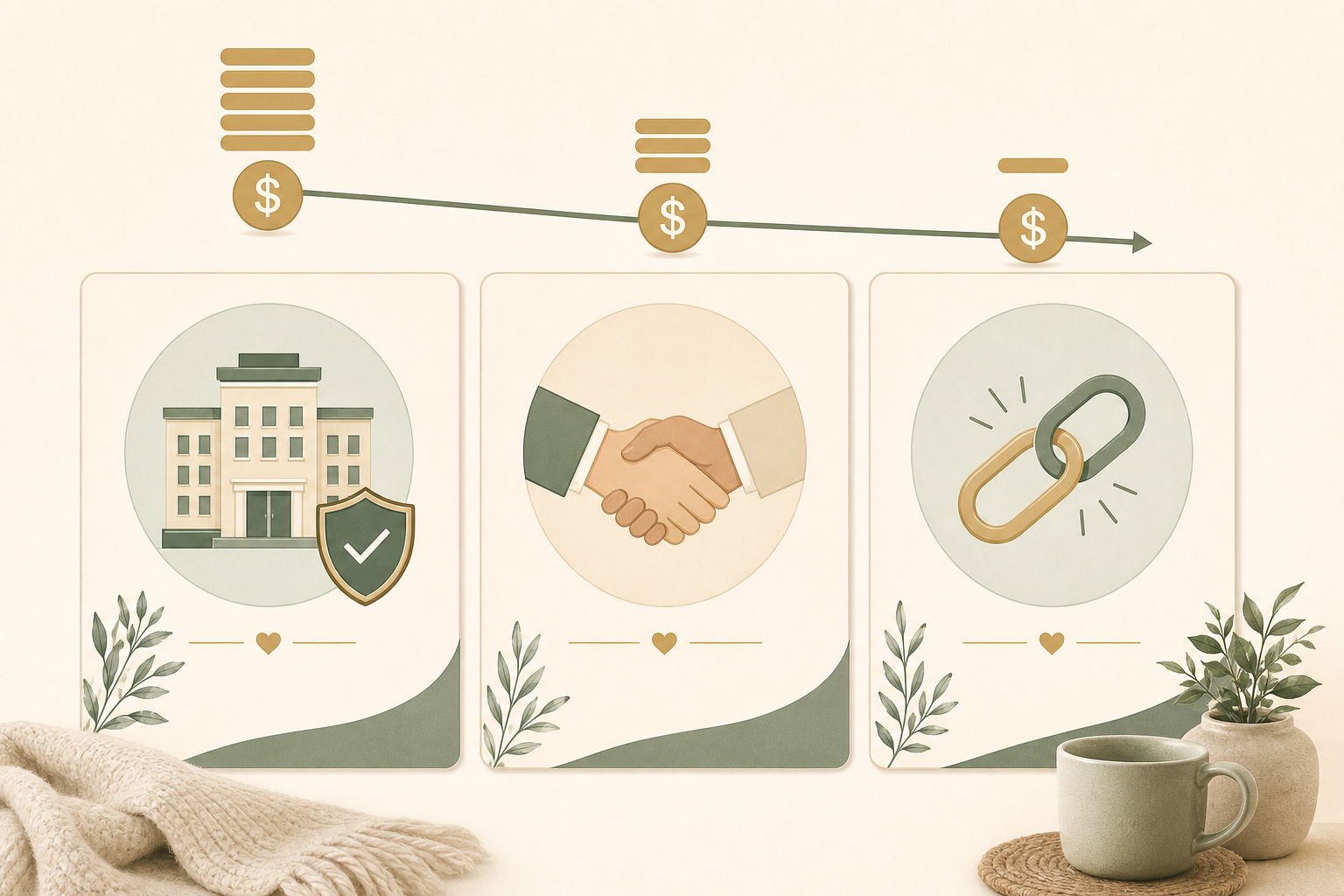
Once you know the care level and location, the next decision is how to hire. You have two primary paths: go through a home care agency or hire a caregiver directly. The cost difference is substantial, but so is the difference in what you get for your money.
| Factor | Agency Hire | Private (Direct) Hire |
|---|---|---|
| Typical family cost | $33 – $40 / hour (or $300 – $400 / day live-in) | $20 – $25 / hour (or ~$200 – $300 / day live-in) |
| Caregiver earnings | $16.96 / hour median (PayScale 2026) | $16.96 / hour median (same labor market) |
| Markup over caregiver wages | 30 – 50% | 0% (you pay the caregiver directly) |
| Insurance & workers’ comp | Included in agency fee | You must arrange or verify |
| Background checks | Performed by agency | You must conduct or verify |
| Backup caregiver | Agency provides if primary is sick | You must arrange yourself |
| Payroll taxes & withholding | Handled by agency | You are the employer (nanny tax applies) |
The agency markup of 30–50% is not pure profit. It covers workers’ compensation insurance, liability insurance, background checks, bonding, payroll taxes, and the administrative cost of scheduling backup caregivers. When you hire privately, you take on those responsibilities yourself. If the caregiver gets injured on the job and you do not have workers’ comp coverage, you could face significant liability.
That said, private hire can save you $300 to $600 per week or more, depending on your area. For families who have the time and organizational bandwidth to vet candidates, run background checks, and manage payroll, the savings are real. The median direct-hire live-in caregiver earns $16.96 per hour according to PayScale’s 2026 data, meaning a family paying $20–$25 per hour is already offering a premium over market rate.
Hidden Costs Families Often Miss
The daily or monthly rate you see on an agency’s website is rarely the full picture. Several additional costs can inflate your budget by 15–30% if you do not plan for them upfront.
- Overtime pay: If your parent needs more than 8 hours of active care in a day, or if the caregiver’s sleep is interrupted regularly, the arrangement may no longer qualify as a true live-in under FLSA rules. At that point, overtime pay (1.5x the hourly rate) kicks in for hours beyond 40 per week. This can add $200–$500 per week.
- Weekend and holiday premiums: Many agencies charge a premium of $2–$5 per hour for weekend shifts and double time for major holidays. If your live-in caregiver works every weekend, that premium alone can add $400–$800 per month.
- Backup caregiver costs: A live-in caregiver needs at least one full day off per week (often 24–48 hours). During that time, you will need a substitute caregiver, typically billed at the agency’s standard hourly rate. If you use a private caregiver, you must arrange and pay for backup coverage yourself.
- Room and board: If you hire through an agency, the daily rate usually includes a portion of the caregiver’s room and board. If you hire privately, you are providing a private room, meals, and utilities. The IRS considers the fair market value of lodging provided to a household employee as taxable income to the employee, which adds payroll complexity.
- Travel and transportation: If the caregiver uses their own vehicle to drive your parent to appointments or run errands, you may need to reimburse mileage at the IRS rate ($0.67/mile in 2026). Some agencies include this in the daily rate; others bill it separately.
Frequently Asked Questions About Live-In Caregiver Costs
Below are answers to the questions families ask most often when budgeting for live-in care.
How do I calculate the daily live-in rate from hourly figures? Most agencies do not bill 24 hours at the hourly rate for a live-in. Instead, they use a capped daily rate that covers 10–12 hours of active care. To estimate, take your state’s median hourly rate from the table above and multiply by 10 to 12. For example, in California at $38.50/hour, a live-in daily rate would be roughly $385–$462 per day. Always confirm the specific live-in rate with the agency — do not assume it is simply the hourly rate times 24.
Is live-in care cheaper than assisted living? The national median for assisted living in 2026 is $5,419 per month, according to A Place for Mom. Live-in care at $6,000–$10,500 per month is generally more expensive than assisted living, but it allows your parent to remain at home. The break-even point depends on your parent’s care needs and your local market. For a detailed comparison, see our article on when home care costs more than assisted living.
What happens if my parent needs more than 8 hours of active care per day? If your parent requires active assistance during the caregiver’s designated sleep period — for example, help getting to the bathroom twice a night — the live-in model may not work. Under FLSA rules, if the caregiver’s sleep is interrupted to the point where they do not get 5 uninterrupted hours, the entire sleep period becomes paid time. At that point, you are effectively paying for 24/7 care, and you should consider switching to a shift-based model with two or three caregivers.
Can I use a reverse mortgage to pay for a live-in caregiver? Yes. Reverse mortgages are well-suited to funding live-in care because the homeowner must remain in the home as a condition of the loan. The proceeds can be used to pay a caregiver directly or to cover agency fees. However, reverse mortgages have upfront costs and reduce the home equity available to heirs. Consult a HUD-approved counselor before proceeding.
Questions to bring to a clinician or OT
This is not medical, legal, or a family's final decision — only a framework. Bring these questions to a clinician, occupational therapist, or your local Area Agency on Aging.
Find Local HelpRelated reading
Noticed something outdated or inaccurate on this page? Flag a correction. We review every report against CDC, NIA, and AARP HomeFit guidance before updating a page.