
The Hidden Health Toll of Family Caregiving: What Every New Caregiver Needs to Know About Their Own Risks
Most new family caregivers focus entirely on their loved one and don't realize they face serious, documented health risks — from a 40-70% rate of clinically significant depression symptoms to immune system compromise that can last years. This article presents the data every new caregiver needs to know and offers a practical self-care framework for early intervention.
- Last Reviewed
- 2026-06-20

- new caregiver
- caregiver burnout
- caregiver stress
- caregiver health risks
- self-care
The Data Gap: Why Most New Caregivers Don't Know They're at Risk
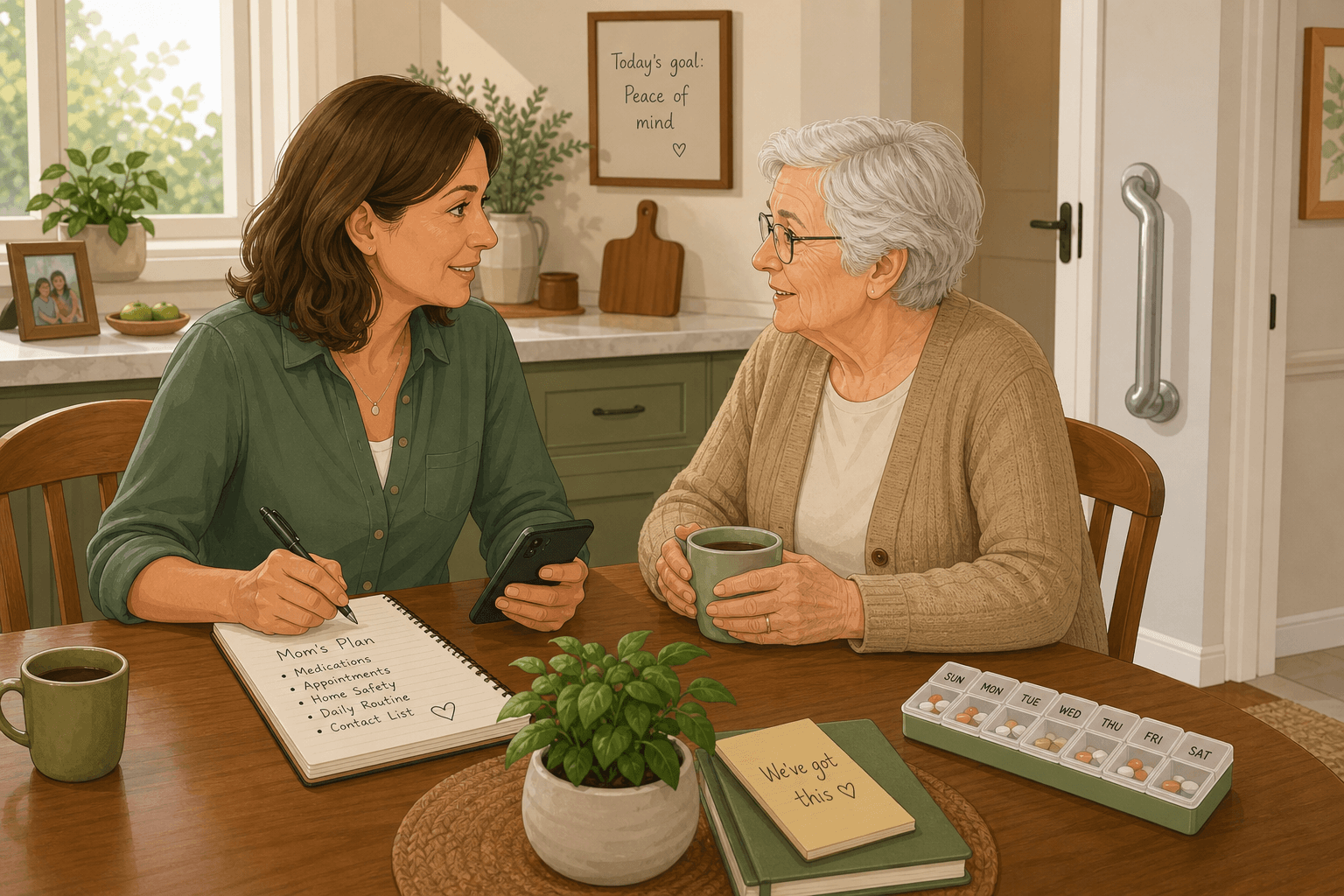
When you first step into the role of family caregiver, your attention naturally goes entirely to the person you're caring for. You're learning about medications, scheduling appointments, making the home safer, and trying to figure out what comes next. What you almost certainly are not doing is monitoring your own health for signs of decline. And that is precisely the problem.
The data paints a stark picture of what happens when caregivers don't know the risks they face. According to a 2025 survey of 1,029 family caregivers by A Place for Mom, only about 1 in 4 caregivers reported feeling completely prepared when caregiving began. Furthermore, 24% of those who found senior care in the past year said their need was immediate, meaning they were thrust into the role with zero time to prepare. This lack of preparation is not just an inconvenience; it is a direct pathway to the health consequences outlined below.
Continue Your Caregiving Journey
When you are ready, these resources can help with specific caregiving tasks.
- The True Cost of Elderly Care: What $34 Per Hour Doesn't Tell You About the Hidden Financial Burden on Family Caregivers
The $34–$35/hr headline cost of professional in-home care masks a much larger financial story for family caregivers. This article reveals the hidden costs — lost wages, depleted savings, and reduced retirement — that can dwarf the hourly rate, and provides a budgeting framework and resources to help adult children navigate the full financial picture.
- The Emotional Realities of Caring for Aging Parents: Role Reversal, Anticipatory Grief, and the Guilt No One Talks About
This article validates the emotional weight of caring for aging parents — role reversal grief, anticipatory loss, and caregiver guilt — and offers a self-compassion framework grounded in research, along with boundary-setting scripts and guidance on when to seek professional support.
- How to Have the Hard Conversations with Aging Parents: A Practical Guide to Talking About Driving, Money, Independence, and Care Needs
A structured, empathetic framework for adult children who need to have difficult conversations with aging parents about driving safety, memory concerns, finances, moving from home, and end-of-life wishes — with specific scripts and strategies grounded in research from AARP and Banner Health.
Comments
Join the discussion with an anonymous comment.