
STEADI: Intervene
How to Spot Hypothermia in Elderly Parents This Winter
Learn the early and late hypothermia warning signs in elderly parents, the 95°F danger threshold, and the exact steps to take while waiting for 911 — plus the indoor-heat and check-in habits that prevent cold exposure before it becomes an emergency.
A parent can be sitting in a room that feels comfortable to you and still be becoming dangerously cold. Older adults lose body heat faster, may not notice the cold as reliably, and may show little or no shivering. A thermostat setting, a blanket, or a calm conversation is not enough to rule out hypothermia.
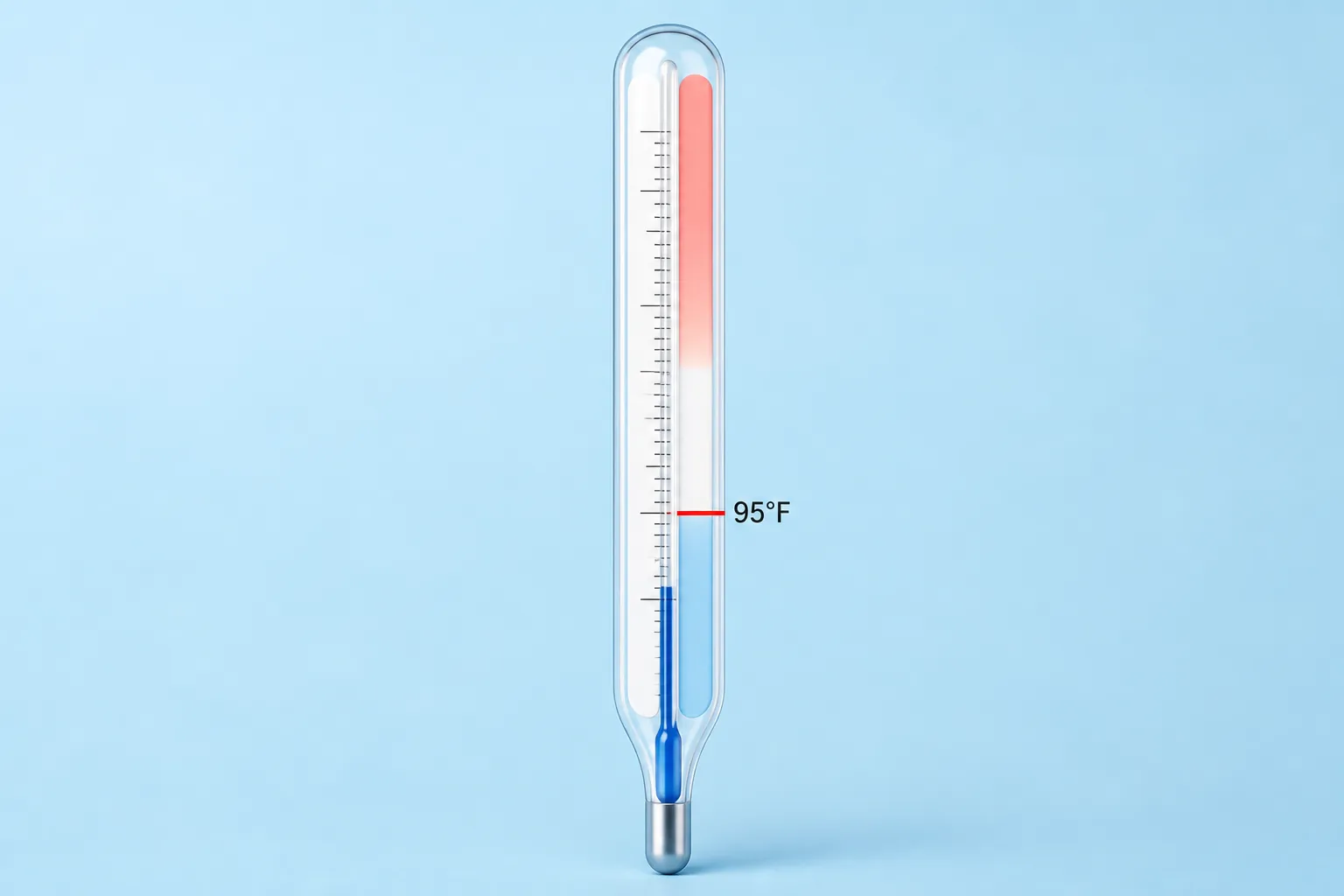
For an older adult, a body temperature of 95°F or lower is a danger threshold requiring immediate medical attention. Hypothermia at that level can lead to serious complications, including heart attack, kidney problems, and liver damage. [1]
This guide is not a substitute for professional evaluation. If you suspect hypothermia, call 911 and follow the emergency steps below.
Early signs are easy to explain away
The first changes may look like ordinary tiredness, aging, or a bad day. Check the person rather than accepting “they seem fine,” especially if the home is cold, the heating has failed, or the parent lives alone.
- Cold hands and feet. Touch can reveal a problem before the person admits feeling cold.
- A puffy or swollen-looking face.
- Pale skin.
- Shivering, although shivering may be mild or absent in an older adult.
- Slower speech or speech that sounds slurred.
- Unusual sleepiness or a level of fatigue that is out of character.
- Confusion, irritability, or difficulty answering familiar questions.
A parent does not need to look visibly distressed for these signs to matter. Someone may continue talking, watching television, or walking around while speech slows and judgment changes. A missed medication, an untouched meal, or an unusually delayed response at the door can add context, but the immediate concern is the change in condition and the person's temperature.
Do not use the absence of shivering as reassurance. Older adults may shiver less or not at all, making a cold body harder to recognize without checking for other changes. [2][3]
Late signs mean the situation is narrowing
More advanced hypothermia affects movement, breathing, and consciousness. Treat any of the following as an emergency, particularly when several appear together:
- Slow movement or trouble walking.
- Clumsiness, dropping objects, or difficulty using the hands.
- Stiff or jerky movements.
- A slow heartbeat.
- Slow, shallow breathing.
- Loss of consciousness or inability to respond normally.
If the parent has fallen, cannot walk safely, is becoming less responsive, or has slow breathing, do not spend time trying to warm them through ordinary household routines. Call 911 immediately. Hypothermia-related deaths are especially concentrated among the oldest adults: in 2019, the rate for adults age 85 and older was 4.6 per 100,000 in urban areas and 8.6 per 100,000 in rural areas, the highest rate among the age groups reported. [4]
What to do while waiting for 911
Once you see concerning signs or a temperature at or below 95°F, use a simple sequence. A neighbor or home-care aide should be able to follow it while you stay on the phone.
- Call 911. State that you suspect hypothermia, give the person's temperature if it is available, and describe changes in speech, movement, breathing, or alertness.
- Move the person to a warmer area if this can be done safely. Keep them away from the cold floor, drafts, and wet clothing.
- Remove wet clothing and gently cover the person with dry blankets, towels, coats, or other warm layers. Cover the head as well.
- If the person is fully awake and able to swallow, offer a warm, non-alcoholic, non-caffeinated drink.
- Stay with the person and monitor their breathing and responsiveness until help arrives. Follow the dispatcher's instructions.
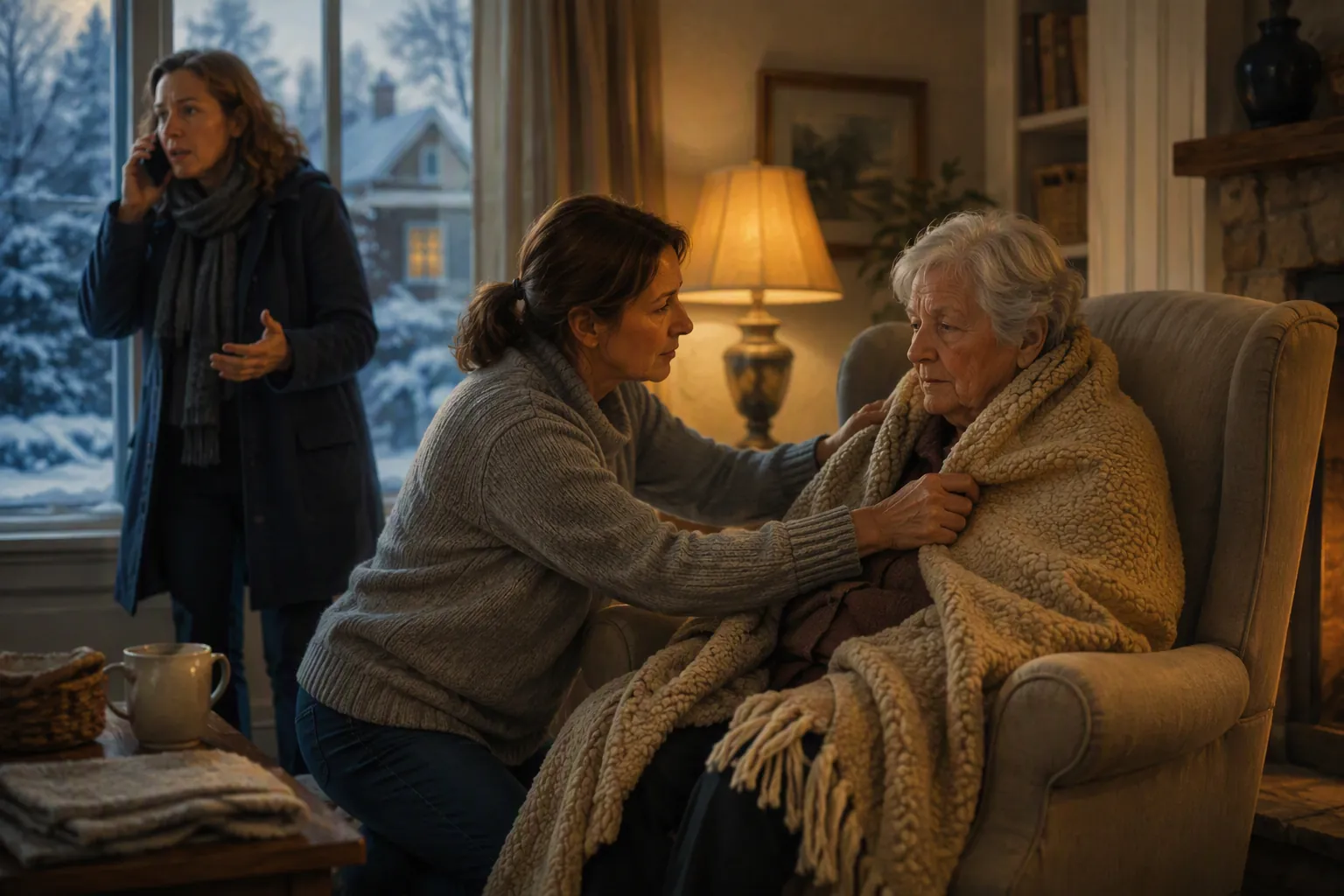
Do not rub or massage the person's arms, legs, hands, or feet. Do not put them in a hot bath, and do not apply a heating pad or other direct heat. These actions can injure cold skin or place additional stress on the body. [2]
Do not give a drink to someone who is confused, very drowsy, unconscious, or having trouble swallowing. Do not leave the person alone to search for supplies or wait for a family member to decide whether the symptoms are serious.
Prevent the cold room from becoming the emergency
The National Institute on Aging recommends keeping the home at least 68–70°F for older adults. A home kept at 60–65°F may not be warm enough, particularly for someone who lives alone or cannot adjust the heat quickly. [1] Other organizations publish somewhat different minimums and ranges, so use the NIA standard as the primary benchmark rather than treating every thermostat number as a universal rule.
- Check the thermostat during every visit or scheduled call, and confirm that the heat is actually running in the rooms the parent uses.
- Arrange a daily in-person check or a reliable call-and-response routine when the parent lives alone. A missed call should trigger a defined follow-up, not an assumption that the phone was out of reach.
- Keep dry blankets, warm clothing, socks, and a charged phone within easy reach of the usual chair or bed.
- Ask directly about heating problems, drafts, power interruptions, and difficulty paying the utility bill. A low thermostat may reflect cost rather than preference.
- Use a written contact plan that names the neighbor, aide, or family member who will enter the home if the parent does not answer.
For broader preparation, the Winter Storm Preparation Checklist for Seniors at Home covers cold rooms, power loss, and heating hazards. The prevention work is practical: someone checks the temperature, someone notices a missed response, and someone knows what to do before the parent is left waiting in a cold house.
Older adults do not have to say they feel cold for hypothermia to be real. Trust the combination of the 95°F threshold, changes in speech or behavior, movement and breathing problems, and the check-in routine. When those signals point toward danger, call 911 and treat signs as more reliable than comfort.
References
- Cold Weather Safety for Older Adults, National Institute on Aging
- Hypothermia: A Cold Weather Hazard, National Institute on Aging
- Cold Weather Winter Safety Tips for Older Adults, Iona Senior Services
- Death Rates Attributed to Excessive Cold or Hypothermia Among Persons Aged 15 Years or Older, by Urban-Rural Status and Age Group, CDC National Center for Health Statistics
Related reading
Noticed something outdated or inaccurate on this page? Flag a correction. We review every report against CDC, NIA, and AARP HomeFit guidance before updating a page.
Part of the Fall Prevention section.