
Could Leukemia Be Behind Your Parent's Unexplained Falls?
Learn how undiagnosed leukemia can cause falls in older adults through anemia, fatigue, and other symptoms often mistaken for aging. Discover the warning signs and how modern treatments can reduce both cancer risk and fall risk.
The fall that worries me most is not always the dramatic one. It is the quiet one in a familiar hallway, with no wet floor, no loose cord, no obvious reason. An older parent says the rug caught their foot, or that they stood up too fast, or that they are “just tired.” Maybe that is true. But when the room does not explain the fall, the body deserves a closer look.
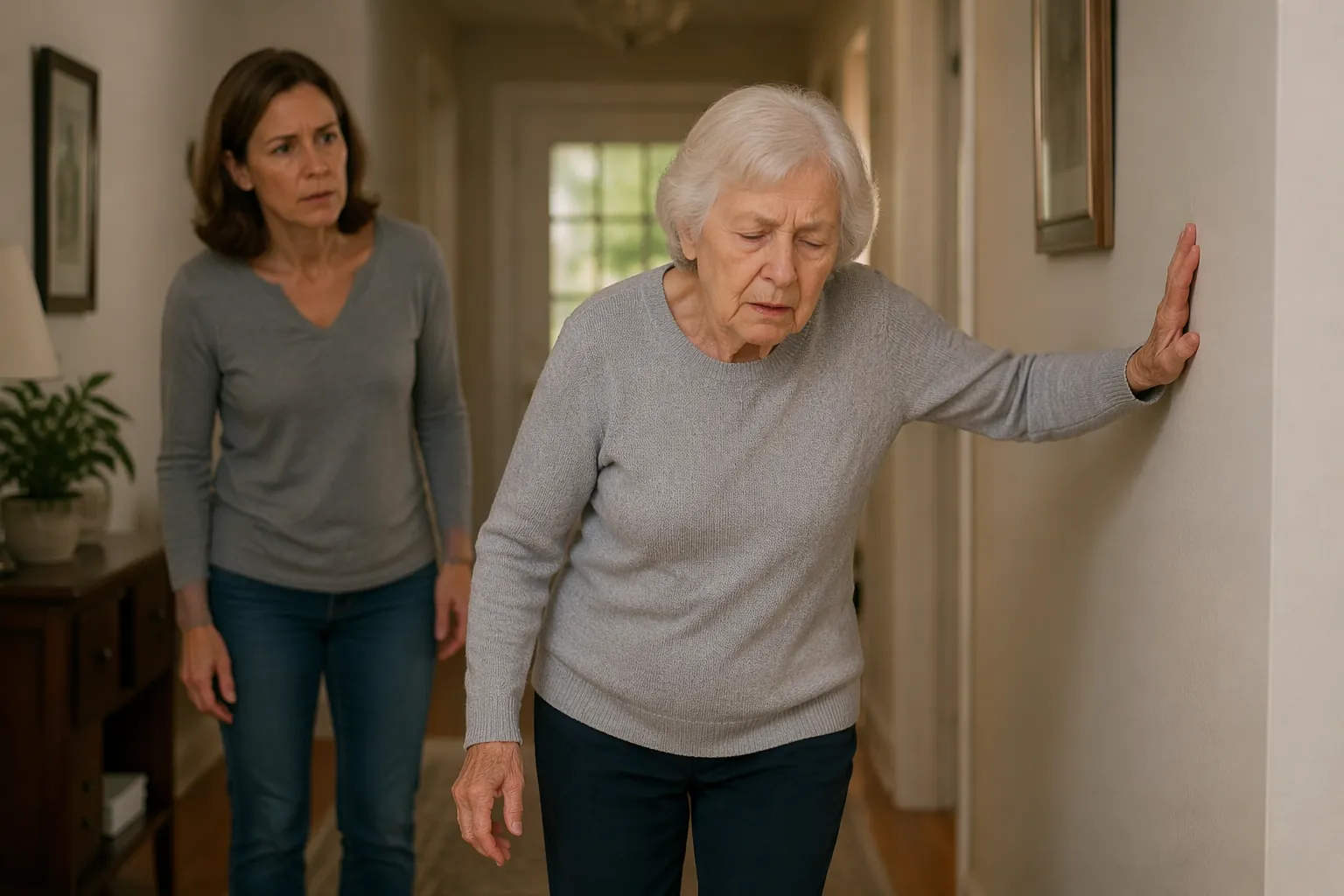
One medical question belongs on the table earlier than many families expect: could a blood problem such as leukemia be contributing to the fall risk? Not because every stumble is cancer. Not because leukemia can be diagnosed from a fall. But because symptoms and treatment options for leukemia in older adults often enter a family’s life through ordinary changes first: weakness, breathlessness, bruising, infections, fatigue that rest does not fix.
There is not one clean study proving “leukemia causes falls” as a standalone pathway. The concern is built from two lines of evidence that meet in real life: leukemia can cause anemia, fatigue, infections, easy bleeding or bruising, and weakness; and those same problems can make an older adult less steady, less resilient, and less able to recover from a small loss of balance. That is enough to justify a basic medical screen when a fall is unexplained.
Why anemia can turn into a fall
The most practical place to start is anemia. In leukemia, abnormal blood-forming cells can crowd the bone marrow and interfere with normal blood cell production. When red blood cells are low, the body has less capacity to carry oxygen to muscles and the brain. The American Cancer Society lists tiredness, weakness, feeling cold, dizziness or lightheadedness, headaches, pale skin, and shortness of breath among symptoms that can come from too few red blood cells in acute myeloid leukemia.[1]
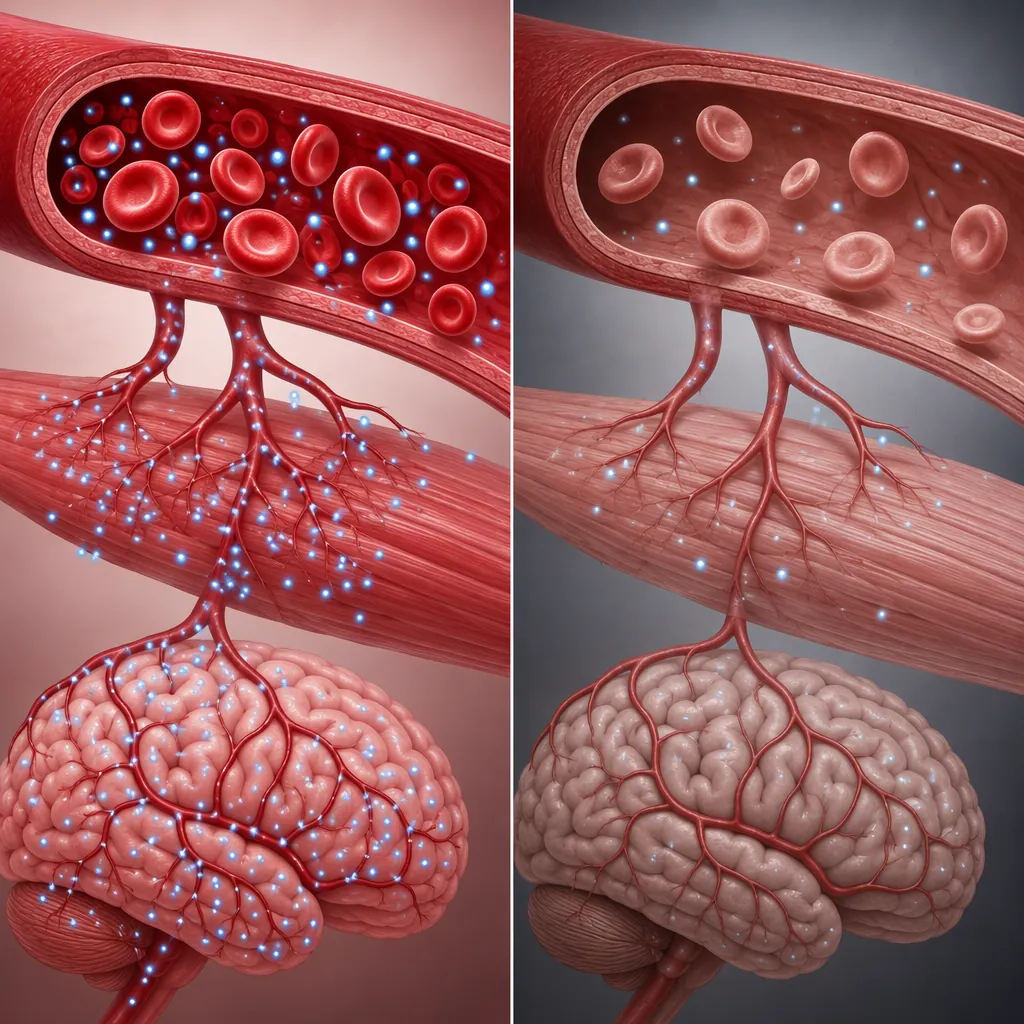
That list sounds clinical until you picture the day. A parent who used to walk to the mailbox now stops halfway. Someone who once carried groceries in one trip now leans on the counter after lifting a bag. They are not necessarily dizzy in the way people imagine dizziness. They may describe it as heaviness, shakiness, needing to sit, or “my legs just gave out.”
A fall often happens at the edge of that reserve. Standing from a chair, turning in a bathroom, stepping over a threshold, walking while mildly short of breath: these are small demands. If oxygen delivery is already compromised, the margin narrows. The muscles respond more slowly. The brain gets less of what it needs for quick balance corrections. A near-fall becomes a fall.
Anemia is not the only blood-related route. Low platelets can lead to easy bruising, nosebleeds, bleeding gums, or heavier bleeding from small cuts; abnormal white blood cells can leave a person more vulnerable to infections; and infection can bring weakness, dehydration, confusion, and deconditioning.[1] Mayo Clinic’s general leukemia symptom list also includes fatigue, frequent or severe infections, easy bleeding or bruising, recurrent nosebleeds, bone pain or tenderness, excessive sweating, weight loss, and enlarged lymph nodes.[2]
This is why the fall conversation should not stop at shoes and throw rugs. Home hazards matter, and fixing them prevents injuries. But if the same parent is newly breathless, newly bruised, newly exhausted, or repeatedly sick, the fall may be one visible consequence of a medical decline that needs testing.
The symptom cluster caregivers actually notice
Leukemia symptoms in older adults can be easy to misfile because they borrow the language of aging. Healthline describes chronic lymphocytic leukemia and acute myeloid leukemia as leukemia types seen in older adults, with symptoms such as fatigue, shortness of breath, bruising or bleeding, frequent infections, weight loss, night sweats, and bone or joint pain.[3] None of those symptoms, standing alone, automatically points to leukemia. Together with an unexplained fall, they deserve more attention.
- Fatigue that does not improve with a normal night’s sleep, especially when it changes daily routines.
- Shortness of breath during simple tasks such as walking across a room, bathing, dressing, or climbing a few stairs.
- Bruises that seem too large for the bump, appear without a remembered injury, or are accompanied by nosebleeds or bleeding gums.
- Frequent infections, slow recovery, repeated fevers, or a general slide after illnesses that used to be minor.
- Unexplained weight loss, night sweats, bone pain, or tenderness that is not explained by a known injury.
The key word is change. A lifelong slow walker is different from a parent who suddenly needs furniture to cross the room. Someone who has always bruised easily is different from someone who now looks bruised after light contact. A person recovering from a known flu may be tired for a while; a person who has weeks of worsening fatigue, infections, bruising, and falls needs medical evaluation.
It also matters that many older adults minimize symptoms. They may be trying to avoid the emergency room, protect their independence, or spare their children worry. Families sometimes participate without meaning to: “Dad is getting older,” “Mom has always been stubborn,” “everyone slows down.” Those explanations can be comforting, but they are not a diagnosis.
Ask for the bloodwork, not a home diagnosis
The practical hinge is a CBC with differential. A complete blood count checks red blood cells, white blood cells, hemoglobin, hematocrit, and platelets; the differential gives more detail about types of white blood cells. It cannot answer every question by itself, but it can show anemia, abnormal white blood cell patterns, and low platelets that should not be waved away.
A CBC with differential is especially reasonable when a fall or near-fall comes with unexplained fatigue, shortness of breath, bruising, repeated infections, weight loss, night sweats, or bone pain. Healthline notes that leukemia may be diagnosed through blood tests, including a CBC and blood smear, followed by additional testing when needed.[3]
This request fits naturally inside a broader fall-risk assessment. The CDC STEADI approach encourages clinicians to screen fall risk, review medications, assess gait and balance, check vision and feet, and address medical contributors. If you are building that kind of plan, CareWise Guide’s STEADI fall prevention action plan can help organize the appointment questions without turning the visit into guesswork.
The wording can stay simple: “She had an unexplained fall and has been more fatigued and short of breath. Could we include a CBC with differential and check for anemia, infection, platelet problems, and other medical causes?” That is not demanding a leukemia workup from the doorway. It is asking that the fall be treated as a health event, not just a housekeeping problem.
If the fall caused head injury, chest pain, new confusion, one-sided weakness, fainting, severe pain, uncontrolled bleeding, or inability to stand or walk safely, the path is more urgent. For immediate triage after a fall, use the first 24 hours after an elderly parent falls guide or the broader post-fall senior health services pathway. Bloodwork matters, but it does not replace emergency evaluation when red flags are present.
If leukemia is found, treatment can matter for fall risk too
The word leukemia lands hard. A family looking for the cause of a fall may not be emotionally prepared for a cancer discussion. Still, it is worth saying clearly: finding leukemia is not the same as saying nothing can be done.
Two leukemias come up often in older adults: chronic lymphocytic leukemia, or CLL, and acute myeloid leukemia, or AML. Healthline describes CLL as common in older adults and often slow growing, while AML is more aggressive and also occurs more often with age.[3] Many cases are first noticed because routine bloodwork looks abnormal before anyone has a neat symptom story.
Treatment decisions depend on the leukemia type, genetic and molecular findings, overall health, kidney and liver function, infection risk, goals of care, and what the older adult can realistically tolerate. That belongs with hematology-oncology. But for fall prevention, the reason treatment matters is straightforward: if therapy improves anemia, fatigue, breathlessness, infections, or overall strength, it may also improve the body conditions that made falling more likely.
In AML, modern lower-intensity targeted combinations changed the conversation for older or medically unfit adults. A review of AML treatment in older adults describes the VIALE-A trial, in which venetoclax plus azacitidine showed median overall survival of 14.7 months compared with 9.6 months for azacitidine alone; about 60% of trial participants were age 75 or older.[4] Those numbers are not a promise for one person, but they do show why diagnosis can open options beyond old assumptions about intensive chemotherapy.
Data presented in 2024 also pushed against automatic fatalism for the oldest patients. In a study of patients ages 80 to 92 receiving venetoclax with a hypomethylating agent, 73% achieved complete remission or complete remission with incomplete count recovery.[5] That is a specialist conversation, not a family decision made from an article, but it matters when someone has been told, directly or indirectly, that advanced age means there is no point looking.
CLL is different. Some people are monitored before treatment begins, while others receive therapy when symptoms, blood counts, lymph node changes, or disease behavior call for it. Current care often uses oral targeted therapies, including BTK inhibitors and venetoclax-based approaches, rather than older chemoimmunotherapy for many patients. SEER data from 2015 to 2021 put 5-year relative survival for CLL at about 91% for ages 65 to 74 and about 81% for ages 75 and older.[6]
Those survival figures may lag newer options available by 2026, and they cannot predict an individual outcome. They are useful for one more modest reason: they remind families that a leukemia diagnosis in an older adult is not automatically the end of useful care. The next right question is not “How bad is this word?” but “What type is it, what is it doing to the body, and what treatment or monitoring plan fits this person?”
What to do after the unexplained fall
After an unexplained fall, it is reasonable to inspect the home. Look at lighting, footwear, bathroom surfaces, thresholds, cords, rugs, stairs, and assistive devices. If the pattern continues, CareWise Guide also has resources on when falls may signal the need for 24-hour care and when to bring in an occupational therapist or aging-in-place specialist.
But do not let the home inspection become the whole investigation when the body is sending other signals. A parent with new falls plus fatigue, easy bruising, frequent infections, weight loss, night sweats, shortness of breath, bone pain, dizziness, or unusual weakness needs prompt medical contact. Ask for a fall-risk assessment that includes a CBC with differential and review of other common medical contributors.
One stumble after an obvious trip does not need to become a cancer scare. An unexplained fall paired with a changed body should not be filed under aging alone.
References
- Signs and Symptoms of Acute Myeloid Leukemia (AML). American Cancer Society.
- Leukemia - Symptoms and causes. Mayo Clinic.
- Leukemia in Older Adults: Types, Symptoms, and More. Healthline.
- Treatment of Acute Myeloid Leukemia in Older Adults. PMC.
- Venetoclax Plus Hypomethylating Agents Highly Effective in Very Elderly Patients With AML. American Society of Hematology, 2024.
- Cancer Stat Facts: Leukemia — Chronic Lymphocytic Leukemia (CLL). SEER.
Related reading
Noticed something outdated or inaccurate on this page? Flag a correction. We review every report against CDC, NIA, and AARP HomeFit guidance before updating a page.
Part of the Fall Prevention section.