
Clinical term
Is Your Levothyroxine Affected by the 2026 Recall?
Last verified 2026-07-28
No, not every levothyroxine prescription is affected by the 2026 recall. The July 2026 Major Pharmaceuticals recall involves specific strengths and lot numbers reported in the FDA Enforcement Report, not all levothyroxine tablets and not every pharmacy bottle on a kitchen table.[1][2]
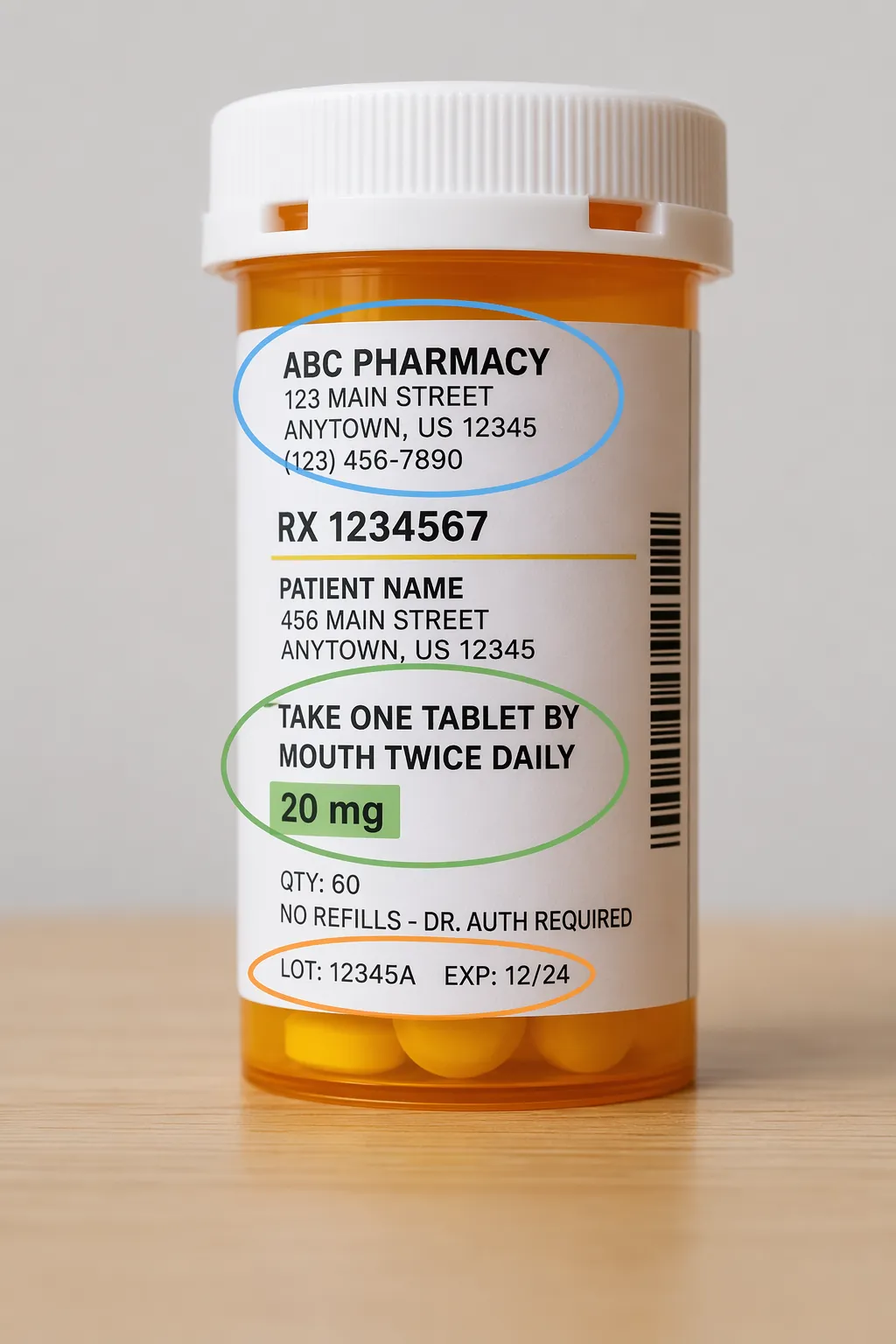
The safe first move is boring but important: check the bottle, do not guess. Match the manufacturer, strength, and lot number on your prescription label against the recall information, then call the pharmacy if anything is unclear. Do not skip tomorrow’s pill or change the dose unless your prescriber tells you to.

Is my levothyroxine part of the 2026 recall?
Maybe, but most levothyroxine prescriptions will not be affected. The Major Pharmaceuticals recall was listed as a Class II recall for subpotency and covered 7 specific strengths with identified lot numbers, according to reporting on the FDA Enforcement Report.[1][2]
That means the word “levothyroxine” on your label is not enough to answer the question. Two people can take the same dose, buy from the same pharmacy chain, and still have bottles from different manufacturers or lots.
| What to check | Where to look | Why it matters |
|---|---|---|
| Manufacturer | Prescription bottle label or pharmacy printout | The July recall is tied to specific manufacturers, not the whole medication category |
| Strength | Usually shown in mcg, such as 50 mcg or 100 mcg | Only certain strengths were included in the reported recall |
| Lot number | Bottle label, pharmacy records, or pharmacist lookup | The lot number is what confirms whether your exact supply is affected |
If your bottle does not show the lot number clearly, that is not a reason to make a medication decision alone. It is a reason to call the pharmacy. Pharmacists can often look up the manufacturer and lot information from dispensing records, especially if the tablets were filled recently.
What should I do right now with the bottle in my hand?
- Keep taking levothyroxine as prescribed unless your clinician tells you otherwise.
- Read the label for the manufacturer, strength, and lot number.
- Compare those details with the recall notice or ask the pharmacist to check them.
- If the bottle may match, ask the pharmacist whether a replacement supply is available and whether your prescriber needs to be contacted.
- Write down any new fatigue, weakness, constipation, slowed thinking, gait change, or balance change over the next several weeks.
The step people are tempted to take—stopping the medication until everything is sorted out—is usually the unsafe one. Levothyroxine replaces thyroid hormone the body is not making enough of. Abruptly stopping or changing the dose can create a bigger problem than continuing briefly while the pharmacy and prescriber verify the lot.
If you want a deeper lot-checking walkthrough, use Thyroid Medication Recall Safety for Seniors or the action-first guide Thyroid Medication Recalled? What Seniors Need to Do First.
What does “Class II recall” mean?
A Class II recall means the product may cause temporary or medically reversible health effects, with a remote probability of serious harm.[3] In plain terms: do something, but do not treat the headline like a command to stop your medicine on the spot.
This is different from a situation where a drug is being recalled because it contains the wrong ingredient or a dangerous contaminant. The reported concern here is subpotency.
What does “subpotent” mean for levothyroxine?
Subpotent means the tablet may contain less active medication than it is supposed to. It does not mean the pill is poison. It also does not mean it is harmless, especially for an older adult whose thyroid dose has been carefully adjusted over time.
If a person takes a subpotent levothyroxine tablet, the practical concern is under-treatment: hypothyroid symptoms can slowly return. That may not look dramatic at first. For an older adult, the first signs may be a little more fatigue, more constipation, slower thinking, new confusion, muscle weakness, or a change in walking.
The American Thyroid Association notes that older patients may have only 1 or 2 symptoms rather than the full classic hypothyroid pattern, and it lists symptoms such as fatigue, confusion, constipation, and gait problems as possible signs in older adults.[4] That is why a recall check should include symptom watching, not just a phone call to the pharmacy.
Why does this matter for fall risk?
The recall notice itself does not prove that affected tablets caused falls. The fall concern is more practical: if an older adult becomes more tired, weaker, foggier, or less steady because thyroid levels drift too low, the home becomes less forgiving.
Watch the small changes that usually get explained away. A parent who starts holding furniture while walking to the bathroom, leaves meals unfinished because getting up feels like too much effort, or seems slower managing pills may not say, “My thyroid is off.” They may only say they feel old, tired, or “not right.”
That is enough to report if the bottle is affected or uncertain. It is not enough to diagnose the problem at home. The prescriber may decide whether thyroid labs, dose review, replacement tablets, or a sooner visit make sense.
For broader home-safety context, the Fall Prevention FAQ for Seniors and Caregivers can help you separate medication concerns from lighting, footwear, hydration, vision, and other common fall contributors.
Which symptoms should seniors and caregivers watch for?
Use this as a monitoring list, not a self-diagnosis checklist. A single symptom can have many causes, including infection, dehydration, depression, sleep problems, medication interactions, or another medical issue.
- New or worsening fatigue that changes daily routines
- Muscle weakness, especially rising from a chair or climbing stairs
- Slower thinking, confusion, or unusual forgetfulness
- Constipation that is new or clearly worse than usual
- Gait changes, shuffling, unsteadiness, or holding walls and furniture
- Cold intolerance, low mood, or feeling unusually slowed down
If you are a caregiver, write changes down with dates. “Mom seemed weaker this week” is easy to lose in a busy appointment. “Since July 20, she has needed both hands to stand from the kitchen chair and has skipped two walks” gives the clinician something usable.
If these changes are also raising concerns about whether an older adult is managing safely at home, Is It Time to Step In? 5 Signals of Declining Capacity can help organize what you are seeing before the next call or visit.
Who should call the doctor or pharmacist sooner?
Call sooner if the bottle matches an affected lot, if the lot number cannot be confirmed, or if new symptoms appear after using a potentially affected supply. Do not wait for a routine refill if there is a clear change in strength, alertness, walking, or balance.
Older adults with heart disease deserve especially careful follow-up because thyroid dose changes can affect the heart. The American Thyroid Association describes a “start low and go slow” approach for thyroid hormone treatment in many older patients, especially where heart disease is a concern.[4]
Also call promptly if the person has osteoporosis, a recent fall, frequent dizziness, uses a walker or cane, or takes medications where a fall would carry higher consequences, such as anticoagulants. The recall does not prove a fracture risk by itself, but a wobblier week matters more in someone who is already fragile.
If the medication was affected and you are preparing for a visit, consider asking directly for a fall-risk review. How to Advocate for a Fall Risk Assessment at Your Parent’s Next Doctor Visit can help turn vague worry into specific questions.
Were there other levothyroxine recalls in 2026?
Yes. The July Major Pharmaceuticals recall is not the only levothyroxine issue reported in 2026. Macleods Pharma had a February 2026 recall involving 150 mcg levothyroxine and 1,315 bottles, according to NDCList.[5] Accord Healthcare had a June 2026 recall involving 300 mcg levothyroxine and 6,432 bottles, according to MedShadow.[6]
That does not mean every 2026 levothyroxine prescription is suspect. It means the manufacturer and lot check matters. A person who only asks, “Is levothyroxine recalled?” will get an answer that is too broad to be safe.
Does bone density research change what I should do today?
Not directly. Early research presented at RSNA 2024 looked at 81 levothyroxine users aged 65 and older and suggested possible bone-density concerns, but it was conference-presented research rather than a full peer-reviewed manuscript.[7] It should not be used to claim that this recall causes fractures.
For today, the bone-health point is simpler: if an older adult already has osteoporosis or a history of falls, delays and guesswork matter. Confirm the lot, keep dose decisions with the clinician, and report any new weakness or unsteadiness before it becomes a fall.
What should I ask the pharmacist?
- Can you confirm the manufacturer, strength, and lot number for my most recent levothyroxine fill?
- Does this bottle match any 2026 recall information?
- If it matches, should I receive replacement tablets, and when?
- Should my prescriber be contacted today or before my next refill?
- If I have already taken tablets from this lot, what symptoms should prompt a same-day call?
If you manage medications for a parent, put the bottle in front of you before calling. Have the prescription number, fill date, strength, and prescriber name ready. That keeps the call from becoming a guessing game.
What is the safest answer for seniors?
Treat the levothyroxine recall 2026 as a limited recall that needs verification, not panic. Check the manufacturer, strength, and lot number. Keep taking the medication unless a clinician says otherwise. Call the pharmacy or prescriber if the bottle matches, might match, or cannot be confirmed.
For an older adult, the quiet part deserves attention: fatigue, weakness, slowed thinking, constipation, gait changes, and balance changes can be the first signs that something is off. Report them early, especially when heart disease, osteoporosis, anticoagulant use, or prior falls are already part of the picture.
References
- Thyroid Medication Levothyroxine Sodium Recalled Nationwide, Prevention
- Thyroid medicine levothyroxine recalled nationwide: FDA, NewsNation
- Levothyroxine Recall 2026, Passion Health Primary Care
- Older Patients and Thyroid Disease, American Thyroid Association
- NDC 33342-397 Recalls, NDCList
- FDA Recalls and Warnings: Generic Adderall XR Mix-Up, Subpotent Levothyroxine, Moringa Salmonella, MedShadow
- Does Synthroid Cause Bone Loss? What to Know About New Research, Health.com
Browse more in the Glossary.