Sundowning in Dementia: Causes, Triggers, and How to Respond
By Editorial Team
sundowning
dementia communication
BPSD
sleep disturbances
caregiver stress
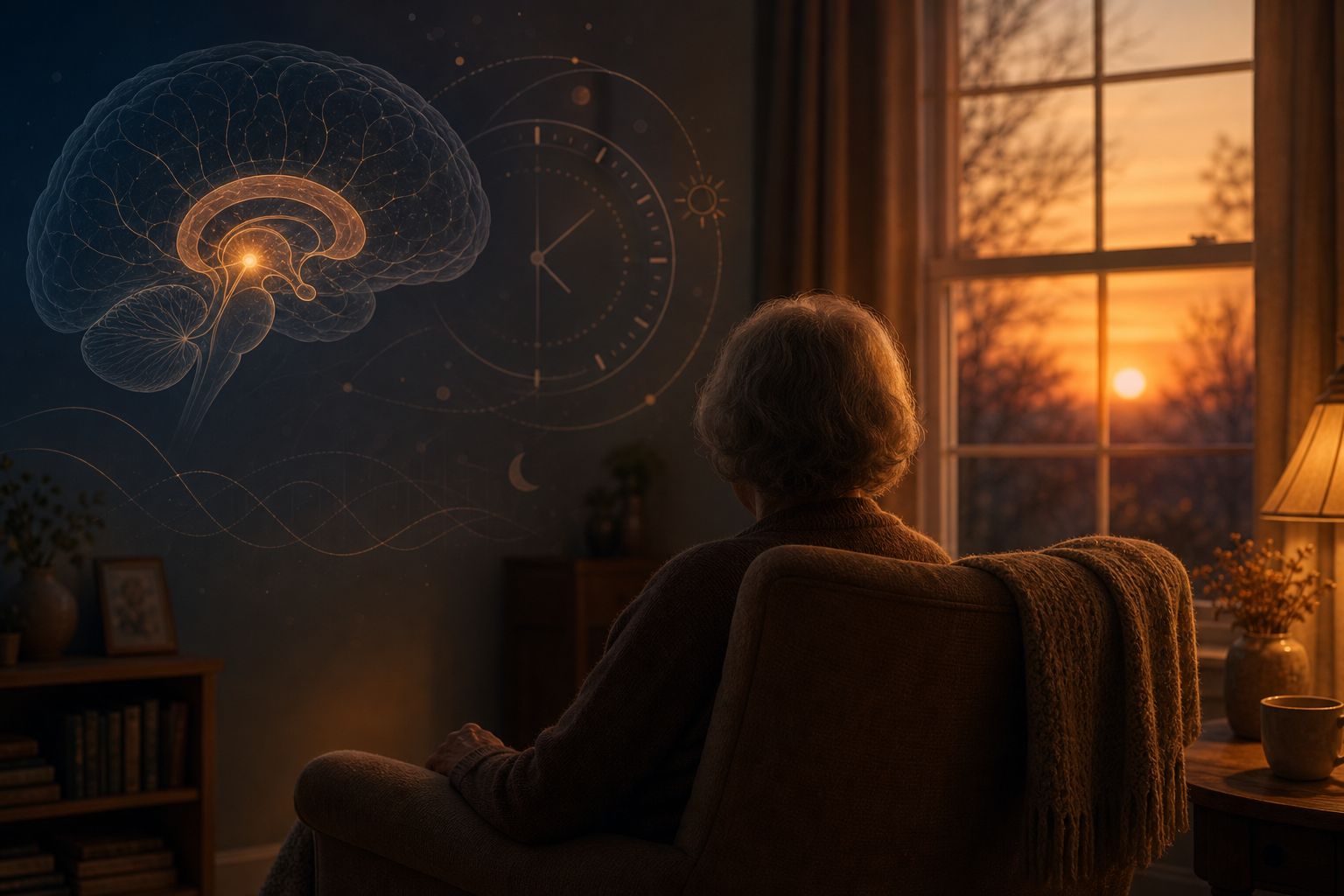
Sundowning is a neurobiological phenomenon, not a behavioral choice. Understanding the brain science behind it is the first step toward effective caregiving.
What Is Sundowning? Recognizing the Pattern
If you have noticed that your parent with dementia becomes noticeably more confused, agitated, or restless as the afternoon fades into evening, you are observing a phenomenon known as sundowning. It is not a disease itself but a cluster of neuropsychiatric symptoms that emerge or worsen in the late afternoon and early evening. The behaviors can vary widely from one person to the next, but they follow a distinct daily pattern that sets sundowning apart from other dementia-related behaviors.
Common signs of a sundowning episode include:
Increased confusion and disorientation about time, place, or people
Agitation, restlessness, pacing, or wandering
Anxiety, fearfulness, or crying
Irritability or verbal aggression
Shadowing — following the caregiver from room to room
Paranoia, delusions, or hallucinations
Difficulty settling down or insomnia
Sundowning typically begins during the middle and later stages of Alzheimer's disease and other dementias. It can persist for months or years, often continuing as long as the underlying triggers remain present. The prevalence of sundowning varies widely depending on the study setting and how it is defined. According to the Alzheimer's Association, as many as 20% of people diagnosed with Alzheimer's disease experience sundowning at some point. Broader reviews, including a 2016 analysis in Frontiers in Neurology, report a range of 2.5% to 66% depending on the population studied and how symptoms are measured. Rates tend to be higher in institutional settings, where environmental factors and advanced disease are more common.
Why Sundowning Happens: The Brain Science Caregivers Need to Know
One of the most important things a caregiver can understand about sundowning is this: it is not willful behavior, and it is not your fault. The confusion and agitation that emerge in the late afternoon are rooted in physical changes to the brain caused by dementia. When you understand the neurobiology, it becomes easier to depersonalize the behavior and respond with strategies that target the actual cause.
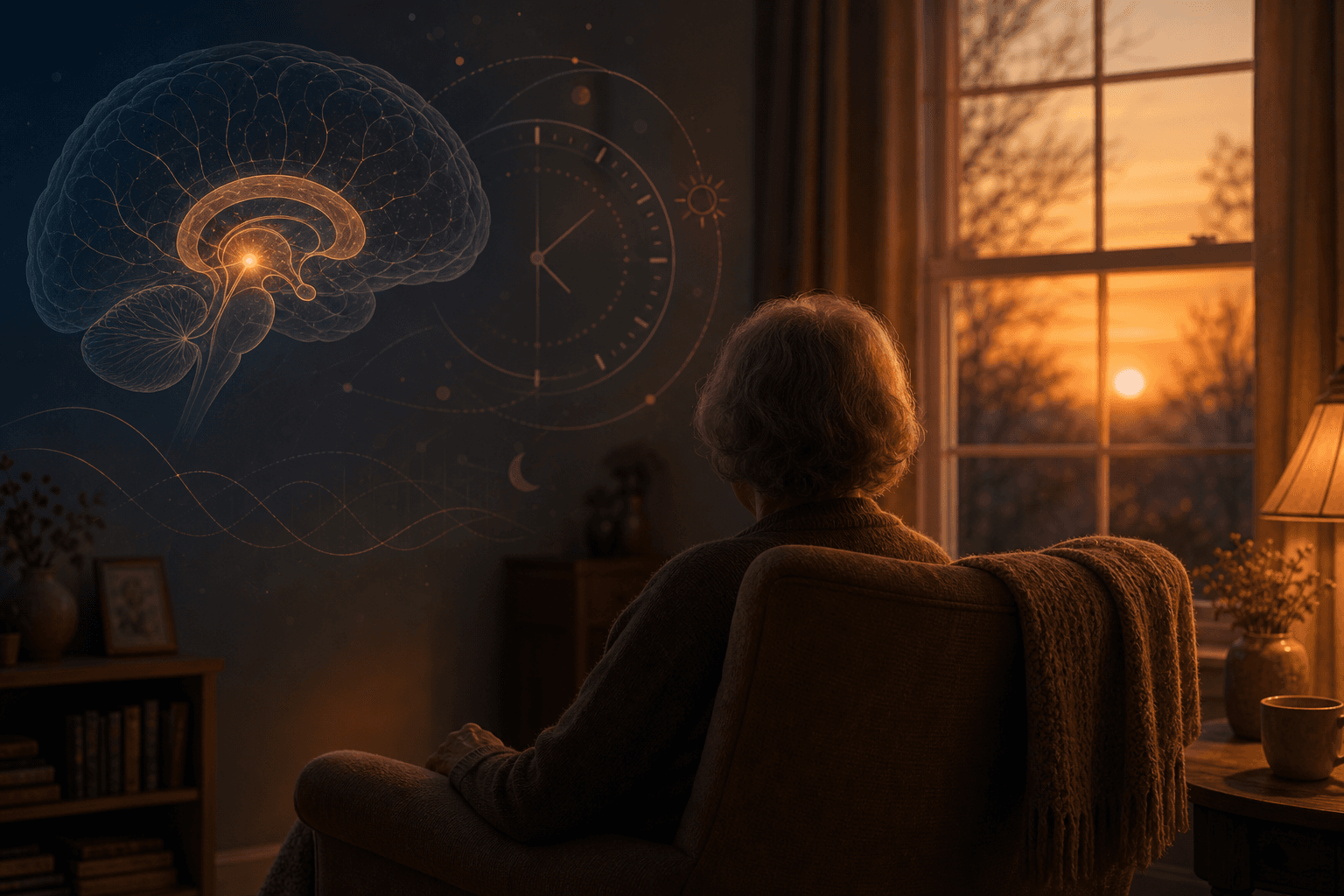
The suprachiasmatic nucleus (SCN) acts as the brain's master clock. In Alzheimer's disease, the SCN undergoes degeneration, disrupting the body's natural day-night rhythm.
The brain's master clock is a tiny region called the suprachiasmatic nucleus (SCN), located in the hypothalamus. The SCN regulates the body's circadian rhythms — the 24-hour cycle that governs sleep-wake patterns, hormone release, body temperature, and metabolism. In Alzheimer's disease, the SCN undergoes progressive neuronal atrophy and neurofibrillary degeneration. As the 2016 review in Frontiers in Neurology explains, this damage directly disrupts the body's ability to maintain a stable circadian rhythm.
Several interconnected biological changes contribute to sundowning:
Disrupted circadian rhythms: The damaged SCN can no longer synchronize the body's internal clock with the external light-dark cycle. This causes the person's sleep-wake cycle to drift, leading to daytime drowsiness and nighttime wakefulness.
Decreased melatonin production: The pineal gland produces less melatonin in Alzheimer's disease, partly due to calcification of the gland. Melatonin is the hormone that signals the body to prepare for sleep. Without it, the transition from day to night becomes confusing and unsettling.
Cholinergic deficits: The cholinergic system, which is heavily involved in attention and arousal, is progressively damaged in Alzheimer's. This impairs the brain's ability to process sensory information and regulate emotional responses, especially as the day wears on and cognitive reserves are depleted.
HPA axis dysregulation: The hypothalamic-pituitary-adrenal (HPA) axis, which controls the stress response, becomes overactive. Studies have found that people with dementia who experience sundowning have significantly higher cortisol levels in the late afternoon, which directly contributes to agitation and anxiety.
A 2025 review in Cureus also identified a genetic link: the APOE ε4 allele, a known risk factor for late-onset Alzheimer's, is epidemiologically associated with sundowning syndrome. The same review notes that data mining has identified genes MMP2 and NR3C1 as potentially linking Alzheimer's pathology with melatonin function, suggesting a deeper biological connection that researchers are still unraveling.
Common Triggers: What Sets Off Late-Day Agitation
While the underlying brain changes make sundowning possible, specific triggers often set off individual episodes. Identifying and managing these triggers is one of the most effective ways to reduce the frequency and severity of sundowning. Triggers generally fall into three categories: physiological, environmental, and medical.
Common sundowning triggers organized by category. Many episodes are caused by a combination of factors from multiple categories.
Category
Common Triggers
Why They Matter
Physiological
Fatigue, hunger, thirst, need to use the bathroom, pain
As the day progresses, the person's cognitive and physical reserves are depleted. Unmet basic needs become harder to communicate and more likely to cause distress.
A damaged brain struggles to interpret sensory information. Low light creates confusing shadows. Too much noise or activity overwhelms the person's ability to process.
Medical
Urinary tract infections (UTIs), sleep apnea, restless leg syndrome, medication side effects, depression, constipation
Any underlying physical discomfort or illness can lower the threshold for agitation. UTIs are a particularly common cause of sudden worsening in dementia.
The National Institute on Aging notes that agitation and aggression can also be triggered by sudden changes in routine, too little rest, feeling lonely, or certain medications. The Alzheimer's Society (UK) adds that sensory impairments like hearing or vision loss can worsen sundowning, as the person has less accurate information about their environment as daylight fades.
Keeping a simple log for a week can help you identify patterns. Note the time the episode starts, what happened in the hours before, what the person ate and drank, whether they napped, and what the environment was like. Over time, you will likely see a pattern emerge that points to specific triggers you can address.
Why It Matters: The Impact on Caregivers and Care Decisions
Sundowning is not just a difficult daily behavior — it has real consequences for both the person with dementia and the caregiver. The 2016 review in Frontiers in Neurology identifies sundowning as a significant predictor of institutionalization — meaning it is one of the factors that leads families to place a loved one in a nursing home or assisted living facility. It is also associated with faster cognitive decline and substantially greater caregiver burden.
The daily cycle of late-afternoon agitation takes a cumulative toll on caregivers. Unlike a single difficult event, sundowning recurs predictably, day after day, often during the hours when caregivers are already exhausted from the day's demands. This chronic stress is a major contributor to caregiver burnout, which in turn reduces the quality of care the person with dementia receives.
Evidence-Based Strategies: A Non-Pharmacological Hierarchy
When it comes to managing sundowning, the evidence is clear: non-pharmacological interventions should be the first line of defense. A 2025 review in Cureus states that behavioral interventions are more efficacious than pharmacologic ones, though they require consistent effort from caregivers. The strategies below are organized in a practical hierarchy — start at the top and work your way down.
A hierarchy of non-pharmacological strategies for reducing sundowning. Start with morning light exposure and routine consistency, then layer on additional strategies as needed.
Strategy
What to Do
Why It Works
Morning light exposure
Spend 30–60 minutes outdoors in the morning, or sit by a bright window. Open curtains and blinds.
Morning sunlight is the strongest signal for resetting the circadian rhythm. It helps the SCN synchronize the sleep-wake cycle.
Structured daily routine
Keep meal times, activity times, and bedtimes consistent. Serve the largest meal at lunch and a lighter meal in the evening.
Predictability reduces confusion and anxiety. A consistent schedule helps the brain anticipate transitions.
Activity timing
Schedule demanding activities (bathing, appointments, exercise) in the morning or early afternoon. Reserve evenings for quiet, calming activities.
Cognitive and physical fatigue accumulate throughout the day. Demanding tasks early leave more reserves for the evening.
Environmental modifications
Reduce noise and clutter in the late afternoon. Use night lights to eliminate shadows. Keep the home well lit in the evening. Close curtains once it is dark outside.
Low lighting creates confusing shadows that can trigger fear and paranoia. A calm, well-lit environment reduces sensory confusion.
Soothing activities
Play familiar, gentle music. Offer a calming scent like lavender. Engage in a simple, repetitive activity like folding towels or looking at a photo album.
Familiar sensory input can reduce anxiety and provide comfort. Repetitive activities can be grounding.
Meeting unmet needs
Check for hunger, thirst, pain, or the need to use the bathroom before the episode escalates. Offer a small snack or a warm drink.
Many episodes are triggered by a basic unmet need that the person cannot communicate. Proactive checks prevent the trigger from occurring.
The Mayo Clinic also recommends limiting caffeine and sugar to the morning hours, discouraging long daytime naps, and bringing familiar items into unfamiliar settings when travel or a change of environment is unavoidable. The Alzheimer's Association emphasizes that most experts encourage non-drug measures rather than medication, and that consistency is the key — these strategies work best when they become part of the daily routine, not just a response to an episode.
When to Call the Doctor: Medical Interventions and Red Flags
While non-pharmacological strategies are the foundation of sundowning management, there are situations where medical evaluation is necessary. The following red flags warrant a call to the doctor:
Sudden onset or dramatic worsening of sundowning — this is often a sign of an underlying medical issue, most commonly a urinary tract infection (UTI)
Signs of infection: fever, confusion that is worse than usual, changes in urine color or odor, increased falls
Suspected sleep apnea (loud snoring, gasping for air during sleep, excessive daytime sleepiness) or restless leg syndrome
Medication review: some medications can worsen confusion or agitation, especially anticholinergics, sedatives, and certain pain medications
Persistent insomnia or severe agitation that does not respond to environmental and behavioral strategies
When non-pharmacological strategies are insufficient, a doctor may consider pharmacological options. It is important to understand the evidence and risks associated with each:
Pharmacological options for sundowning with evidence and risk context. Non-pharmacological strategies should always be tried first.
Medication
Evidence
Key Risks and Considerations
Melatonin (3–9 mg)
Open-label studies show it reduces sundowning agitation in approximately 70% of patients. The Mayo Clinic notes that some research suggests a low dose may help ease sundowning.
Generally well-tolerated, but no large randomized controlled trials specifically for sundowning exist. Dosing should be guided by a doctor.
Trazodone
Often used off-label for sleep disturbances in dementia. Can help with sleep initiation.
Risk of daytime drowsiness, dizziness, and falls. Must be used at the lowest effective dose.
Antipsychotics (e.g., brexpiprazole/Rexulti)
Brexpiprazole is FDA-approved for agitation associated with Alzheimer's dementia, as noted by Harvard Health. Other antipsychotics are sometimes used off-label.
Significant risks: increased risk of stroke, falls, fractures, and cognitive decline. The 2025 PMC review warns that pharmacotherapy with sedatives can be effective but carries severe side effects. These should only be used when non-pharmacological approaches have failed and symptoms are severe.
Quick-Reference Caregiver Checklist for Sundowning
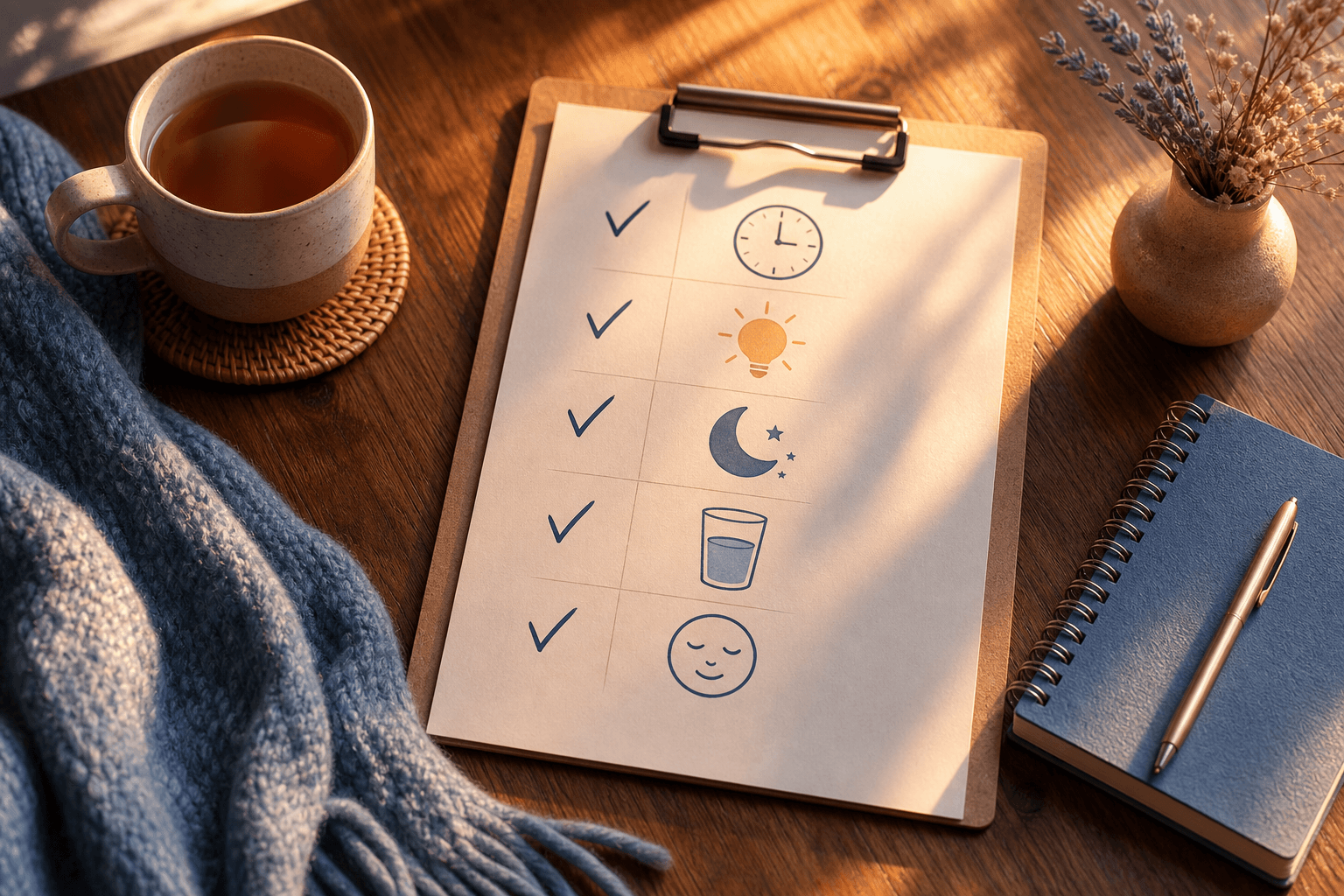
Use this checklist daily to reduce the likelihood of sundowning episodes, and as a reference during an episode to respond calmly and effectively. This checklist is designed to be printable — keep a copy on the refrigerator or in a care notebook.
A printable checklist can help caregivers stay consistent with daily strategies that reduce sundowning episodes.
Daily Prevention Checklist
Morning: Spend 30–60 minutes outdoors or by a bright window. Open all curtains and blinds.
Morning: Schedule the most demanding activities (bathing, appointments, exercise) before noon.
Midday: Serve the largest meal at lunch. Keep evening meals lighter.
Afternoon: Limit caffeine and sugar after 12:00 PM. Offer water or herbal tea instead.
Afternoon: Discourage naps longer than 30 minutes. If they nap, try to have it end by 2:00 PM.
Late afternoon (3:00–5:00 PM): Reduce noise, turn off the TV, and limit visitors. Dim shadows by using night lights and keeping the room well lit.
Late afternoon: Check for pain, hunger, thirst, and the need to use the bathroom. Offer a small snack or a warm drink proactively.
Evening: Offer a calming activity — familiar music, looking at a photo album, folding laundry, gentle hand massage.
Evening: Speak slowly and calmly. Use short, simple sentences. Avoid arguing or correcting.
Throughout: Take care of yourself. If you feel overwhelmed, step away for 5–10 minutes. Your calm presence is the most powerful tool you have.
During an Episode
Stay calm. Speak in a slow, low, reassuring voice.
Do not argue, correct, or try to reason with the person.
Reduce environmental stimulation: turn off the TV, lower the lights (but keep the room bright enough to avoid shadows), ask visitors to leave.
Redirect to a soothing activity or a familiar topic. Ask about a favorite memory.
Check for unmet needs: pain, hunger, thirst, need to use the bathroom.
If the person is pacing or wandering, ensure the environment is safe. Remove tripping hazards. Lock doors and windows if wandering is a risk.
If you feel unsafe or the person becomes aggressive, step away. Call 911 if needed and state that the person has dementia.


Comments
Join the discussion with an anonymous comment.