
Home Care vs. Memory Care: How to Know When It's Time to Transition
Learn to recognize the key safety, health, and caregiver-capacity signals that indicate home care may no longer be sufficient, and how to plan a memory care transition on your own timeline rather than in response to an emergency.
Home care often looks as if it is still working right up until the week it clearly is not. The aide is covering mornings. A daughter is handling pills by phone at lunch. A neighbor checks whether the stove is off. Someone has put a chair under the doorknob at night, or moved the car keys again, or started sleeping with shoes on because the front door alarm has gone off twice after midnight.
That is the hard middle of dementia care: not the beginning, when a parent can still be left safely for long stretches, and not the obvious emergency, when a fall, wandering episode, hospitalization, or caregiver collapse forces the next decision. It is the stretch where everyone keeps saying, “We’re managing,” while quietly lowering the meaning of managing.
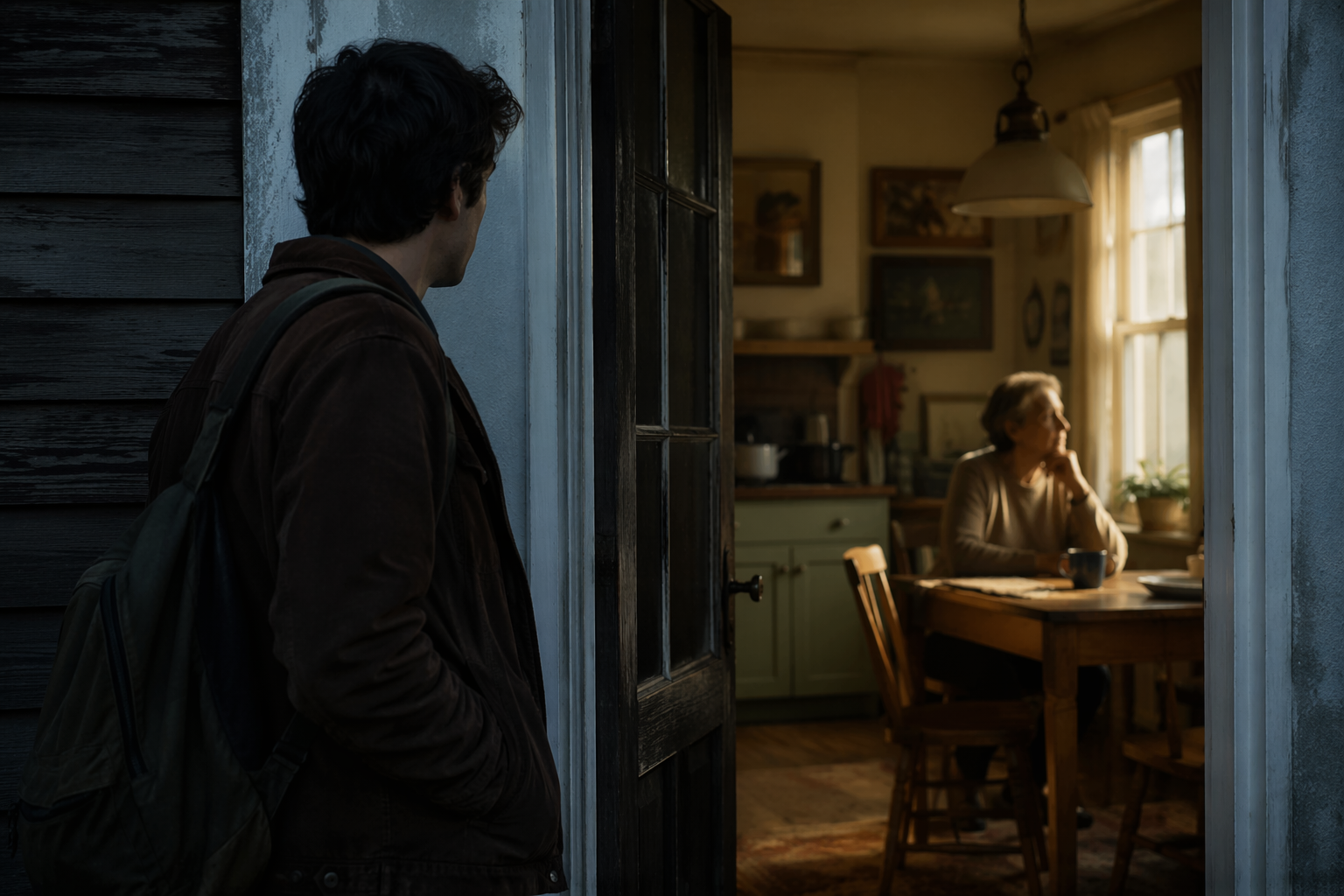
The central question is not whether home care is loving and memory care is giving up. That framing does not help the parent, and it is punishing to the person doing most of the coordination. The better question is whether the current setting can still protect the person’s safety, health, daily function, and dignity without putting the caregiver’s health at serious risk.
Among senior care options, memory care belongs in the conversation when dementia has created needs that ordinary home routines, part-time aides, and family supervision can no longer reliably cover. The Alzheimer’s Association frames the readiness question around six practical checks: whether the person is unsafe, whether the home is unsafe, whether the caregiver’s health is at risk, whether cognitive or physical function has declined significantly, whether challenging behaviors have become unmanageable, and whether the social support network is exhausted.[1]
Those questions are useful because they take the decision out of the vague territory of guilt. They ask families to look at what is happening on Tuesday night, not what everyone promised five years ago.
The Signs That Home Care Is Becoming Too Fragile
A single difficult day does not mean a parent needs memory care. Dementia care at home has uneven days, especially during illness, medication changes, grief, travel, or sleep disruption. The concern is a pattern: the same risks returning after reasonable adjustments, or several risks appearing together.
Families often notice the pattern before they are ready to name it. A parent who used to be safe alone for four hours is now safe for one. An aide’s missed shift no longer creates inconvenience; it creates danger. The spouse who once needed a break now needs medical care of their own. The adult child who said, “Call me if anything happens,” is now on alert all day because something happens almost every day.
| Signal cluster | What it can look like at home | What the family should ask |
|---|---|---|
| Unsafe person | Wandering, unsafe exits, stove use, falls, missed medications | Can someone be safe during the hours supervision is not present? |
| Unsafe home | Door alarms, locked rooms, blocked exits, cluttered walkways, repeated near-misses | Are fixes actually reducing risk, or just making everyone feel less helpless? |
| Caregiver health risk | Lost sleep, skipped medical visits, work disruption, anxiety, physical strain | Is the care plan depending on one person’s body holding out? |
| Functional decline | Weight loss, poor hygiene, toileting problems, inability to manage meals or dressing | Are basic needs being met consistently, not just occasionally? |
| Unmanageable behaviors | Aggression, paranoia, exit-seeking, nighttime agitation, refusal of care | Can the current caregivers respond without fear, injury, or constant escalation? |
| Exhausted support | No backup for call-outs, siblings unavailable, friends burned out, paid hours maxed out | What happens the next time the main plan fails? |
The table is not a scoring tool. It is a way to stop arguing from abstractions. If three or four of these rows are active at the same time, the family is no longer deciding between home care and memory care in theory. They are deciding whether the current arrangement can still absorb the next ordinary failure: a sick aide, a locked medication box left open, a caregiver with the flu, a parent awake all night.
Wandering Changes the Math
Wandering is one of the clearest signs that home care may be moving beyond what a family can safely manage. The Alzheimer’s Association says 6 in 10 people living with dementia will wander.[1] That number matters because families often treat the first episode as a one-time scare: the parent was looking for a childhood home, trying to go to work, or stepping outside because the house felt unfamiliar.
The explanation may be tender. The risk is still real. A person who leaves through the wrong door at the wrong hour can be exposed to traffic, cold, heat, falls, dehydration, or getting lost before anyone realizes the house is quiet.
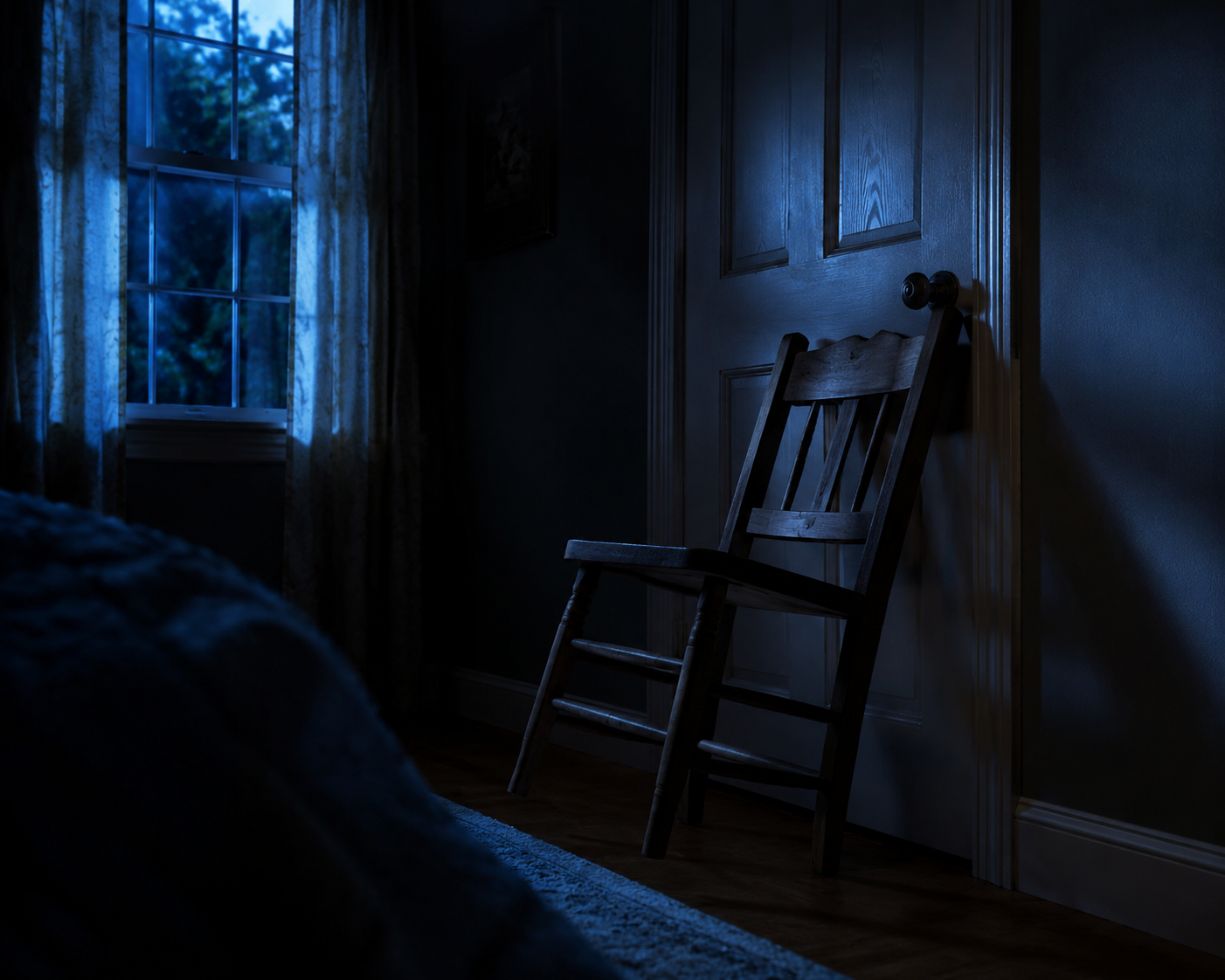
Door alarms, locks, cameras, ID bracelets, and neighbors who know to call can reduce danger. They do not create supervision. They also move the burden onto the person who must hear the alarm, wake up, respond calmly, redirect, and then try to sleep again. When the care plan depends on a family caregiver catching every exit attempt in time, the plan is thinner than it looks.
This is where memory care has a structural advantage, not because every facility is excellent, but because secured dementia settings are designed around exit-seeking in a way most private homes are not. The question is not whether a locked unit sounds painful to imagine. It often does. The question is whether the parent is currently being kept safe by a set of improvised barriers that require constant vigilance from exhausted people.
Medication, Meals, and the Quiet Signs of Decline
Some transitions become necessary without one dramatic incident. Medication mistakes, missed meals, weight loss, poor hygiene, untreated pain, dehydration, or repeated urinary infections can show that the home routine no longer matches the parent’s needs.
Medication problems are especially easy to minimize because families often respond with another organizer, another phone reminder, or another smart dispenser. Those tools can help when the person still understands the task and only needs prompting. They are less reliable when the parent opens the compartment and forgets why, takes pills twice, hides pills, refuses them, or accepts them only from one particular person who cannot always be there.
Meals tell the same story in a quieter way. A refrigerator full of expired food, unopened meal deliveries, burned pans, spoiled groceries, or steady weight loss means the care plan is failing during ordinary hours. A parent may still say they are eating. They may believe it. Dementia can make self-reporting unreliable long before a person appears unable to live at home.
The practical test is consistency. Can meals, fluids, medications, toileting, bathing, dressing, and mobility support happen reliably across the whole week? If the answer depends on one daughter leaving work, one neighbor staying available, or one spouse pushing past exhaustion, the family should treat that as evidence, not as a personal failing.
Falls and Near-Misses Count Before the Injury
Families often wait for a “real” fall before changing the plan. Near-misses deserve attention sooner. A parent found sitting on the floor without a clear explanation, bruises no one can account for, grabbing furniture to walk, tripping over rugs, getting stuck in the bathroom, or trying to use stairs at night can all point to a safety problem that home care has not solved.
Home modifications are worth doing: better lighting, grab bars, cleared pathways, shower chairs, medication review, physical therapy when appropriate. But the home is only one part of the fall equation. Dementia can affect judgment, sequencing, depth perception, impulse control, and the ability to call for help after something goes wrong.
A fall that has not happened yet can still be visible in the care pattern. If someone must shadow the parent every time they stand, if bathroom trips have become dangerous, or if nighttime movement is unpredictable, the family is already providing a level of supervision closer to round-the-clock care than to ordinary aging-in-place support.
Nighttime Is Often Where the Truth Comes Out
A daytime care plan can look adequate because everyone is awake, dressed, and able to keep up appearances. Night strips that away. The parent may pace, call out, hallucinate, try to leave, reverse day and night, or need toileting help multiple times. The caregiver may stop sleeping deeply, not because they are officially on duty, but because they are listening.
Lost sleep is not a sentimental detail. It changes judgment, driving, patience, blood pressure, immune function, work performance, and the ability to respond safely to dementia behaviors. A spouse in their late seventies who has been awake for weeks is not a sustainable staffing model. An adult child who is up every night and at work every morning is not “just tired.” They are becoming part of the risk picture.
This is why caregiver health belongs beside the parent’s safety, not underneath it. The Alzheimer’s Association’s readiness questions explicitly include whether the caregiver’s health is at risk.[1] That is not permission to abandon a parent. It is recognition that dementia care can become medically and physically unsafe for more than one person.
When Behavior Outruns the Home Setting
Challenging behaviors do not make a parent bad, and they do not make a family weak. Refusing care, accusing a spouse of theft, striking during bathing, yelling at aides, resisting medication, hiding objects, or becoming terrified at dusk can be symptoms of the disease, unmet needs, pain, overstimulation, infection, medication effects, or fear.
The response should start with medical review and careful observation. Is there pain? Constipation? A urinary infection? A new medication? Too much noise? A caregiver approach that escalates fear? Some behaviors improve when the cause is found and the environment is simplified.
But when behaviors remain frequent, unpredictable, or physically unsafe after reasonable adjustments, the home care plan may be asking aides and relatives to do work they are not trained or staffed to do. A family should pay close attention when aides start quitting, when one caregiver becomes the only person the parent will accept, or when everyone begins avoiding necessary care because bathing, toileting, or dressing leads to a confrontation.
Memory care should not be sold as a magic answer to behavior. Facilities vary, staff turnover is real, and a move can temporarily worsen confusion. Still, a dementia-trained team with structured routines, secured space, and more than one person available for difficult care tasks may be safer than a home where one exhausted caregiver is absorbing every escalation alone.
The Caregiver’s Limit Is Part of the Decision
Many families do not count caregiver strain until it becomes collapse. They count the parent’s medications, appointments, meals, and falls. They do not count the daughter leaving meetings to cover aide call-outs, the son managing crises from another state, the spouse skipping cardiology appointments, or the sibling relationship that has become a second care emergency.
A home plan that works only because one person has no protected sleep, no dependable workday, no medical follow-through, and no emotional reserve is not stable. It is deferred crisis. That does not mean the caregiver has failed. It means the plan has been borrowing from the caregiver’s health to cover the parent’s increasing needs.
Support exhaustion is also observable. Look at the backup list. If the paid aide cancels, who comes? If the spouse gets sick, who stays overnight? If the parent refuses the only aide they know, who can safely bathe them? If the long-distance child’s solution is another camera or sensor, who is actually responding when that device sends an alert?
Families sometimes treat a promise to keep a parent at home as if it can never be revised. The grief in that is real. For some people, home is tied to identity, marriage, neighborhood, faith, and the last visible proof that life has not been taken over by illness. But a promise to care for someone is not always a promise to provide every level of care in the same setting. Sometimes the promise has to move with the disease.
Costs: When Home Care Stops Being the Obvious Financial Choice
Cost should not be used to frighten families into a move, and national averages should never be mistaken for a quote from a local provider. Geography, facility type, staffing model, room type, entrance fees, care levels, and Medicaid rules can change the real number substantially. Still, cost data can correct one common assumption: that home care is always the less expensive option.
CareScout’s 2025 cost data places the national median rate for home care at about $35 per hour. At 44 hours per week, that is roughly $80,080 per year. The same 2025 data places memory care at about $7,645 per month, or $91,740 per year.[2] Those figures do not mean memory care is cheap. They mean that once home care approaches a full workweek, the financial gap can narrow enough that families should compare the whole care plan, not just the hourly rate.
The comparison changes more sharply when a parent needs continuous supervision. Paying privately for 24/7 in-home care usually requires far more than 44 hours a week. At that point, the cost of keeping someone at home can rise well beyond many memory care rates, though the exact crossover depends on local wages, agency minimums, live-in rules, family coverage, and whether overnight care is active or mostly standby.
Cost comparisons also need to include what the family is already paying invisibly. Lost wages, reduced hours, unpaid leave, transportation, home modifications, emergency respite, duplicated supplies, and the caregiver’s own delayed health care may not appear on the agency invoice. They still belong in the decision.
Public coverage is not simple. Medicaid coverage for home and community-based services varies by state, and facility coverage rules differ as well. Families facing a long care horizon should speak with the state Medicaid office, an elder law attorney, or a qualified benefits counselor before assuming which setting will or will not be covered.
Bridge Supports Can Buy Time, but They Have to Change the Pattern
There is a useful space between “keep going exactly as we are” and “move tomorrow.” Adult day programs, respite care, increased aide hours, medication management, home safety modifications, occupational therapy input, caregiver training, and dementia-informed routines can extend home care when the risks are still containable.
Adult day care can be especially helpful when the parent is unsafe alone during the day, needs structure, or is isolated, and when the caregiver needs predictable hours to work, sleep, attend appointments, or simply stop being on alert. SeniorLiving.org reports an average adult day care cost of $2,232 per month, while U.S. News describes adult day care costs around $95 for an eight-hour day.[3][4] Those are directional figures, not a substitute for local pricing.
AARP has cited research from NYU professor Victoria Sadarangani indicating that adult day participants may maintain cognition and function longer, though that should be read as support for adult day programs as one helpful intervention, not proof that they can replace higher-level care when safety is failing.[5]
Respite care has a different purpose. It gives the caregiver a protected break and can test how the parent responds to care outside the home. Depending on the setting and local market, respite can be priced by the day, and reported daily ranges can vary widely. It is often worth considering before the family is desperate, because desperate respite is harder to arrange and harder for the parent to tolerate.
The key question after adding a bridge support is not whether everyone feels slightly better for a week. It is whether the original warning signs have changed. Is wandering less dangerous? Are meals and medications reliable? Is the caregiver sleeping? Are aide call-outs covered? Are behaviors manageable without fear? If the answer is no, the bridge is not a plan; it is a pause.
Start Evaluating Memory Care Before You Need It
Looking at memory care does not obligate a family to move a parent next week. It creates options before the hospital discharge planner, the police call, or the caregiver’s medical crisis compresses the decision into a few bad days.
This matters because memory care quality is uneven. NIC reported that memory care units grew 84% from 2013 to 2023, while occupancy only more recently returned toward pre-pandemic levels.[6] Growth does not guarantee quality. A newer building can still have thin staffing, poor training, heavy turnover, weak supervision, or a beautiful activity calendar that does not match what happens after dinner.
Brochure tours are not enough. Families should visit more than once, including at least one unannounced visit if the facility allows it. Go near mealtimes. Notice whether residents are clean, engaged, rushed, ignored, or parked in front of a television. Listen for how staff speak to residents who are confused or repetitive. Ask what happens when someone refuses a shower, becomes aggressive, falls, exits, or declines quickly.
The National Institute on Aging advises families choosing long-term care to ask about services, staffing, safety, costs, resident rights, and care planning.[7] Those questions are not formalities. They are how a family finds out whether a facility’s dementia care is a real operating model or just a locked hallway with a nicer name.
- Ask the staff-to-resident pattern for days, evenings, nights, and weekends, not only the average.
- Ask what dementia-specific training direct-care staff receive and how often it is refreshed.
- Ask how the facility handles wandering, falls, medication refusal, aggression, and hospital returns.
- Ask which care needs would trigger a higher monthly fee or a required move.
- Ask to see the activity space, dining room, outdoor area, bathrooms, and resident rooms, not only the lobby.
- Ask how families are contacted after incidents and who updates the care plan.
A good evaluation also includes watching your own parent, if a trial visit or respite stay is possible. Some people settle better than the family expects when meals, supervision, and routines are consistent. Others need a longer adjustment or a different setting. The goal is not to find a place that erases dementia. It is to find a setting that can respond to dementia more reliably than the current home plan can.
How to Narrow the Decision Without Waiting for Crisis
A family does not need perfect certainty to act. Perfect certainty often arrives late, after harm has already made the decision. What helps is a clear record of what is happening and what has already been tried.
For two to four weeks, track the concrete signals: exits or attempted exits, falls and near-misses, medication errors, missed meals, weight change if available, hygiene problems, nighttime waking, behavior episodes, aide cancellations, caregiver sleep, caregiver medical appointments missed, and work disruptions. Do not write the record to win an argument with siblings. Write it so the family can see whether the current care plan is actually holding.
Then separate problems into two groups. Some can be repaired at home: a loose rug, poor lighting, a confusing medication setup, too few daytime activities, an aide who needs better dementia training. Others point to a setting mismatch: repeated unsafe exits, inability to be alone at all, dangerous nights, care refusal that blocks bathing or medication, escalating caregiver health problems, or no backup when the primary caregiver is unavailable.
If repairable problems improve with bridge supports, home care may remain appropriate for a while longer. If the same safety, health, behavior, and caregiver-capacity problems continue after reasonable changes, it is time to evaluate memory care seriously, even if everyone wishes the answer were different.
The most painful transitions are not always the wrong ones. A planned move can still involve grief, anger, confusion, and second-guessing. But planning gives the family time to compare facilities, understand costs, prepare medical records, choose timing, bring familiar belongings, and remain present as advocates instead of arriving exhausted after an emergency.
Memory care is not the right answer for every family at the first sign of strain. But when safety, health, behavior, and caregiver capacity are failing together, beginning the transition early is not abandonment. It may be the setting where care can be delivered more reliably.
References
- Care Options, Alzheimer’s Association
- Cost of Care Survey, CareScout, 2025
- Adult Day Care Costs, SeniorLiving.org
- How Much Does Adult Day Care Cost?, U.S. News & World Report
- Adult Day Services Can Help Caregivers and Loved Ones, AARP
- Memory Care Segment: Market Fundamentals, National Investment Center for Seniors Housing & Care, 2023
- How to Choose a Nursing Home, National Institute on Aging
Related reading
Noticed something outdated or inaccurate on this page? Flag a correction. We review every report against CDC, NIA, and AARP HomeFit guidance before updating a page.
Part of the Fall Prevention section.