
Caregiver decision guide
Your Aging Parent's Food Tastes Bland? Season Without Salt
Aging naturally dulls taste and smell, so many older adults add extra salt just to make food taste right. Here's how to restore flavor after 60 with herbs, spices, citrus, vinegar, and umami — including a starter pantry checklist and the salt-substitute cautions that matter for heart and kidney conditions.
When an aging parent says the soup tastes flat, the easiest rescue is usually sitting in the middle of the table. A little more salt makes food louder fast. It also puts the caregiver in a hard spot, especially when high blood pressure, heart failure, kidney cautions, or a doctor’s sodium warning are already part of dinner.
The complaint itself is not stubbornness. Sensitivity to sweet, salty, sour, bitter, and umami tastes often declines after age 60, and smell can diminish especially after 70. Fewer or smaller taste buds and dry mouth can also make food less appealing.[1] Mayo Clinic notes that some loss of taste and smell is natural with aging, particularly after 60, and that it can push people toward extra salt or sugar — a real problem for people managing high blood pressure or diabetes.[2]
That is the tension in seasoning for an older parent: the food has to taste better, not merely comply with a nutrition handout. The sodium guardrail still matters. The American Heart Association recommends no more than 2,300 mg of sodium per day, with an ideal limit of 1,500 mg for most adults; one teaspoon of salt contains about 2,300 mg of sodium.[3] More than 70% of sodium in U.S. diets comes from processed and packaged foods, so the shaker is not the only issue — but it is the one families often fight over at the table.[3][4]
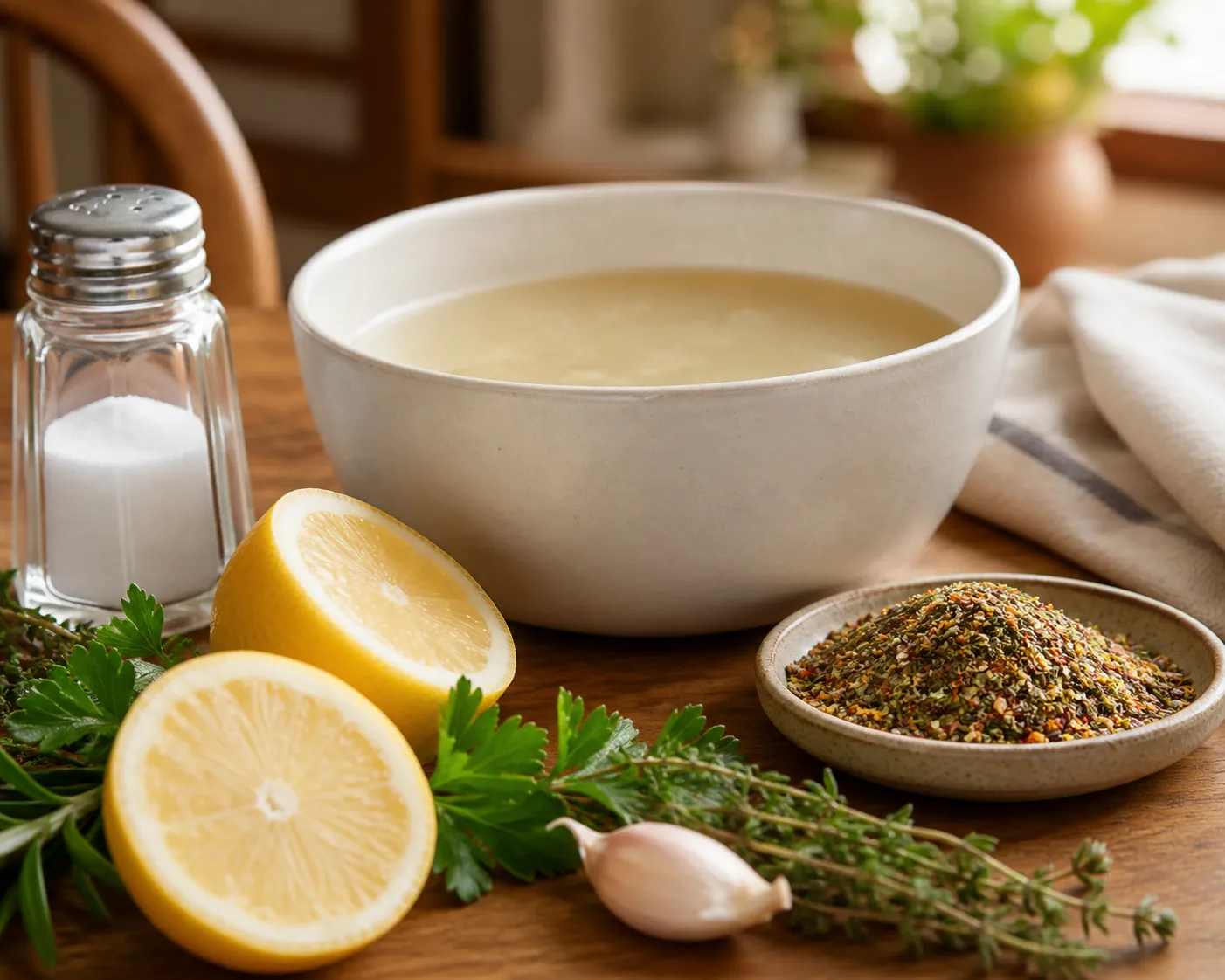
Why food starts tasting bland after 60
Taste and smell work together. If smell is weaker, chicken soup can seem thin even when it has enough ingredients. If the mouth is dry, crackers, rice, meat, and vegetables may feel dull or hard to enjoy. If medications change taste, a familiar meal may suddenly seem metallic, bitter, or simply wrong.
Mayo Clinic lists some medicines, including beta blockers and ACE inhibitors, among possible causes of taste and smell changes.[2] That does not mean a caregiver should stop or adjust a medication because dinner changed. It means the change belongs on the medication-review list, especially if appetite is dropping. A practical place to start is keeping an updated medication list and asking the prescriber or pharmacist whether any current drugs could be affecting taste; the same habit matters during transitions of care, as covered in preventing medication errors at every hospital handoff.
The useful conclusion is not that older adults should accept bland food. It is that the first fix should be flavor, not more sodium.
Reduced-salt food can still be liked
There is a difference between cutting salt and replacing what salt was doing. A 2024 study of 54 nursing-home residents, with a mean age of 71, compared standard-salt dishes, dishes with 50% less salt, and 50%-salt-reduced dishes seasoned with herbs and spices. The residents liked the reduced-salt dishes with herbs and spices about as much as the standard-salt versions. The salt-reduced-only dishes were liked least.[5]
That is the part worth bringing into a home kitchen. A parent who rejects plain low-sodium food is not necessarily rejecting healthy eating. They may be rejecting the missing flavor. Herbs, spices, citrus, vinegar, aromatics, and umami-rich ingredients can take over some of salt’s work: they add brightness, aroma, warmth, savoriness, and contrast.
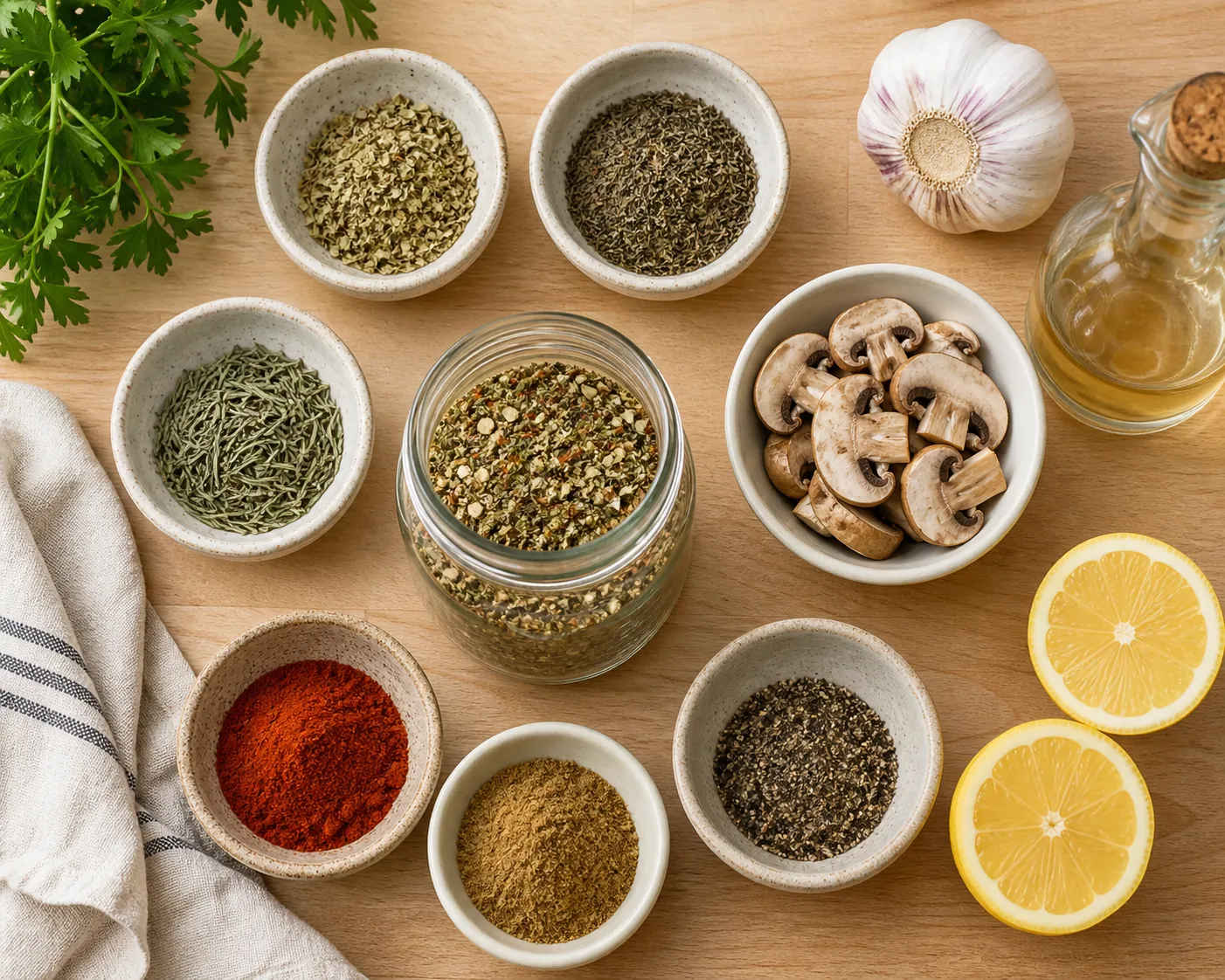
A starter pantry for familiar meals
A useful low-sodium pantry should fit the person who will actually cook. If your parent has eaten simple food for 80 years, a drawer full of unfamiliar spices may become clutter, not help. Start with a few seasonings that work across ordinary meals.
| Keep within reach | What it does | Easy places to use it |
|---|---|---|
| Lemon or lime | Adds brightness and makes vegetables, fish, chicken, and beans taste less flat | Roasted vegetables, green beans, cabbage, lentils, chicken, fish, soup just before serving |
| Vinegar | Adds tang and depth without sodium | Beans, slaws, cucumbers, cooked greens, potato salad, soups, stews |
| Garlic and onion | Builds aroma before the food reaches the tongue | Eggs, rice, pasta, ground meat, vegetables, beans, soups |
| Black pepper or paprika | Adds warmth without making food complicated | Eggs, potatoes, chicken, vegetables, cottage cheese, tuna salad |
| Italian herb blend or dried oregano | Gives tomato, poultry, and vegetables a familiar savory smell | Tomato sauce, chicken, zucchini, roasted vegetables, soups |
| No-salt-added seasoning blend | Gives one dependable shortcut when no one has energy to measure | Keep it beside the stove for vegetables, eggs, potatoes, chicken, beans |
| Mushrooms, tomatoes, or a small amount of low-sodium broth | Adds umami, the savory quality people often miss when salt is reduced | Soups, gravies, casseroles, rice, meatloaf, beans |
Citrus and vinegar are especially helpful because they change the whole impression of a dish quickly. Registered dietitian Ruth Franklin notes that lemon, lime, and different vinegars can build more complex flavor than relying on salt or sugar, with no sodium.[6] For a tired caregiver, that matters: squeezing lemon over carrots or adding a splash of vinegar to beans is faster than starting the meal over.
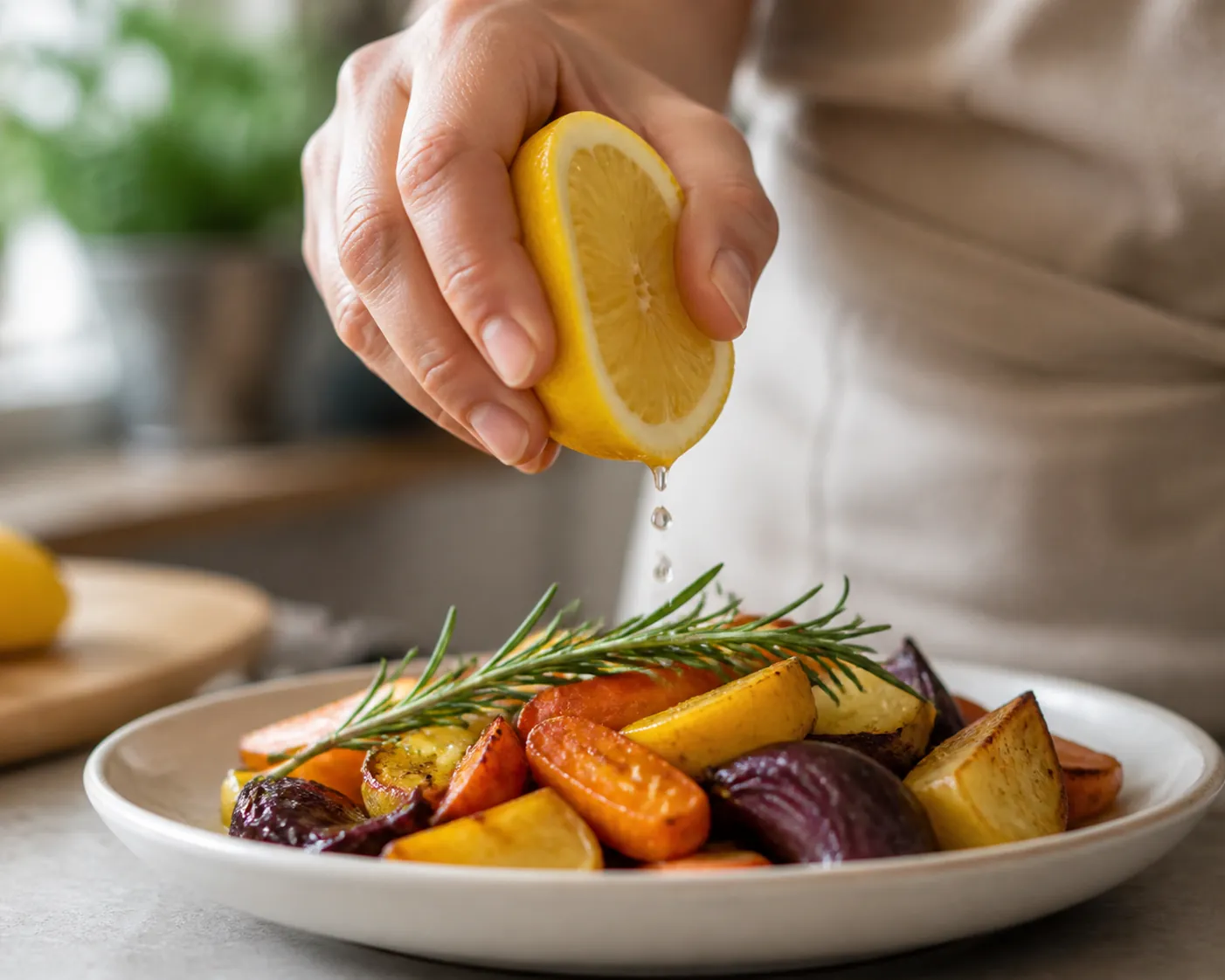
Pairings that work in regular home cooking
Seasoning is easier when the choice is attached to a food, not a theory. These pairings are deliberately plain.
| Food | Try before adding salt | Small move that helps |
|---|---|---|
| Vegetable soup | Garlic, onion, black pepper, bay leaf, lemon juice or vinegar at the end | Taste the soup after the acid is added; it often needs less salt than expected |
| Beans or lentils | Vinegar, garlic, cumin, smoked paprika, onion, lemon | Rinse canned beans when possible, then season them while warming |
| Chicken | Lemon, garlic, rosemary, thyme, paprika, black pepper | Season early enough for the aroma to bloom during cooking |
| Fish | Lemon, dill, parsley, garlic, pepper | Finish with citrus at the table so the flavor smells fresh |
| Eggs | Pepper, chives, paprika, sautéed onion, mushrooms | Add flavor to the filling or vegetables rather than salting the eggs heavily |
| Potatoes | Vinegar, garlic, parsley, paprika, pepper | For potato salad, use vinegar or lemon to brighten before reaching for salt |
| Rice or pasta | Garlic, onion, herbs, mushrooms, tomatoes, low-sodium broth | Build flavor into the cooking liquid or sauce, not only on top |
| Cooked greens | Vinegar, lemon, garlic, onion, red pepper flakes if tolerated | Add acid after cooking so the flavor stays clear |
| Roasted vegetables | Lemon, garlic, pepper, rosemary, thyme, paprika | Roast until browned; color and texture make vegetables more appealing |
Aroma does some of the work that taste used to do. Warming garlic and onion in a little oil before adding vegetables or beans gives the kitchen a smell that makes the meal feel more seasoned before anyone takes a bite. Browning vegetables, serving soup hot enough to smell fragrant, and adding something crisp beside something soft can also help. Oklahoma State University Extension notes that flavor, color, texture, and temperature variety can increase appetite appeal for older adults.[7]
Dry mouth deserves its own small adjustment. Drinking water with meals can help counter dry mouth, and moist foods such as soups, stews, sauces, yogurt, and fruit may be easier to enjoy than dry meats or plain crackers.[7][8]
Use the label before the shaker
Because packaged food supplies so much sodium, a home cook can make a meal taste better and still lose the sodium battle before the pan is warm. The practical moves are not fancy:
- Choose no-salt-added canned tomatoes, beans, vegetables, and broth when they fit the recipe.
- Rinse canned beans and vegetables when using regular canned versions.
- Taste before salting, especially after adding lemon, vinegar, herbs, garlic, or onion.
- Put one trusted salt-free blend where it will be used — beside the stove, not in the back of a cabinet.
- If a parent cooks independently, remove guesswork: mark the low-sodium broth, the favorite blend, and the vinegar or lemon juice that works best.
Cleveland Clinic and Right at Home both include these kinds of low-friction habits — tasting before salting, using no-salt-added canned foods, rinsing canned items, and keeping salt-free seasoning available — among practical ways to lower sodium without making food joyless.[4][9]
Salt substitutes are different from herbs
Salt-free herb blends and salt substitutes are not the same thing. A salt-free blend is usually herbs, spices, dried vegetables, citrus peel, or similar flavorings. A salt substitute often replaces some or all sodium chloride with potassium chloride. That potassium is the reason this shortcut needs more caution than a jar of oregano.
People with kidney disease, heart disease, or medications that affect potassium should check with a healthcare provider before using potassium-based salt substitutes. Cleveland Clinic and McCormick both flag this issue for people with kidney or heart conditions.[4][10] The warning is not meant to scare anyone away from seasoning. It is meant to keep the one “easy swap” that can affect potassium from becoming an unnoticed medical problem.
Ordinary cooking amounts of herbs and spices are a different category from concentrated supplements. A sprinkle of thyme on chicken is not the same as taking an herbal capsule every day. If your parent uses supplements, blood thinners, kidney-related diet restrictions, or multiple prescriptions, bring the full list to a clinician or pharmacist rather than trying to solve that question from the spice rack. Similar caution around food, medications, and kidney or blood-thinner issues comes up in nutrient-dense vegetables that help older adults stay steady.
When bland food is a medical clue
Most blandness after 60 is not an emergency. Still, eating changes deserve attention when they last, worsen, or come with weight loss. Henry Ford Health notes that unintended weight loss is a reason to seek medical guidance when taste changes affect eating.[6]
Call the healthcare provider, pharmacist, or dietitian if your parent has persistent appetite loss, new taste changes after a medication change, trouble chewing or swallowing, signs of dehydration, or steady weight loss. A broader pattern — spoiled food in the refrigerator, skipped meals, sudden weakness, or clothing that hangs looser — belongs with other warning signs of decline. For that bigger picture, see how to spot health decline in your aging parents.
This article is general information, not medical advice. Sodium targets, potassium limits, fluid guidance, and medication concerns should be individualized for people with heart failure, kidney disease, diabetes, high blood pressure, or complex medication lists.
A dinner-table order of operations
When dinner tastes bland, try this sequence before the salt shaker moves:
- Taste the food first. If it is truly underseasoned, notice whether it needs brightness, aroma, heat, or savoriness.
- Add acid. Lemon, lime, or vinegar often wakes up vegetables, beans, soups, fish, and chicken.
- Add aroma. Garlic, onion, herbs, pepper, paprika, or a salt-free blend can make the food smell and taste fuller.
- Add umami. Mushrooms, tomatoes, browned onions, or low-sodium broth can make reduced-salt food feel more complete.
- Then decide whether a small amount of salt is still needed, within the person’s care plan.
- Do not use potassium-based salt substitutes until a clinician has cleared them for that person’s kidney, heart, and medication situation.
The quiet test is whether your parent eats better. Blandness after 60 is common and not a character flaw. More salt is understandable, but it should not be the default fix. A lemon half, a splash of vinegar, garlic in the pan, mushrooms in the soup, or one familiar salt-free blend kept within reach can make the meal taste like food again.
References
- Aging changes in the senses — MedlinePlus
- Loss of taste and smell: Natural with aging? — Mayo Clinic
- Shaking the Salt Habit to Lower High Blood Pressure — American Heart Association
- How To Add Flavor to Your Food Without Salt — Cleveland Clinic
- NFS Journal
- Your Sense Of Taste Changes With Age — Henry Ford Health
- Nutrition for Older Adults: Taste, Smell and Nutrition — Oklahoma State University Extension
- A Matter of Taste — Unlock Food / Dietitians of Canada
- Low-Sodium Cooking Made Tasty for Seniors — Right at Home
- Low Sodium Seasoning Guide To Using Less Salt — McCormick
Questions to bring to a clinician or OT
This is not medical, legal, or a family's final decision — only a framework. Bring these questions to a clinician, occupational therapist, or your local Area Agency on Aging.
Find Local HelpRelated reading
Noticed something outdated or inaccurate on this page? Flag a correction. We review every report against CDC, NIA, and AARP HomeFit guidance before updating a page.