
Flagship section
Fall Prevention
The flagship section, built directly on the CDC STEADI screen-assess-intervene model. Contains the fall risk screening quiz, the post-fall decision tree for active crisis situations (conscious/responsive checks, when to call 911 vs. urgent care, what to watch for in the following 72 hours), risk-factor explainers (medication side effects, vision, balance), and numbered warning-sign guides. This is the only group that owns crisis-path content; modification and mobility groups link back here rather than duplicating triage guidance.
Plan ahead
other
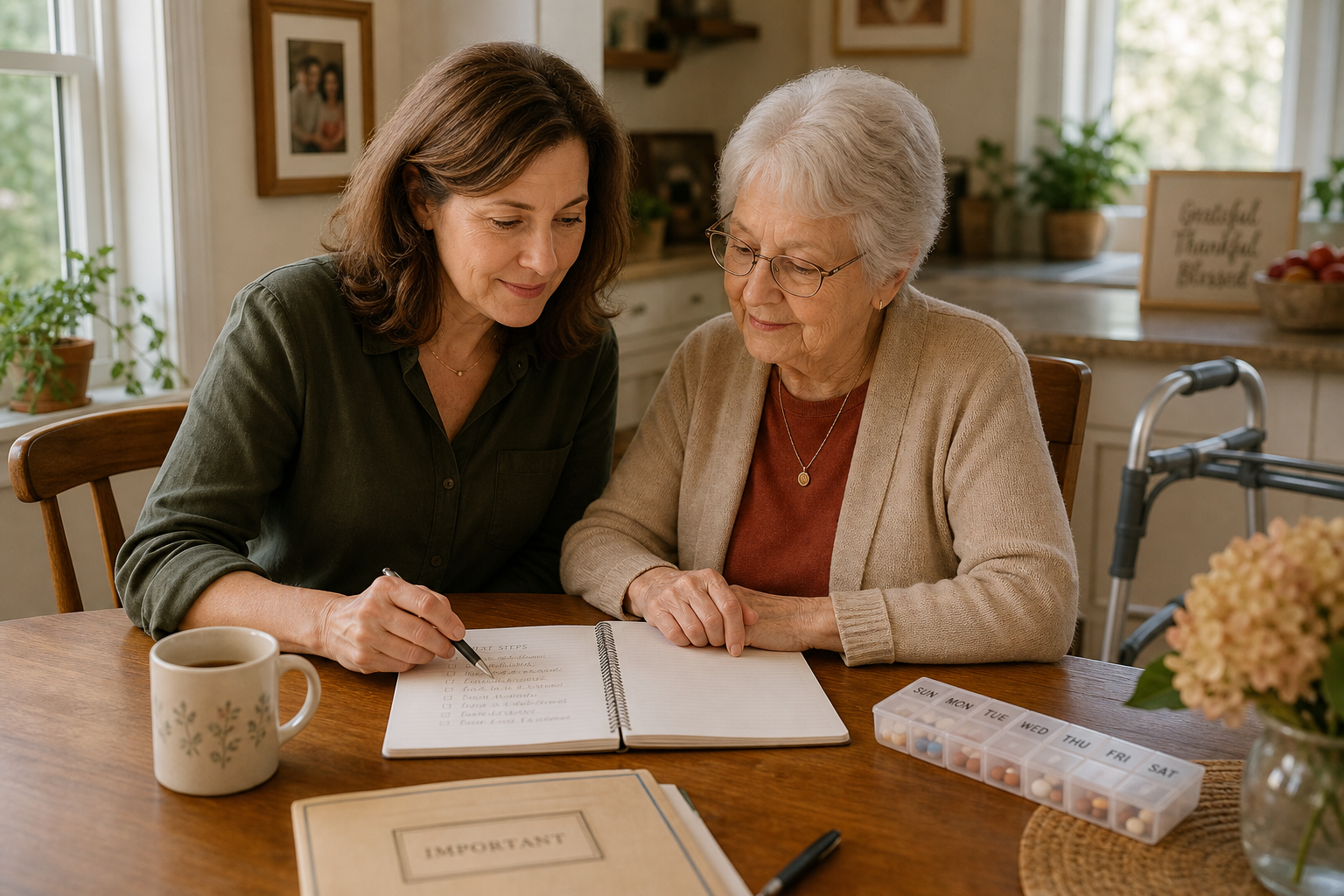 —
—Senior Care Help: A Complete Guide to Finding the Right Support for an Aging Parent
Feeling overwhelmed by the range of senior care options? This guide helps adult children identify the specific care gap their parent needs, explains seven distinct types of help with costs and coverage, and provides a step-by-step action plan to get started.
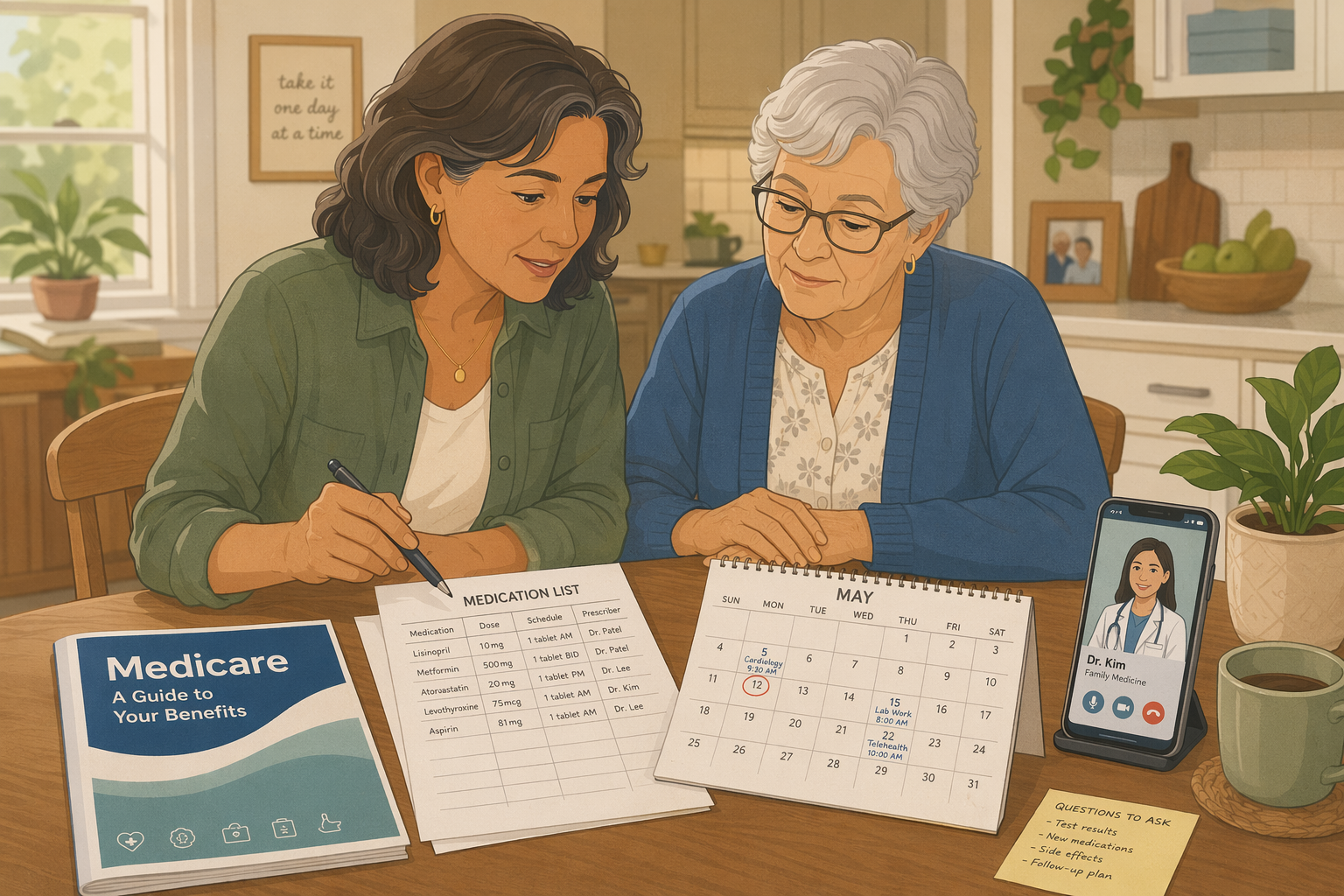 —
—Senior Health Care and Memory Loss: How Dementia Changes Medical Needs at Every Stage
A dementia diagnosis rewrites the entire health care playbook. This guide helps adult children understand how medical needs, medication management, provider communication, and care planning shift across early, middle, and late-stage Alzheimer's or other dementias.
 —
—Managing Your Health While Caring for a Spouse with Dementia
Spousal dementia caregivers are at high risk for worsening health. This article provides evidence-based strategies to manage your own chronic conditions while caring for your partner.
 —
—Can Artificial Sweeteners Cause Memory Loss in Older Adults?
New research from a major 2025 study finds that high consumption of artificial sweeteners is linked to faster cognitive decline, but the effect is statistically significant only in adults under 60. This article explains what the evidence means for caregivers concerned about their aging parent's diet soda habit and their own long-term brain health.
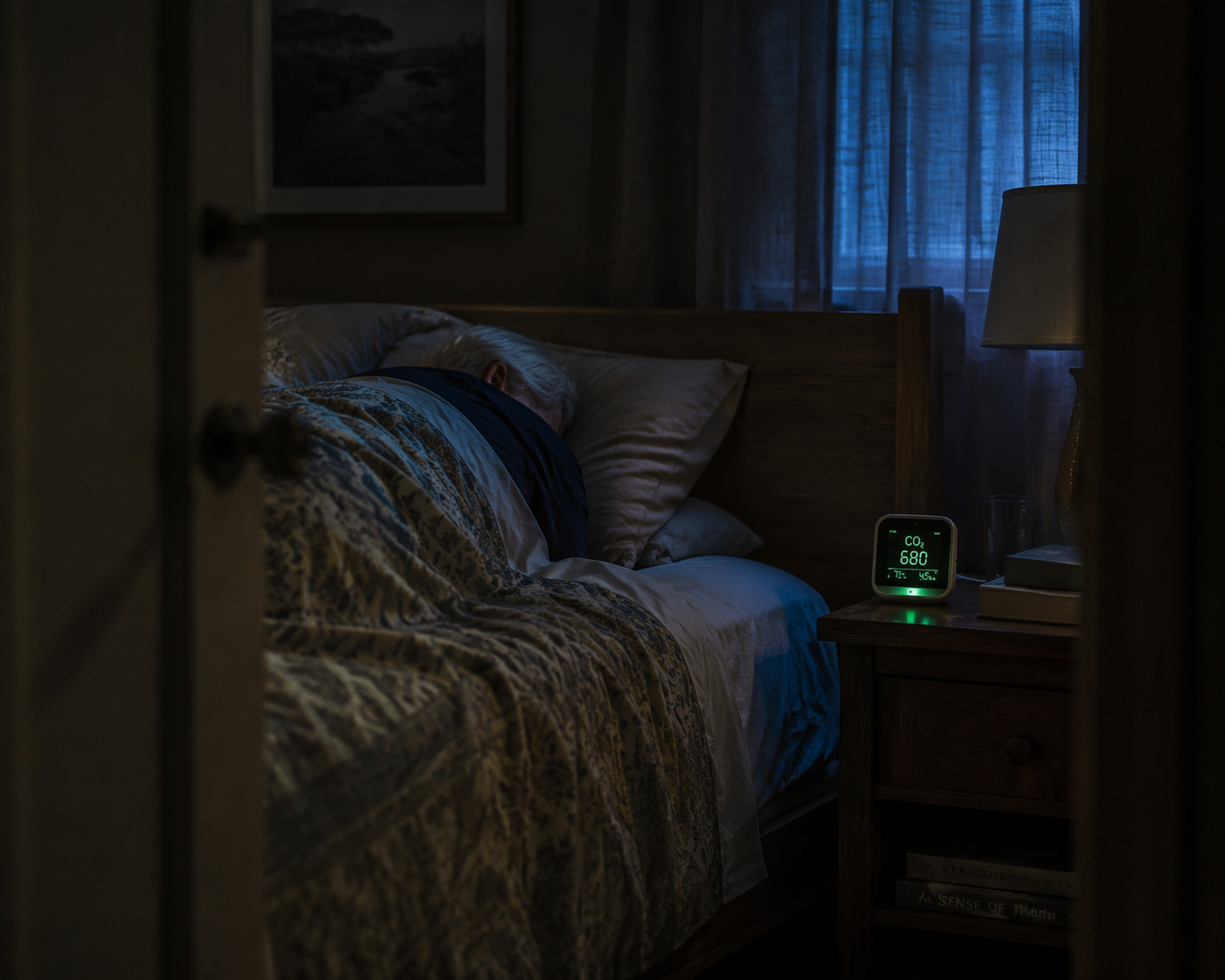 —
—Could Indoor CO2 Be Raising Alzheimer's Risk for Seniors?
This article explains how chronic exposure to elevated indoor CO₂ — common in energy-efficient homes — can impair cognitive function and may accelerate Alzheimer's pathology, and offers a practical threshold of keeping bedroom CO₂ below 800 ppm to reduce risk.
 —
—Middle-Stage Alzheimer's Care: A Planning Guide for Family Caregivers
A comprehensive, stage-specific guide for adult children caring for a parent with moderate Alzheimer's — covering what to expect, how to manage daily care and behavioral symptoms with dignity-preserving techniques, which home safety changes matter most at this stage, how to build a sustainable support team, and why legal and financial planning cannot wait.
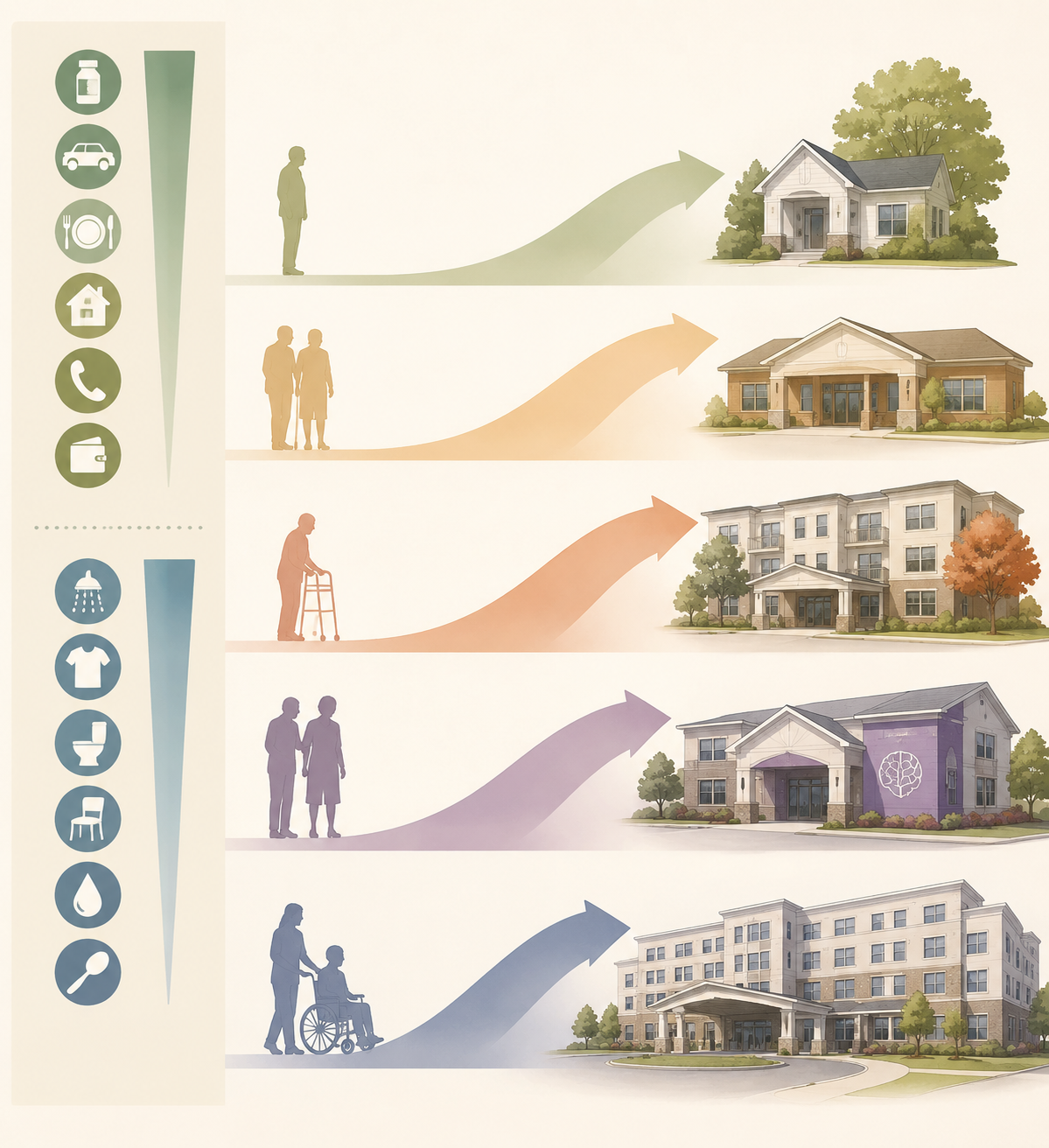 —
—How to Choose Senior Care as Dementia Progresses
Choosing among senior care options can feel overwhelming after a dementia diagnosis. This guide uses the ADL and IADL framework to map care levels to functional decline, helping families understand when memory care becomes the necessary next step.
 —
—Senior Care Options: A Practical 3-Step Decision Framework for Families Facing a Crisis
When a parent needs care urgently, families often make rushed decisions that don't match the actual level of need. This guide provides a replicable, crisis-ready framework — assess ADL/IADL needs, match to the right care tier, and evaluate facilities using objective criteria — all executable within a single week.
 —
—Senior Residential Homes vs. Aging in Place: A 2026 Cost and Quality-of-Life Comparison for Family Caregivers
A data-driven guide for adult children and spousal caregivers weighing whether to move a loved one to a residential facility or invest in home modifications and in-home care. This article compares the true costs, safety risks, social factors, and caregiver capacity to help you find the right tipping point for your family.
 —
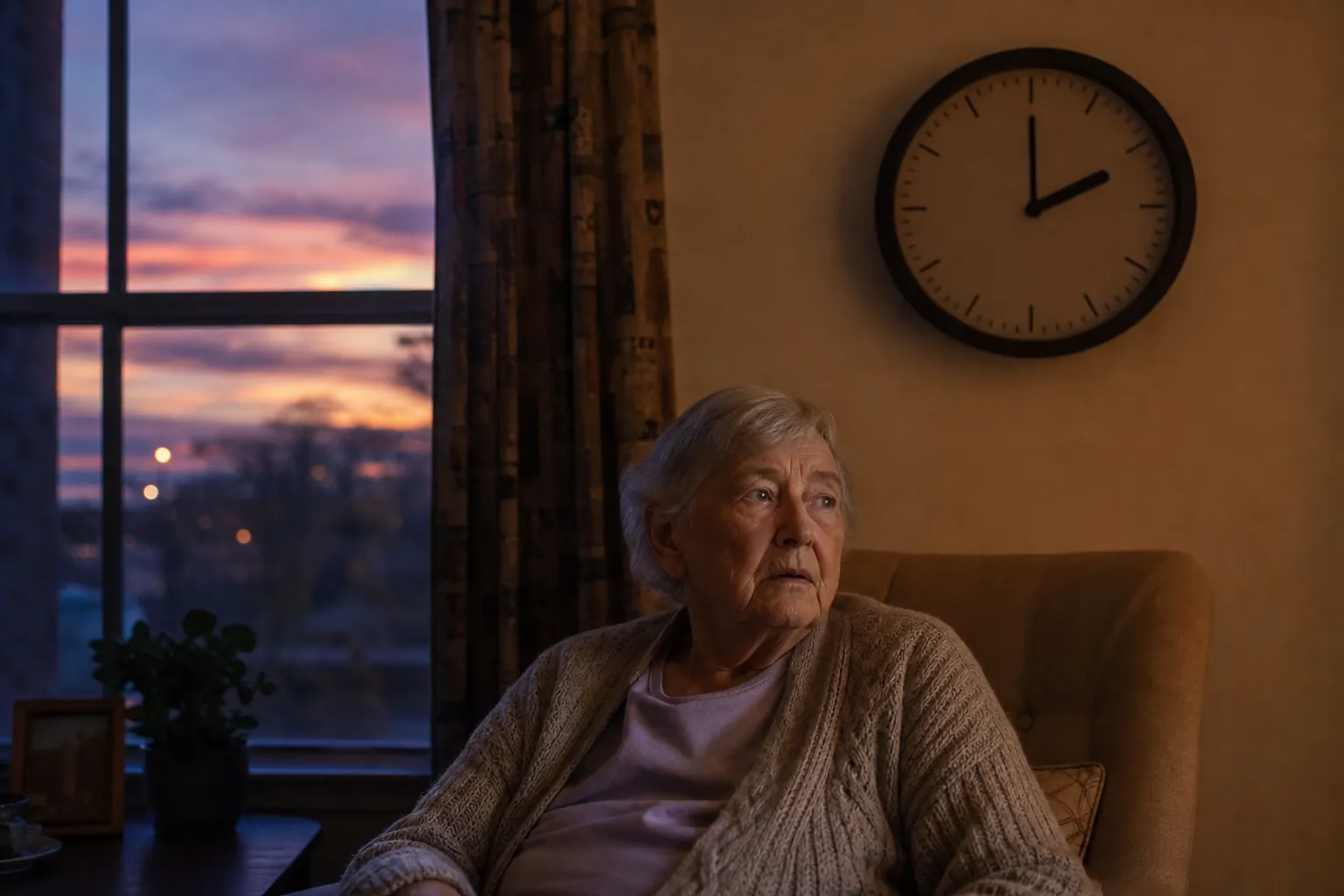
—The Common Heatstroke Prevention Mistake That Puts Seniors at Risk
Many caregivers assume a fan is enough to keep a senior safe during extreme heat. This article explains why fans fail above 95°F and how air conditioning or cooling alternatives are the only reliable protection.
 —
—How Daylight Saving Time Affects Elderly Sleep Health
Explains why daylight saving time causes more severe sleep disruption in older adults than in younger people, covering age-related circadian changes, sleep fragmentation, and the added risks for those with dementia — so caregivers can understand why adjustment takes weeks and what to expect.
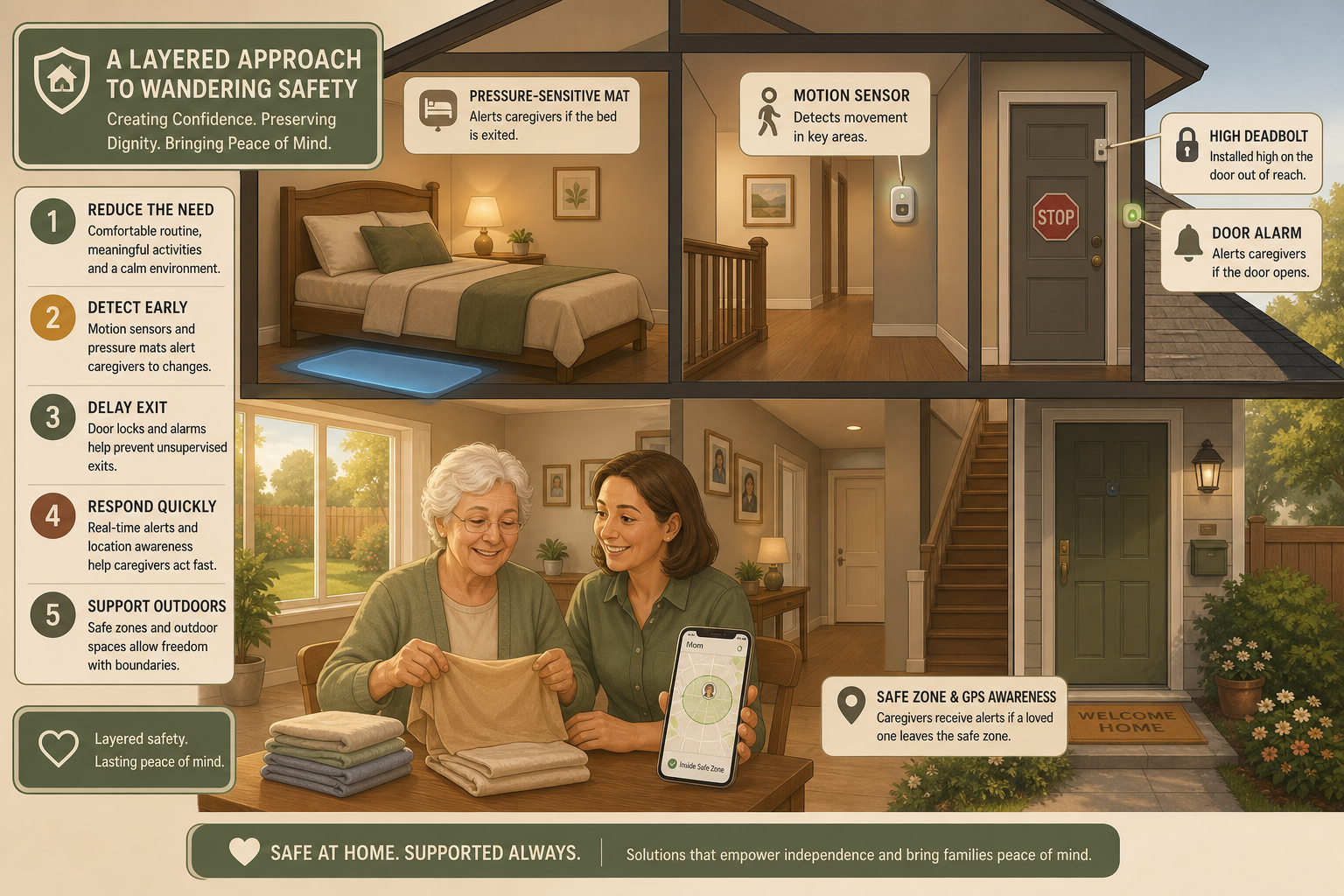 —
—Dementia Wandering Safety Plan for Caregivers at Home
A practical, tiered guide for family caregivers to prevent, manage, and respond to wandering in a loved one with dementia at home — covering environmental modifications, daily routines, monitoring technology, and emergency preparedness.