
Glossary entry
Why the 2027 Social Security COLA Increase Won't Be Enough
Last verified 2026-08-25
This is not financial or legal advice. Medicare/Medicaid and benefits rules vary by state and change over time — verify current rules with your state Medicaid office or Area Agency on Aging.
A projected 3.5% to 3.6% increase in Social Security benefits would be welcome in 2027. It would also leave a large part of the problem untouched: The Senior Citizens League says benefits have lost 13.7% of their buying power since 2016. Restoring that loss would require about $295.85 more per month for the average benefit used in its analysis, while a 2027 increase is more likely to add roughly $70 to $77 a month, depending on the estimate and benefit baseline. [1][2][3]

That does not make the projected 2027 Social Security COLA meaningless. It means the increase should be treated as partial relief, not a recovery. A retiree whose rent, food, utilities, and prescriptions have already consumed most of the monthly check may notice the extra money without feeling that the month has become easier.
The COLA is not official as of August 25, 2026. The Social Security Administration is expected to announce it on October 14, 2026, after the September CPI-W data are available. August estimates cited by public sources range roughly from 3.2% to 3.6%, so a precise dollar amount should not be treated as settled.
What the 13.7% loss means
The 13.7% figure is a buying-power comparison, not a claim that every senior's expenses rose by exactly that amount. TSCL built a 70-item price index weighted toward expenses that older households commonly face and compared those changes with Social Security benefit increases. On that basis, benefits now buy roughly 84 to 86 cents of what they bought in 2016. TSCL uses a different “since 2010” framing on its COLA Watch page; the 13.7% figure here follows its 2026 buying-power release's 2016 baseline. [1][3]
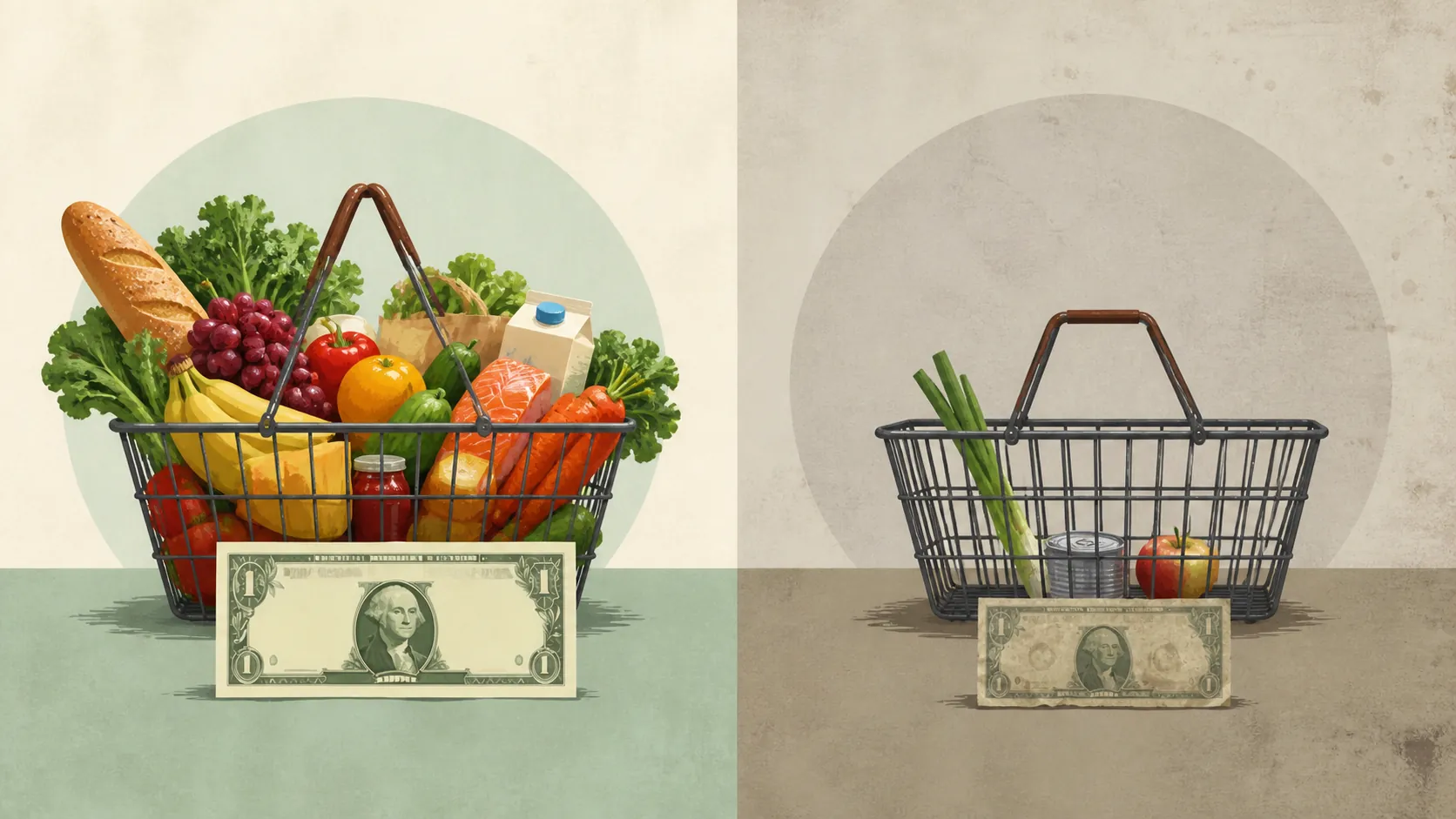
TSCL estimates that restoring the lost purchasing power would require a one-time increase of about 15.7%, or approximately $295.85 per month using its average-benefit baseline. A projected increase of $70 to $77 would cover only part of that amount. The comparison is not a forecast of anyone's exact check; it shows the scale of the gap between an annual adjustment and the cumulative pressure that preceded it.
The dollar estimates use different baselines. AARP's 3.5% estimate adds about $73 to an average monthly benefit of approximately $2,086, while TSCL uses a different average-benefit figure in its buying-power calculation. Those numbers can all be internally consistent because they are measuring different starting points. [2]
Why the COLA can lag senior expenses
The recurring mismatch begins with the inflation measure used to set the adjustment. Social Security's COLA is based on the CPI-W, an index designed around the spending patterns of urban wage earners and clerical workers. Senior households can have a different cost profile, particularly when housing and medical care take up a larger share of the budget.

In TSCL's comparison, housing represents 48.1% of the senior-weighted CPI-E basket, compared with 41.9% in CPI-W. Medical care represents 11.3% in CPI-E and 6.9% in CPI-W. CPI-E would have produced a higher adjustment than CPI-W in seven of the last ten years, averaging 3.0% compared with 2.8% for CPI-W. [1]
That difference does not prove that switching indexes would solve retirement insecurity. It does explain why a COLA can track broad consumer inflation while still feeling inadequate to someone paying for rent, home repairs, insurance, or recurring prescriptions. The index determines which price movements receive the most weight before the increase reaches a beneficiary's check.
Who has the least room to absorb the gap
TSCL's 2026 Senior Survey puts the household consequences in clearer terms. Forty-four percent of respondents said they depend on Social Security for all of their income, up from 39% in the prior comparison. Fifty-seven percent reported living on less than $2,000 per month, and approximately 5.6 million older Americans were living below the federal poverty line. [5]
The same survey reported an average monthly cost of living of about $2,700 for a single senior, compared with an average benefit of approximately $2,084. [5] An average cannot predict an individual budget, but the direction is difficult to miss: a raise applied to a benefit that already falls below common monthly costs does not automatically create breathing room.
For households helping a parent, the practical question is therefore not simply whether the check rises. It is which expense absorbs the increase first, whether the household has savings or other income, and whether a new deduction reduces the gross adjustment before it arrives in the checking account.
The gross raise is not always the amount kept
Medicare premiums and other deductions can reduce the amount a beneficiary actually sees. The full Part B and Part D calculation is separate from the buying-power question, so households should review the net-benefit math rather than assume the projected COLA will arrive dollar for dollar. See the site's guide to how much of the 2027 Social Security increase you keep after Medicare.
A limited increase also changes how families should think about irregular costs. A grab bar, improved lighting, or another home-safety project may compete with groceries and prescriptions, even though postponing a needed modification can create larger costs later. The separate analysis of whether the 2027 COLA covers home-safety costs explains that tradeoff in more detail.
What the 2027 increase cannot settle
The COLA does not resolve Social Security's longer-term financing problem. Depending on the source and accounting date, the retirement trust fund's depletion is projected around 2032 to 2033. Without congressional action, estimates indicate that roughly 77% to 78% of scheduled benefits could remain payable, or that scheduled benefits could face an adjustment of about 22%. These are projections, not a change to current payments. [6][7]
Proposals such as the Social Security 2100 Act have included a 2% benefit increase, a minimum benefit set at 125% of the federal poverty line, and a switch to CPI-E. They remain legislative proposals rather than enacted benefits. A household should not count proposed changes as available income.
What households can still review
No budgeting adjustment can recreate $295.85 of monthly buying power for someone who does not have it. Still, the period before the final COLA announcement is useful for checking the parts of the budget most likely to consume the increase:
- Stress-test housing and healthcare costs instead of budgeting around the gross COLA estimate. The site's retirement plan stress test can help organize that review.
- Check Medicare-related deductions and compare the net payment with the current monthly budget.
- Prioritize safety and mobility expenses that can prevent a more expensive fall, avoidable hospitalization, or loss of independence. Available home-modification funding resources may reduce the amount that must come from the monthly check.
- Use covered preventive services where relevant, including Medicare's wellness and fall-prevention resources, before a manageable concern becomes a larger expense.
The projected 2027 COLA is worth counting. It may cover a bill, refill a prescription, or prevent a small shortfall from becoming an overdraft. But the available evidence does not support calling it restoration. A raise near $70 to $77 is meaningful for a household living close to the edge; it is still only a small part of the roughly $295 monthly increase TSCL estimates would be needed to recover the buying power lost since 2016.
Last verified: August 25, 2026. The 2027 COLA remains unofficial until the Social Security Administration's expected October 14 announcement. This article is for general information and is not financial or legal advice.
References
- Social Security Benefits Have Lost 13.7 Percent of Their Buying Power Since 2016 — The Senior Citizens League, 2026
- 2027 Social Security COLA Increase Estimate — AARP, 2026
- COLA Watch — The Senior Citizens League, 2026
- COLA Prediction Remains High at 3.8 Percent as Social Security Falls Behind Cost of Living — The Senior Citizens League, 2026
- Social Security 2027 COLA Projected at 3.8% by Senior Citizens League — News4JAX, August 3, 2026
- Social Security COLA 2027 — CNBC Select, 2026
- New Social Security COLA Estimates Released After Fresh Inflation Data — Fox Business, 2026
Browse more in the Glossary.