
Caregiver decision guide
Plan a Senior-Friendly Labor Day Weekend in Philadelphia
A day-by-day Labor Day weekend 2026 plan for older adults in Philadelphia, pairing the holiday's parade, museum programs, and garden shows with the heat-safety rules, accessible transit, seating, and timing checks each outing requires. The schedule settles logistics before activities, with a verify-before-you-go note for event details that vary across sources.

For Labor Day weekend 2026, the first decision is not whether Philadelphia has enough to do. It does. The harder question is which activities an older adult can actually enter, enjoy, leave, and recover from without the whole day turning into a sidewalk negotiation over heat, walking distance, bathrooms, or where to sit.
Settle the logistics before falling in love with the event listing. Adults 65 and older are more prone to heat-related illness, and the CDC advises drinking more water than usual without waiting for thirst, avoiding very strenuous activity, and checking the HeatRisk forecast before outdoor plans.[1] Health in Aging’s hot-weather guidance adds a useful scheduling rule for holiday weekends: put outdoor activity in the early morning or near sunset when possible.[2]
That safety floor does not mean staying home all weekend. It means choosing the rhythm carefully: indoor and air-conditioned first, outdoor only when the forecast and transportation make sense, and the parade treated as conditional rather than automatic.
The weekend rhythm: Sept. 4–7, 2026
Labor Day weekend in Philadelphia runs Friday, Sept. 4 through Monday, Sept. 7 in 2026, with the 39th Tri-State Labor Day Parade on Monday along Columbus Boulevard toward Penn’s Landing as a major holiday anchor.[3] For older adults, though, the best weekend plan does not build up to one exhausting event. It spreads energy across lower-effort choices and leaves room to cancel the hardest outing.
| Day | Best-fit plan | Why it works for many older adults | Main thing to verify |
|---|---|---|---|
| Friday, Sept. 4 | Philadelphia Museum of Art Pay What You Wish Friday | Indoor, cost-conscious, accessible, and easier to keep short | Hours, entry details, drop-off or transit plan |
| Saturday, Sept. 5 | Museum of the American Revolution Labor Day Weekend programming | Strong accessibility details, elevators, wheelchairs, captioned films, and indoor rest opportunities | Program timing and any accessibility request deadlines |
| Sunday, Sept. 6 | Optional enrichment: Longwood Gardens evening timed-ticket show or Valley Forge Art in the Park | Good only if transportation, walking surface, heat, and exit timing are realistic | Tickets, route surfaces, accessible parking, and forecast |
| Monday, Sept. 7 | Tri-State Labor Day Parade only if conditions line up | Meaningful holiday event, but the most demanding option because of heat, crowds, seating uncertainty, and exit planning | Start time with AFL-CIO Philadelphia, route access, seating, restroom, and departure plan |
Before choosing an activity, choose the escape plan
A senior-friendly Labor Day weekend plan starts with five checks. They are not glamorous, but they decide whether the outing stays pleasant.
- Check the heat first. Look at the HeatRisk forecast, not just the high temperature. If the day is trending hot, shift outdoor plans earlier, closer to sunset, or indoors.
- Pick transportation before picking the event. Decide whether the day depends on parking, a drop-off, PHLASH, SEPTA, or a rideshare. Do not leave that decision for the curb.
- Identify seating and restrooms before arrival. A bench “somewhere nearby” is not a plan for someone using a cane, walker, or limited stamina.
- Keep walking distances conservative. If an older adult has been working on endurance, this is where the work pays off, but a holiday crowd is not the day to test a new limit. For a steadier baseline before trips like this, see weekly mobility exercises for older adults.
- Confirm the current details. Holiday hours, program times, entrance routes, wheelchair availability, and parade timing can change.
Transportation is one place where Philadelphia helps. The PHLASH downtown loop is wheelchair accessible, runs every 15 minutes in season, and is free for seniors, according to Visit Philadelphia’s accessibility guide.[4] SEPTA buses and trolleys are fully accessible, more than 60% of SEPTA stations are wheelchair accessible, and reduced fares are available through the SEPTA Key Reduced Fare Card.[4] That still leaves the practical questions: how far is the stop from the entrance, where is the curb cut, and how tired will everyone be when it is time to leave?
Heat symptoms should change the day immediately. Health in Aging lists red hot dry skin, a fast pulse, confusion, passing out, and a body temperature of 104°F or higher as emergency signs; its guidance is to call 911, move the person to shade, and loosen clothing.[2] The CDC also flags muscle cramps, headache, nausea, and vomiting as warning signs in hot weather.[1] If those show up, the itinerary is over. The next step is response, not one more block of walking.
For a broader household plan before storms, heat waves, or power outages complicate a weekend, keep a copy of the severe-weather checklist for seniors. Good holiday planning is much easier when medications, water, cooling options, and backup contacts are not being figured out at noon in a crowd.
Friday evening: keep the first outing short and indoors
Friday, Sept. 4 is the soft opening for the weekend. The Philadelphia Museum of Art’s final summer Pay What You Wish Friday falls on that date, and Visit Philadelphia describes the museum as fully accessible, with seating in most galleries and complimentary wheelchairs.[3] That combination matters: lower admission pressure, indoor galleries, places to sit, and the option to leave after a small, satisfying visit.
Do not try to “do the museum” if the older adult has limited stamina. Pick one wing, one exhibition area, or one familiar gallery. The goal is to start the holiday weekend with success, not to use Friday night to prove everyone can still manage a major museum at a younger person’s pace.
- Best arrival style: arrive after the hardest afternoon heat, but not so late that fatigue is already setting in.
- Best mobility move: ask about complimentary wheelchair availability at arrival if walking through large galleries may be too much.
- Best caregiver move: decide the exit point before entering the first gallery.
- Best cost note: Pay What You Wish helps, but transportation, parking, food, and a possible rideshare home still belong in the budget.
Friday is also the night to notice how the weekend is going. If the museum visit produces a tired silence on the ride home, Saturday should become shorter, not more ambitious.
Saturday: use the Museum of the American Revolution as the main indoor anchor
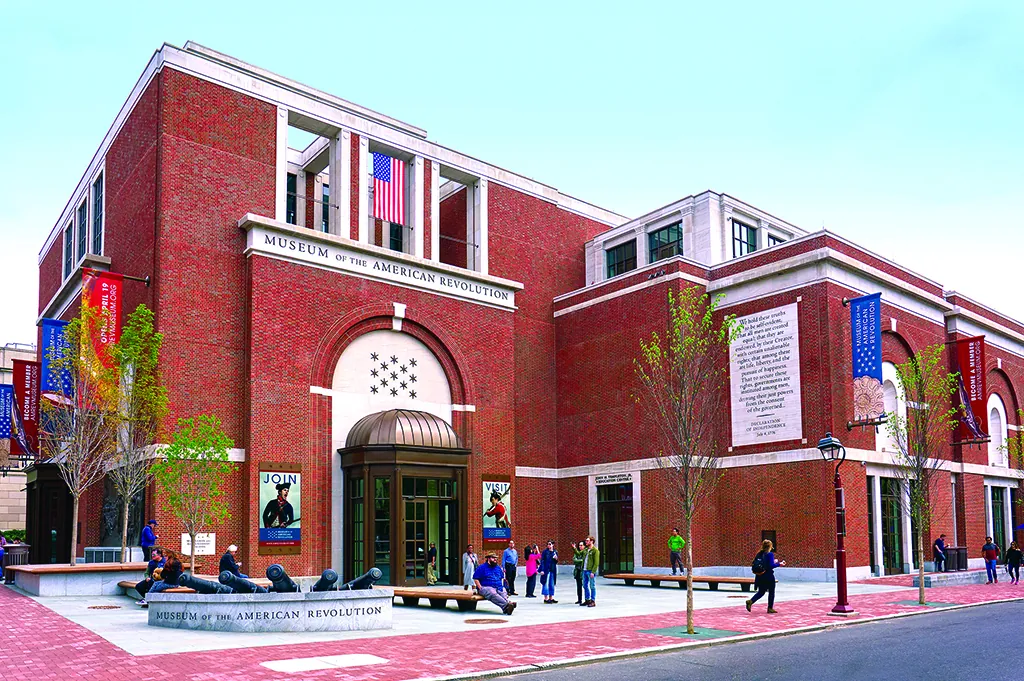
Saturday is a practical place to put the weekend’s most substantial Philadelphia activity. The Museum of the American Revolution has Labor Day Weekend programming from Sept. 5–7, 2026, and its accessibility details are unusually useful for planning: the museum is wheelchair accessible, has elevators, offers complimentary manual wheelchairs, provides closed-captioned films, and can arrange ASL tours with two weeks’ advance request.[5] Visit Philadelphia’s accessibility guide also lists the museum among accessible Philadelphia attractions.[4]
This is the kind of outing that can still feel like a holiday without demanding a long outdoor wait. It gives an older adult something real to choose — history, galleries, special programming — while giving the caregiver actual tools: elevators, seating opportunities, captions, and the possibility of a wheelchair if stamina drops.
The best Saturday plan is not complicated. Go earlier in the day if the forecast is hot, arrive fed or with a food plan nearby, use the restroom before starting the galleries, and agree on one mid-visit sit-down point. If the older adult uses hearing aids, low vision aids, a cane, or a rollator, build a few minutes into arrival so no one is trying to adjust equipment while the group is already moving.
| Saturday planning point | Practical choice |
|---|---|
| Program interest | Check the museum’s Labor Day Weekend schedule before leaving home, then pick one or two priorities. |
| Mobility | Use elevators rather than treating stairs as a small inconvenience. |
| Wheelchair backup | Ask early about complimentary manual wheelchairs if walking distance may become the limiting factor. |
| Hearing or communication access | Closed-captioned films are available; ASL tours require advance request. |
| Exit plan | Leave before fatigue turns into irritability, confusion, or a risky walk back to transit. |
A museum day still needs a fall-prevention eye. Rain, wet shoes, slick lobby floors, curb cuts, and crowded sidewalks can turn a manageable trip into a risky one. The rainy-day home safety checklist for elderly parents is written for the house, but the same habits travel well: dry footwear, clear paths, good lighting, and not rushing through transitions.
Sunday: make the optional day trip earn its place
By Sunday, the weekend has already used energy. This is why the garden or park day should be optional, not a moral test of whether everyone is still “up for it.” If Friday and Saturday went smoothly, Sunday can add beauty and fresh air. If the heat is heavy or someone slept poorly, Sunday is a rest day.
Longwood Gardens: good for a planned evening, not a spontaneous bargain
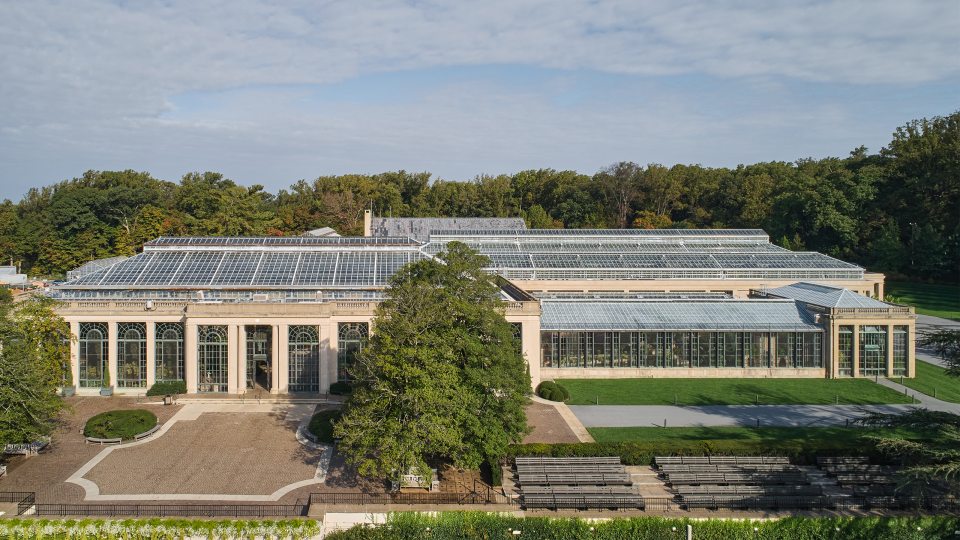
Longwood Gardens’ “The Final Frontier” Fireworks & Fountains timed-ticket show is listed for Sept. 6, 2026, and it can be a lovely Sunday evening choice for an older adult who can manage a timed-ticket trip with transportation already solved.[6] The timing may help with heat because it is an evening outing, but that does not remove the walking, parking, crowd, and late-return issues.
Be careful with discount claims here. Longwood’s official FAQ says the 65+ senior discount is weekday-only, so it should not be counted on for a Saturday or Sunday Labor Day weekend visit.[6] The weekend-relevant access price to note is different: Longwood lists $2-per-person admission for Pennsylvania ACCESS or SNAP EBT cardholders, up to four people.[6]
Longwood also lists complimentary wheelchairs, pay-what-you-wish scooters, and 45 accessible parking spaces.[6] Those are helpful details, but they do not eliminate the need to call or check current availability before committing, especially for a timed event. A scooter that is technically offered but unavailable on arrival is not much comfort to someone who planned the evening around it.
Valley Forge Art in the Park: free, outdoors, and route-dependent
Valley Forge Art in the Park on Sept. 6 is the lower-cost outdoor alternative, but free does not automatically mean easy. The National Park Service accessibility information for Valley Forge lists eight accessible spaces at the Visitor Center, a paved Schuylkill River Trail with no steep areas, and a paved Joseph Plumb Martin Trail loop that includes some steep slopes and no handrails.[7]
That distinction is the whole decision. A paved trail with no steep areas is a different outing from a paved loop with some steep slopes and no handrails. For an older adult with balance concerns, shortness of breath, neuropathy, a walker, or a history of falls, the surface details matter more than the event description.
- Choose Valley Forge only if the forecast supports outdoor time.
- Use the Visitor Center as the restroom and reset point, not just the starting point.
- Stay on the more manageable paved route if slopes or lack of handrails are a concern.
- Turn around before fatigue becomes obvious. Waiting until someone says they are tired usually means the return walk is already too much.
Monday: treat the Labor Day parade as the most conditional outing

The Tri-State Labor Day Parade is the weekend’s symbolic anchor, but it is also the outing most likely to punish vague planning. Visit Philadelphia lists the 39th parade for Monday, Sept. 7, along Columbus Boulevard toward Penn’s Landing.[3] The Philadelphia Citizen’s calendar lists the parade at approximately 8:30 a.m. to 2 p.m., starting at 1301 S. Columbus Blvd. and ending at 101 S. Columbus Blvd.[8] Other published organizer or union-related listings have cited different start times, including 9 a.m. and 10 a.m. Do not build the morning around a guessed time. Confirm with AFL-CIO Philadelphia before going.
For an older adult, the parade is not just “standing and watching.” It can mean uneven sidewalk space, crowds that block exits, sun exposure, limited seating, uncertain restroom access, and a long wait for transportation afterward. If those pieces are not solved, choose a shorter indoor or shaded alternative and let the parade be something to watch in clips or photos later.
| Parade decision | Go only if the answer is yes |
|---|---|
| Timing | Have you confirmed the current start time and route with AFL-CIO Philadelphia? |
| Heat | Does the HeatRisk forecast support standing or sitting outdoors? |
| Seating | Do you know where the older adult can sit before, during, and after the parade? |
| Restrooms | Is there a realistic restroom option nearby? |
| Transit or parking | Can you get close enough without a long walk at the beginning or end? |
| Exit | Can you leave early without pushing through the densest crowd? |
If the parade still makes sense, make it a short viewing plan. Arrive early enough to avoid rushing, choose a spot based on shade and exit access rather than the best view, and leave before the official ending if the crowd is building. A parade does not become more meaningful because someone stayed until they were overheated or unsteady.
A practical packing list for the person managing the day
The person carrying the bag often carries the outing. Pack for the actual weak points: thirst, waiting, medication timing, glare, sudden fatigue, and the walk back.
- Water, plus a plan to refill or buy more.
- Medication list, emergency contact, and any time-sensitive doses.
- Sun hat, sunglasses, and light layers for air-conditioned interiors.
- Small snack if allowed and medically appropriate.
- Fully charged phone and backup battery.
- Transit card, parking app login, or rideshare plan already set up.
- Cane, walker, rollator, or wheelchair plan chosen before leaving home.
- A written “leave now” threshold, such as dizziness, confusion, nausea, heavy fatigue, or unsafe heat.
There is dignity in offering choices. There is also dignity in not pretending a long walk in heat is the same outing for every body. Philadelphia’s Labor Day weekend can work well for older adults when the plan protects energy before spending it. The best itinerary is the one flexible enough to change when heat, crowds, mobility, or fatigue change.
Last verified: Aug. 25, 2026. Event schedules, accessibility services, transit operations, and pricing can change; confirm directly with each venue or organizer before leaving home. This article is for general planning and safety information and is not medical advice. If you have questions about heat risk, exertion, medications, hydration limits, or a specific health condition, ask a licensed clinician. Reviewed for CareWise Guide by Marissa Chen, OTR/L.
References
- Heat and Older Adults (Aged 65+) — CDC.
- Tip Sheet: Hot Weather Safety Tips for Older Adults — Health in Aging.
- Labor Day Weekend 2026 in Philly — Visit Philadelphia.
- A Guide to Accessible Philadelphia — Visit Philadelphia.
- Labor Day Weekend 2026 at the Museum — Museum of the American Revolution.
- Frequently Asked Questions — Longwood Gardens.
- Accessibility — National Park Service.
- Good Citizen Calendar — The Philadelphia Citizen.
Questions to bring to a clinician or OT
This is not medical, legal, or a family's final decision — only a framework. Bring these questions to a clinician, occupational therapist, or your local Area Agency on Aging.
Find Local HelpRelated reading
Noticed something outdated or inaccurate on this page? Flag a correction. We review every report against CDC, NIA, and AARP HomeFit guidance before updating a page.