
Caregiver decision guide
Which grocery options fit seniors after Stop & Shop closes?
A practical plan for seniors when the local Stop & Shop closes: confirm the timeline, then match a replacement grocery option to mobility, tech comfort, and budget.
Last verified: August 1, 2026. If the local Stop & Shop is closing, the first grocery shopping option for a senior is not an app or a new store. It is a dated list, a final shopping day, and a short set of loose ends that need to be handled before the doors shut.
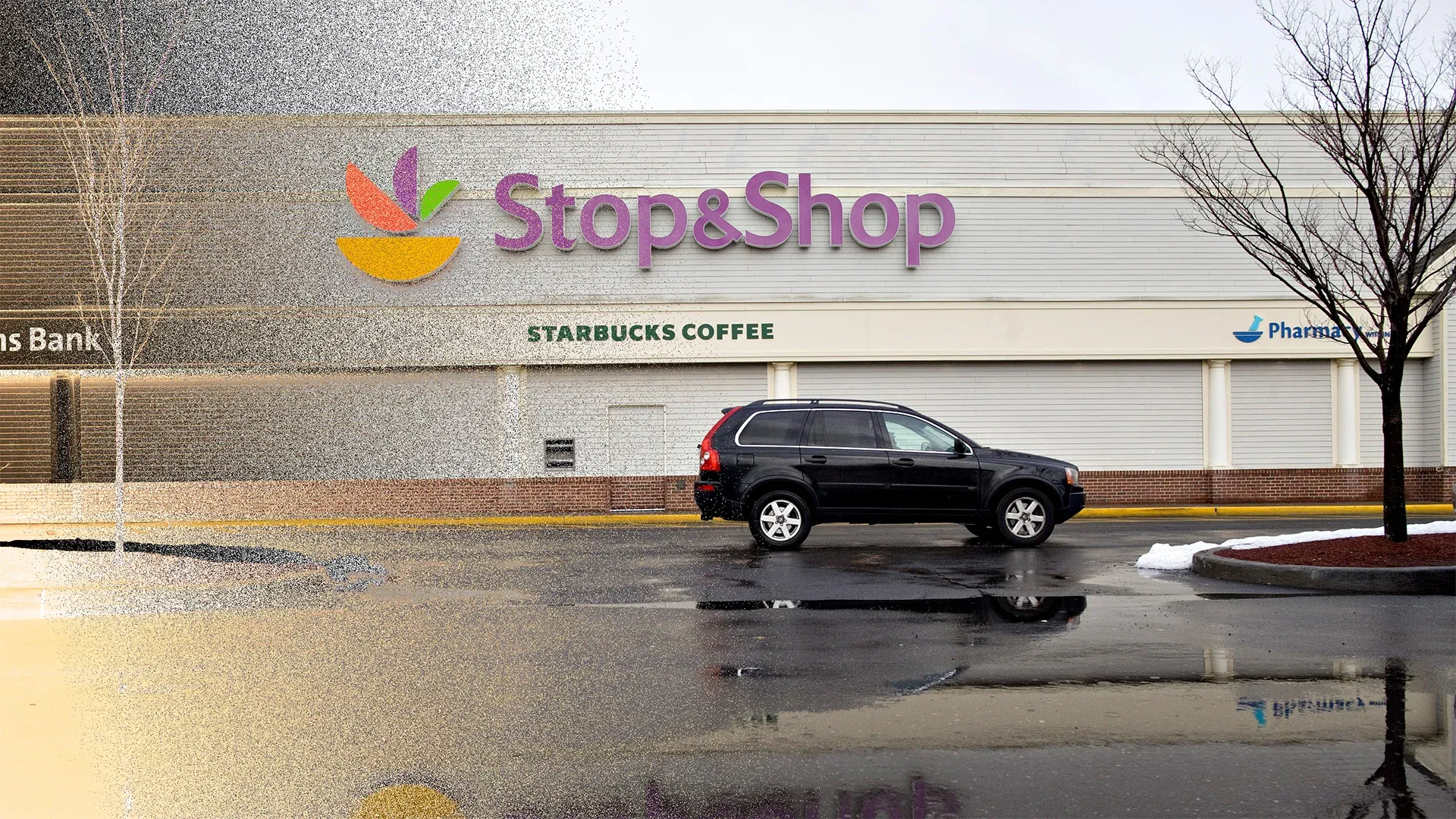
As of July 2026 reporting, the four named Stop & Shop locations expected to close by the end of 2026 are Basking Ridge, New Jersey; Toms River, New Jersey; Westfield, New Jersey; and Clinton, Connecticut. The same report says Stop & Shop still operates more than 350 stores across Connecticut, Massachusetts, New Jersey, New York, and Rhode Island, so a closing local store does not automatically mean the chain has disappeared from the area. It does mean the household has to recheck the map and the calendar now, not after the last familiar checkout lane is gone. [1]
Treat every closure count as dated. In 2024, CNN reported that Stop & Shop would close 32 underperforming stores on or before November 2, 2024, including 10 in New Jersey, 8 in Massachusetts, 7 in New York, 5 in Connecticut, and 2 in Rhode Island; Grocery Dive reported the same 32-store plan. [2][3] Later reporting described roughly three dozen more closures over the following 18 months. [1] That shifting count is exactly why a senior or caregiver should confirm the specific store, final shopping day, pharmacy status, and nearby alternatives directly.
This article is planning information, not legal, financial, medical, or benefits advice. Delivery availability, SNAP/EBT rules, senior discounts, pharmacy transfers, and food-program eligibility can vary by state, retailer, ZIP code, and local provider. Verify before relying on any one option.
Before the last day: handle the things that create trouble later
A closing grocery store is inconvenient. A closing grocery store with a pharmacy, unused gift cards, a bus routine, and a parent who shops by memory is a larger problem. The preventable mess usually starts with someone assuming there is still time.
- Write down the final shopping day and, if the store has a pharmacy, the final pharmacy counter day. Do not rely on a remembered announcement or a neighbor’s version of it.
- Ask the store whether hours will change before closing. Some closing locations run down inventory, departments, or services before the official final date.
- If prescriptions are filled there, call the pharmacy before the last week. Ask where prescriptions will be transferred, whether the senior can choose a different pharmacy, and whether any prescription needs the prescriber’s help before it can move.
- Check whether the new pharmacy delivers, mails prescriptions, offers automatic refills, or has phone refill support. A pharmacy that works only through an app may be a poor fit for a senior who has always handled refills in person.
- Use, photograph, or write down gift card numbers and balances. Ask customer service whether the card can be used at another Stop & Shop location, online, or after the local store closes.
- Save the old store’s phone number, the new store or pharmacy number, and the senior’s insurance card details in one place. If an adult child is helping from another state, that person should not be hunting for numbers while a refill is already overdue.
If a senior uses the store as a weekly anchor — grocery aisle, prescription counter, familiar cashier, same parking row — the goal is not to invent a perfect new life. The goal is to keep food and medication moving during the first month after the closure.
Check whether another Stop & Shop still works, but do not stop at distance
Because Stop & Shop says it still has more than 350 stores across the five affected states, the next branch is simple: see whether another location is realistic before rebuilding the whole grocery routine from scratch. [1] This is not a loyalty test. It is a practical check. A familiar store brand may mean similar products, loyalty-card habits, and pharmacy transfer paths, but only if the new location can actually be used.
- Map the next closest Stop & Shop by actual travel method: walking, senior shuttle, bus, paratransit, taxi, family ride, or driving.
- Check the route on a bad week, not just a pleasant afternoon. Think rain, snow, early darkness, a sore knee, or a caregiver who cannot come that day.
- Call the surviving store and confirm pharmacy, pickup, delivery, customer service, and gift-card handling before assuming they match the closing location.
- Ask the senior what part of the old trip mattered: the pharmacy, the produce section, the bus stop, the short walk from parking, the cashier who helped bag lightly, or simply knowing where everything was.
Stop & Shop’s own delivery and pickup status should be checked on the current Stop & Shop site for the senior’s ZIP code. In August 2025, Supermarket News reported that Stop & Shop planned to close seven ecommerce “warerooms,” while the company said online pickup and delivery would continue; later local claims about delivery have not been consistent enough to rely on without checking the current site. [4]
Pick the replacement by mobility, tech comfort, and budget
Once the immediate closure tasks are handled, the choice usually falls into one of three routes: another in-person store, grocery delivery, or food assistance. Many households will use more than one. The important question is whether the route still works when the senior is tired, the weather is poor, the phone password fails, or the grocery budget is already tight.
| Best first route | When it fits | What to check before relying on it |
|---|---|---|
| Another in-person supermarket | The senior can get there safely, carry or manage bags, and tolerate the trip. | Transportation, walking distance inside the store, bathroom access, pharmacy, bagging help, and discount days. |
| Grocery delivery or pickup | The senior or helper can place orders reliably online or by phone, and someone can receive and put away groceries. | Fees, minimum order sizes, substitutions, EBT/SNAP acceptance, delivery windows, phone support, and backup payment method. |
| Food assistance and local programs | The main problem is cost, homebound status, limited transportation, or inconsistent access to enough food. | SNAP, senior food boxes, farmers market coupons, Meals on Wheels, 211, Area Agency on Aging, and benefits enrollment help. |
If in-person shopping is still realistic
In-person shopping is often the cleanest replacement if the senior can still get to a store without turning the trip into a weekly ordeal. It preserves choice, lets the shopper inspect produce, and avoids delivery fees. It also keeps one small public routine intact, which matters more than people admit when they are making plans from a laptop three states away.
The transportation piece deserves the most honesty. A 2024 Population Reference Bureau case study of a Pennsylvania township whose only grocery store closed found that older adults without reliable transportation were hit hardest, and that the lost store had also served as a social gathering place. [5] That does not prove every Stop & Shop closure will have the same effect, but it names the part families tend to minimize: the missing trip is not just about lettuce and milk.
Start with the actual route. If the senior drives, check the new parking lot, left turns, winter lighting, and whether the walk from car to cart is longer. If the senior does not drive, call the town senior center, council on aging, transit office, or local Area Agency on Aging. AARP’s transportation guidance for older adults points caregivers toward public transit, paratransit, volunteer driver programs, ride-hailing help, and community transportation services. [6] Our aging-in-place services guide is also a useful starting point for the Eldercare Locator and Area Agency on Aging pathway.
Then compare stores by total burden, not just mileage. A store two miles farther away may be safer if it has a better bus stop, flatter parking lot, pharmacy delivery, or a senior discount day. A store across town may be a poor choice if the trip requires a transfer, a long walk with bags, or a family driver who is already overcommitted.
Senior discount days can matter, but confirm the local store
Stop & Shop told AARP it offers no senior discount. AARP’s supermarket discount list gives several regional alternatives that may save 5% to 10% on certain days, but AARP also advises shoppers to confirm participation with the local store. [7] That last part matters. A discount that is not honored at the nearest branch is not a grocery plan.
| Store | AARP-listed senior discount detail | Practical use |
|---|---|---|
| Stop & Shop | No senior discount listed by AARP. | Do not assume the closing store’s chain is the cheapest replacement. |
| Food Bazaar | 10% off on weekdays from 7 a.m. to 3 p.m. | Potentially useful for seniors who can shop earlier in the day. |
| Gristedes | 10% off on Tuesdays for shoppers 65+. | Relevant mainly where a New York-area location is realistic. |
| Tops | “Young at Heart” discount on the first Tuesday. | Worth checking for upstate New York shoppers near a participating store. |
| Weis | 10% off on Tuesdays for shoppers 60+. | May help if the store is reachable without adding transportation costs that erase the savings. |
Do the math with the ride included. A 10% discount on groceries can disappear quickly if the senior has to pay for a round-trip taxi, tip a delivery driver, or buy more than needed to meet a minimum order.
If delivery is the better bridge
Delivery can be a good answer, especially during bad weather, after a medical procedure, or when a caregiver can place the order from elsewhere. It is not automatically easier for the senior. Someone still has to choose substitutions, manage passwords, answer calls or texts, pay fees, receive the bags, and put cold food away.

| Delivery option | What the source says | What to verify locally |
|---|---|---|
| Stop & Shop pickup or delivery | Company reporting in 2025 said pickup and delivery would continue despite ecommerce wareroom closures. [4] | Current availability at the senior’s ZIP code on stopandshop.com, fees, minimums, substitutions, and whether the closing store affects service. |
| Instacart Senior Support | Instacart describes Senior Support for people 60+ and says it offers help with grocery delivery, including phone support and SNAP/EBT information. [8] | Which local stores participate, whether SNAP/EBT is accepted for the chosen retailer, service fees, tips, and whether the senior can handle substitutions. |
| Walmart+ Assist | The Senior List reports Walmart+ Assist at $6.47 per month or $49 per year for eligible customers with SNAP, Medicaid, or WIC, with free delivery on orders of $35 or more. [9] | Eligibility, local grocery delivery coverage, minimum order, tipping, payment method for fees, and whether Walmart is a good grocery match. |
| Amazon Prime Access | AARP reports Amazon Prime Access at $6.99 per month for eligible recipients of programs including SNAP, Medicaid, WIC, and SSI, with free same-day delivery on qualifying grocery orders of $25 or more. [10] | ZIP-code availability, which Amazon grocery service is available, EBT acceptance, substitutions, fees, and whether someone can manage the account. |
For a senior who is not comfortable online, phone support is not a bonus feature; it is the difference between usable and theoretical. If an adult child plans to order from afar, test the whole process once while the senior is home: doorbell, phone call, building entry, bag weight, refrigerated items, substitutions, and where the receipt goes.
- Ask whether the delivery service accepts SNAP/EBT for the chosen retailer in that state and ZIP code.
- Ask what cannot be paid with EBT and what requires another payment method.
- Check whether fees, tips, memberships, substitutions, and higher item prices change the total cost.
- Decide who handles problems: missing items, wrong substitutions, spoiled food, locked building entry, or a delivery that arrives while the senior is at an appointment.
A delivery plan should have a low-tech backup. That might be a printed grocery list, a neighbor who can receive bags in an emergency, a local taxi number, or one nearby store the senior can still enter in person.
If the real problem is food cost or access
Sometimes the closing store exposes a problem that was already there: the grocery budget was thin, transportation was fragile, or the senior was skipping heavy items because carrying them home was too much. In that case, switching stores is only part of the answer.
SNAP should be checked early, not as a last resort. The National Council on Aging says the average SNAP benefit for one-person older-adult households is $188 per month, and that more than half of eligible adults age 60+ are not enrolled. NCOA also points older adults to free application help through 211 and Benefits Enrollment Centers. [11]
For seniors who qualify, USAGov lists the Commodity Supplemental Food Program, which provides monthly food packages to eligible older adults with income at or below 185% of the federal poverty guidelines, and the Senior Farmers’ Market Nutrition Program, which provides coupons for eligible seniors to buy approved foods at participating farmers markets, roadside stands, and community-supported agriculture programs. [12]
Meals on Wheels can also be part of the plan, especially when the senior is homebound or mobility-limited, but eligibility and cost are handled by local providers rather than one national rule. Meals on Wheels America’s locator is the place to find the provider serving a specific address. [13]
- Call 211 or use NCOA benefits enrollment help if the senior may qualify for SNAP but is not enrolled.
- Ask the local Area Agency on Aging about transportation, food programs, home-delivered meals, and nearby senior-center grocery trips.
- Check whether a Medicare Advantage plan, if the senior has one, includes grocery, meal-delivery, transportation, or over-the-counter benefits. These benefits are plan-specific and can change, so verify with the plan before counting on them. For related benefit-search ideas, see hidden money for family caregivers and our explainer on Medicare Advantage benefit cuts.
- If a parent insists everything is fine but food, bills, or transportation are slipping, it may help to review the signs that an elderly parent needs more support: when to step in.
A workable first plan and a backup
A good replacement plan can be written in a few lines. It should name the primary grocery source, the backup source, the prescription plan, the payment method, and who fixes problems.
| Decision | Write down |
|---|---|
| Primary grocery option | Store name or delivery service, address or website, phone number, and usual shopping day. |
| Backup option | A second store, delivery service, senior shuttle, family driver, neighbor, or emergency meal source. |
| Pharmacy | New pharmacy name, phone number, delivery status, refill method, and who can speak with the pharmacy. |
| Payment | Loyalty card, gift card balance, credit/debit card, SNAP/EBT status, discount day, delivery membership, or benefit card. |
| Problem solver | The person who handles missed deliveries, prescription issues, password resets, transportation cancellations, or benefit paperwork. |
For the first month, keep the plan boring. Use one main store or service, repeat the same shopping day if possible, and keep receipts until the household knows what the new routine really costs. If delivery is the primary plan, keep one in-person option. If in-person shopping is the primary plan, keep one delivery or meal option for illness and storms.
The final fit test is plain: Can the senior get there safely? Can the senior or helper place and receive the order reliably? Can the household afford the total cost after fees, transportation, discounts, SNAP, or other benefits? The closest store is not always the safest. The most advertised delivery service is not always the most usable. The right grocery option is the one that still works on a bad week.
References
- Stop & Shop Closes Dozens of Stores: See the Complete List of Doomed Locations for 2026 — Inc., July 2026
- Stop & Shop is closing 32 underperforming locations. Here's where — CNN Business, July 12, 2024
- Stop & Shop to close 32 underperforming stores — Grocery Dive
- Stop & Shop to shutter seven delivery warerooms — Supermarket News, August 2025
- PRB case study of a Pennsylvania township whose only grocery closed — Population Reference Bureau / Rhubart et al., 2024
- Transportation Services for Older Adults — AARP
- 13 Supermarkets That Give Seniors a Discount — AARP
- Grocery Delivery for Seniors — Instacart
- Walmart Senior Discount — The Senior List
- Walmart+ and Amazon Prime Discounts for People on Government Assistance — AARP
- How Seniors Can Get Help Paying for Food with SNAP — National Council on Aging
- Senior food programs — USAGov
- Find Meals and Services — Meals on Wheels America
Questions to bring to a clinician or OT
This is not medical, legal, or a family's final decision — only a framework. Bring these questions to a clinician, occupational therapist, or your local Area Agency on Aging.
Find Local HelpRelated reading
Noticed something outdated or inaccurate on this page? Flag a correction. We review every report against CDC, NIA, and AARP HomeFit guidance before updating a page.