
STEADI: Screen
Falls and confusion can be COVID symptoms in older adults
During a summer surge, COVID in older adults can look like a sudden fall, new confusion, or an “off” day rather than a classic fever and cough. Caregivers get the atypical warning signs worth screening for, plus the escalation path from at-home test to doctor call to 911-level emergency signs.
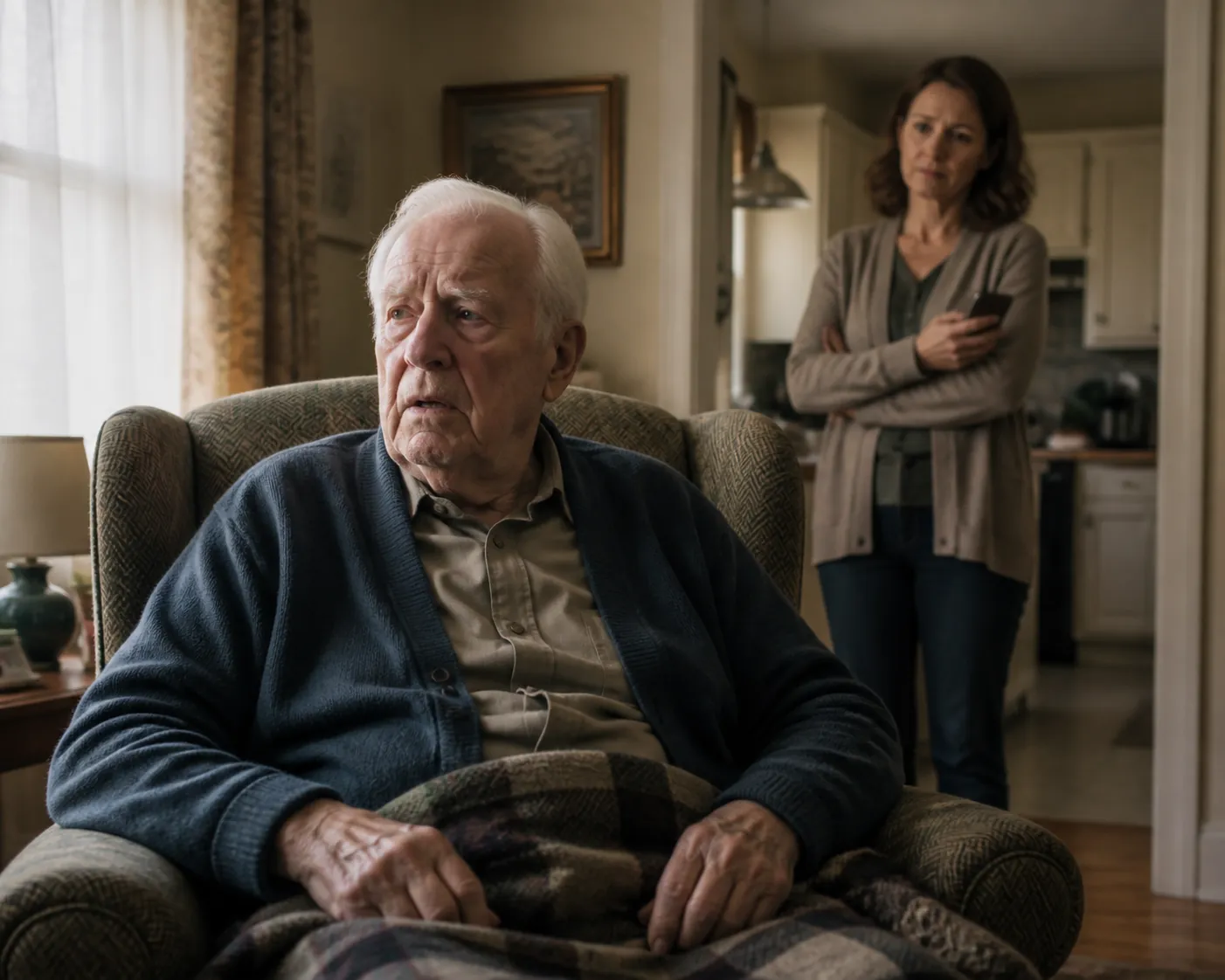
If your parent fell this morning, woke up confused, slept through meals, became dizzy, had diarrhea, or simply seems unlike themselves during a COVID surge, do not wait for the familiar fever-and-cough picture before you screen for COVID. In older adults, a sudden change in function can be the first visible sign of infection.
That does not mean every fall is COVID. A fall can come from dehydration, medication effects, blood pressure changes, pain, poor sleep, a urinary infection, a stroke, or a mechanical hazard in the room. But during a surge, “she just seems off” is medically relevant information. The safest next move is to compare today with the person’s normal baseline, screen for atypical COVID signs, test if you can, and escalate based on symptoms rather than on reassurance that there is no fever.
The COVID signs caregivers may actually see first
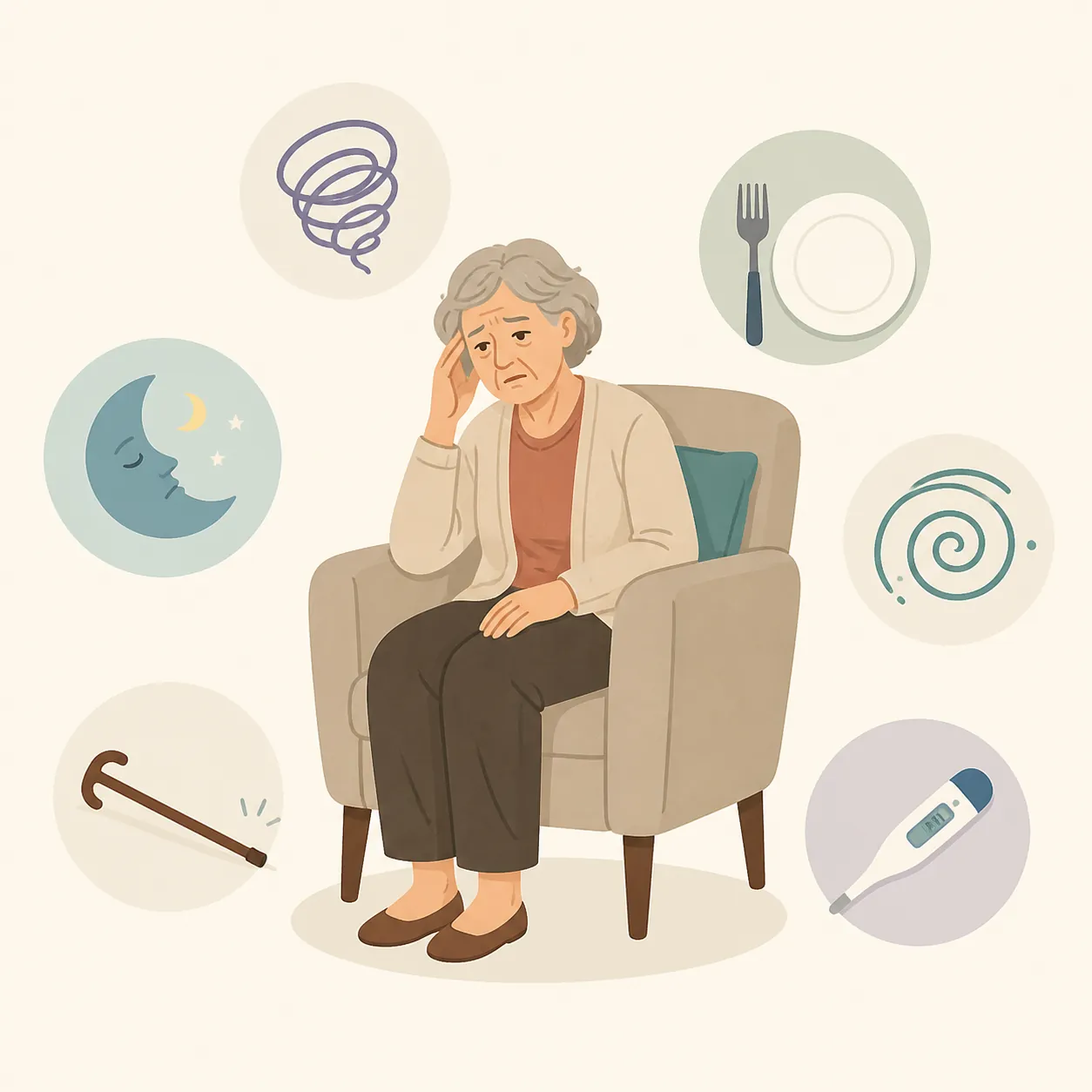
Classic COVID symptoms still matter: cough, sore throat, congestion, fever, chills, fatigue, body aches, headache, shortness of breath, and loss of taste or smell can all occur. The problem is that older adults may not start there. Geriatricians have described older COVID patients who were sleeping more than usual, stopped eating, became apathetic or confused, felt dizzy, or fell, sometimes without fever or cough at all.[1]
A Northwell Health study of 4,961 older COVID patients found that 25% presented with functional decline and 11% with altered mental status. Among patients with atypical presentations, 49% had atypical symptoms alone, meaning the non-textbook signs were not merely extra symptoms layered on top of the obvious ones.[2]
Falls are part of that pattern. A Cleveland Clinic Journal of Medicine geriatrics review reported falls as a presenting symptom in 23.5% to 32% of cases in the studies it reviewed. The same review cited delirium in 28% of 817 older emergency department patients with COVID, with a mean age of 77.7; 37% of those patients did not have classic fever or shortness of breath.[3]
The absence of fever is especially easy to overvalue at home. A Frontiers in Medicine review noted that roughly 30% of older adults with serious infections show mild or no fever, and it warned that absence of shortness of breath is not necessarily reassuring in older patients with COVID.[4]
A caregiver-visible screening list
Use the parent’s usual day as the comparison point. The sign is not that an older adult took a nap; it is that someone who normally gets up, eats breakfast, checks the mail, or follows a familiar medication routine suddenly cannot manage those ordinary steps.
- New confusion, disorientation, unusual agitation, or not following a normal conversation
- Sleeping much more than usual, being hard to engage, or seeming unusually apathetic
- Eating or drinking very little, especially when that is not typical
- Dizziness, weakness, wobbliness, or a new fall
- New incontinence or a sudden inability to get to the bathroom in time
- Nausea, vomiting, diarrhea, or stomach complaints, even without respiratory symptoms
- A cough, sore throat, fever, congestion, fatigue, or breathing change if present
- A normal or only mildly elevated temperature that does not match how unwell the person looks
Write down when the change started. If you call a clinician, “not acting right since yesterday afternoon, fell once, ate almost nothing, no fever” is more useful than “I think something is wrong.”
Why summer 2026 lowers the threshold for testing, not for panic
Last verified August 25, 2026: national COVID activity was rising in late August, but the exact map will keep changing. TODAY reported on August 17, 2026, that CDC estimates showed COVID cases growing in all 50 states as of August 12, with test positivity near 4%.[5] USA Today reported on August 22 that 47 states were growing and that wastewater concentrations were up about 105% compared with July.[6]
Those numbers are useful as weather reports, not as permanent facts. The practical point for a caregiver is narrower: when COVID is spreading, a sudden fall or functional change in a person over 65 deserves a COVID screen sooner than it might during a quiet period.
The age risk is not small. The CDC says more than 81% of COVID-19 deaths occur in people over 65, and that the death rate for people 65 and older is 97 times the rate for people ages 18 to 29.[7] That is why “wait and see” is a poor default when a new change appears suddenly.
What to do after a fall or sudden “off” day
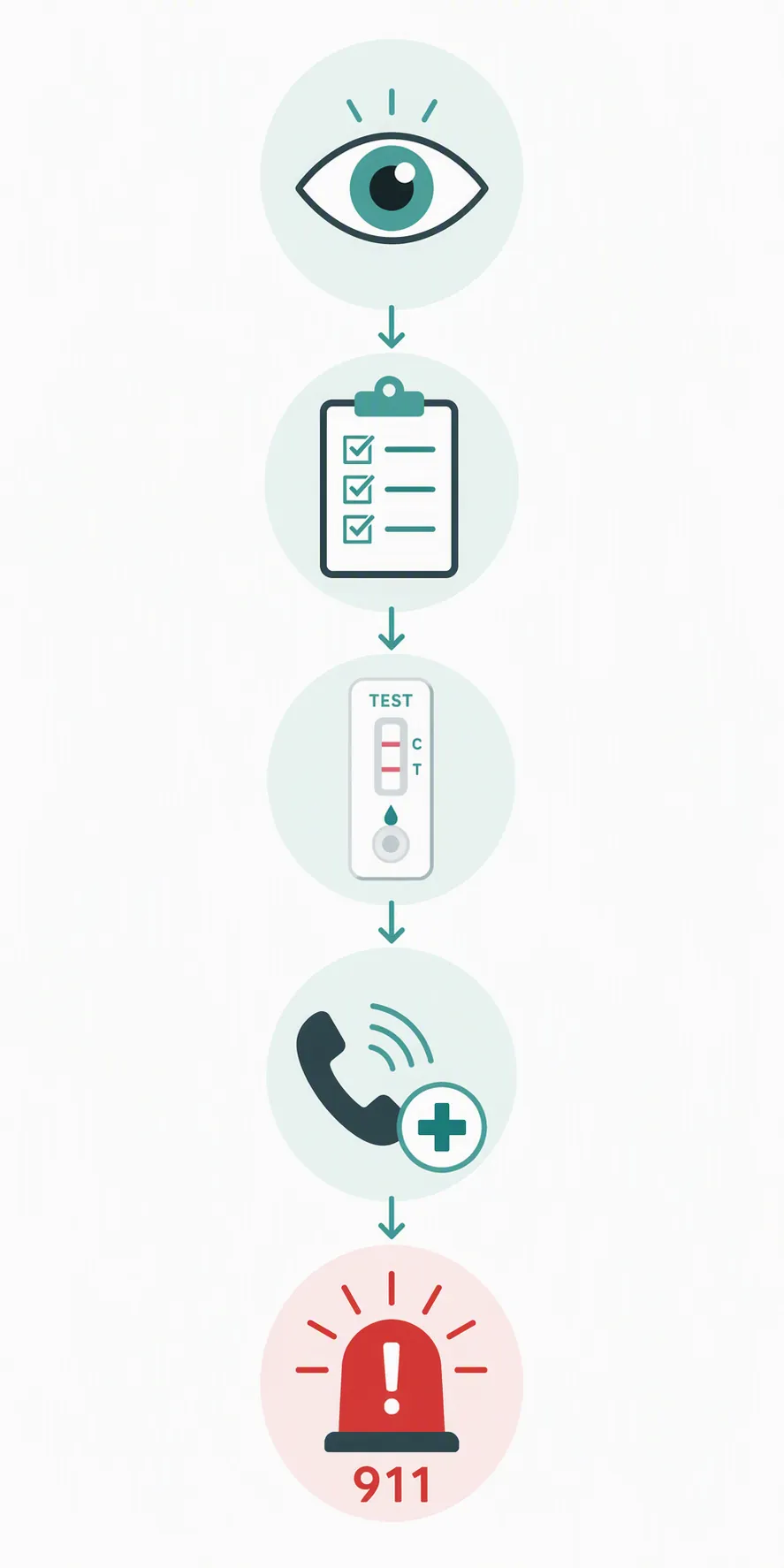
The job is not to diagnose COVID from the kitchen doorway. The job is to notice the change early, test instead of guessing, and call soon enough that treatment options still matter.
| What you see | What to do next |
|---|---|
| A fall, new confusion, sudden weakness, appetite drop, dizziness, GI symptoms, or sleeping most of the day | Screen for COVID symptoms and other urgent causes. Check the person’s baseline: is this clearly different from yesterday or from their normal routine? |
| COVID is possible and a home test is available | Test. If the first test is negative but symptoms continue or exposure is likely, ask the clinician whether and when to repeat testing. |
| The test is positive, or the symptoms are concerning even with a negative or unavailable test | Call the doctor promptly. Ask specifically about treatment eligibility and timing. |
| Trouble breathing, persistent chest pain or pressure, new confusion, inability to wake or stay awake, or pale, gray, or blue lips or nail beds | Call 911 or seek emergency care immediately, following CDC emergency warning signs. |
1. Check for injury and immediate danger first
After a fall, do the ordinary safety triage before anything else. Is there head injury, severe pain, a possible fracture, fainting, chest pain, trouble breathing, one-sided weakness, or a person who cannot get up safely? Those findings need urgent medical guidance regardless of whether COVID is involved.
If the person seems stable but different, do not file the fall away as only a balance problem. A fall during a surge can be the event that reveals infection-related weakness, dizziness, delirium, dehydration, or poor intake.
2. Screen for atypical COVID signs before asking, “Do you feel sick?”
Many older adults will say they are fine because they do not feel feverish, do not want a fuss, cannot describe what feels wrong, or are already confused. Observable behavior is often better evidence than self-report.
Look at the day’s concrete changes: missed pills, untouched food, unsteady walking, pajamas still on at noon when that is unusual, a new bathroom accident, not recognizing a familiar person, or repeatedly asking the same question. Then add the classic COVID screen: cough, sore throat, congestion, fever, chills, fatigue, aches, headache, breathing difficulty, and any known exposure.
3. Test at home if you have a test
A symptom checklist cannot separate COVID from dehydration, medication effects, flu, a urinary infection, heat illness, stroke, or another problem. If a home COVID test is available, use it. If the result is negative but the change is sharp, persistent, or paired with an exposure, do not let the negative result end the assessment by itself; call for advice about repeat testing or evaluation.
4. Call early enough for treatment options to matter
If the test is positive, call the person’s doctor or care team promptly, especially for an older adult or anyone with chronic medical conditions. The CDC says COVID treatments must be started within 5 to 7 days after symptoms begin, depending on the medication, and that treatment can reduce the risk of hospitalization by more than 50% in people at higher risk.[8]
When you call, be ready with the start date, test result, current medications, kidney or liver disease if known, oxygen readings if you use a pulse oximeter, vaccination status if available, and the concrete behavior changes you are seeing. Ask directly: “Is my parent eligible for antiviral treatment, and are we still inside the treatment window?”
If symptoms continue after the acute infection, recovery can become its own fall-prevention issue. For next-step planning after a confirmed case, see long-COVID treatment options for older adults.
5. Use CDC emergency signs for 911-level decisions
Do not try to settle emergency decisions by debating whether the person “looks like COVID.” The CDC lists these emergency warning signs for COVID-19: trouble breathing; persistent pain or pressure in the chest; new confusion; inability to wake or stay awake; and pale, gray, or blue-colored skin, lips, or nail beds, depending on skin tone.[8]
If any of those signs are present, call 911 or seek emergency care. Tell the dispatcher or emergency department that COVID is possible or confirmed so they can advise you on masking and arrival instructions.
Some hospitals publish additional thresholds. For example, Stony Brook Medicine advises emergency care for oxygen saturation under 95% or fever over 103°F in its BA.3.2 “Cicada” guidance.[9] Treat that as one institution’s guidance, not a universal rule that replaces the CDC emergency warning signs or your clinician’s instructions.
What about the Cicada variant?
The variant name is less important for home triage than the person’s condition. AARP reported that BA.3.2, nicknamed “Cicada,” had no indication of causing new or more severe symptoms.[10] That means caregivers should not wait for a new symptom list. The same older-adult warning pattern still matters: sudden confusion, lethargy, appetite loss, dizziness, falls, GI symptoms, and functional decline can be enough to justify screening and testing during active spread.
How to monitor overnight without missing the important change
If a clinician advises home monitoring, make it structured. Loose watching wears out the caregiver and still misses changes. Choose a short interval for checks, keep the person’s phone or call bell within reach, clear the path to the bathroom, and write down what changes rather than trying to remember it all at midnight.
- Mental status: more confused, harder to wake, not making sense, or not recognizing familiar surroundings
- Breathing: new shortness of breath, faster breathing, chest pressure, or bluish, gray, or pale lips or nail beds
- Fluids and food: how much they actually drank, whether they urinated, and whether vomiting or diarrhea is continuing
- Mobility: whether they can stand and walk as usual, need new help, or nearly fall again
- Temperature and oxygen if you have equipment, without letting normal numbers override a clearly worsening person
If fall risk remains high after the acute decision is made, it can help to compare this COVID-related change with other warning-sign patterns, such as Parkinson’s fall warning signs or signs of vision loss in elderly adults. Those are not substitutes for COVID triage; they are reminders that a new fall often deserves a wider look once the urgent question is handled.
Prevention still matters, but it does not replace triage
Vaccination, ventilation, staying home when sick, masking in crowded indoor spaces during surges, hand hygiene, and planning ahead for tests and treatment access all reduce the chance that a caregiver is forced into a late-night decision with no supplies. The National Council on Aging summarizes COVID risks, vaccines, and prevention strategies for older adults as part of that planning work.[11]
Once the change is already in front of you, though, prevention advice is not the main tool. The decision standard is simpler: compare today with the parent’s normal baseline, treat a sudden fall or functional decline as a possible infection signal during a surge, test instead of guessing, call early enough for treatment to be considered, and use the CDC emergency warning signs when the situation moves beyond home monitoring.
References
- Seniors With COVID-19 Show Unusual Symptoms, Doctors Say, KFF Health News
- COVID-19 study: Prevalence of unusual symptoms in older adults, Northwell Health
- Typical COVID-19 symptoms are less common in the elderly, Cleveland Clinic Journal of Medicine
- COVID-19 in Older Adults: The “New” Geriatric Giants, Frontiers in Medicine
- Summer COVID surge: Symptoms, guidelines, 2026 COVID vaccine, test, TODAY, August 17, 2026
- COVID summer surge 2026: Cases rising across US, USA Today, August 22, 2026
- Underlying Conditions and the Higher Risk for Severe COVID-19, CDC, June 11, 2025
- Symptoms of COVID-19, CDC
- New COVID Variant BA.3.2 'Cicada': What to Know, Stony Brook Medicine
- What to Know About the COVID Variant Nicknamed ‘Cicada’, AARP
- COVID Basics: Risks, Vaccines, and Prevention Strategies for Older Adults, National Council on Aging
Related reading
Noticed something outdated or inaccurate on this page? Flag a correction. We review every report against CDC, NIA, and AARP HomeFit guidance before updating a page.
Part of the Fall Prevention section.