
STEADI: Intervene
Is Dallas or Vancouver better for seniors with arthritis?
The weather–arthritis link is real but modest, and neither Dallas nor Vancouver matches the warm-dry climate many arthritis patients call ideal. This side-by-side comparison translates the research on temperature, humidity, pressure swings, and rain into a conditional verdict for a senior weighing a move.
If the question is whether Dallas or Vancouver has the best climate for seniors with arthritis, the honest answer is: neither city wins by evidence alone. Weather can matter. In the Manchester “Cloudy with a Chance of Pain” project, damp, windy, low-pressure days raised the chance of a more painful day by about 20% compared with an average day among people with long-term pain, most of whom had arthritis [1]. But that is not the same as saying a move will reliably reduce pain.
A better way to compare Dallas and Vancouver is to look at the weather variables arthritis research can actually discuss: temperature, humidity, barometric pressure, and precipitation or sunshine. A 2023 systematic review and meta-analysis of observational studies found that osteoarthritis pain was negatively correlated with temperature, moderately positively correlated with barometric pressure, and weakly positively correlated with relative humidity [2]. At the same time, a large Medicare analysis found no link between rainy weather and joint or back-pain visits, which is a useful brake on treating rain as destiny [3].
This article is for education and planning, not medical advice. Before using climate as part of a treatment or relocation decision, involve the senior’s rheumatologist, primary care clinician, pharmacist, and physical therapist—especially if heat, falls, medication side effects, or mobility limitations are already concerns.

Weather can affect arthritis pain, but relocation is a much bigger claim
The strongest thing the research supports is validation, not a guaranteed moving plan. The Manchester study recruited more than 13,000 people and analyzed daily data from 2,658 participants with long-term pain, predominantly arthritis. High relative humidity was the strongest weather factor; low pressure and wind also mattered. Temperature showed no association when averaged across the population, and rainfall itself was not associated with pain [1].
That last detail is important for a Dallas-vs-Vancouver comparison. Many people say their joints “know” when rain is coming, and about 75% of people with arthritis believe weather affects their pain [1]. The study does not say they are imagining it. It says the measurable effect was modest, and the weather signal was more specific than simply “rain equals pain.”
The Medicare-scale counterpoint is different in design. It looked at more than 11 million medical visits across more than 2 million rainy days and found no association between rainy weather and joint or back-pain visits [3]. That does not disprove symptom flares in an individual’s diary. It does make it harder to argue that rainy cities automatically produce more arthritis medical need.
Harvard Health has taken a similarly cautious position: weather-pain links are real to many patients, but researchers have not pinned down which weather factor matters most or why, and physicians are unlikely to recommend moving as an arthritis treatment. Memory bias can also make the connection feel cleaner than it is, because painful stormy days are easier to remember than ordinary ones [4].
The Arthritis Foundation’s advice lands in the same practical place. Warmer, drier climates may be optimal for some people with arthritis, and the foundation mentions parts of Texas, Arizona, Nevada, and California’s Eastern Sierra as examples. But it also says there are “no absolutes and no guarantees,” and it recommends visiting a candidate location at different times of year while weighing what a move would cost in friendships, medical care, and social support [5].
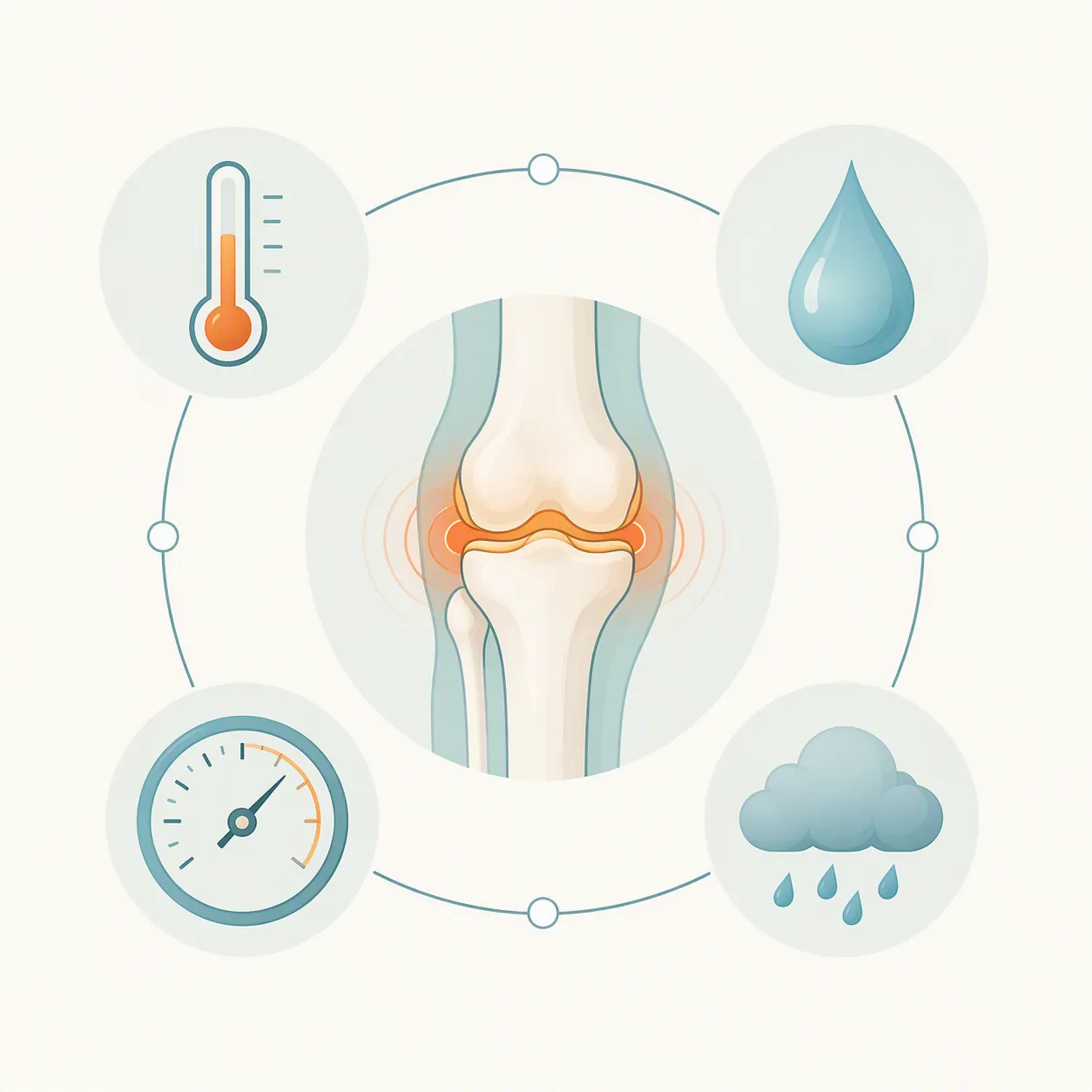
Dallas and Vancouver through the four weather variables
Climate normals are not perfectly interchangeable. Dallas figures below come from NOAA 1991–2020 normals as summarized for Dallas, while Vancouver figures come from Environment and Climate Change Canada 1991–2020 normals as summarized for Vancouver, with station differences such as Vancouver International Airport and Vancouver Harbour where noted [6][7]. Treat the table as a planning translation, not a lab-grade ranking.
| Weather factor | Dallas | Vancouver | What it means for arthritis and safety |
|---|---|---|---|
| Winter temperature | January average high 57.7°F and low 37.9°F; occasional hard freezes, with an average coldest temperature around 19°F [6] | January average high about 44°F and low about 34°F [7] | Dallas has the clearer winter warmth advantage for someone whose pain and activity worsen in cold weather. |
| Summer temperature | July–August average highs around 96–97°F, lows near 77°F; 100°F+ days occur each summer; record high 113°F [6] | July–August average highs around 72°F; record high 93.9°F [7] | Vancouver has the clearer summer comfort advantage, especially for seniors who cannot safely walk or exercise in high heat. |
| Humidity | Average relative humidity about 65% [6] | Average relative humidity about 70% in the afternoon [7] | Both cities are humid. Neither is the warm-dry desert climate many arthritis patients imagine. |
| Precipitation days | About 39 inches of precipitation over about 82 precipitation days [6] | About 45.65 inches at Vancouver International Airport and about 60.5 inches at Vancouver Harbour, over roughly 169–179 precipitation days [7] | Vancouver brings many more wet-weather days, which matters for footwear, entryways, outdoor walking, and fall prevention even if rain itself is not a proven pain trigger. |
| Sunshine and cloud | About 2,850 sunshine hours per year [6] | About 1,937 sunshine hours per year; more than 70% of short winter daytime hours are cloudy from November through February [7] | Dallas is the stronger choice for a senior who becomes less active in long gray winters. Vancouver requires a deliberate indoor activity plan. |
Temperature: Dallas helps in winter, Vancouver helps in summer
Dallas’s biggest climate advantage is not vague “Southern warmth.” It is the specific winter pattern: a January average high near 58°F instead of Vancouver’s roughly 44°F [6][7]. For a senior who stiffens badly in cold, damp, dark weather, that can mean more realistic morning walks, easier errands, and fewer days when leaving the house feels like a negotiation.
But Dallas’s summer heat is not a footnote. July and August average highs around 96–97°F, with 100°F+ days each summer, can turn a reasonable arthritis activity plan into an indoor survival plan [6]. The CDC says adults 65 and older are more prone to heat-related health problems, adjust less well to sudden temperature changes, and should rely on air-conditioned spaces rather than fans during heat risk [8].
That changes the caregiver math. If Dallas is being considered because winter walking would be easier, the family also has to ask who drives during extreme heat, whether the senior has dependable air conditioning, where they can walk indoors, and how medication schedules or fluid restrictions affect heat planning. CareWise Guide’s heat exhaustion and heat stroke guide for seniors is a better companion to a Dallas move than another list of sunny retirement cities.
Vancouver has the opposite profile. Its winters are still cool and damp, but its summers are mild by comparison, with July and August average highs around 72°F [7]. For a senior whose arthritis pain is less sensitive to gray dampness than to heat exhaustion, swelling, fatigue, or medication-related heat vulnerability, Vancouver’s milder summer pattern may be the more usable climate.
Humidity: both cities complicate the warm-dry story
A lot of arthritis climate advice quietly assumes the choice is between a dry desert and a damp coast. Dallas vs. Vancouver is not that choice. Dallas’s average relative humidity is about 65%, while Vancouver’s afternoon average relative humidity is about 70% [6][7]. Vancouver is wetter and cloudier, but Dallas is not dry in the way people often mean when they talk about Arizona or Nevada.
Humidity deserves attention because the Manchester study found high relative humidity to be the strongest weather factor associated with pain days [1]. The 2023 osteoarthritis meta-analysis also found relative humidity positively correlated with pain, though weakly [2]. That combination supports taking dampness seriously without treating it as a relocation verdict.
In daily life, Vancouver’s dampness may show up as long stretches of cool, gray, wet days that discourage outdoor movement. Dallas’s humidity may show up differently: heat feels heavier, exertion is harder, and a senior may need to shift walks to early morning, indoor tracks, malls, community centers, or supervised exercise spaces during summer.
Barometric pressure: important in research, hard to rank cleanly by city
Barometric pressure is one of the more research-supported weather variables, but it is not easy to reduce to “Dallas good, Vancouver bad” from the climate-normal figures available here. In the 2023 meta-analysis, barometric pressure had a moderate positive correlation with osteoarthritis pain [2]. In the Manchester study, low-pressure days, especially when damp and windy, were linked with more painful days [1].
For a pressure-sensitive senior, the practical test is personal tracking. During trial visits, record pain, stiffness, sleep, medication use, steps, and whether activity was postponed. The useful comparison is not whether one city has a better reputation; it is whether the senior can function through that city’s actual weather swings.
Rain, cloud, and wet surfaces: Vancouver’s biggest daily obstacle is not just pain
Rainfall is where the evidence and the household reality separate. The Manchester study did not find rainfall itself associated with pain, and the Medicare visit study found no rainy-day increase in joint or back-pain visits [1][3]. Still, Vancouver’s roughly 169–179 precipitation days are a real mobility issue compared with Dallas’s roughly 82 precipitation days [6][7].
Wet sidewalks, slick building lobbies, puddled parking lots, and umbrella-in-one-hand walking all matter more when a senior already has joint pain, slower gait, or uses a cane. Adults with arthritis are 2.5 times more likely to report two or more falls and a fall-related injury than adults without arthritis [9]. That is why Vancouver’s rain belongs in a fall-prevention conversation, not just a pain conversation.
A Vancouver move should include a rainy-day walking plan before the lease is signed: covered parking or drop-off, non-slip footwear, secure cane tips, bright entry lighting, absorbent mats that do not bunch, and routes that avoid steep wet slopes when possible. CareWise Guide has separate guidance on rainy-weather fall prevention and rainy-day home fall prevention because the risk is often in the threshold, not the forecast.
The warm-dry shortcut is too blunt for this choice
It is reasonable that warm, dry places come up so often in arthritis conversations. The Arthritis Foundation says such climates may be optimal for some people [5]. A CreakyJoints Canada account from one Vancouver patient with rheumatoid arthritis describes traveling to desert climates for relief, which is a useful reminder that individual sensitivity can be powerful [10].
But a single patient account is not a population rule, and “Texas” is not one climate. Dallas has sunny, relatively mild winters, but it is also humid and intensely hot in summer. Vancouver has damp, cloudy winters, but it offers mild summers and less extreme heat. Neither city reproduces the warm-dry desert pattern that many patients are really picturing.
The more careful question is not “Which city is best for arthritis?” It is “Which city’s bad season is safer and more manageable for this person?” That question includes pain, but it also includes transportation, indoor activity, medical continuity, home design, and who is available when the weather makes ordinary errands harder.
Conditional verdict: Dallas for cold-gray sensitivity, Vancouver for heat intolerance
Dallas is the more plausible climate choice for a senior whose arthritis clearly worsens in cold, damp, overcast winters and who becomes more active when days are sunny and mild. Its winter warmth and roughly 2,850 annual sunshine hours are real advantages [6]. For some people, that may mean more steps, fewer skipped outings, and better mood during the months when Vancouver is at its cloudiest.
Dallas becomes a poor bet if the senior cannot safely manage extreme summer heat. A move that improves January walks but traps someone indoors through long hot stretches is not automatically a better aging environment. The Dallas plan needs dependable cooling, safe transportation, shaded or indoor walking options, backup support during heat waves, and clinician review of medications that may affect hydration, dizziness, or heat tolerance.
Vancouver is the more plausible climate choice for a senior who cannot tolerate extreme heat and values mild summers. Its July and August average highs around 72°F are a meaningful advantage over Dallas’s 96–97°F summer highs [6][7]. For someone whose safest exercise is gentle outdoor walking, Vancouver may preserve summer mobility better.
Vancouver becomes a poor bet if damp, gray, rainy conditions reliably shut the person down. The city’s long cloudy winter pattern, lower annual sunshine, year-round humidity near 70%, and many precipitation days require a serious plan for indoor movement, wet-surface safety, social connection, and mood. Hoping a senior will “just get used to it” is not planning.
| Senior’s pattern | More plausible climate fit | Planning condition |
|---|---|---|
| Pain and stiffness are worst in cold, gray, damp winters; heat is manageable with precautions | Dallas | Build a summer heat-safety and indoor-activity plan before moving. |
| Heat causes fatigue, dizziness, swelling concerns, or unsafe walking; damp weather is tolerable | Vancouver | Build a rainy-day fall-prevention and winter activity plan before moving. |
| Pain changes unpredictably, and medical or family support would be disrupted | Neither city should be chosen for climate alone | Protect treatment continuity and test both climates before making a permanent move. |
| The family is hoping the move will substantially reduce arthritis pain without other changes | No evidence-based winner | Treat climate as one input, not the intervention. |
Before moving, make the climate test a fall-prevention test
A climate trial should look less like a vacation and more like a rehearsal. Visit in the season that worries you most: Dallas in peak summer if heat is the concern, Vancouver in wet winter if dampness and darkness are the concern. During the stay, track pain, stiffness, sleep, walking distance, balance confidence, medication timing, and how often the senior chooses to leave home.
- Medical continuity: identify a rheumatologist or primary care clinician before the move, confirm insurance or coverage, and make sure prescriptions can be transferred without gaps.
- Daily activity: find indoor walking routes, warm-water exercise, senior fitness classes, or physical therapy options for the city’s difficult season.
- Transportation: plan how the senior will get to appointments during Dallas heat or Vancouver rain without rushing, carrying too much, or walking across unsafe surfaces.
- Home entry: check steps, ramps, railings, lighting, drainage, door thresholds, elevator access, parking distance, and flooring before assuming a building is senior-friendly.
- Social support: count who will actually visit, drive, notice decline, help after a flare, and respond after a fall.
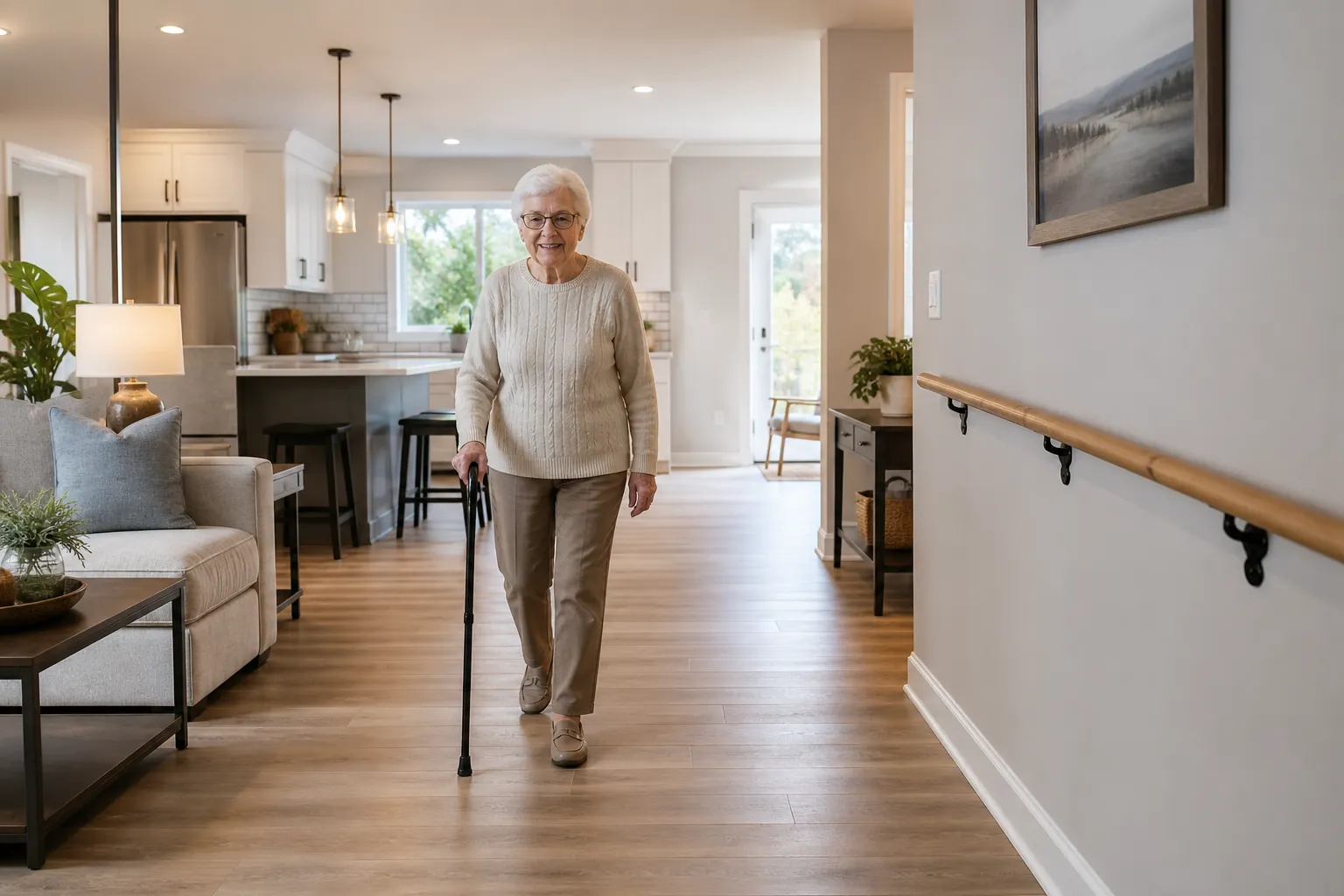
The home may matter more than the skyline. A sunny city with a slippery bathroom, loose rugs, distant parking, and no nearby clinician is not a safer arthritis plan. A rainy city with a well-designed apartment, covered entry, good lighting, reliable transit, and strong social support may work better than its weather reputation suggests.
So, is Dallas or Vancouver better for seniors with arthritis? Dallas is more plausible for someone who mainly suffers in cold, gray winters and has strong heat protections. Vancouver is more plausible for someone who cannot tolerate extreme heat and can manage damp, cloudy, rainy conditions. Neither is a guaranteed best climate. The safer decision is the one that preserves treatment, keeps the senior moving, and reduces fall risk in the weather they will actually live with.
References
- How the weather affects the pain of citizen scientists using a smartphone app, npj Digital Medicine, 2019
- Associations between weather conditions and osteoarthritis pain: a systematic review and meta-analysis, Annals of Medicine, 2023
- Does weather affect arthritis pain?, Harvard Health Publishing, January 17, 2019
- Can the weather really worsen arthritis pain?, Harvard Health Publishing, November 20, 2015
- Best Climate for Arthritis Patients, Arthritis Foundation
- Climate of Dallas, Wikipedia
- Climate of Vancouver, Wikipedia
- Heat and Older Adults (Aged 65+), Centers for Disease Control and Prevention
- Preventing Falls, Osteoarthritis Action Alliance, February 2019
- How Vancouver Weather Affects Arthritis Symptoms, CreakyJoints Canada
Related reading
Noticed something outdated or inaccurate on this page? Flag a correction. We review every report against CDC, NIA, and AARP HomeFit guidance before updating a page.
Part of the Fall Prevention section.