
STEADI: Intervene
How to Protect Aging Parents from Farm Accidents
A practical two-path farm safety plan for adult children of aging farmers: a zone-by-zone checklist for finding and fixing the hazards that cause most serious farm injuries, plus a clear after-accident response protocol — all without demanding retirement.
If you are trying to protect elderly parents from farm accidents, the first goal is not to win an argument about retirement. It is to get ahead of the places where the farm has become less forgiving: the tractor step that takes a stiff knee by surprise, the barn threshold that stays slick after rain, the gate that needs a hard shove, the evening chore done alone with a phone left in the pickup.
There are two useful paths. Walk the farm before something happens, fixing the hazards most likely to cause a serious injury. And if something already has happened, know how to respond when the injured person may be in a pasture, shop, lane, machine shed, or livestock pen instead of beside a hallway phone.
The risks are not vague, and they are not evenly spread
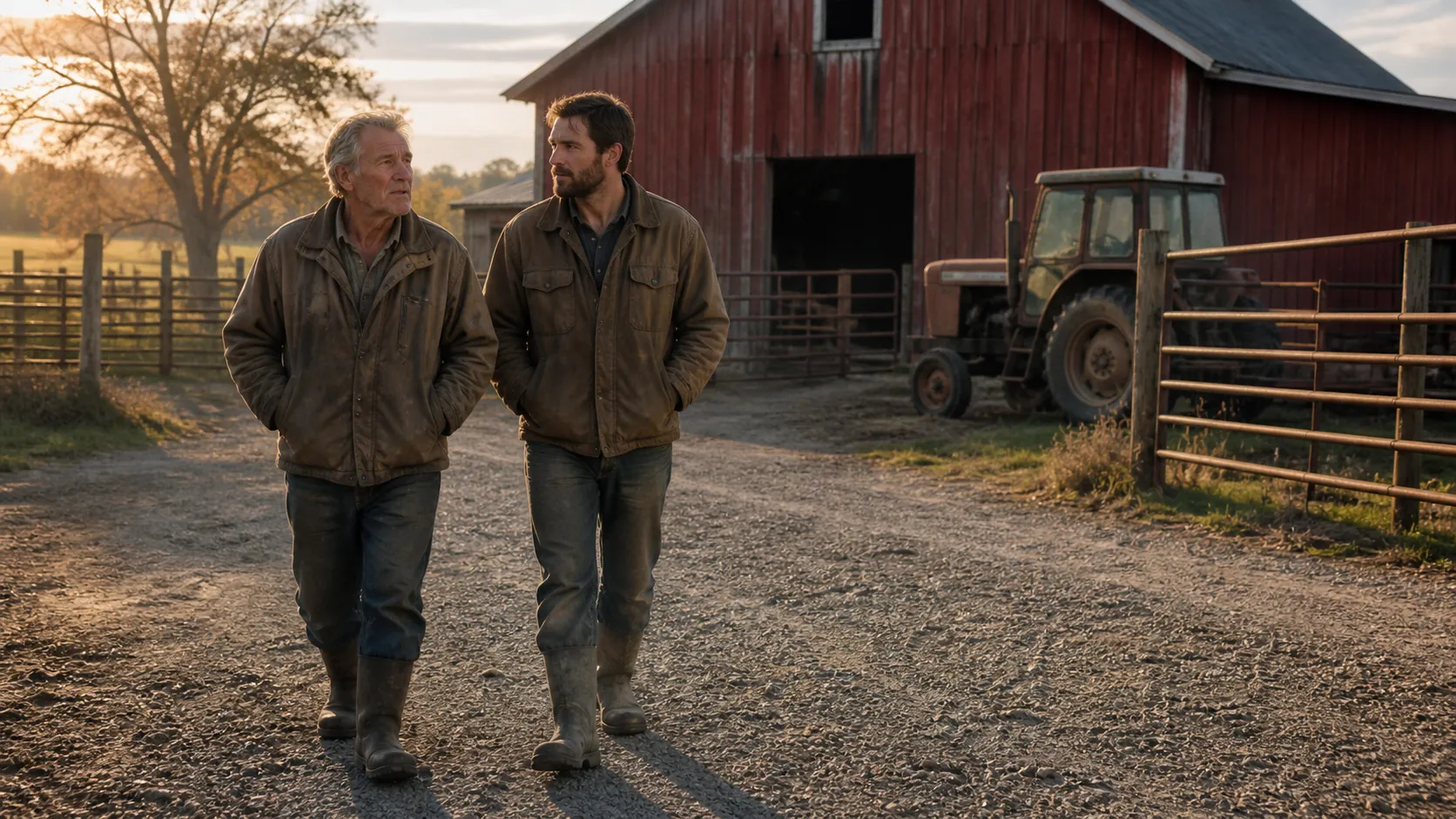
The hard part about aging on a farm is that competence and risk can live in the same person. A parent may know every field lane and still be slower getting down from a tractor. They may handle cattle better than anyone in the family and still be in danger if a gate catches them wrong when they are tired, dizzy, or short of breath.
Current CDC/NIOSH material shows why older workers deserve special attention in agriculture. In 2022, 56% of deaths in the agriculture, forestry, fishing, and hunting industry involved workers age 55 or older. The same CDC/NIOSH page reports that falls accounted for nearly 30% of 2021–2022 agricultural-production injuries that required days away from work [1].
Some of the older farm-aging figures still quoted in safety programs come from earlier analyses and should be read that way, not treated as fresh 2026 measurements. A Great Plains Center for Agricultural Health resource, drawing on older Census-era work, reports that about 1 in 3 U.S. farmers is 65 or older, that farmers 55 and older have more than 2.5 times the work-related fatality rate of younger farmers, and that 1 in 9 farmers over 55 has been involved in a tractor rollover [2].
Older studies point to the same practical targets. A Kentucky study of 998 farmers age 55 and older found falls were the leading external cause of injury at 24.9%, followed by machinery at 22.5% [3]. A four-trauma-center study of 177 tractor injuries in the upper Midwest found that 48% of patients were 65 or older; all seven fatalities were men over 65, and falls from tractors were the largest injury category, occurring predominantly in the 65-plus group [4].
That does not mean every older farmer is unsafe. It means the family should stop treating “farm safety” as one big poster and start looking for a short list of high-consequence hazards: falls from height or equipment, tractor rollovers, livestock handling, ATV/UTV use, poor lighting, slick walking surfaces, and solo work when no one would know quickly if something went wrong.
Walk the farm like you will be the one called after dark
Do the walkthrough with your parent, not around them. The tone matters. “Show me where you get on and off this tractor” will get you farther than “You can’t do this anymore.” Bring a notebook, a phone for photos, and enough humility to admit that your parent knows why things are where they are. Then keep your eye on the spots where one missed step or delayed rescue would change the week.
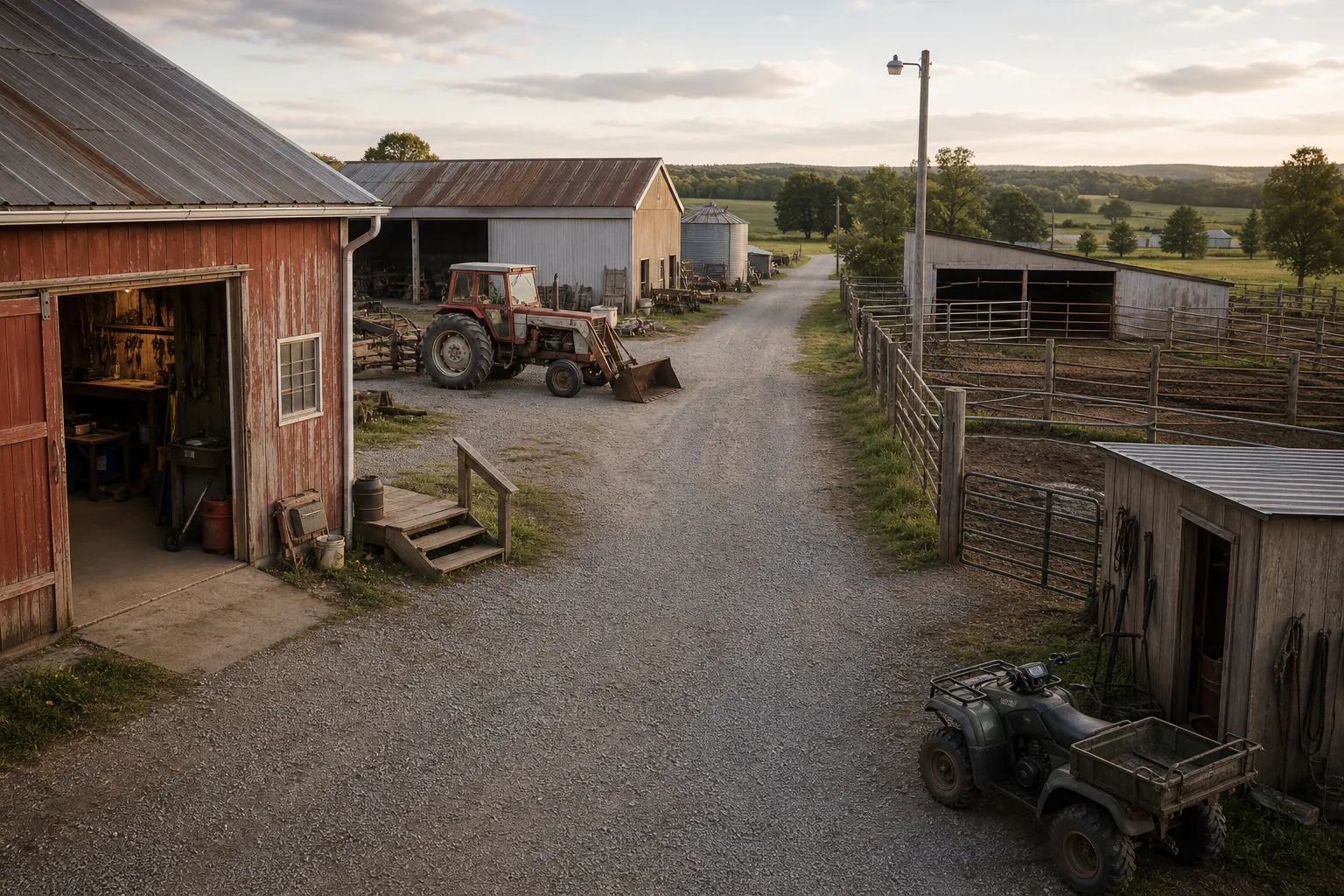
UMASH’s Farm Safety Check for farm buildings and shops is a useful scaffold because it forces attention onto ordinary places: walking surfaces, stairs, ladders, lighting, housekeeping, tools, fire hazards, chemicals, ventilation, and emergency readiness [5]. For an adult child, the point is not to complete paperwork perfectly. It is to see the farm in zones.
| Zone | What to watch first | Useful first fixes |
|---|---|---|
| Barns and shops | Slick concrete, cluttered walkways, poor lighting, ladders, cords, tools left in travel paths | Clear one main path, improve lighting, add non-slip surfaces, move frequently used tools within easy reach |
| Equipment access | Tractor steps, missing handholds, worn treads, awkward dismounts, muddy boots | Add grip, repair steps, install or improve grab rails, use three-point contact |
| Tractors | No ROPS, no seatbelt use with ROPS, steep or uneven ground, rushing between chores | Prioritize ROPS retrofit where possible, pair ROPS with seatbelt use, avoid risky slopes and ditches |
| Livestock areas | Gates that swing wrong, poor escape routes, working cattle alone, uneven footing | Fix gates, create a clear exit path, make livestock handling a two-person job when risk is higher |
| Farmyard paths | Ruts, ice, mud, loose gravel, dark thresholds, long walks after dusk | Add lighting, improve traction, mark edges, keep the regular route clear |
| ATV/UTV routes | Speed, uneven lanes, slopes, carrying loads, getting on and off with stiff joints | Limit routes, slow the job down, keep loads stable, avoid using the machine when tired or unwell |
Barns and shops: the five-minute chore is where many families get fooled
The barn and shop deserve the first slow look because everyone treats them as familiar. Familiar is not the same as safe. Stand where your parent enters. Is there a lip at the door? Does rain or snowmelt track onto concrete? Is the light switch easy to reach before stepping inside? Are extension cords, air hoses, feed sacks, buckets, scrap lumber, and parts stored off the walking route?
Fix the path your parent actually uses, not the one you wish they used. If the shortest route from the pickup to the feed room crosses slick concrete, that is the route to address. If the toolbox sits low enough that standing up makes them lightheaded, raise the most-used tools. If they climb for one item every week, move that item down before arguing about the whole ladder.
- Put a bright, reachable light at the entry used after dark.
- Clear one wide, ordinary route through the shop and keep it clear.
- Add anti-slip treatment where boots meet wet concrete, mud, manure, or snowmelt.
- Move frequently used tools and supplies between knee and shoulder height.
- Replace “I know where everything is” piles with storage that does not create a trip line.
If the house already has a family safety list, use the same discipline outside. The site’s red-flag safety checklist for elderly parents separates urgent fixes from work-the-list items; that same split works in a barn. A burned-out yard light is not a philosophy problem. Replace it.
Equipment access: watch the climb, not just the machine
Ask your parent to show you how they get on and off the tractor, combine, skid steer, mower, grain truck, or feed wagon. Watch without interrupting the first time. Do they turn and step down backward, keeping three points of contact? Do they jump the last step? Is there a handhold where their hand naturally reaches? Are the steps muddy, bent, narrow, or worn smooth?
The repair may be small and still matter: a proper grab rail, a replaced step, high-traction tread, or a rule that no one carries tools, feed, or a phone in both hands while climbing. Three-point contact only works if the machine gives the person three reliable contact points.
This is also where aging shows up in plain sight. Reduced hip flexibility changes how someone turns on a step. Bifocals can make the ground look closer or farther away. Hearing loss can mean a person does not notice a warning shout or a machine approaching from behind. Extension guidance for senior farmers emphasizes matching tasks to changing strength, balance, vision, hearing, and reaction time rather than assuming experience cancels those changes [6].
Tractors: ROPS and seatbelts are not cosmetic upgrades
A tractor without rollover protection deserves a separate conversation. A rollover protective structure, or ROPS, is built to create a protective zone for the operator during a rollover. It only does its job properly when paired with seatbelt use on ROPS-equipped tractors, because the seatbelt keeps the operator inside that protective zone. Great Plains and extension safety materials repeatedly identify tractor rollover protection as a central prevention measure for older farmers and ranchers [2][6].
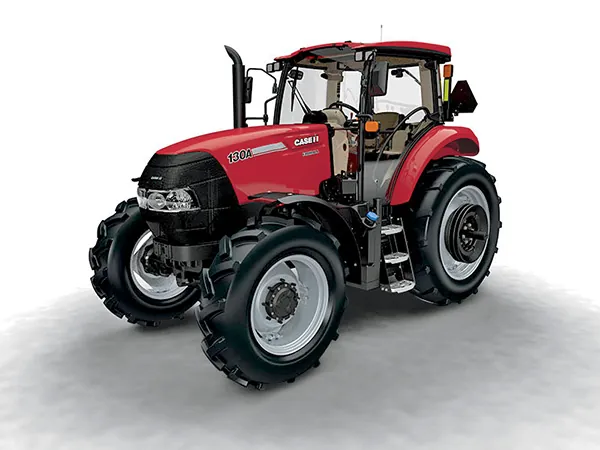
This is not the place to accept “I’ve driven it for forty years” as a full safety plan. Long experience can reduce some mistakes, but it does not make a ditch, soft shoulder, rut, embankment, hidden hole, or sudden medical spell harmless. If a tractor lacks ROPS, ask whether a retrofit is available. If ROPS is present, ask whether the seatbelt is usable and actually used.
Do not stop at the tractor itself. Look at where it is used. Which lane has the washed-out edge? Which slope gets crossed because it saves time? Which implement blocks the view when backing? Which job is still being done after dark? A safer machine operated on a bad route still leaves too much to luck.
Livestock areas: respect skill, remove traps
Livestock handling is one of the places where adult children can sound insulting fast. Your parent may read animals better than you ever will. Start there. Then look at the physical setup: gates, latches, corners, escape routes, lighting, footing, and where a person stands when an animal pushes back.
A gate that requires a shoulder shove is not just annoying. For an older person, it can mean twisting, bracing, stepping backward, and losing balance all at once. A latch that takes two hands can leave no hand free for balance. A pen with no easy exit can turn a routine sort into a trap. These are the repairs worth doing before the next working day: rehang the gate, fix the latch, add a person-sized escape route, improve footing, and move the regular working path out of the pinch point.
Set one bright-line rule: no one handles livestock alone when they feel unwell, dizzy, unusually weak, short of breath, confused, or newly medicated. That rule is easier to defend than a broad ban on chores. It also matches the practical safety advice in older-farmer guidance that urges task modification, help with physically demanding work, and avoiding solo work when health or fatigue makes the job riskier [6][7].
Farmyard paths and lighting: fix the route used in bad weather
Walk the farmyard at the time your parent actually does chores. A noon walkthrough will miss the dark threshold that matters at 6 a.m. A dry July visit will not show the slick November path from the house to the machine shed. Look for loose gravel, uneven concrete, ruts, broken edges, cords or hoses across paths, mud at doorways, and snow or ice collection points.
The most useful improvements are usually dull: more light, fewer obstacles, better traction, and a shorter route. Put lighting where the eyes need it before the foot commits: steps, thresholds, gates, fuel areas, shop doors, and the place where someone gets on or off equipment. If winter is part of the year, borrow from the site’s winter traction guidance even if the farm is not in Michigan: footwear, ice control, lighting, and route planning all matter on farm thresholds and gravel lanes.
If repairs have been postponed because money is tight or contractors are far away, do not pretend willpower solves that. Rural properties often carry delayed maintenance and longer distances to services. The site’s guide to rural fall-risk help is a better companion than another lecture about being careful.
ATVs and UTVs: treat convenience as a risk factor
ATVs and UTVs make chores possible when walking the whole place is too much. That convenience is exactly why families should look hard at how they are used. Where does your parent drive when the ground is wet? Do they cross slopes? Carry feed, tools, spray, fencing supplies, or a dog? Get on and off several times in one chore? Drive without telling anyone where they are going?
You do not need a long speech to improve this. Limit the routes used by an older parent, especially in bad weather. Keep loads stable and low. Make a rule that the machine is not used when the parent feels unwell, overheated, lightheaded, or unusually tired. If the job requires rough ground, slopes, or livestock pressure, make it a two-person job or hand it off.
Make solo work a family operating agreement, not surveillance
Working alone is part of farm life, but silence should not be the safety system. Rural injury response is complicated by distance, terrain, weather, and delayed access to care; RHIhub notes that agricultural health and safety issues are shaped by rural access barriers and emergency-response realities [8]. WorkSafe Queensland’s older-farmer guidance also emphasizes check-ins, rest breaks, first-aid readiness, and not working alone when unwell [7].
The goal is not to track every movement. The goal is to make sure that if your father does not answer after dark, someone knows whether to worry, where to look, and whom to call.
| Agreement point | What the family decides |
|---|---|
| Normal check-ins | Set regular times during chore days, planting, harvest, heat, storms, or livestock work. |
| Location before risky work | Parent says which field, barn, pen, lane, or machine they are using before starting higher-risk work. |
| Missed check-in rule | Decide how long to wait, who calls first, who drives over, and when to call emergency services. |
| No-solo conditions | No livestock handling, tractor work on risky ground, climbing, or ATV/UTV use when unwell, dizzy, overheated, newly medicated, or unusually fatigued. |
| Phone and backup | Phone stays on the person when possible, not in the truck; family knows backup ways to reach nearby neighbors or relatives. |
| Emergency information | Post the address, field names or landmarks, gate codes, medication list, allergies, clinician contacts, and emergency contacts where family can find them. |
Heat deserves its own trigger because it changes judgment and stamina before anyone wants to admit it. The check-in logic from the site’s extreme heat warning plan for older parents transfers well to farm chores: build check-ins before the hottest work, not after someone has already pushed too long.
Medical readiness belongs in the farm plan
Aging-related farm risk is not only about machinery. Vision, hearing, balance, strength, reaction time, blood pressure changes, blood sugar swings, pain, sleep, and medication side effects all show up in chores. Senior-farmer safety guidance recommends adjusting work to physical changes and paying attention to health factors that affect safe operation and movement [6].
Build the medical pieces into the same operating agreement:
- Schedule annual vision and hearing checks, and treat new trouble seeing steps, reading gauges, judging distance, or hearing warnings as farm-safety issues.
- Ask the pharmacist or clinician to review medications for dizziness, sleepiness, slowed reaction time, dehydration risk, blood pressure drops, or confusion.
- Ask the parent’s clinician whether a CDC STEADI-based fall screen is appropriate, especially after a fall, near miss, balance change, or medication change.
- Keep first-aid supplies in the house, shop, and main work vehicle, and make sure family members know where they are.
- Write down emergency details before anyone is panicked: address, directions from the nearest main road, field names, gate access, livestock hazards, machinery hazards, allergies, medications, and emergency contacts.
If your parent dismisses this as fussing, keep it tied to farming. A medication that causes dizziness is not just a health note; it changes whether someone should climb into a tractor or sort cattle alone. A hearing change is not just an audiology problem; it changes whether someone hears a machine, animal, or warning call in time.
When the fix is bigger than one family weekend
Some changes are simple: lights, treads, cleared walkways, a better check-in routine. Others are bigger: ROPS retrofit, building repairs, livestock-facility changes, accessible equipment modifications, or paying someone to take over the riskiest task.
For families who need help thinking through adaptations or funding, the National AgrAbility Project lists funding-assistance resources and is a reasonable starting point for on-farm disability and work-modification questions [9]. The best use of outside help is often not to prove that a parent is incapable. It is to find the least disruptive modification that keeps the parent out of the hospital.
There is still a boundary. If the same hazard keeps producing near misses, if memory lapses affect equipment or livestock decisions, if medication changes are ignored, if falls are hidden, or if your parent keeps working alone while unwell, the conversation shifts. The site’s aging-in-place safety warning signs framework can help separate a fixable farm hazard from a pattern that requires limits.
If a farm accident has already happened
After an accident, do not let the farm setting blur the basics. If there may be serious injury, loss of consciousness, head injury, chest pain, trouble breathing, heavy bleeding, suspected fracture, entrapment, rollover, machinery involvement, livestock danger, or the person cannot get up safely, call emergency services.
Tell the dispatcher this is a farm incident and give the practical details early:
- Exact address plus directions from the nearest main road.
- Where the injured person is: barn, shop, field, pasture, lane, machine shed, bin area, livestock pen, ditch, or woods edge.
- Whether machinery is running, unstable, overturned, or blocking access.
- Whether livestock, chemicals, fuel, power lines, grain, mud, ice, water, or rough terrain could endanger responders.
- Which gate or driveway responders should use, and who can meet them.
- Whether the person was working alone and how long they may have been down.
If the event was a fall and you are unsure what level of care is needed, use the site’s post-fall decision tree rather than trying to rebuild triage from memory. On a farm, add the missing context: height fallen from, surface landed on, time outside, weather exposure, machinery or animal involvement, and whether the person hit their head or takes blood thinners.
Once the immediate danger is handled, preserve the lesson before everyone normalizes the scare. Go back to the spot with your parent if they can do that safely. What failed: lighting, footing, step height, fatigue, rushing, medication side effect, weather, a gate, a phone left behind, or no check-in? Fix that specific failure first.
Protecting an aging farmer is rarely one dramatic conversation about quitting. It is a repeated habit: find the few hazards most likely to cause serious harm, fix what can be fixed, check in before silence becomes an emergency, and recognize when repeated near misses mean the family has to discuss limits.
References
- Agriculture Worker Safety and Health — CDC NIOSH
- Older Farmers and Ranchers — Great Plains Center for Agricultural Health
- Agricultural Injuries Among Older Kentucky Farmers
- Tractor injuries in the upper Midwestern United States
- Farm Safety Check: Farm Buildings and Shops — UMASH
- Working with Senior Farmers and Ranchers — eXtension
- Safety of older farmers — WorkSafe QLD
- Rural Agricultural Health and Safety — RHIhub
- Funding Assistance — National AgrAbility Project
Related reading
Noticed something outdated or inaccurate on this page? Flag a correction. We review every report against CDC, NIA, and AARP HomeFit guidance before updating a page.
Part of the Fall Prevention section.