
Flagship section
Fall Prevention
The flagship section, built directly on the CDC STEADI screen-assess-intervene model. Contains the fall risk screening quiz, the post-fall decision tree for active crisis situations (conscious/responsive checks, when to call 911 vs. urgent care, what to watch for in the following 72 hours), risk-factor explainers (medication side effects, vision, balance), and numbered warning-sign guides. This is the only group that owns crisis-path content; modification and mobility groups link back here rather than duplicating triage guidance.
Plan ahead
other
 —
—The Financial Case for Fall-Proofing a Senior's Home: Cost of Modifications vs. Cost of a Fall
For budget-conscious families, the cost of proactive home modifications is a fraction of the medical and long-term care expenses from even one serious fall. This article presents the data-driven economic case for fall-proofing a senior's home, with room-by-room costs, evidence that modifications work, and funding sources.
 —
—The Hidden Costs of Aging in Place in 2026: Why Families Underestimate the True Price Tag
Most families assume aging in place is the cheaper option, but hidden costs — from home modifications and part-time care to the $873 billion in unpaid family caregiver labor — can make it more expensive than assisted living. This guide for financially-oriented adult children reveals the full cost picture and provides a decision framework for comparing aging in place vs. facility-based care.
 —
—Why Holiday Loneliness Raises Fall Risk (and What to Do)
Holiday loneliness in older adults isn't just an emotional concern — research shows it significantly raises fall risk. This guide explains the connection and offers practical strategies to address both isolation and safety during the holiday season.
 —
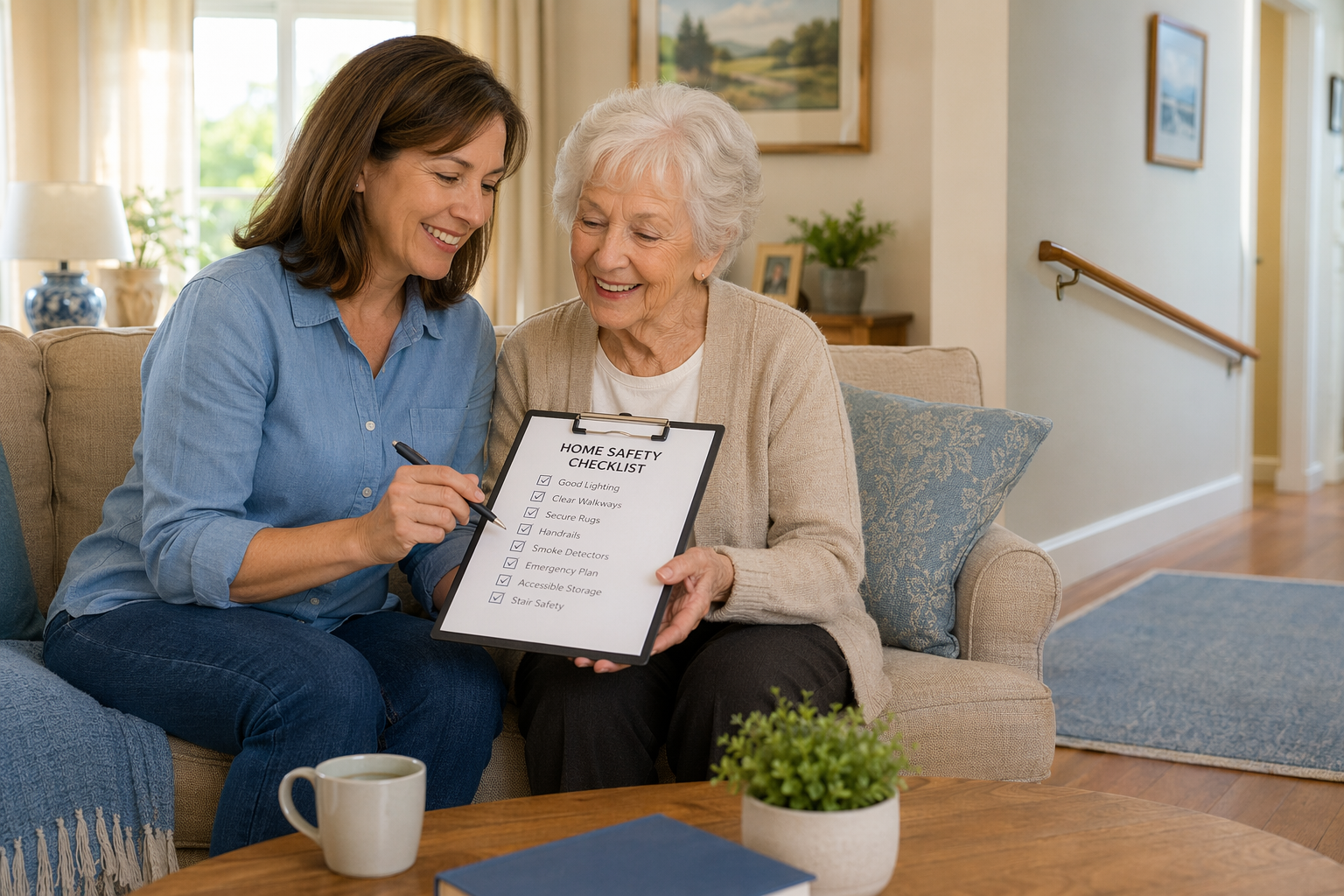
—Home Help for the Elderly: A Complete Guide to Services, Costs, and Fall Prevention
A comprehensive guide for adult children who need to arrange home help for an aging parent. Covers the full spectrum of services (personal care, home health, meal programs, transportation), 2026 costs, payment options, and how fall prevention should be the organizing framework for keeping a loved one safe at home.
 —
—Home Instead Senior Care Cost: Hourly Rates, Minimums, and What Families Actually Pay in 2026
A detailed breakdown of Home Instead's franchise-based pricing, including the $35–$55 per hour range, hidden cost drivers like 4-hour shift minimums and weekly commitments, and real-world monthly cost projections for families planning post-fall care.
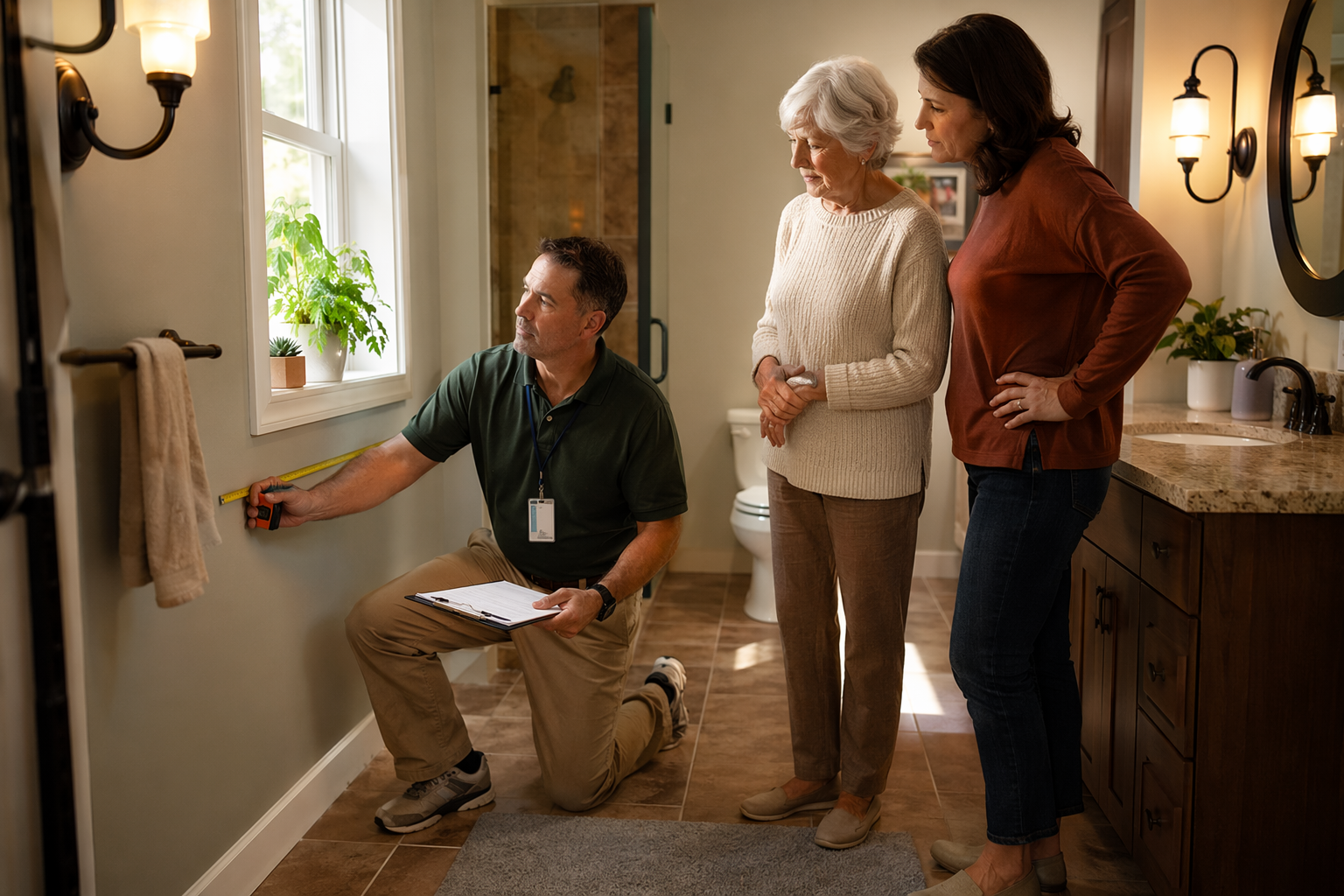 —
—How an Aging-in-Place Specialist Prevents Falls: Evidence, Modifications, and When to Call One
Generic fall prevention lists aren't enough. Learn how a Certified Aging-in-Place Specialist (CAPS) provides an individualized, evidence-based home assessment to reduce fall risk — backed by research showing modified homes can cut falls by nearly 40% and hospitalizations by 3% per quarter.
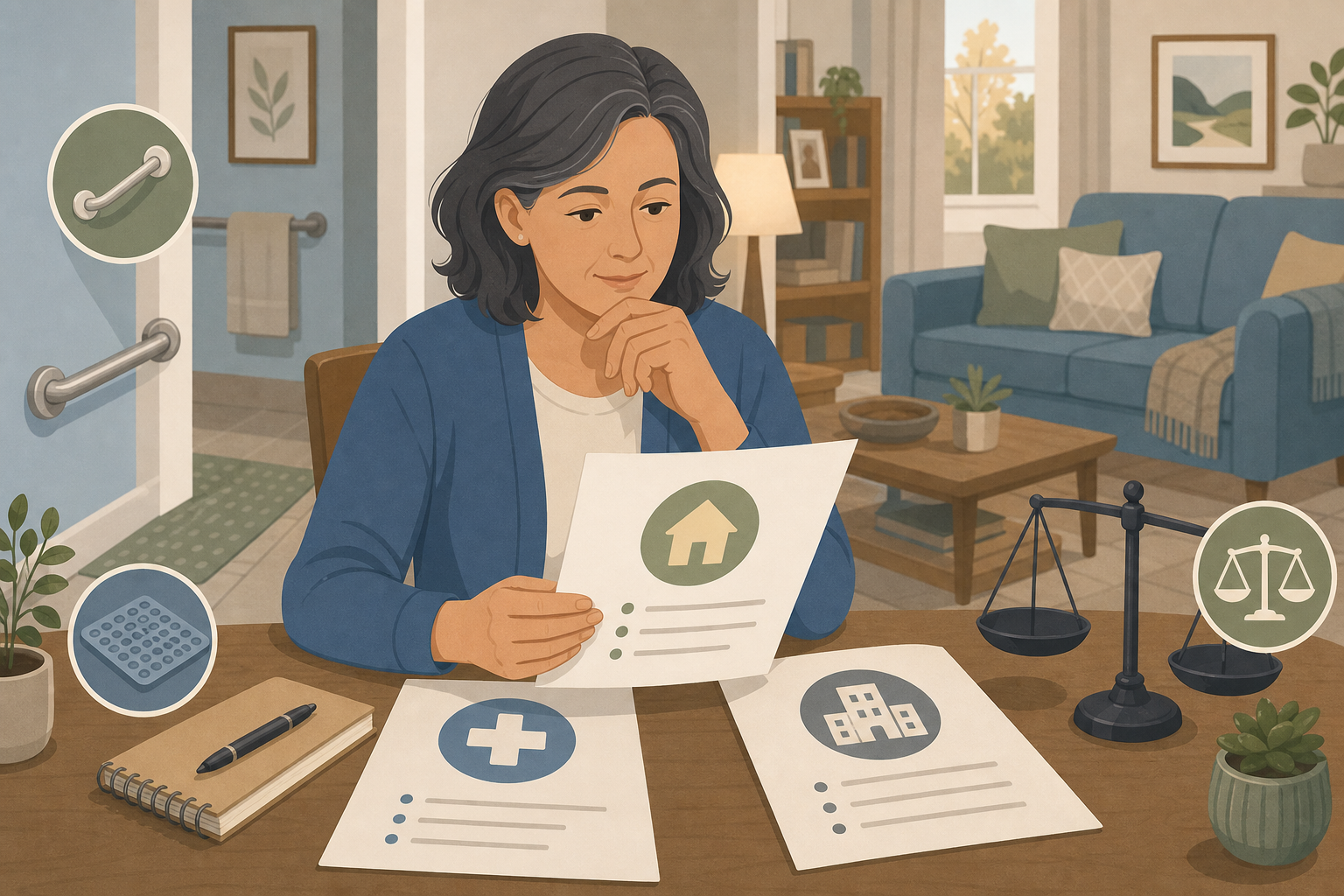 —
—Fall Prevention as a Service: How to Identify Elderly Care Companies That Prioritize Safety
After a parent's fall, choosing the right care company is critical. This guide helps crisis-driven family caregivers evaluate elderly care companies through the lens of structured, evidence-based fall prevention programs — from home safety assessments to balance training and medication review.
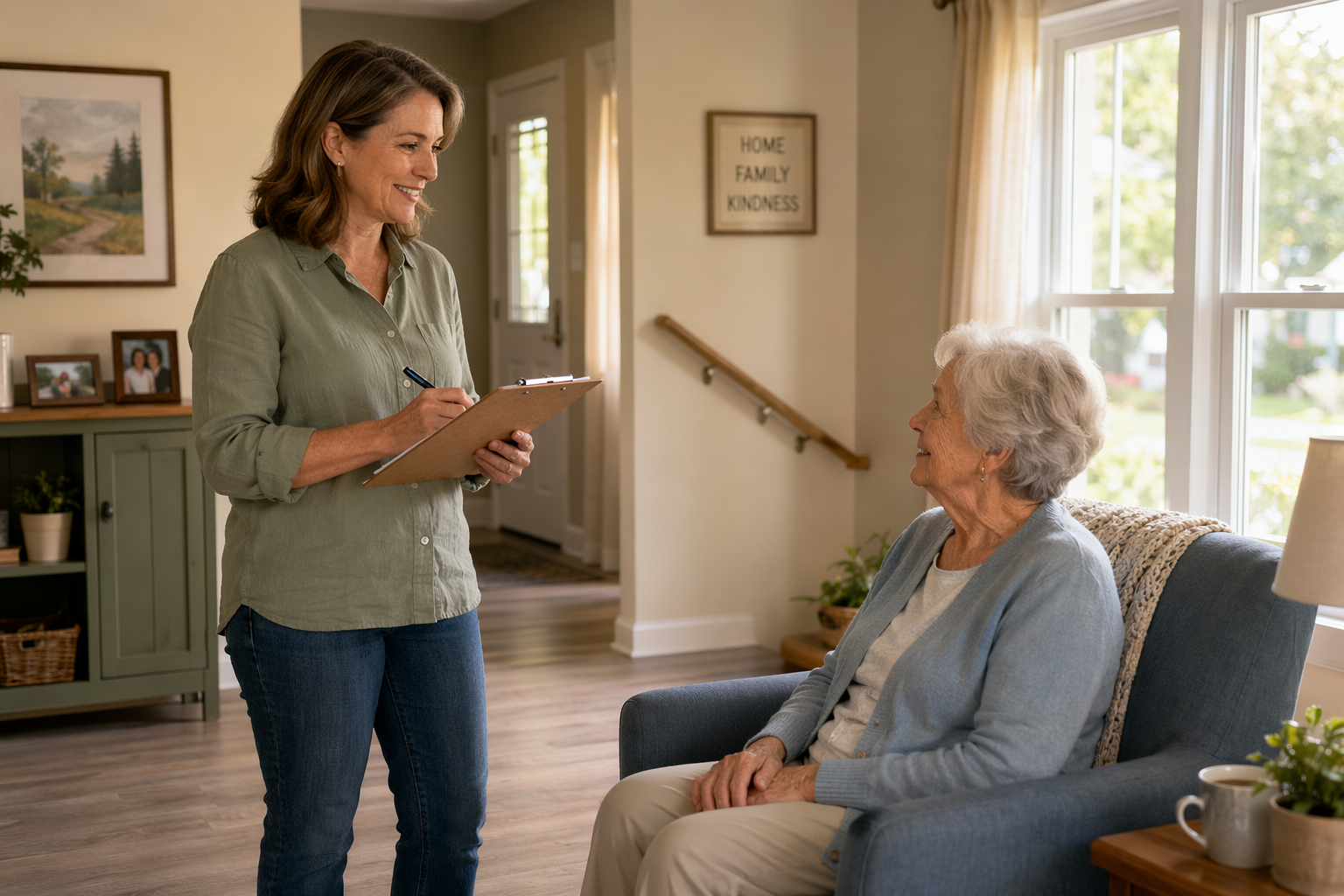 —
—How to Talk to Your Aging Parent About Fall Risk and Home Safety Without Damaging Their Independence
A staged communication framework for adult children who need to discuss fall risks and home safety with a parent — without triggering resistance or conflict. Includes evidence-based script starters, guidance for responding to the "I'm fine" response, and a post-conversation action plan.
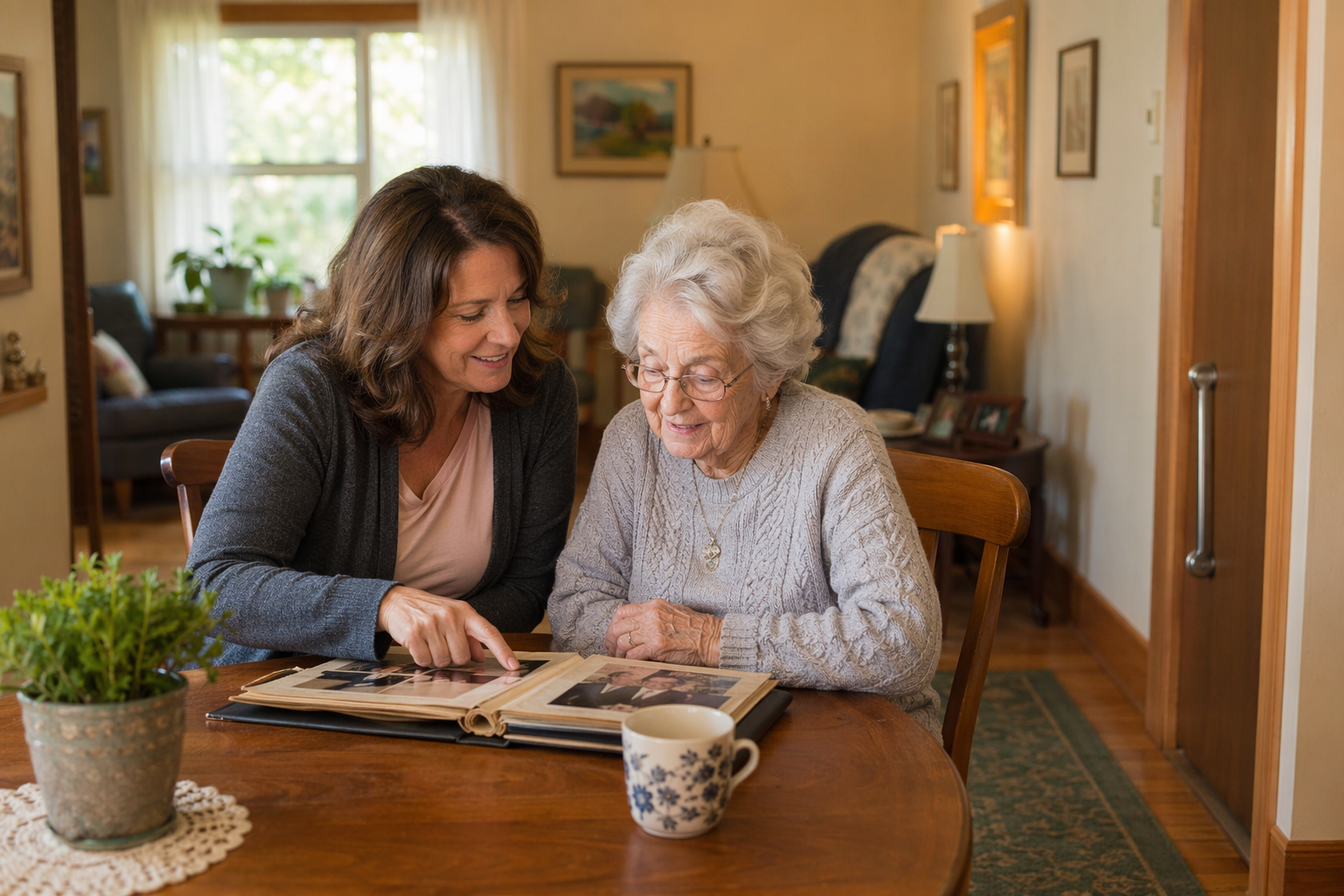 —
—Live-In Companion for Elderly: A Complete Decision-Making Guide for Family Caregivers
This guide helps adult children evaluate whether a live-in companion is the right solution for an aging parent who wants to stay home safely. It covers costs, legal requirements, fall-prevention integration, and how to find and hire the right person.
 —
—Paying for Aging in Place Home Modifications: A Guide to Grants, Loans, and Assistance Programs
A comprehensive guide for families navigating the cost of home modifications, covering federal grants, VA benefits, state programs, nonprofit assistance, and tax strategies that can make aging in place more affordable.
 —
—Senior Care Advisors After a Fall: Why You Should Call During the Hospital Stay, Not After
A parent's fall and hospitalization is the most common trigger for seeking a senior care advisor, but most families call too late. This guide explains why engaging an advisor during the hospital discharge window is critical, how they differ from hospital social workers, and what to ask before hiring in a time-sensitive situation.
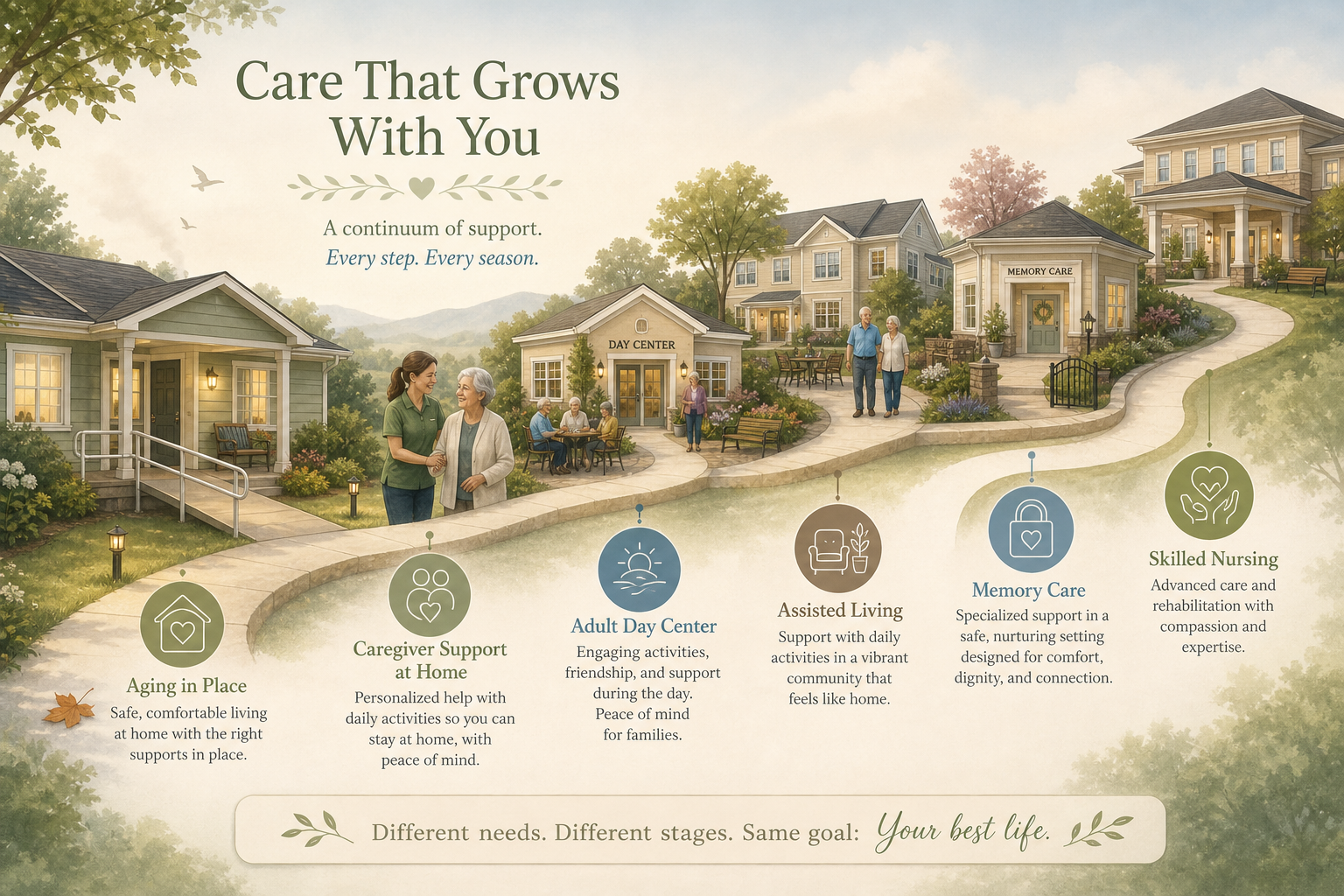 —
—Senior Care Options After a Fall: Matching Care Levels to Recovery Needs
A fall is often the crisis that triggers the first serious conversation about senior care. This guide maps each level of the care continuum — from aging in place with home modifications through skilled nursing — to the post-fall clinical pathway, giving families a decision framework anchored in their immediate reality.