
Flagship section
Fall Prevention
The flagship section, built directly on the CDC STEADI screen-assess-intervene model. Contains the fall risk screening quiz, the post-fall decision tree for active crisis situations (conscious/responsive checks, when to call 911 vs. urgent care, what to watch for in the following 72 hours), risk-factor explainers (medication side effects, vision, balance), and numbered warning-sign guides. This is the only group that owns crisis-path content; modification and mobility groups link back here rather than duplicating triage guidance.
Plan ahead
other
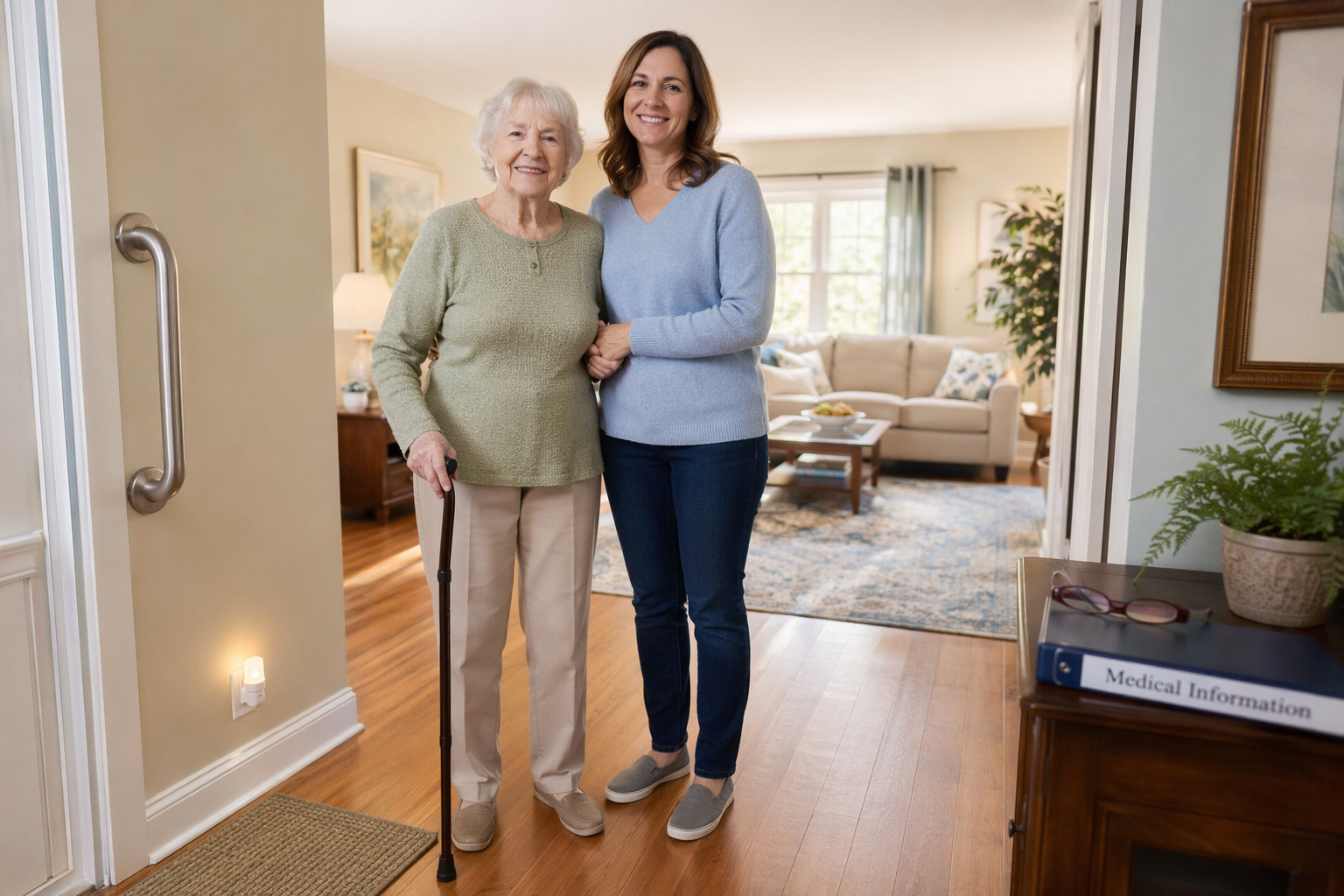 —
—Senior Health Care After a Fall: A Family Caregiver's Guide to Recovery, Screenings, and Preventing the Next One
A fall is a sentinel health event, not an isolated accident. This guide helps adult children navigate the critical post-fall window — from medical follow-up and preventive screenings to home safety modifications and emotional recovery — to break the fall-injury-decline cycle.
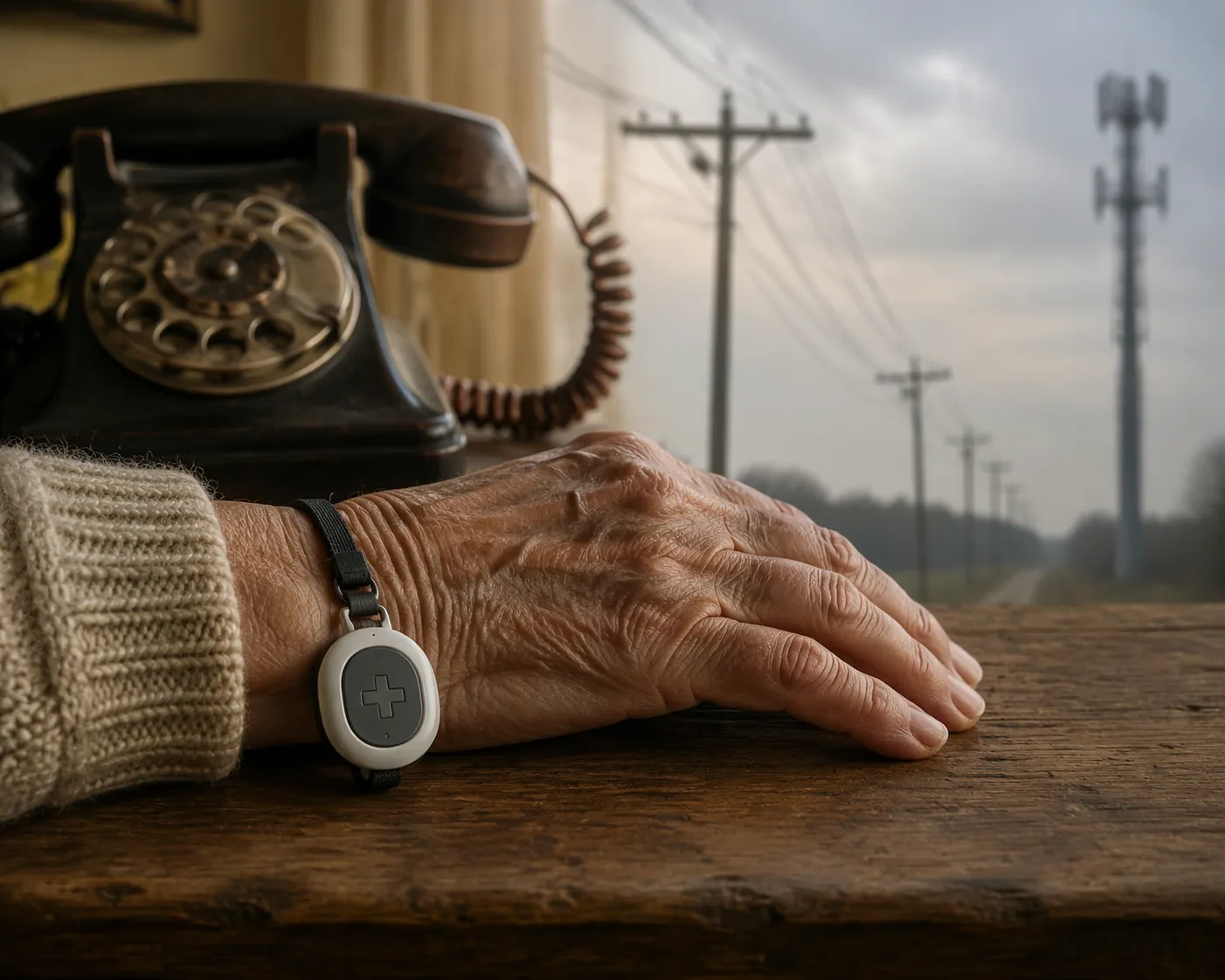 —
—What the AT&T landline phase-out means for senior emergency communication
AT&T is shutting down its copper landline network, directly threatening medical alert pendants and home phones that seniors still rely on for 911 calls after a fall. This article identifies the systems at risk and gives you a concrete, step-by-step transition checklist to prevent a gap in your parent's emergency communication.
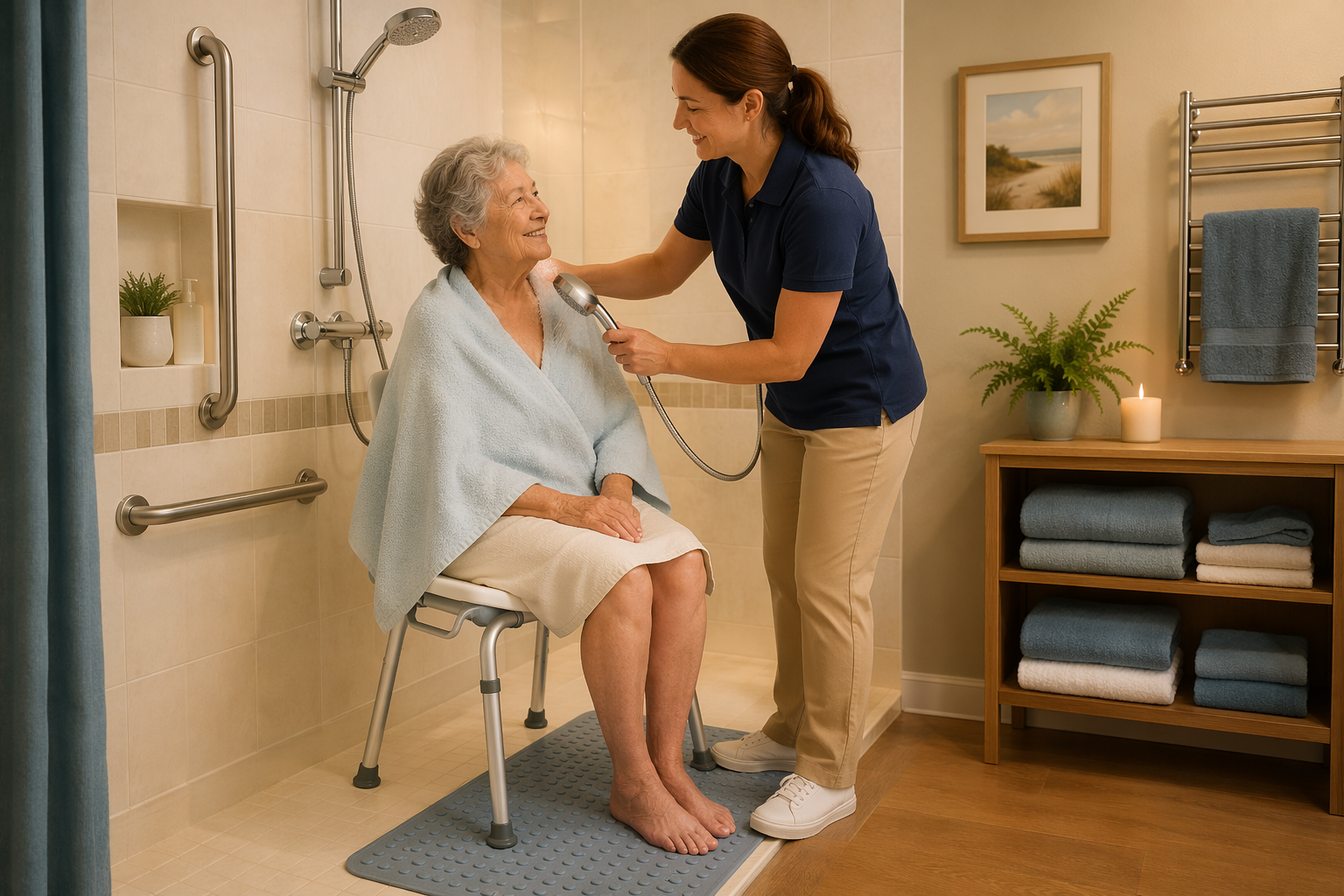 —
—Bathing a Parent with Dementia: Why They Resist and How to Help
Understand why dementia causes bathing resistance and learn practical, dignity-preserving techniques to reduce conflict and keep your loved one clean and safe.
 —
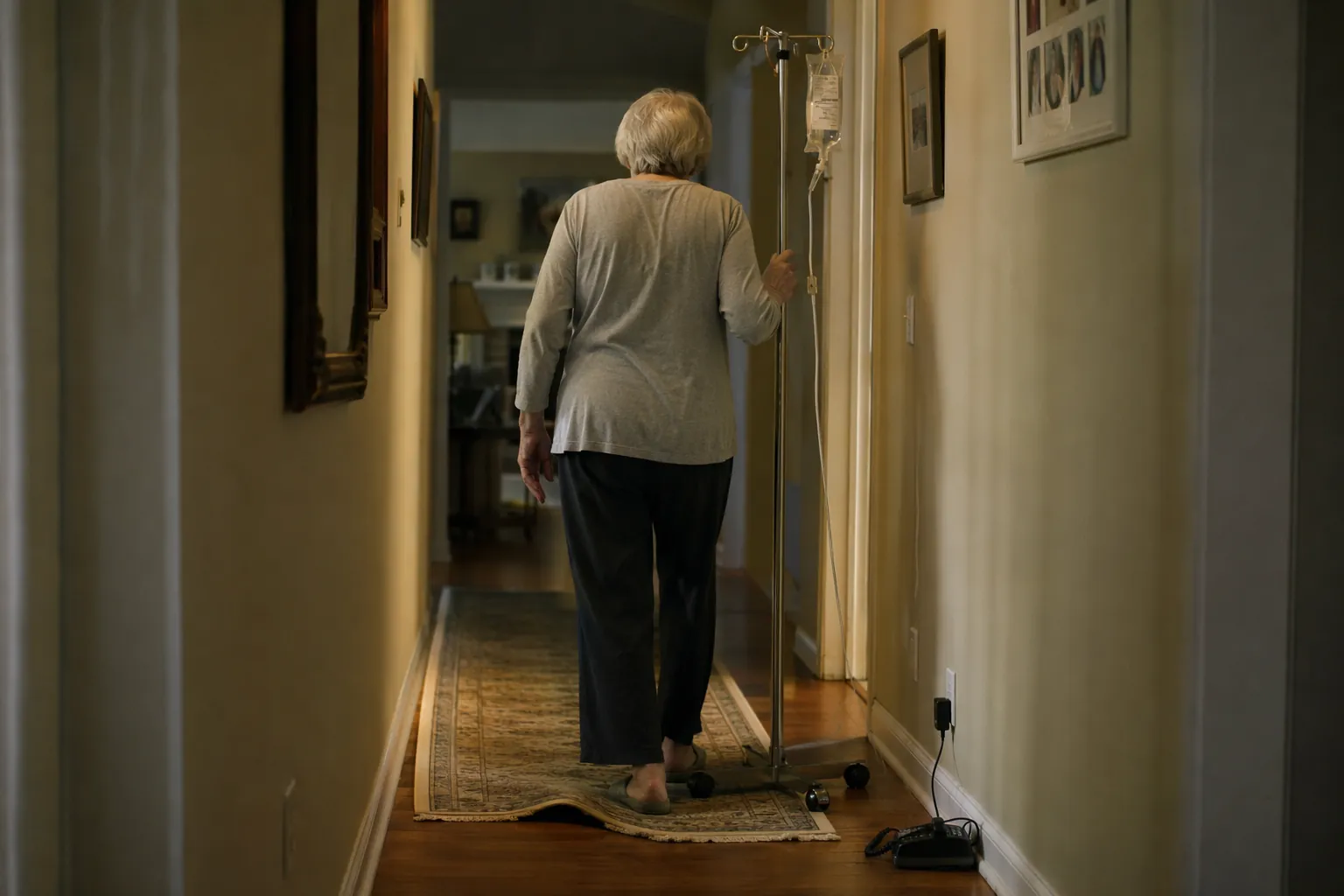
—Cancer Diagnosis in Older Adults: What to Expect and How to Prevent Falls
This article explains why a new cancer diagnosis in an older adult raises fall risk even before treatment begins, outlines the diagnostic timeline, and provides actionable steps to prevent falls during the 2–6 week window before treatment starts.
 —
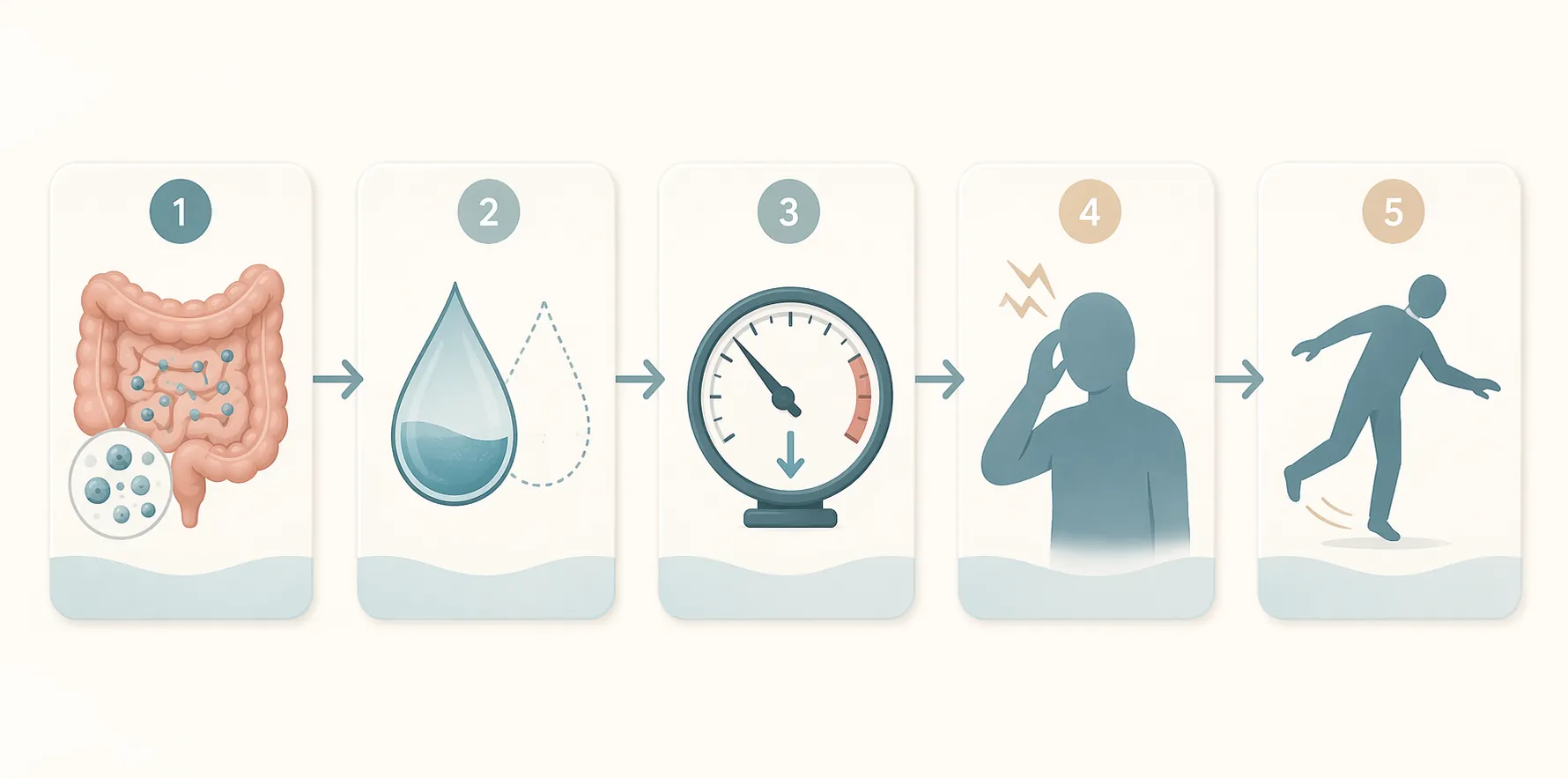
—Cancer Treatment Fall Risks Every Caregiver Should Know
This article helps adult children understand why a cancer diagnosis raises their parent's fall risk by 15–20%, identifies the specific treatment-related causes like chemotherapy neuropathy and medication side effects, and provides a room-by-room, medication-aware plan to prevent falls during treatment.
 —
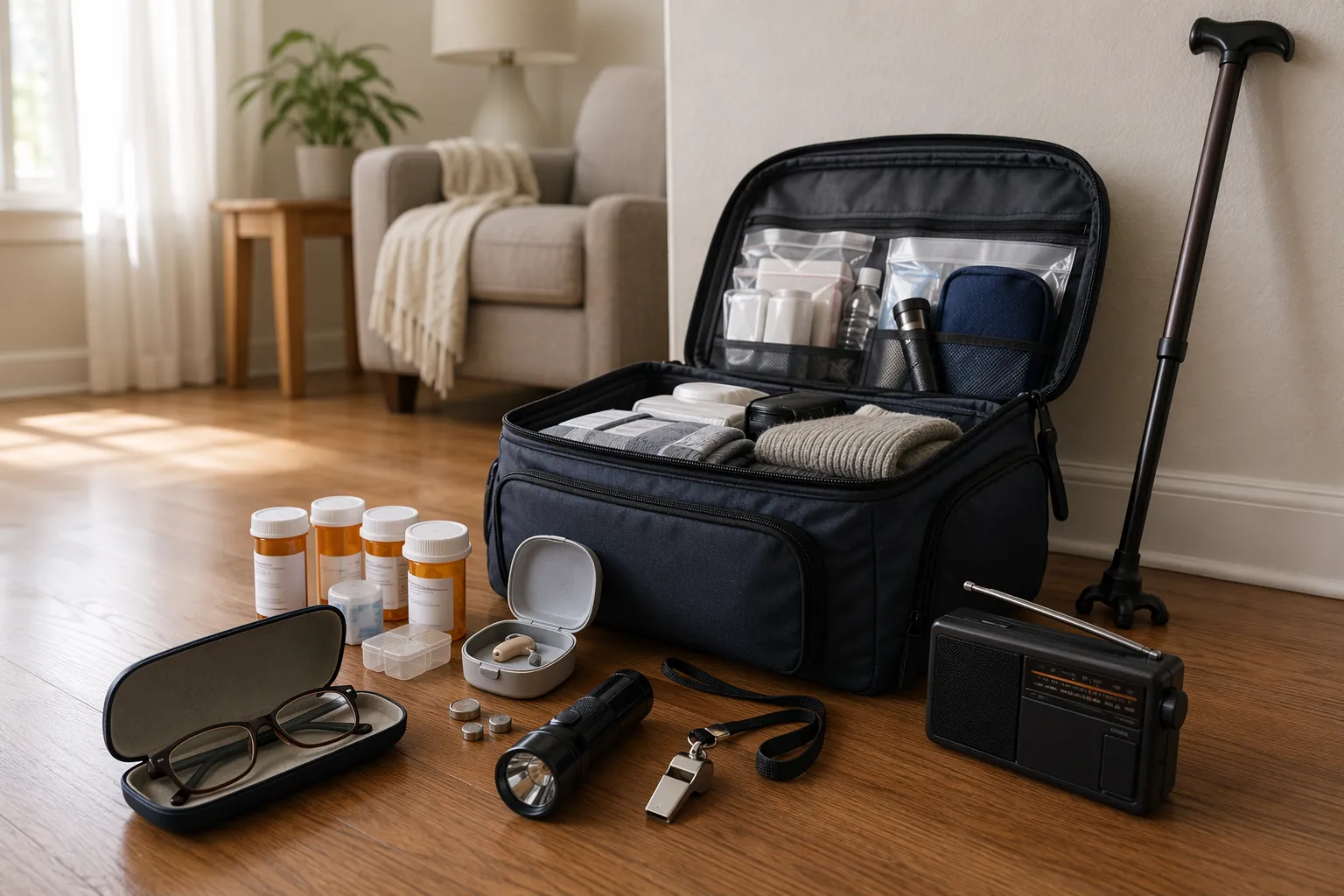
—How the Cyclospora Outbreak Raises Fall Risk for Older Adults
The 2026 Cyclospora outbreak is not just a food safety issue—it poses a hidden fall danger for older adults. This article explains how prolonged diarrhea triggers dehydration, dizziness, and urgency-driven falls, and provides prevention steps and post-illness reconditioning guidance.
 —
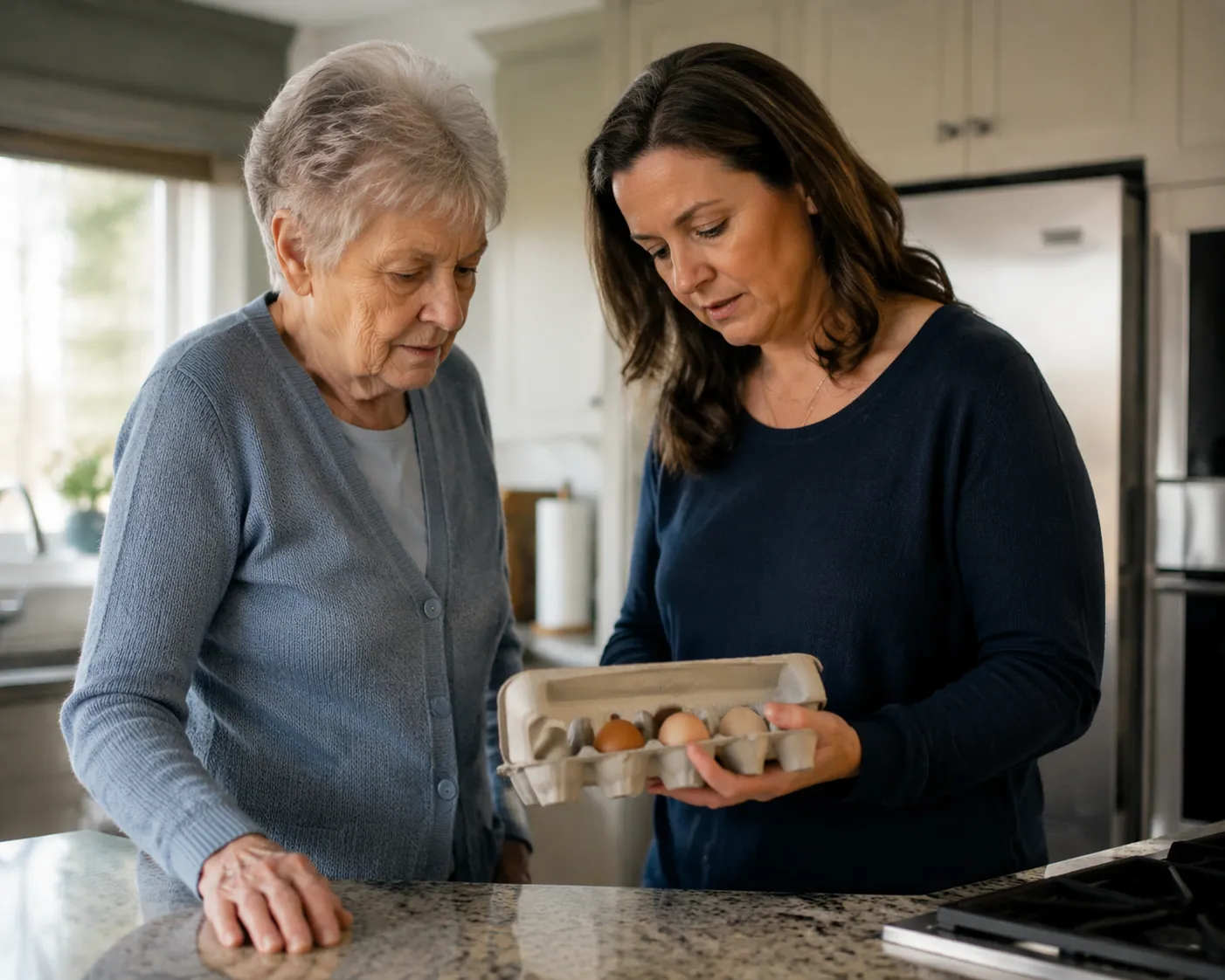
—How to Build an Earthquake Kit for a Senior Living Alone
Standard earthquake kits miss critical needs for seniors who live alone. This guide explains the specific medication, mobility, and communication adaptations that turn a generic kit into a workable survival plan when you are the only person in the home.
 —
—Ate Recalled Eggs? Salmonella Guide for Elderly Parents
When an elderly parent has eaten recalled eggs contaminated with Salmonella, the 6-hour-to-6-day incubation window demands a different response than for younger adults. This guide walks you through the immediate steps, when to call a doctor or 911, and how to monitor vitals with age-specific red flags for dehydration, confusion, and fall risk.
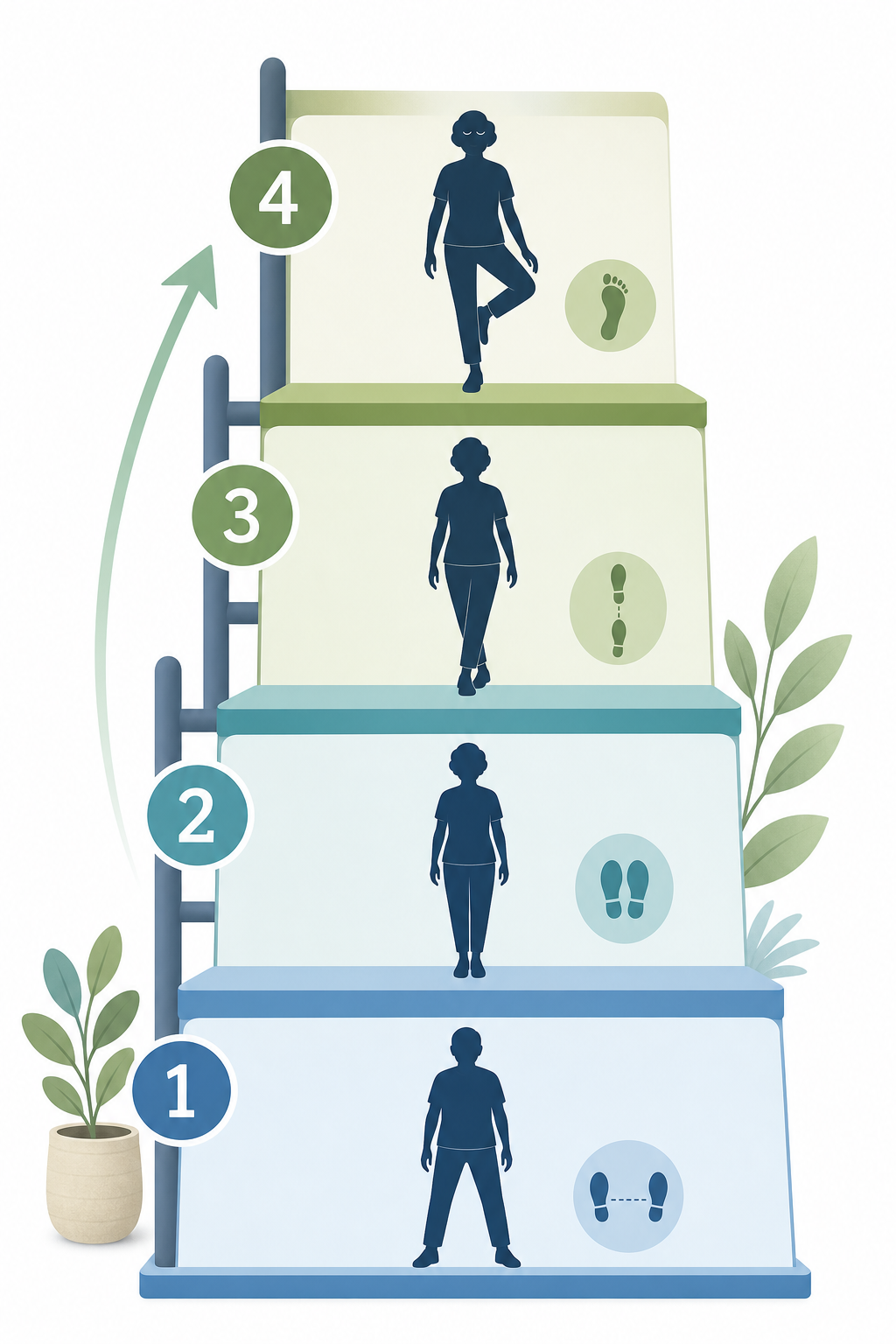 —
—Fall Prevention Exercises for Seniors: A 4-Level Balance and Strength Progression Ladder
This guide provides a structured, 4-level progression ladder for balance and strength exercises designed for older adults to do safely at home. It offers a clear path from foundational moves to advanced challenges, with measurable gate criteria to help seniors and their caregivers know when to advance to the next level.
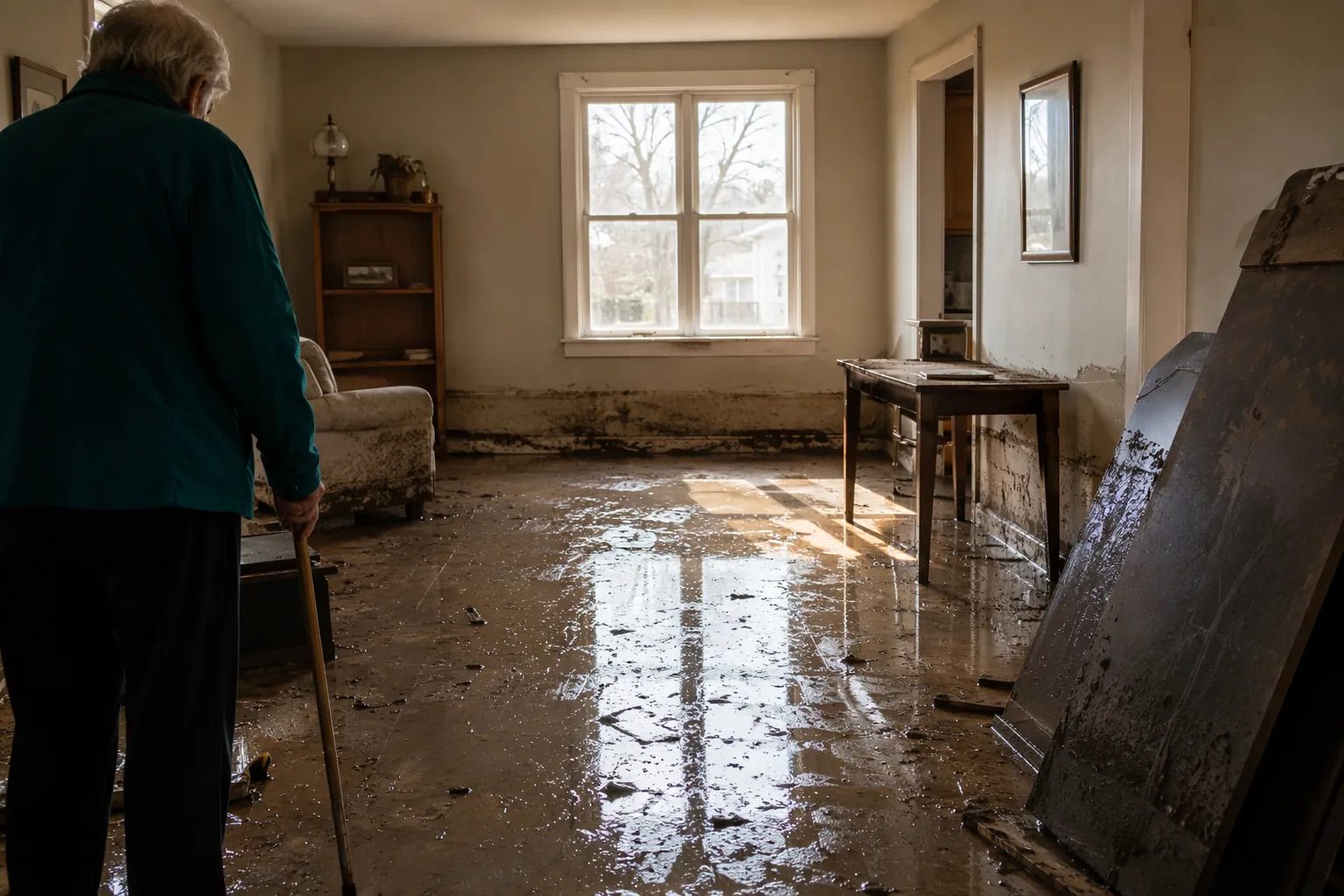 —
—Flood Recovery Creates Hidden Fall Risks for Seniors Living Alone
The weeks after a flood are the most dangerous time for seniors living alone — wet floors, debris, and hidden hazards multiply fall risk. This article provides specific steps to avoid injury during home recovery.
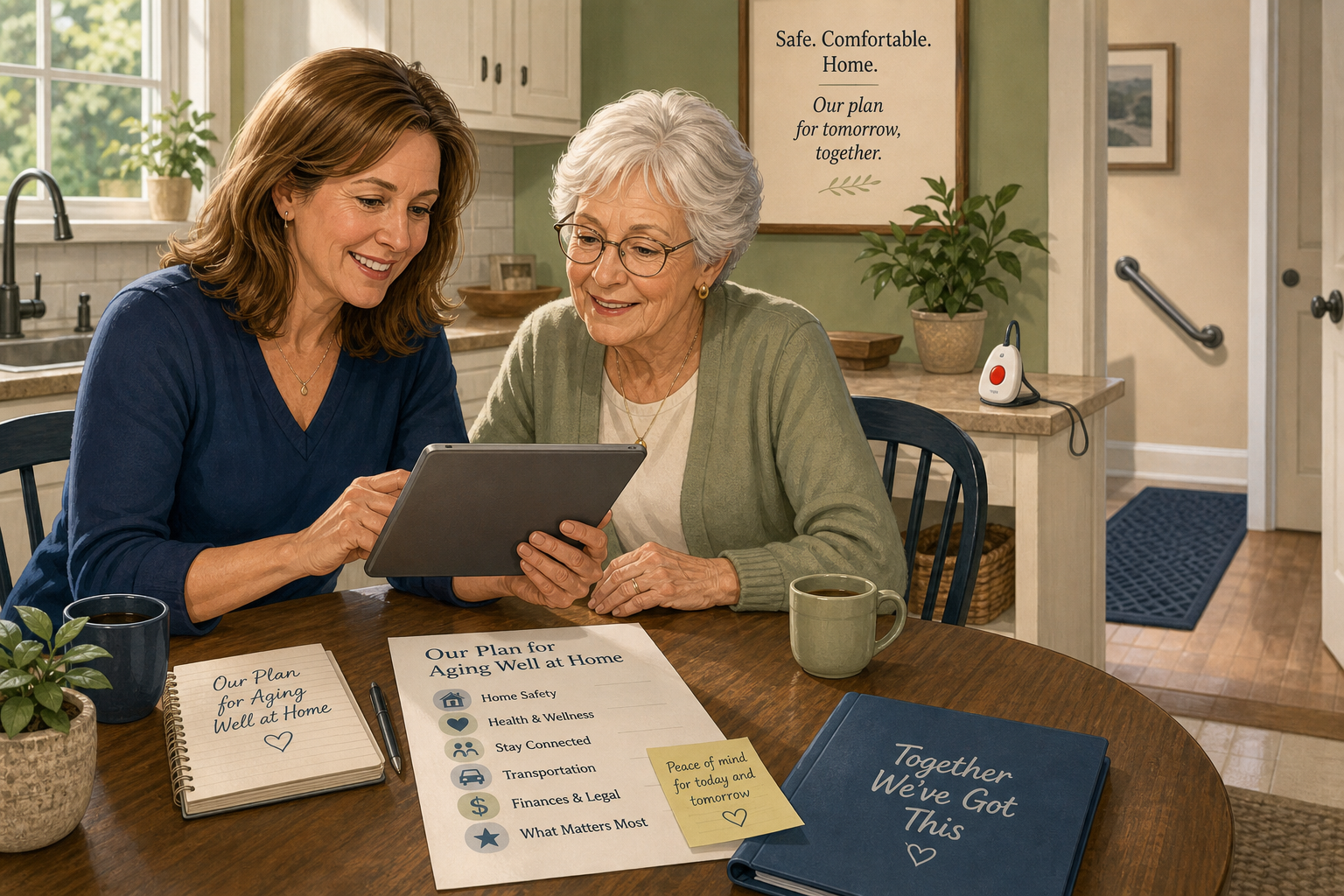 —
—How to Pay for In-Home Care in 2026: 7 Funding Sources Families Need to Know
In-home care costs $30–$35/hour nationally, but most seniors have only $2,000–$4,000/month in Social Security. This guide maps seven funding sources — private pay, VA Aid & Attendance, Medicaid HCBS waivers, long-term care insurance, Medicare home health, life insurance living benefits, and reverse mortgages — with 2026 eligibility, benefit amounts, and a layered payment strategy for adult children managing caregiving finances.
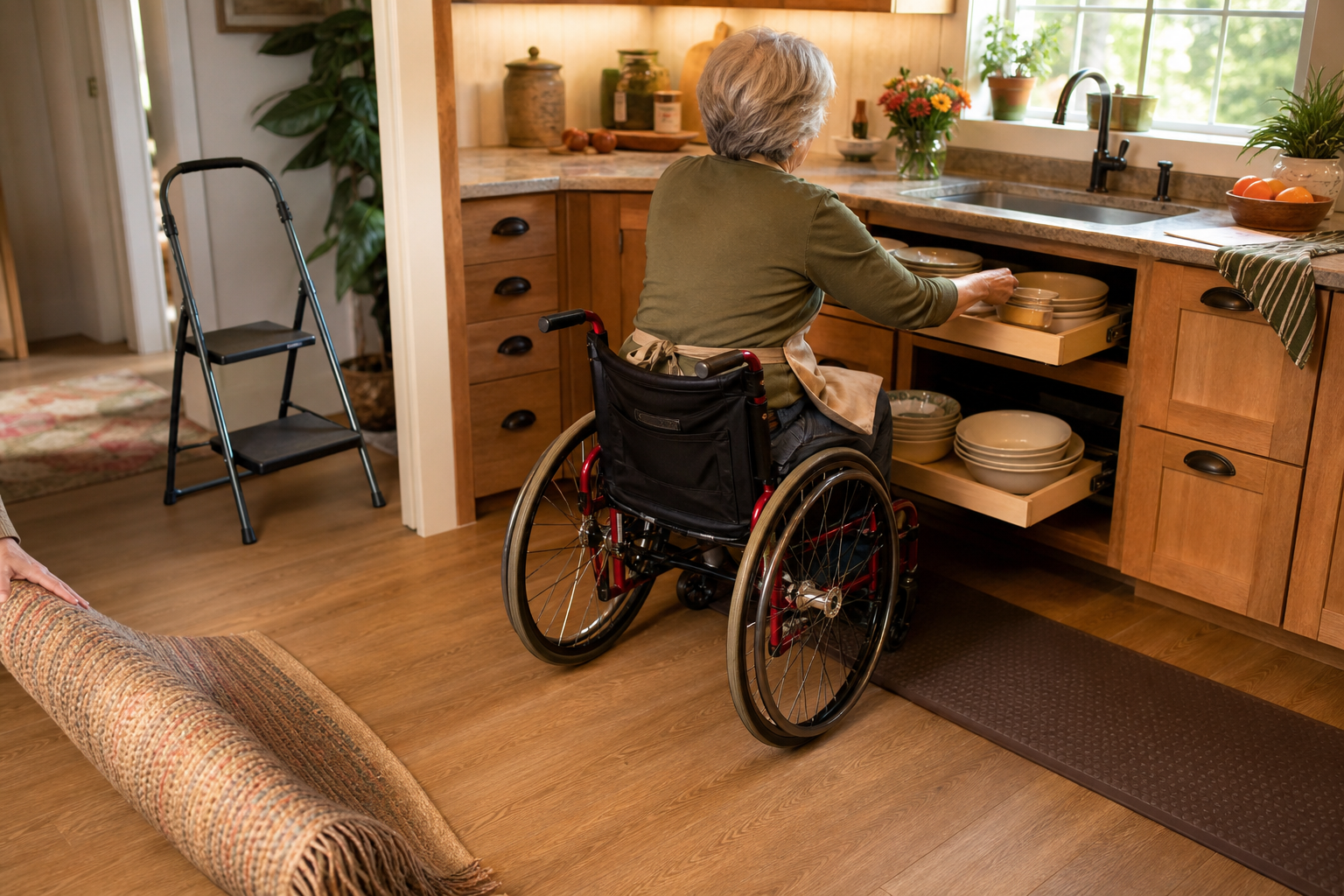 —
—Kitchen Fall Prevention Checklist for Older Adults: A Zone-by-Zone Safety Guide for Caregivers
Nearly 1 in 5 in-home falls among older adults happens in the kitchen. This evidence-based checklist helps adult children and spousal caregivers identify and fix kitchen-specific hazards using a simple zone-by-zone approach with tiered priorities.