
Flagship section
Fall Prevention
The flagship section, built directly on the CDC STEADI screen-assess-intervene model. Contains the fall risk screening quiz, the post-fall decision tree for active crisis situations (conscious/responsive checks, when to call 911 vs. urgent care, what to watch for in the following 72 hours), risk-factor explainers (medication side effects, vision, balance), and numbered warning-sign guides. This is the only group that owns crisis-path content; modification and mobility groups link back here rather than duplicating triage guidance.
Plan ahead
other
 —
—Are artificial sweeteners linked to cognitive decline in seniors?
A growing body of research links common artificial sweeteners to faster cognitive decline, especially in midlife and in people with diabetes. This article reviews the latest studies, examines what the evidence means for seniors, and offers practical guidance for reducing potential risk while maintaining dietary preferences.
 —
—Home Care vs. Assisted Living vs. Memory Care: A Continuum Decision Guide for Dementia Caregivers
For families navigating a dementia diagnosis, the decision isn't just about choosing a facility — it's about understanding where your parent falls on the care continuum. This guide compares home care, assisted living, and memory care using three clinical safety triggers — wandering, incontinence, and caregiver burnout — to help you make the right choice at the right time.
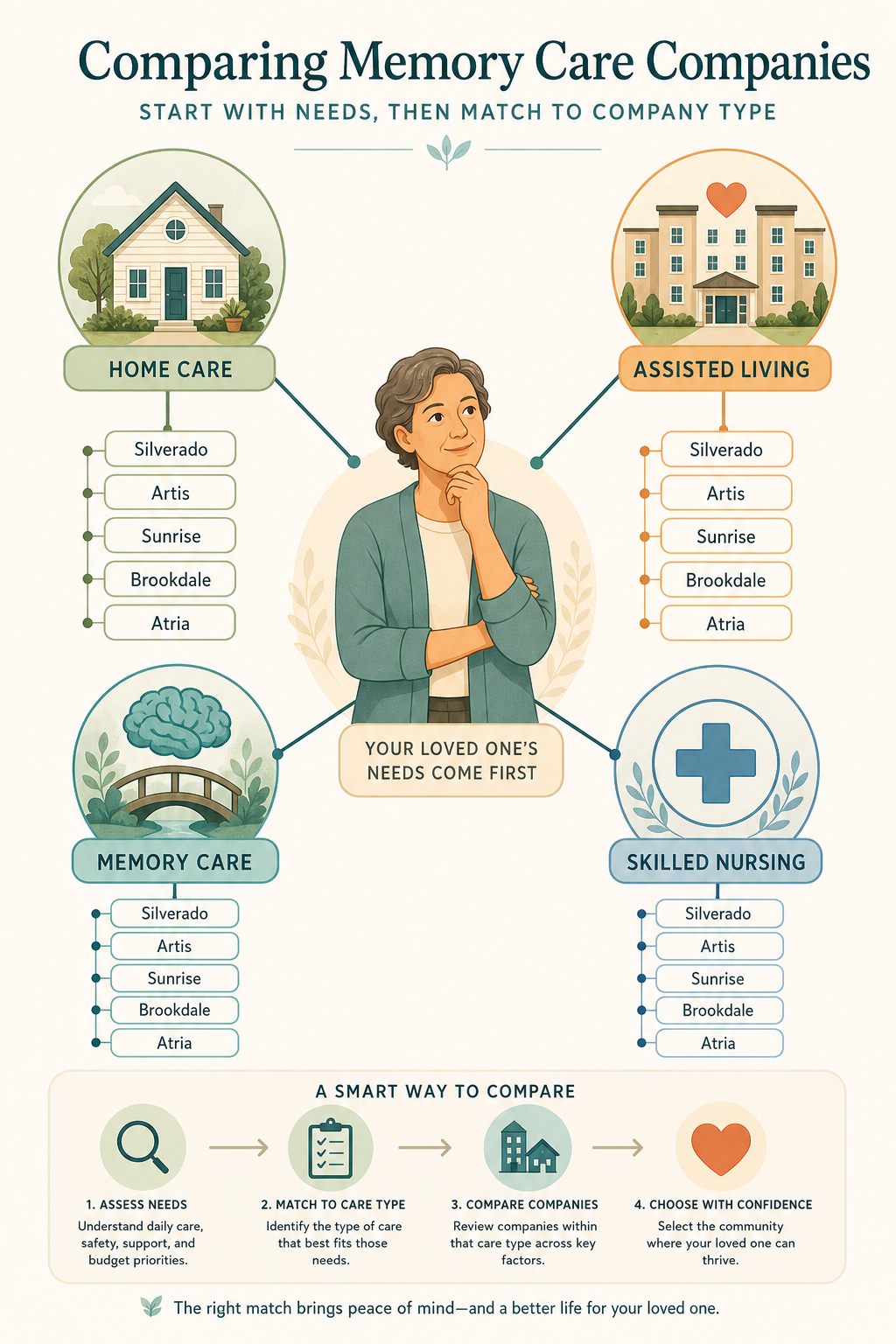 —
—Memory Care Companies Compared: What Families Need to Know About Specialized Dementia Care Providers
A comparison of dedicated memory care communities versus general assisted living chains with memory care wings, including staff training, safety features, therapeutic programming, and costs to help families make an informed choice.
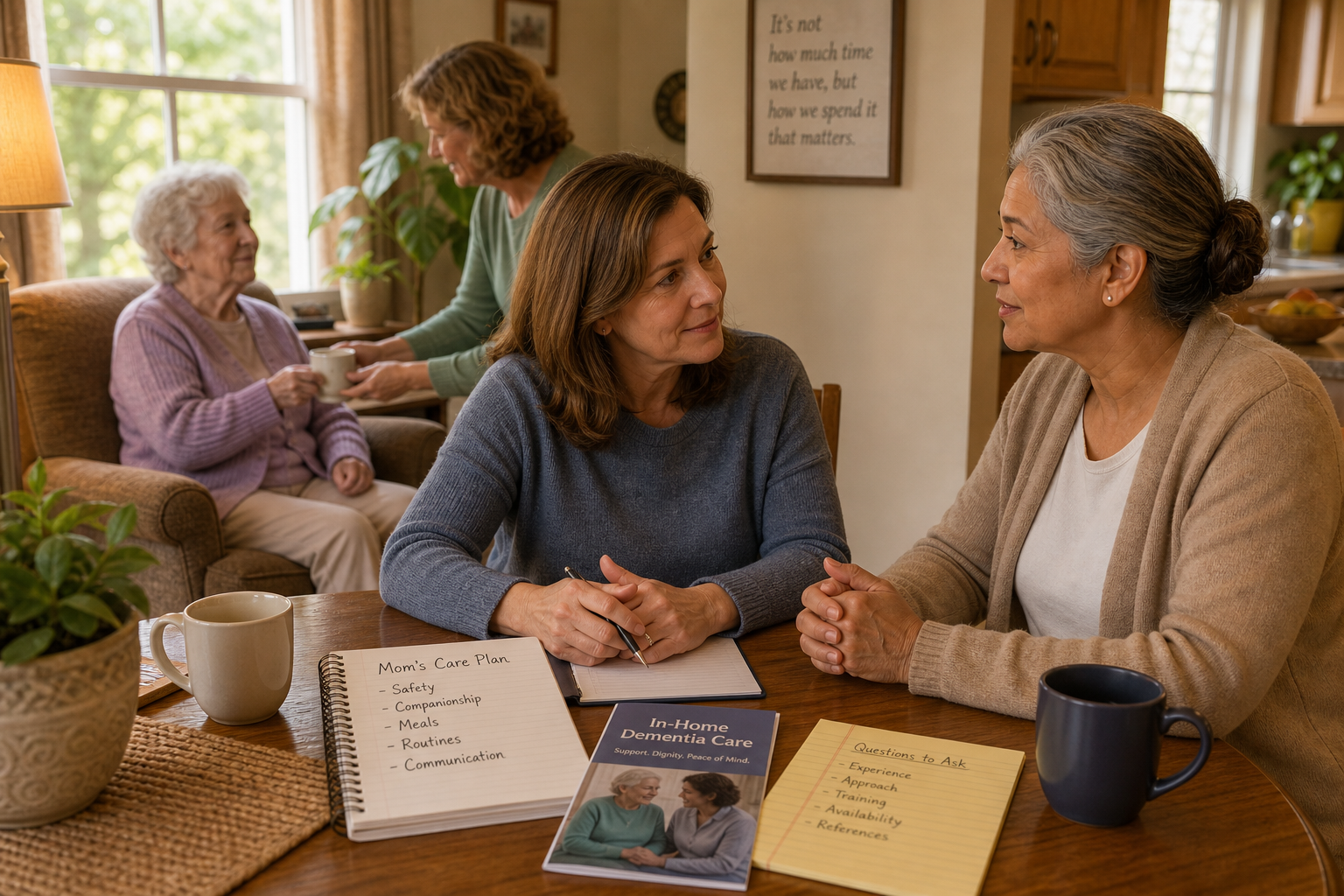 —
—Private Caregiver vs. Agency for Dementia Care: A Stage-of-Disease Decision Framework
For families caring for a parent with dementia, choosing between a private caregiver and a home care agency is not just about hourly cost. This guide provides a stage-of-disease decision framework to help you match the caregiver model to your parent's disease trajectory.
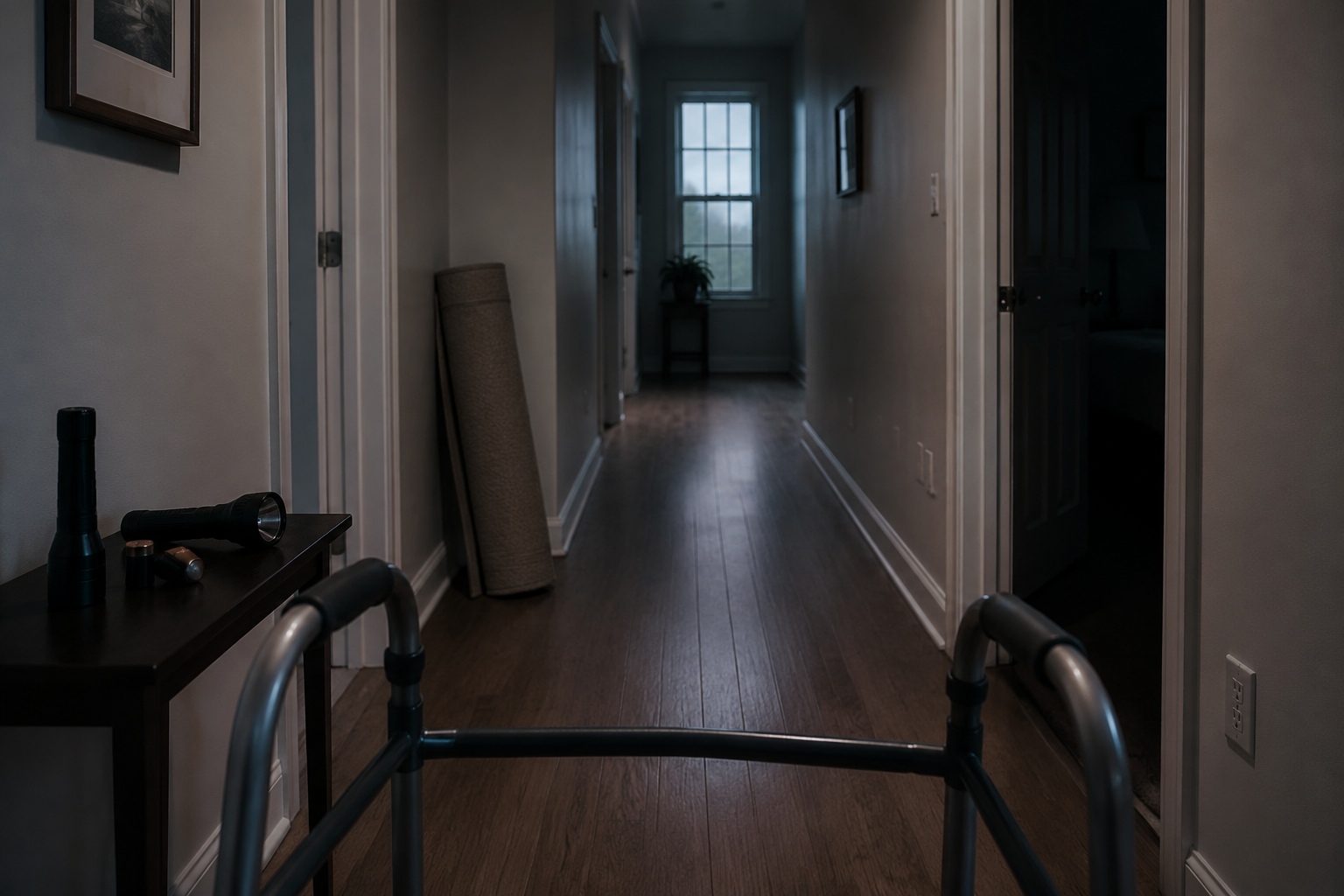 —
—Senior Storm Safety: A Fall-Proofing Checklist
Storms transform familiar rooms into new fall hazards for older adults. This phased checklist walks you through fall-proofing your senior's home before, during, and after severe weather—so you can act quickly and keep them safe.
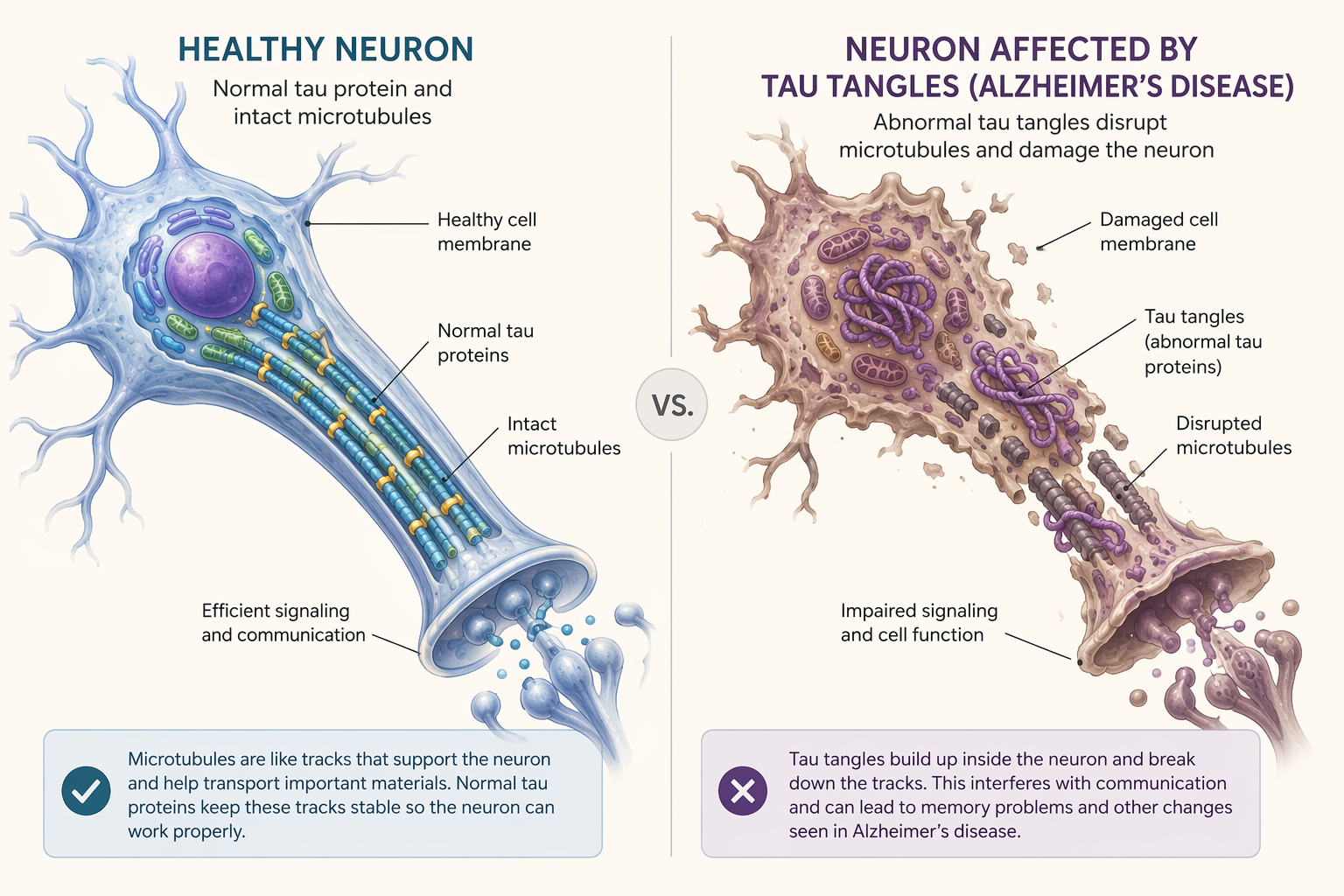 —
—What is tau protein and how does it drive memory loss in aging?
Tau protein tangles follow a predictable pattern through the brain that directly mirrors the memory loss families witness in Alzheimer's disease. This guide explains the biology, new blood tests that detect tau years early, and what recent drug trial results mean for your family.
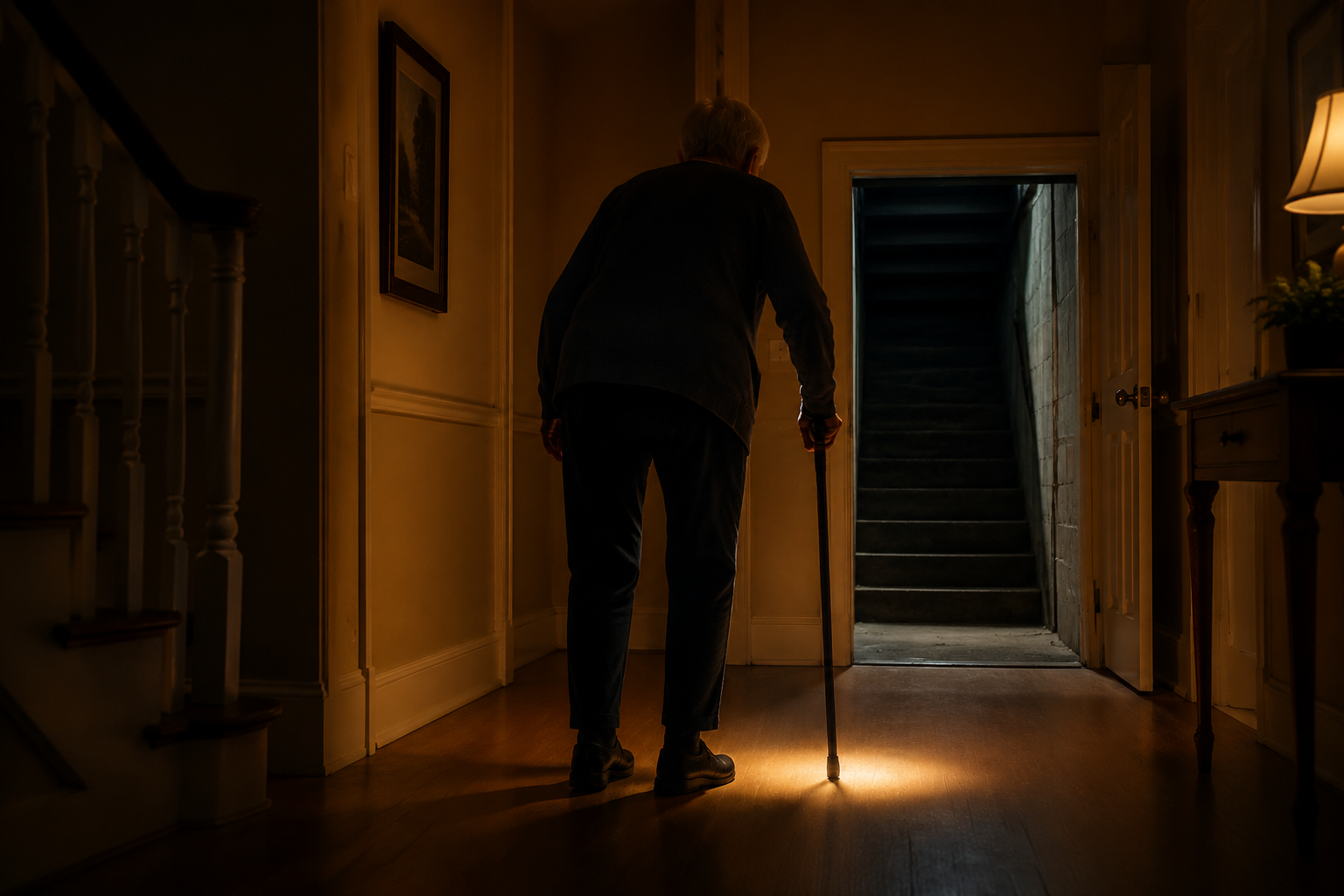 —
—Tornado Safety Tips for Seniors That Focus on Fall Prevention
Tornado warnings create a perfect storm of fall hazards for older adults — rushed movements in the dark, wet floors, and post-storm debris. This guide explains how caregivers can help seniors move safely during each phase of a tornado event.
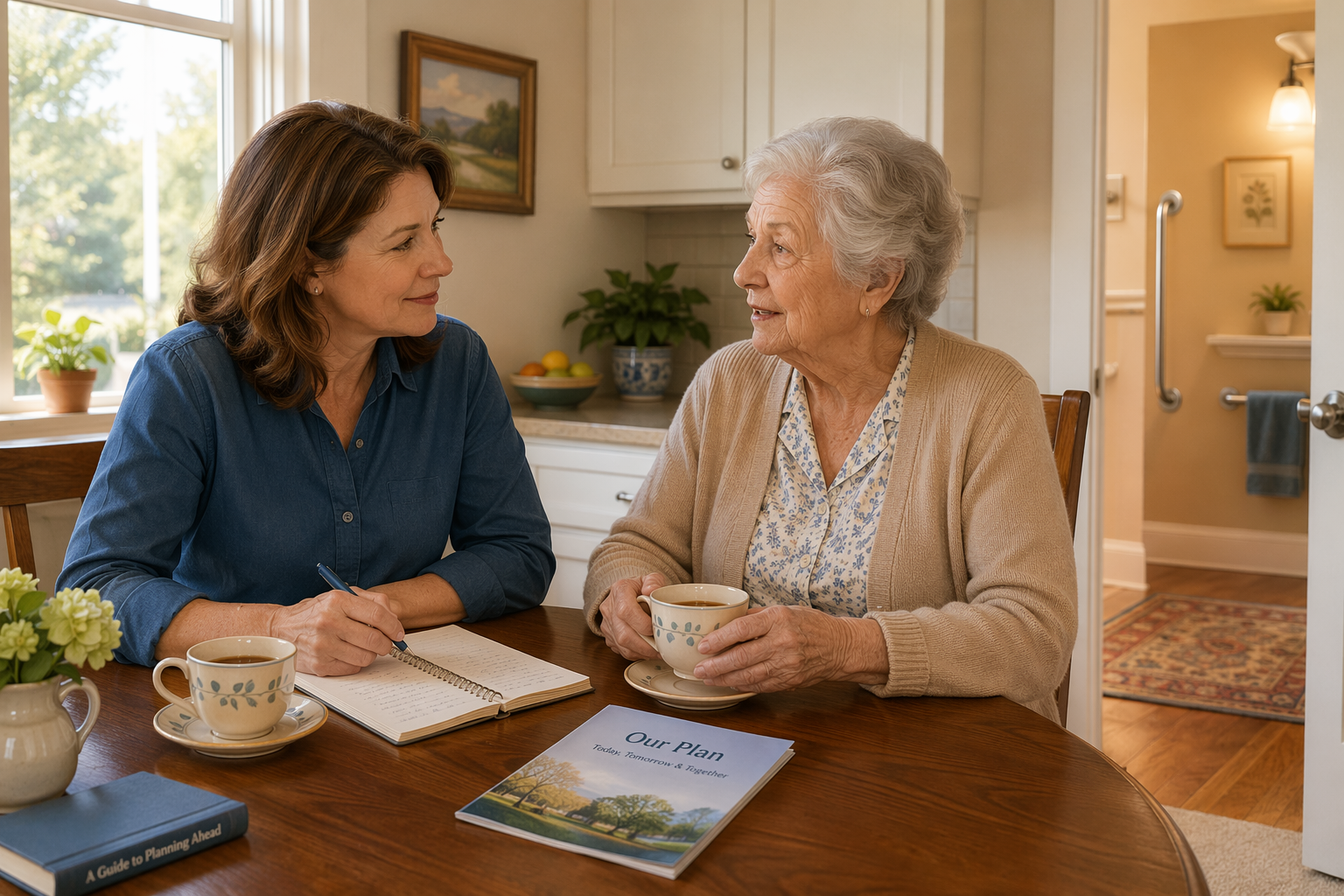 —
—When Home Care Isn't Enough: A Decision Framework for Knowing When to Add Professional Help, Palliative Care, or Transition to a Facility
This guide helps adult children caring for a parent at home navigate the guilt-laden decision of when their parent's needs exceed what family caregiving can safely provide. It offers a staged escalation framework with objective readiness markers at each level — from informal care through hospice — so you can make decisions with clarity, not guilt.
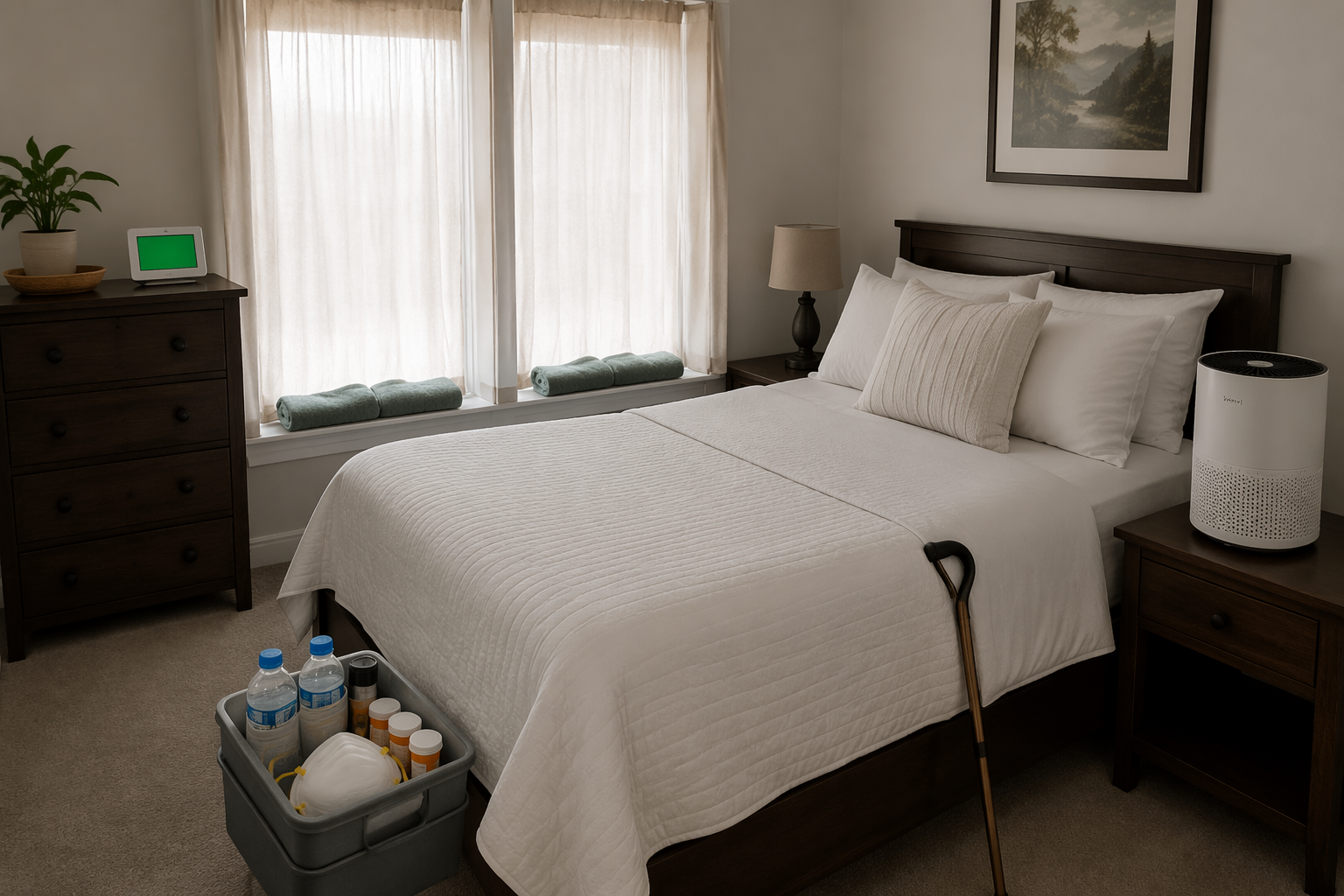 —
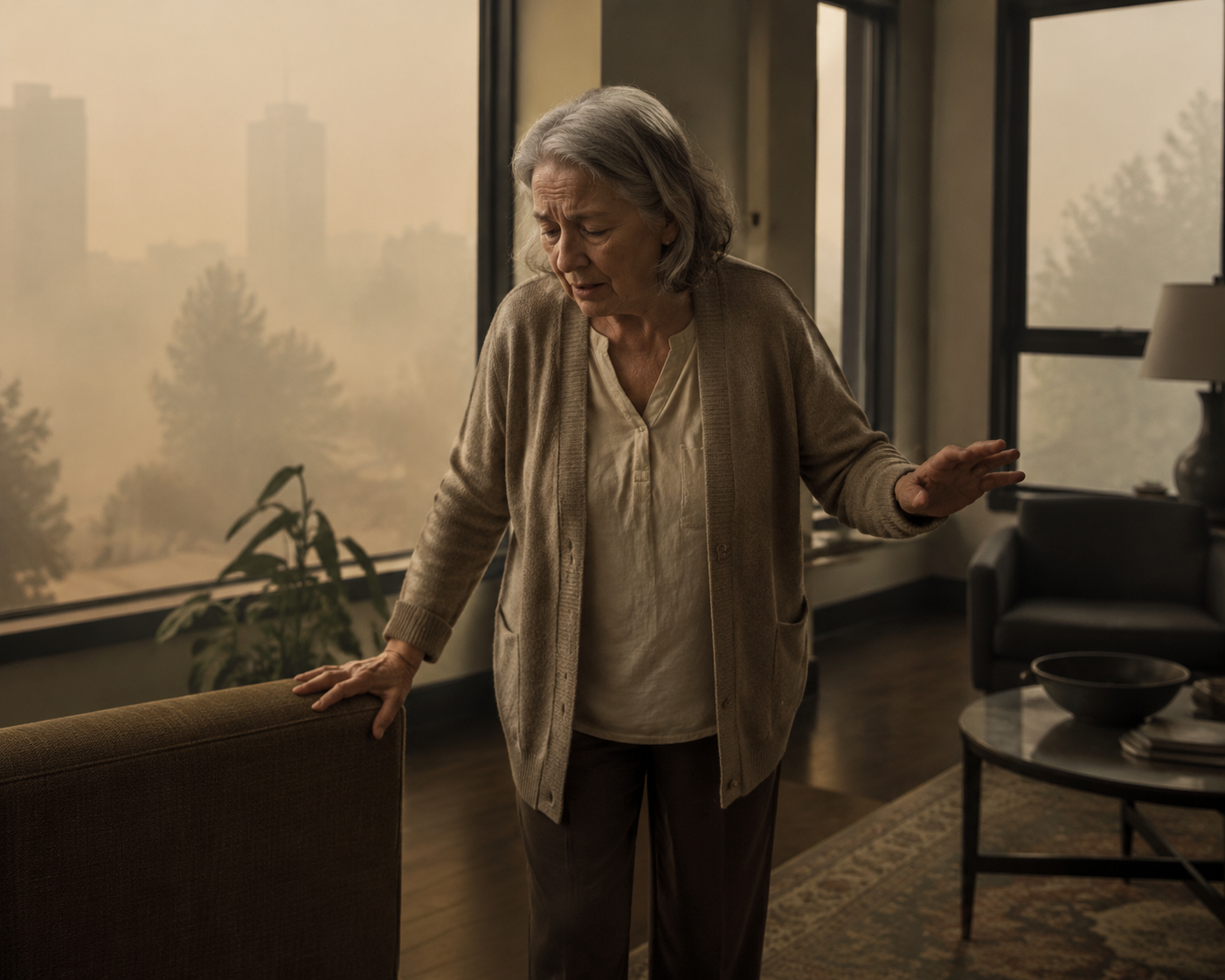
—Wildfire Smoke Safety Checklist for Older Adults
This phased checklist helps family caregivers protect older adults before, during, and after wildfire smoke events by addressing respiratory risks and the increased fall risk from smoke-related symptoms like dizziness and fatigue.
 —
—Protect Seniors from Falls When Air Quality Alerts Arrive
Poor air quality from wildfire smoke and heat waves raises seniors' fall risk through dizziness and reduced oxygen. This guide explains how to prepare your home and adjust routines during alerts to protect against both breathing issues and falls.
 —
—At What Point Does a Person With Dementia Need 24-Hour Care? A Stage-Based Guide
This guide helps adult children and spousal caregivers of someone with dementia determine when round-the-clock care becomes necessary. Organized by dementia stage progression, it covers key decision points like wandering onset, sundowning escalation, and caregiver health thresholds, and provides a framework for choosing between 24-hour in-home care and memory care.
 —
—Can Dance Therapy Actually Boost Brain Health in Seniors?
Dance therapy is not just gentle exercise — research shows it can improve memory, attention, and executive function in older adults with mild cognitive impairment. This article examines the evidence, explains why dance uniquely triggers neuroplastic change, and what dosage and duration produce the best results.