
STEADI: Intervene
Alpha-Gal Symptoms and Management in Older Adults
Alpha-gal syndrome reactions begin 2–6 hours after a meal, which is why they're so easy to misread in an older adult as a stomach bug, GERD, a fall, or a stroke. This guide explains how to recognize delayed reactions, what the alpha-gal blood test does and doesn't prove, and what daily management — food avoidance, tick prevention, an epinephrine plan, and protein/iron/B12 planning — really involves.
An older adult eats dinner at 6 p.m. At midnight, she is in the bathroom with stomach cramps, sweating, lightheaded, or covered in hives. By the time the family is deciding whether this is reflux, food poisoning, a stroke, or “another fall,” the hamburger or pork chop is no longer part of the conversation.
That delay is the safety problem. Alpha-gal syndrome symptoms commonly begin 2–6 hours after exposure, and CDC lists reactions that can include hives, nausea, vomiting, diarrhea, heartburn, swelling, trouble breathing, dizziness or faintness, and a drop in blood pressure.[1] The condition is an immune reaction to alpha-gal, a sugar found in mammalian meat and products made from mammals.[2] In practical caregiving terms, the question is often not “Did Mom eat red meat?” It is “What happened two to six hours after dinner, and did anyone connect the two?”

This article is educational and is not a diagnosis or treatment plan. Last verified: August 25, 2026. Any suspected alpha-gal syndrome in an older adult should be reviewed with a clinician or allergist, and fall-risk or emergency-care advice should be checked by an appropriate geriatric RN, clinician, OT, or other qualified reviewer before it is used in a care plan.
The symptom pattern that gets missed in older adults
Alpha-gal syndrome does not behave like the food allergy many families picture, where the reaction starts at the table. The delay is why it can disappear into the usual older-adult explanations: “bad stomach,” “GERD flare,” “IBS,” “dehydration,” “anxiety,” “she got dizzy again,” or “he fell on the way to the bathroom.”
The recognition pattern worth writing down is simple:
- Exposure: mammalian meat or a related mammalian product, such as beef, pork, lamb, venison, gelatin, broth, or another hidden source.
- Delay: symptoms begin roughly 2–6 hours later, often in the evening or overnight.[1]
- Reaction: hives, itching, flushing, swelling, stomach pain, nausea, vomiting, diarrhea, heartburn, cough, trouble breathing, dizziness, faintness, or signs of low blood pressure.[1]
- Mislabel: the episode is treated as a fall, stomach virus, reflux, panic, medication side effect, or neurologic event without reconstructing the meal-to-symptom timing.
The dangerous presentations are the ones that do not look like “allergy” at first. Dizziness, faintness, and a blood-pressure drop can look like a collapse or fall event. Swelling and trouble breathing can move quickly into an emergency. New York State’s health department includes fainting among severe symptoms and says severe reactions require immediate medical attention.[3] If an older adult faints, has trouble breathing, has swelling of the lips, tongue, or throat, seems confused or weak after a reaction, or has blood-pressure concerns, that is not a wait-and-see situation.
This is the same caregiving trap seen with other delayed or messy illness patterns in older adults: a symptom starts as “just diarrhea” or “just a bite” and becomes a nighttime bathroom trip, dehydration, weakness, or a fall risk. Caregivers who already think through the timing issues in Salmonella symptoms in seniors, Cyclospora outbreak fall safety, or brown recluse bite fall risk will recognize the pattern: the medical trigger and the fall-risk consequence may be hours apart.
GI-only reactions are easy to dismiss
Some alpha-gal reactions are mostly gastrointestinal. In Commins’ clinical review, 3–20% of patients were reported to have GI-only presentations.[4] That matters because an older adult with cramping, diarrhea, nausea, or heartburn in the middle of the night may be sent down a GERD, IBS, gallbladder, or “something you ate” path for a long time before anyone asks about delayed mammalian exposure.
Delayed diagnosis is not rare enough to ignore. Commins cites one study in which the average time from symptom onset to diagnosis was seven years.[4] That number should not be used to frighten people into self-diagnosis. It should make families more careful historians. If the same “stomach bug” keeps arriving after beef stew, pork, lamb, venison, gelatin-containing desserts, or a broth-based meal, the timing belongs in the medical note.
What to reconstruct before the appointment
The blood test matters, but the story comes first. CDC says diagnosis is based on a clinical history and physical exam, an alpha-gal specific IgE blood test, and, when needed, allergy testing; a positive alpha-gal IgE result alone does not diagnose alpha-gal syndrome, and screening people without symptoms is not indicated.[5] Mayo Clinic similarly describes diagnosis as a combination of symptom history, a physical exam, and blood testing.[6]
For a caregiver, the useful job before the visit is not to prove the diagnosis. It is to bring a clean timeline so the clinician can decide what fits.
| What to write down | Why it matters |
|---|---|
| Dinner and snacks in the 2–6 hours before symptoms | The delay is the easiest part to miss, especially with overnight reactions. |
| Mammalian exposures | Include beef, pork, lamb, venison, organ meats, meat broths, gelatin, and foods cooked with mammalian ingredients. |
| Symptoms and order of symptoms | Hives first, stomach pain first, dizziness first, or fainting first may lead clinicians down different safety paths. |
| Falls, near-falls, or bathroom trips | A reaction with diarrhea, low blood pressure, or faintness can become a fall-prevention issue. |
| Medications, vaccines, supplements, and recent procedures | Some products may contain mammalian-derived ingredients and should be reviewed with clinicians, not guessed at at home. |
| Tick bites or heavy tick exposure | Tick-bite prevention is part of management because new bites may reactivate reactions.[7] |
If the episode involved an actual fall or possible injury, the allergy question can wait until the immediate safety question is handled. A separate crisis path such as what to do after a parent falls on a sidewalk is still relevant: head injury, fracture, fainting, chest symptoms, breathing trouble, and confusion are not solved by figuring out what was for dinner.
Management is a system, not a red-meat slogan
Calling alpha-gal syndrome a “red meat allergy” is too small for the work families actually have to do. The daily plan has to cover food avoidance, hidden exposures, tick-bite prevention, emergency decisions, and nutrition. In an older adult, it also has to fit real life: medications, vaccines, dental work, appetite changes, limited cooking energy, and a body that cannot afford months of poor protein intake.
Food avoidance starts with mammalian meat, then moves to hidden sources
The first layer is avoiding mammalian meat and other known triggers identified with the clinician. Beef, pork, lamb, venison, and other mammalian meats are the obvious ones. The less obvious exposures are often where caregivers get caught: meat broths, gravies, gelatin, lard, certain processed foods, supplements, and medical products that may use mammalian-derived ingredients.
This is where medication review belongs. Do not stop a medication, skip a vaccine, or refuse a procedure because an online ingredient list looked suspicious. Bring the alpha-gal diagnosis or concern to the prescribing clinician, pharmacist, allergist, dentist, and vaccine provider. Older adults are often taking multiple medications, and the safer question is not “Is this ingredient scary?” but “Is there a mammalian-derived ingredient here, does it matter for this patient’s history, and what is the safest alternative if needed?” A clinician who routinely asks about falls, medications, and side effects is useful here; families may find the same mindset in a guide on choosing a doctor who asks about falls and medications.
Dairy is individualized
Dairy should not be handled with a blanket rule unless the patient’s clinician gives one. Commins reports that 80–90% of patients with alpha-gal syndrome tolerate milk and cheese.[4] Yale Medicine states that about 5–20% of people with alpha-gal syndrome also react to dairy products.[8] Those two statements fit together: most tolerate dairy, a meaningful minority do not, and the decision to eliminate milk, cheese, yogurt, or butter should be individualized with an allergist or clinician.
That nuance matters more in older adults than in a generic allergy handout. Removing meat and dairy at the same time can shrink a diet fast, especially for someone who already eats lightly, has chewing problems, lives alone, or relies on a short list of familiar foods.
Tick-bite prevention is treatment maintenance

CDC includes preventing future tick bites in alpha-gal management because new tick bites may reactivate reactions.[7] That makes tick prevention a core part of the care plan, not a summer footnote.
For an older adult, the prevention plan has to be realistic. Check skin after gardening, walking near brush, sitting outdoors, visiting wooded properties, or handling pets that move through tick habitat. Use clinician-appropriate repellents and protective clothing. Make the tick check easy to complete: a mirror, a seated place with good lighting, help for the back of the legs and scalp if needed, and a routine that does not depend on perfect memory at bedtime.
The epinephrine plan must be written, carried, and rehearsed
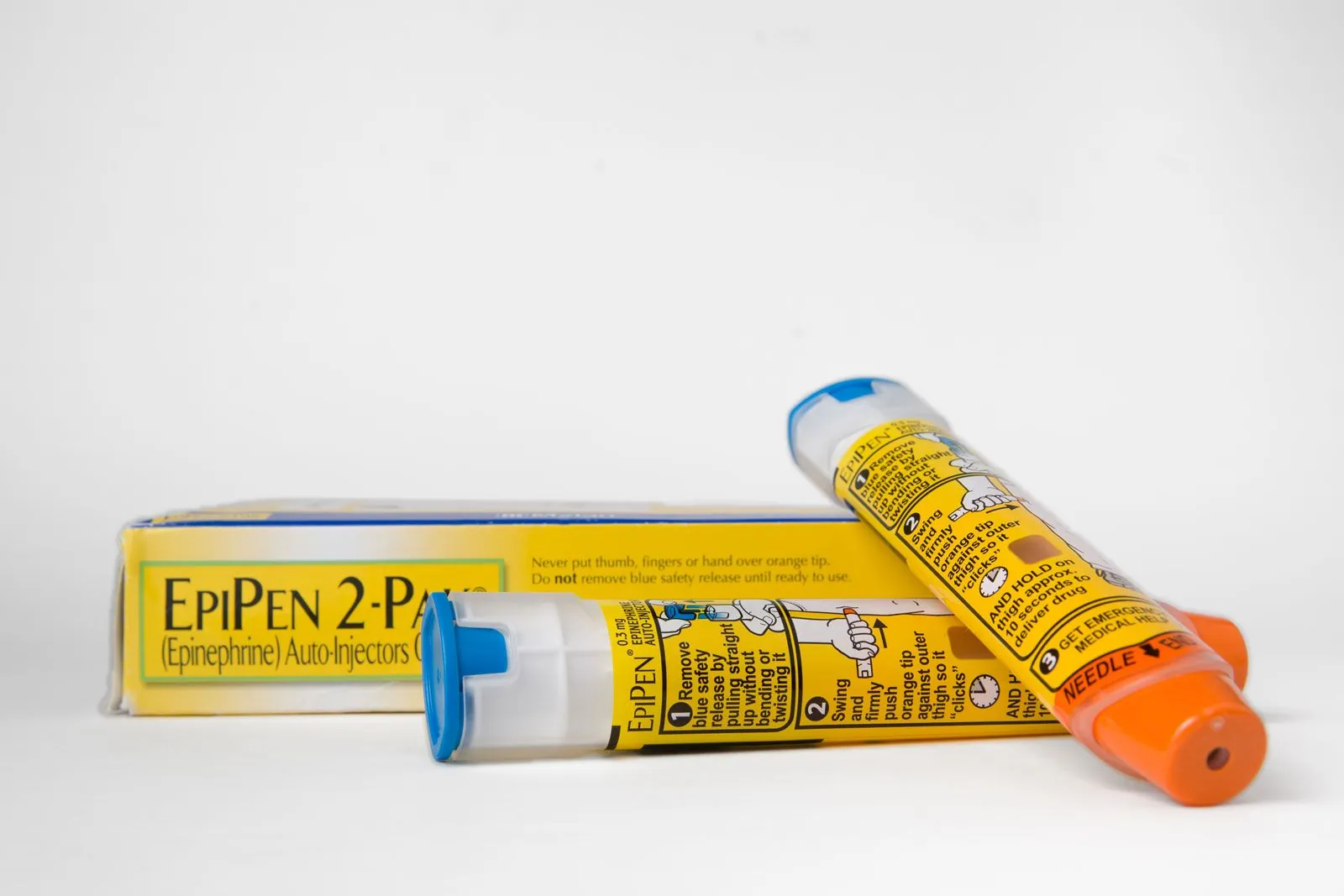
CDC says a healthcare provider may prescribe epinephrine and that a person who uses it still needs emergency medical care.[7] That second part is the one families forget under stress. Epinephrine is not the end of the episode; it is the bridge to emergency evaluation.
A useful written plan answers plain questions:
- Where are the auto-injectors kept at home, in the car, at church, or during errands?
- Who checks expiration dates and replaces used or expired devices?
- Which symptoms mean use epinephrine now?
- Who calls 911 or local emergency services after epinephrine is used?
- What should the caregiver say to dispatch: suspected allergic reaction, alpha-gal syndrome if known, epinephrine used, fainting or breathing symptoms if present, and the person’s age and major medical conditions?
- Who brings the medication list, allergy list, and food timeline to the emergency department?
The plan should be reviewed with the clinician who prescribed the epinephrine. Severe symptoms, fainting, trouble breathing, swelling, or blood-pressure concerns should push the family toward urgent or emergency care rather than home observation.[1][3][7]
The older-adult nutrition problem: avoiding meat without losing strength
Food restriction is not harmless in a frail or pre-frail older adult. A 2024 review on food allergies in older people warns that food restrictions can increase the risk of undernutrition, sarcopenia, and frailty, and it emphasizes nutritional counseling for older adults with food allergy.[9] That review is not an alpha-gal geriatric trial, so it should not be stretched into AGS-specific proof. It does support the practical concern: if a 75-year-old removes major protein and iron sources without a replacement plan, strength can suffer.

The replacement plan usually needs attention to three things: protein, iron, and vitamin B12. Exact choices depend on the person’s kidney function, swallowing ability, diabetes plan, budget, appetite, dental status, cooking access, and allergy profile. Common non-mammalian options may include poultry, fish, eggs, beans, lentils, tofu, nuts or nut butters, seeds, fortified foods, and clinician-recommended supplements when appropriate.
| Nutrient concern | Caregiver question to ask |
|---|---|
| Protein | What will replace the protein that used to come from beef, pork, lamb, or other mammalian meat? |
| Iron | Is the older adult getting enough iron from tolerated foods, fortified foods, or clinician-guided supplementation if needed? |
| Vitamin B12 | If meat intake drops sharply, does the clinician want a B12 level checked or a supplement considered? |
| Calories | Has the person lost weight because the “safe” diet became too narrow or unappealing? |
| Meal timing | Are nausea, diarrhea, or fear of reactions causing skipped meals, weakness, or more nighttime bathroom trips? |
This is also where the care team should watch for a quiet slide: fewer food choices, less appetite, less walking, more chair time, weaker legs, and then a fall that gets blamed on “age.” Allergy safety and strength preservation have to be managed together.
When to bring up alpha-gal with a clinician
Bring up alpha-gal syndrome when the pattern repeats: unexplained hives, itching, swelling, stomach pain, diarrhea, vomiting, heartburn, dizziness, faintness, or collapse that appears hours after meals, especially meals involving mammalian meat or related ingredients. Bring it up sooner if the episode included breathing trouble, fainting, swelling, or signs of low blood pressure.
Ask specifically whether the history fits alpha-gal syndrome and whether an alpha-gal specific IgE blood test or referral to an allergist is appropriate. Do not treat a positive blood test as the whole answer. CDC is explicit that a positive alpha-gal IgE test alone is not a diagnosis, and that testing people who have no symptoms is not recommended.[5]
For older adults with heart disease, lung disease, a history of fainting, blood-pressure problems, or multiple medications, the threshold for a clinician-reviewed emergency plan should be low. The older-adult food-allergy review found that in a European series of food-induced anaphylaxis in people 60 and older, mammalian meat and offal were the most frequent trigger at 16.2%, and chronic cardiomyopathy was associated with higher odds of grade III–IV severity, with an odds ratio of 3.4.[9] That is not a prediction for one individual with suspected AGS, but it is a reminder that severe food-allergy episodes in older adults deserve respect.
The practical threshold
If an older adult has repeated unexplained nighttime hives, GI distress, dizziness, faintness, or collapse after meals, document the meal-to-symptom timing. Write down what was eaten, when symptoms started, what symptoms appeared first, whether there was a fall or near-fall, and whether mammalian meat, broth, gelatin, dairy, medication, vaccine, or supplement exposure could be relevant.
Then ask a clinician or allergist about alpha-gal syndrome testing and management. The safer plan is not just “avoid steak.” It is a written system for confirmed triggers, hidden exposures, new tick-bite prevention, epinephrine and emergency care, and enough protein, iron, B12, and calories to keep the person steady on their feet.
References
- Symptoms of Alpha-gal Syndrome, CDC
- About Alpha-gal Syndrome, CDC
- Alpha-gal Syndrome (AGS), New York State Department of Health
- Diagnosis & management of alpha-gal syndrome: lessons from 2,500 patients, Commins, 2020
- Clinical Diagnosis and Testing, CDC
- Alpha-gal syndrome - Diagnosis and treatment, Mayo Clinic
- Managing Alpha-gal Syndrome, CDC
- Alpha-gal Syndrome (AGS), Yale Medicine
- Food allergies in older people: An emerging health problem, Azzolino et al., 2024
Related reading
Noticed something outdated or inaccurate on this page? Flag a correction. We review every report against CDC, NIA, and AARP HomeFit guidance before updating a page.
Part of the Fall Prevention section.