
STEADI: intervene
Post-Hurricane Fall Prevention for Seniors and Caregivers
After a hurricane passes, older adults face a hidden spike in fall risk from power-outage darkness, floodwater debris, and compromised home fixtures. This guide reveals the post-storm dangers that typical checklists miss and provides caregivers with specific actions to prevent falls during the recovery phase.
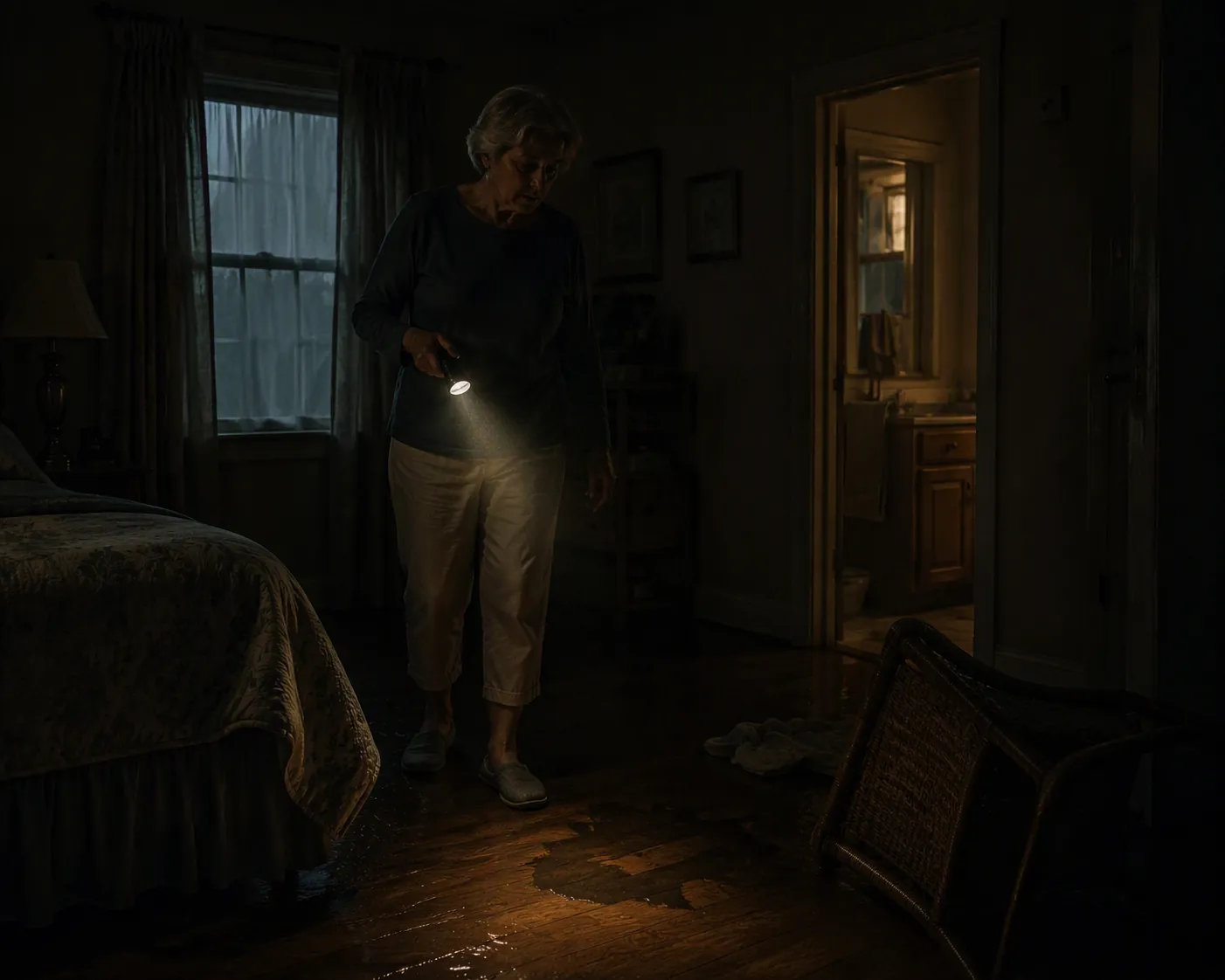
The hurricane is over, the house is quiet, and that is when the next accident can start. An older adult wakes up at 2 a.m., reaches for the walker, and finds it is not where it always sits. The power is still out. The hallway that used to be traveled by memory is now black. A chair was moved away from a leaking window. A damp patch near the bathroom threshold does not shine because there is no light to catch it.
Most hurricane safety tips for seniors and caregivers spend their energy on the right things before and during the storm: evacuation decisions, emergency kits, medication lists, charged phones, and weather alerts. Those still matter. But after landfall, fall risk changes shape. A familiar home can become unfamiliar in a few hours, and older adults often try to walk through it before anyone has checked what moved, broke, soaked through, or went dark.
The Post-Storm Fall Window Starts Before Cleanup
The first hours and days after a hurricane are not just a return to normal life with some inconvenience added. They are a separate safety phase. Power may be out. Floors may be wet. Furniture may have shifted. Outdoor debris may block the safest entrance. A caregiver may be in another town, trying to judge conditions through phone calls from a parent who does not want to sound helpless.
This is not a rare edge case. The National Weather Service says an average of three hurricanes strike the U.S. coastline during a typical two-year period, which means post-storm caregiving is a recurring practical problem for families in hurricane-prone regions, not an unusual disaster scenario.[1]
If you need the before-and-during-storm planning pieces, use a dedicated hurricane preparedness checklist for elderly adults living alone. This article starts later, when the wind has quieted and the older adult is most tempted to resume old walking patterns inside a changed space.
Darkness Turns a Memorized Home Into a New Floor Plan
The clearest post-hurricane fall mechanism is loss of ambient light. In a study of older adults during the 2003 New York City blackout, Dominianni and colleagues found that falls were associated with power-outage conditions, including lack of flashlights and loss of normal lighting cues.[2] The study came from one urban blackout context, not from every hurricane setting, so it should not be stretched into a universal formula. But the mechanism is painfully familiar after storms: the route is known, the visual information is gone, and small hazards disappear into shadow.
The bedside-to-bathroom trip deserves special attention because it combines sleepiness, urgency, darkness, and habit. People do not usually stop to inspect a hallway at 2 a.m. They reach for the cane where it always leans. They step around the bed the way they did yesterday. If a towel, extension cord, battery lantern, pet bowl, or moved chair is now in that path, the fall happens before anyone thinks of the word “hurricane.”
Before an older adult sleeps in the home after a storm, someone should reset the nighttime route as if the person has never walked it before. That means light first, then floor, then supports.
- Put a working flashlight or lantern within reach from the bed, not across the room.
- Place a second light inside or just outside the bathroom so the return trip is also lit.
- Move the walker, cane, or rollator back to the exact side of the bed where the person expects it.
- Clear a full walking path, not just a narrow strip, because balance corrections need room.
- Check for damp thresholds, curled rugs, fallen objects, cords, and storm supplies left on the floor.
- If the route cannot be made safe, set up a temporary bedside commode or supervised toileting plan instead of asking the person to “be careful.”
A blackout-specific inspection can help here. A power outage fall-hazard walkthrough is useful after a hurricane because it forces the caregiver to look at the room the way the older adult will experience it when the lights fail.
Start the Walkthrough Where the Feet Will Go First
Do not begin with the garage, the yard, or the insurance photos if the older adult is already inside. Begin with the next necessary walk: bed to bathroom, chair to kitchen, kitchen to medication, front door to car. A post-storm fall inspection is not a general tour of damage. It is a route check.
| Route or Area | What Changed After the Storm | Caregiver Action Before Normal Walking Resumes |
|---|---|---|
| Bed to bathroom | Darkness, moved mobility aid, damp threshold, misplaced supplies | Restore lighting, return the walker or cane to its expected position, clear both directions of travel |
| Bathroom entrance | Wet floor, loose mat, stressed grab bar, swollen door frame | Dry the floor, remove loose mats, test supports by hand before the older adult uses them |
| Kitchen path | Coolers, bottled water, cords, extension lights, spilled food or ice | Move supplies off the walking line and create one wide, repeatable path |
| Entry and steps | Debris, mud, missing rail, changed step edge, poor visibility | Use another entrance if safer, add temporary lighting, and do not use damaged rails for weight support |
| Shelter sleeping area | Unfamiliar cot height, dark corridor, wet floors, crowded aisles | Choose a path near lighting and restrooms when possible, keep mobility aids beside the cot, and ask shelter staff about accessible routes |
Lighting Is Not Finished When One Lantern Works
A single lantern in the living room does not make the house safe. Light has to follow the actual route. Put it low enough to show floor edges and thresholds, but not where it becomes a trip hazard itself. Avoid running cords across walking paths. If battery lights are limited, use them for the bathroom route before using them for cleanup areas.
If the older adult uses a walker, light should show the floor ahead of the front legs. If the person uses a cane, light should reveal the landing spot of both the cane tip and the next footstep. A hallway that looks acceptable to a steady adult with a phone flashlight may still be unsafe for someone who needs two hands, bifocals, or a predictable grab point.
Floodwater and Debris Are Not Just Cleanup Problems
Floodwater creates a fall hazard before anyone slips. Even shallow water can hide glass, nails, branches, displaced objects, uneven flooring, and holes. The CDC warns that floodwater can contain contaminants and hazards, and post-storm safety guidance also includes electrical dangers around standing water.[3][4] For an older adult using a cane or walker, the danger is multiplied because the device can land on something unstable before the foot ever does.
This is where brave advice can become bad advice. Do not ask an older adult to wade through water to retrieve medicine, shoes, a cane, or paperwork. Do not send a caregiver into standing water without considering contamination, hidden debris, downed power lines, or local emergency instructions. If a route has water across it, the first decision is whether that route should be used at all.
- Treat wet rooms as closed until the walking surface is visible, dry enough for traction, and electrically safe.
- Keep mobility aids out of floodwater when possible; rubber tips can lose traction or pick up debris.
- Use another entrance if the usual one has mud, branches, shifted pavers, or water at the threshold.
- Photograph damage from a safe location instead of walking an older adult through it for documentation.
Grab Bars, Handrails, and Step Edges Need a Fresh Test
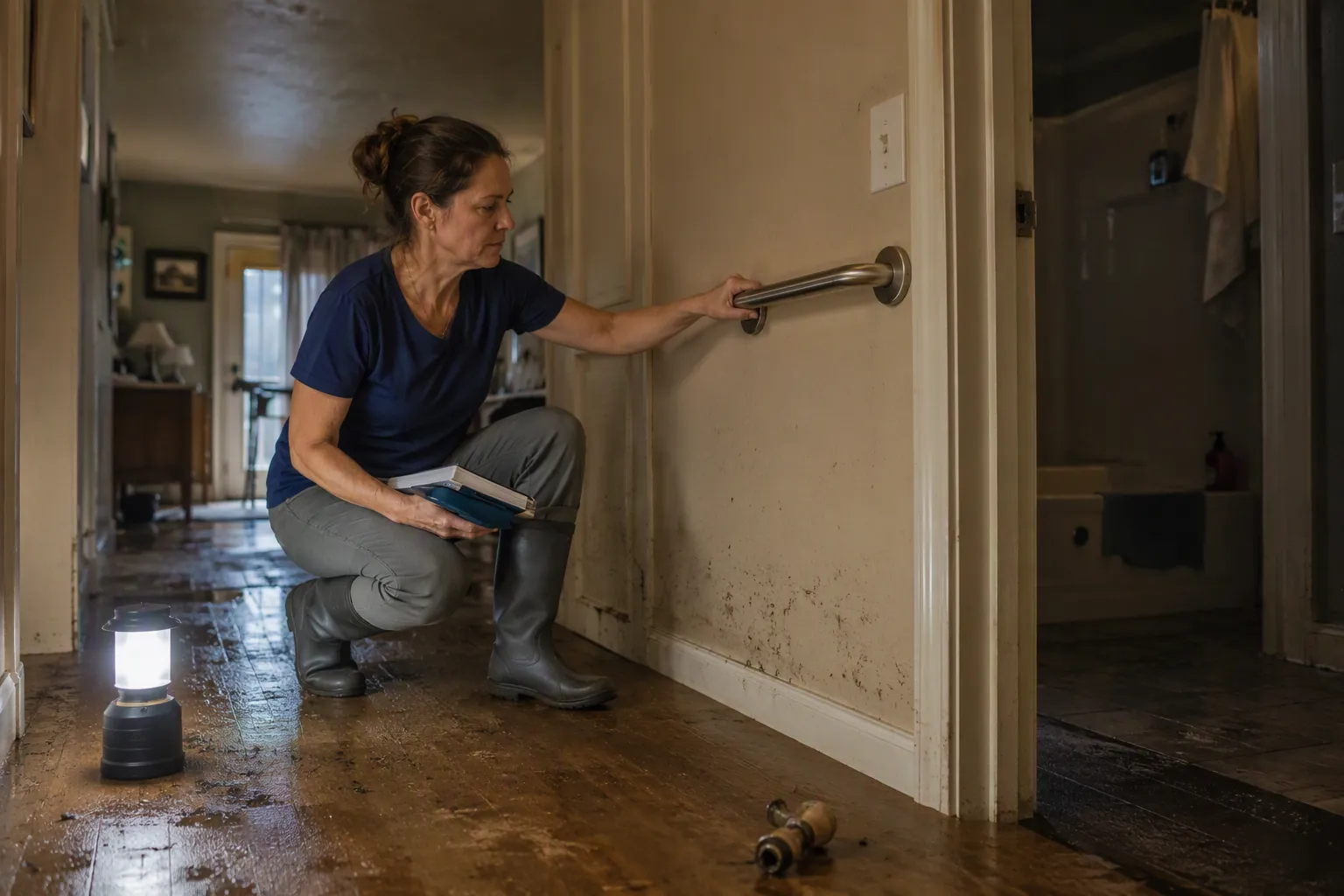
A grab bar that was safe before the hurricane should not be trusted automatically afterward. Wall moisture, rushed cleanup, shifted fixtures, and partial repairs can change what will hold weight. The same goes for porch rails, stair rails, shower chairs, raised toilet seats, and temporary ramps. If the older adult depends on it for balance, it needs a hand test before body weight goes on it.
Check the places where the person transitions: sitting to standing, bedroom to hallway, hallway to bathroom, inside to outside, step to landing. Falls often happen at these borders because the body is changing direction, surface, or height. After a hurricane, those borders may also be damp, warped, muddy, poorly lit, or visually changed.
Dehydration Can Show Up as a Balance Problem
After a storm, older adults may drink less because the bathroom is hard to reach, bottled water is being rationed, the house is hot, or they do not want to burden anyone. That choice can look small from the outside. It is not small for balance.
CDC post-hurricane guidance reports that dehydration hospitalizations among adults age 65 and older increase by nearly 80% after hurricanes.[3] That number should change how caregivers interpret unsteadiness. A parent who is “a little weak today” may not simply be tired from the storm. Heat, missed fluids, disrupted meals, and medication timing can all make standing and walking less reliable.
The practical check is plain: count drinking opportunities, not just bottles in the house. Put water where the person sits. Pair fluids with medication times if allowed by the medication instructions. Watch for dizziness when standing, new confusion, unusual sleepiness, dry mouth, reduced urination, or a sudden reluctance to walk. If symptoms are concerning, contact a clinician or local medical resource rather than trying to solve it as a housekeeping issue.
If the Older Adult Evacuated, Returning Home Is Its Own Fall Test
Returning home can feel like the safe ending, especially after days in a hotel, shelter, or relative’s house. For fall prevention, it is another transition. The older adult may be tired, underhydrated, sleeping poorly, and eager to prove independence. The house may smell normal from the doorway while the walking routes are still compromised.
If you are deciding whether and when a parent should return, use local emergency guidance first. Road closures, boil-water notices, electrical hazards, and reentry rules vary by place. A hurricane decision guide for Texas seniors can help frame the stay-or-go decision, but local officials and actual home conditions still control the answer.
When return is allowed, the older adult should not be the first person to walk the home alone. A caregiver, neighbor, building manager, or responder should check the primary routes first. If no one can inspect safely, the safer answer may be to delay return or arrange supervision rather than relying on a phone promise to “go slowly.”
Shelters Reduce Some Risks and Add Others
A shelter or temporary stay can be the right choice, but it does not erase fall risk. It changes the hazards. Cots may sit at an unfamiliar height. Restrooms may be farther away than at home. Aisles may be crowded. Floors near entrances may be wet from tracked-in rain. Nighttime lighting may be uneven. The older adult may hesitate to ask for help because everyone around them also looks tired.
Ask early for placement near a restroom, a wall, lighting, or an accessible route if those are available. Keep the walker or cane on the same side of the cot every time. Put shoes, glasses, hearing aids, water, and a flashlight within reach before sleep. If the person normally uses a raised toilet seat, shower chair, or bedside commode, do not assume the temporary setting has an equivalent.
The First Hours to Days: A Caregiver Sequence
The order matters because fatigue and urgency make people skip the boring checks. Use this sequence before the older adult resumes normal movement through the home.
- Confirm the person’s location and immediate medical status. Ask whether they have fallen, nearly fallen, felt dizzy, missed medication, or gone without fluids.
- Check power and lighting on the actual walking routes. Do not accept “we have a flashlight somewhere” as a safety plan.
- Clear the bed-to-bathroom route before nighttime. Place mobility aids, lights, shoes, glasses, and water where the person can reach them without standing.
- Inspect floors before cleanup traffic spreads the mess. Look for water, mud, curled rugs, broken glass, extension cords, loose thresholds, and shifted furniture.
- Test supports. Pull gently on grab bars and handrails, check shower seating, and avoid any fixture that moves, creaks, or shows water damage.
- Close unsafe areas. A closed door, chair barrier, or clear verbal rule is better than hoping the person remembers which room is wet.
- Rebuild routines. Put meals, fluids, medications, toileting, charging, and rest on a visible schedule so the older adult is not improvising while tired.
- Reassess over several days. A route that was dry in the morning may be slippery by evening, and fatigue often increases after the first burst of cleanup.
For a broader outage plan, a senior power outage fall prevention checklist can support the lighting and route-reset parts of this sequence. The hurricane-specific difference is that darkness may be combined with water damage, debris, heat, evacuation fatigue, and disrupted care.
Medication, Documents, and Supplies Still Matter After the Wind Stops
Preparedness supplies are not the center of this article, but they affect post-storm falls when they determine whether someone must walk across an unsafe room. The American Red Cross advises older adults to prepare for emergencies with steps that include medication planning and important documents, and it recommends keeping at least a 30-day supply of medications when possible.[5] That kind of preparation can prevent the risky post-storm errand: crossing a wet house for a pill bottle, stepping outside for paperwork, or returning too soon because a prescription was left behind.
If supplies were packed before the storm, unpack them deliberately after the storm. Do not leave go-bags, water cases, chargers, oxygen tubing, extension cords, or cooler lids in walking paths. A well-stocked home can still become a fall trap if every useful item lands on the floor.
Reassess the Person, Not Just the Property
The home inspection is only half the job. The older adult may have changed too. A person who walked steadily before the storm may now be sleep-deprived, dehydrated, anxious, overheated, underfed, or stiff from sitting in a car or shelter. Someone who usually uses furniture for balance may find the furniture moved. Someone with mild vision impairment may be managing glare by day and darkness by night.
Use a fresh fall-risk conversation instead of relying on last month’s routine. Ask about dizziness, near falls, new pain, missed medications, numbness, weakness, vision changes, and fear of walking through damaged areas. Fear matters because it changes behavior: people may rush, freeze, avoid drinking to reduce bathroom trips, or walk without a device because they do not want to look dependent in front of neighbors or shelter staff.
If the older adult already had balance problems, neuropathy, dementia, low vision, recent surgery, or a previous fall, treat the hurricane as a reason to reassess rather than as an interruption to the old plan. A clinician, physical therapist, occupational therapist, or local aging-services agency may be able to help after immediate emergency conditions are addressed.
The Standard After a Hurricane
Once the hurricane passes, do not assume the old fall-prevention plan still holds. Recheck the light, the floor, the route, the mobility aid, the grab points, the water intake, and the temporary sleeping arrangement. Until those have been inspected, the home is not the same home the older adult safely navigated before the storm.
References
- Hurricane Safety, National Weather Service, https://www.weather.gov/safety/hurricane
- Power outage preparedness and concern among vulnerable New York City residents, https://pmc.ncbi.nlm.nih.gov/articles/PMC6181821/
- How to Safely Stay Safe After a Hurricane or Other Tropical Storm, CDC, https://www.cdc.gov/hurricanes/safety/how-to-safely-stay-safe-after-a-hurricane-or-other-tropical-storm.html
- Hurricane Safety, CDC, https://www.cdc.gov/hurricanes/safety/index.html
- Older Adults, American Red Cross, https://www.redcross.org/get-help/how-to-prepare-for-emergencies/older-adults.html
Related reading
Noticed something outdated or inaccurate on this page? Flag a correction. We review every report against CDC, NIA, and AARP HomeFit guidance before updating a page.
Part of the Fall Prevention section.