
STEADI: Intervene
Recalled Hand Warmers Put Seniors at Risk – Here's What to Do
A major recall of OCOOPA rechargeable hand warmers has been issued after overheating caused fires, burns, and one senior death. Learn how to check if your parent's device is affected, what steps to take immediately, and why seniors face greater harm from these devices.
If there is an OCOOPA rechargeable hand warmer in your parent’s kitchen drawer, coat pocket, walker basket, nightstand, or plugged into a charger, stop using and charging it before you check anything else. On July 30, 2026, the U.S. Consumer Product Safety Commission announced a recall of about 1.5 million OCOOPA rechargeable hand warmers because they can overheat, causing fire and burn hazards, including one reported death of an 83-year-old consumer in San Diego in February 2026.[1]
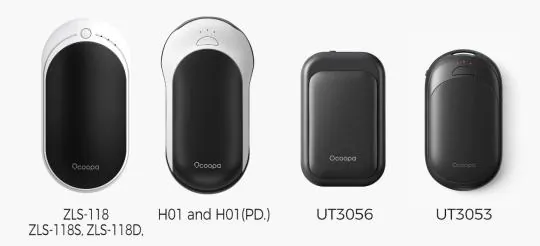
The recalled OCOOPA hand warmers to look for
The recall covers only specific OCOOPA rechargeable models, not every hand warmer and not disposable chemical warmers. The affected model numbers are UT3053, UT3056, ZLS-118, ZLS-118S, ZLS-118D, H01, and H01(PD). CPSC says the model number and a three-digit batch number are printed on the underside of the product.[1]
| Sorting fact | What to look for |
|---|---|
| Brand and product type | OCOOPA rechargeable hand warmer |
| Recalled model numbers | UT3053; UT3056; ZLS-118; ZLS-118S; ZLS-118D; H01; H01(PD) |
| Label location | Underside of the hand warmer |
| Other identifier | Three-digit batch number printed with the model information |
| Sales window | September 2018 through May 2026 |
| Where sold | Amazon.com, Ocoopa.com, Ocoopa.net, and Walmart.com |
| Typical price | $15 to $60 |
That sales window matters in a real home. A device bought years ago may no longer have its box, order confirmation, or charging cable. If someone gave your parent a hand warmer for a winter birthday, bought a pair for outdoor walks, or tucked one into a holiday package, it is still worth checking if it came from Amazon.com, Ocoopa.com, Ocoopa.net, or Walmart.com between September 2018 and May 2026.[1]
Do this before the next charging cycle
Start by taking the warmer out of service. If it is sitting on a charger or in a power strip, unplug it if you can do that safely. Do not turn it on “just to see” whether it still works. Do not leave it beside a bed, under a blanket, in a coat pocket, or in a basket where it can be picked up by habit.
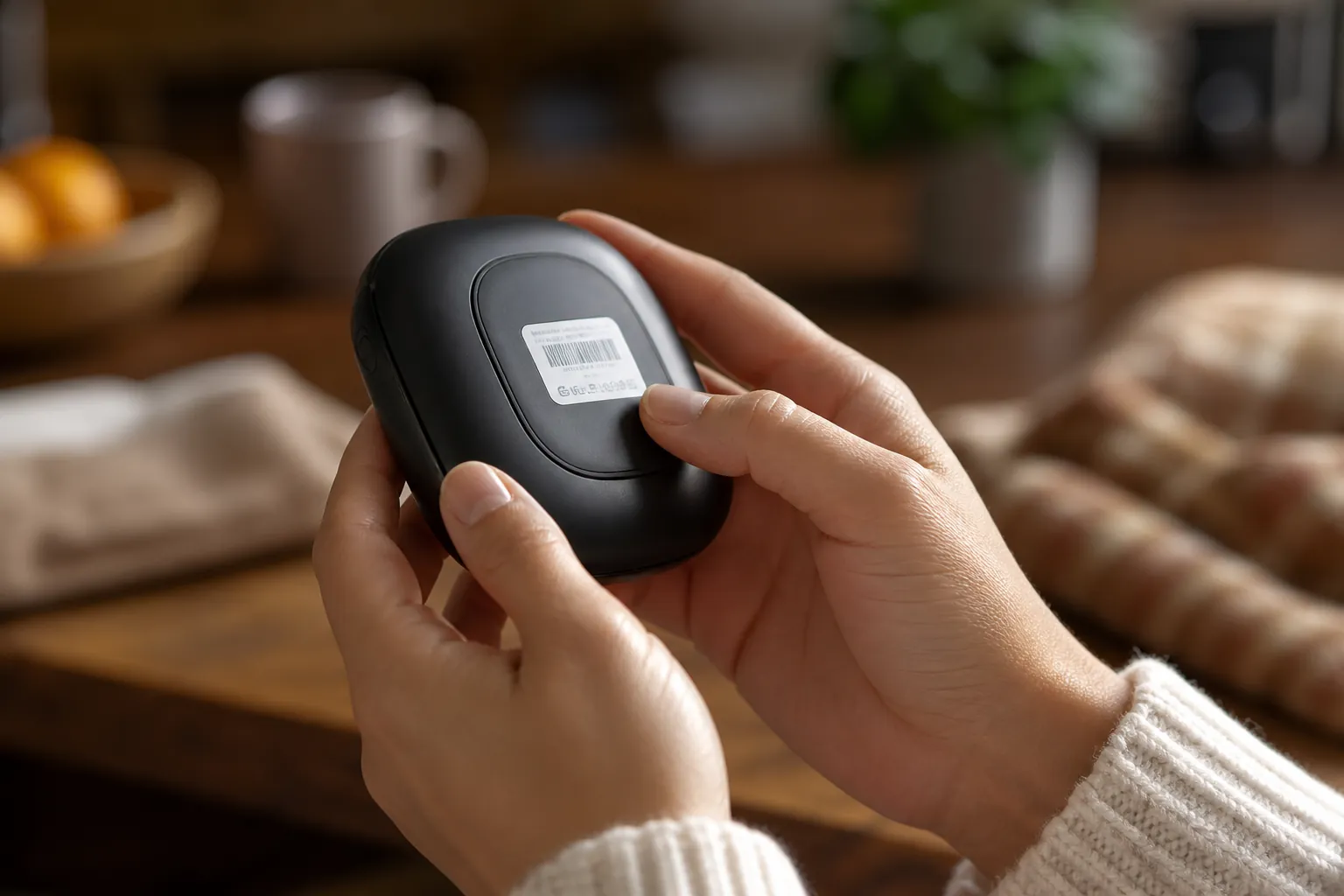
Check every warmer, not just the obvious one
Turn the device over and look for the underside label. You need both the model number and the three-digit batch number for the recall process. If your parent owns two warmers, check both. If there is one in the car, one in a coat, and one in a bedside drawer, treat them as separate devices until each label has been checked.
Color, shape, and memory are not enough. A caregiver may remember buying “a black rechargeable warmer” and still not know whether it is one of the seven affected models. The model number printed on the product is the sorting fact.
Mark it and photograph it for the refund
For a recalled unit, CPSC’s remedy instructions say to write “RECALLED” on the hand warmer in permanent marker and submit a photo showing that marking, the model number, and the batch number through OCOOPA’s recall page at ocoopa.com/pages/product-recalls. As last verified on August 1, 2026, the recall remedy is a refund.[1]
The photo step is easy to fumble if the label is tiny. Put the warmer under bright light, wipe dust off the underside, and take more than one picture before you put the device away for disposal. If the older adult has more than one recalled unit, photograph each unit separately so the model and batch number do not get mixed up.
Dispose of it as a lithium-ion hazardous-waste item
After you have documented the recalled unit for the refund, do not put it in household trash, curbside recycling, or a regular retail battery-recycling box. CPSC instructs consumers to dispose of the hand warmers according to local and state regulations for lithium-ion battery disposal.[1]
In practice, that usually means checking your city, county, or waste authority’s household hazardous waste program and following its rules for rechargeable lithium-ion devices. If the first person you call gives a vague answer, ask specifically about a recalled lithium-ion battery product, not just “a hand warmer.”
Report overheating, fire, burns, or injury
If the hand warmer overheated, smoked, caught fire, caused a burn, or led to any injury, report the incident to CPSC at SaferProducts.gov or by calling 800-638-2772. The recall notice lists 1,480 reports of overheating, 15 reports of fires, 350 burn injuries, and one death.[1]
A burn on an older adult’s hand, leg, or torso should not be brushed off as a small red mark if there was heat, blistering, broken skin, worsening pain, numbness, or confusion about what happened. The recall claim and the injury report can wait until the person is safe.
Why seniors face greater harm from an overheating warmer
The senior-specific concern is not that an older adult is careless with a gadget. It is that the body may give a slower warning, and the home may give fewer safe margins. CPSC’s Older Adult Safety materials say adults 65 and older experience hundreds of thousands of emergency-room-treated consumer-product injuries each year, and fire remains one of the leading causes of death for older adults.[2]
Massachusetts fire-safety guidance puts the fire risk bluntly: adults 65 and older are more than twice as likely to die in a fire as the population as a whole.[3] A hand warmer is not a house fire by itself, but the recall hazard includes overheating and fires. If a device ignites near bedding, clothing, oxygen equipment, paper clutter, or a crowded charging strip, the older adult may have less time and less mobility to respond.
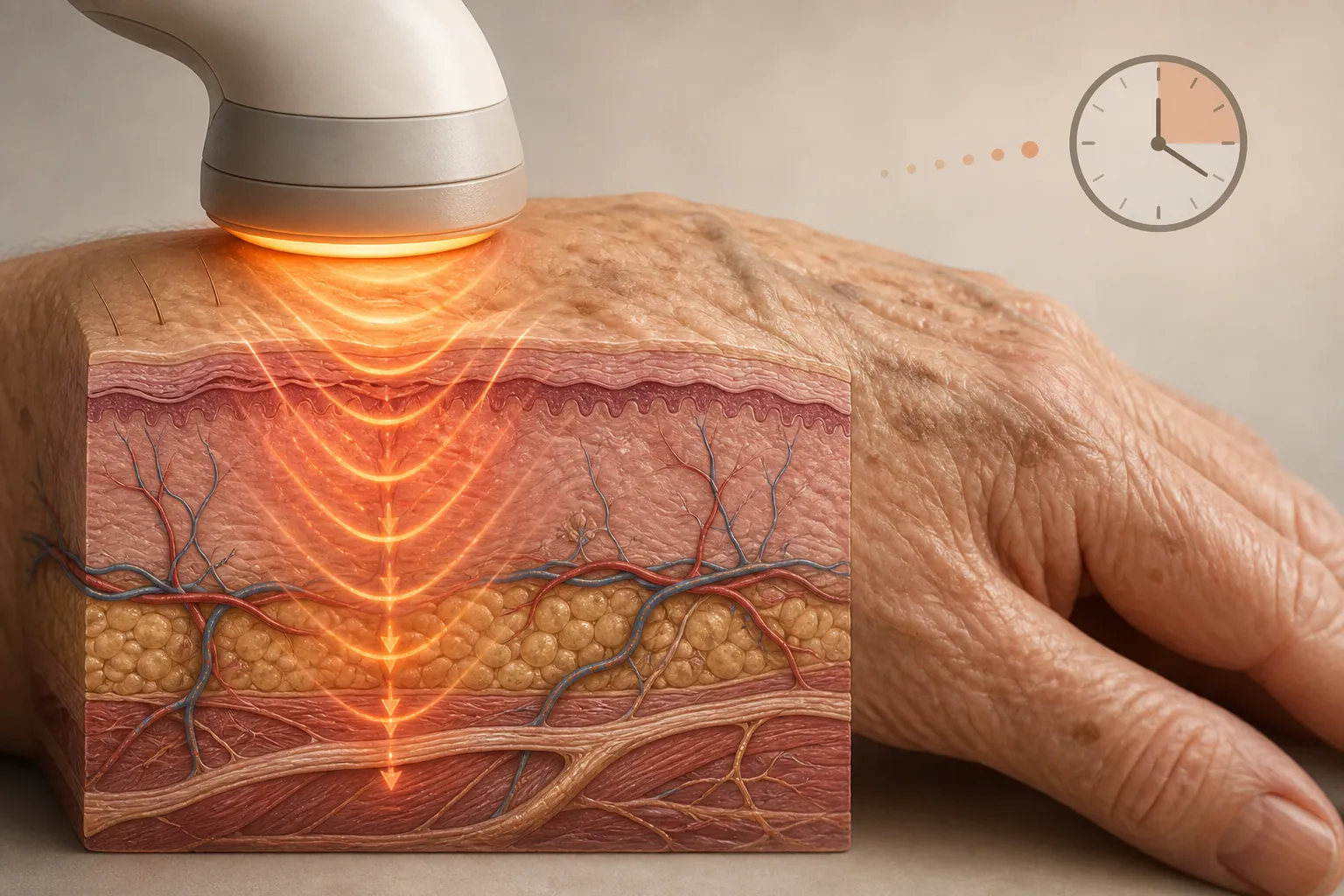
Burn depth is the other problem. Senior burn-prevention guidance points to factors such as thinner skin, reduced sensation, medical conditions, and slower response to heat as reasons older adults can suffer more serious burns.[4] Neuropathy, poor circulation, arthritis, medication effects, or cognitive changes can mean a person does not move the warmer away quickly, or cannot easily remove it once it is tucked into clothing or pressed under a blanket.
One clinical warning reported by Taipei Times described burns occurring when a roughly 45°C hand warmer was pressed against skin for 15 to 20 minutes. That example is useful as burn-mechanism context, not as a U.S. recall threshold or a universal rule for every device.[5] The practical lesson is simpler: if an older person cannot reliably feel, reach, remove, and report the heat, “just keep an eye on it” is not a safety plan.
What not to overread from this recall
This recall does not prove that every rechargeable hand warmer is defective, and it does not cover disposable chemical hand warmers. The named recall covers the seven OCOOPA rechargeable models listed above. If the product in your parent’s home is a different brand or a different OCOOPA model, this particular CPSC recall may not apply to it.[1]
It is also a new recall. The notice was issued July 30, 2026, and the remedy details in this article were last checked on August 1, 2026. If you are filing a claim after that date, use the current instructions on OCOOPA’s recall page and the CPSC recall page, especially before mailing, discarding, or replacing anything.
After the hand warmer is handled, widen the safety sweep
Once the recalled device is out of use, the same five-minute search can catch other small hazards: overloaded charging strips, frayed cords, heating pads left on beds, loose rugs near an exit route, or mobility aids parked where someone would need to move quickly. Fires, burns, hurried escape, and emergency-room injuries overlap with aging-at-home safety even when the first warning comes from one small gadget.
CareWise Guide usually talks about heat as a summer fall-risk problem: extreme heat and fall risk, senior heat-wave preparedness, and fall prevention during extreme heat warnings. This recall is the winter-device mirror: heat close to the body, reduced sensation, and a delayed reaction can turn a comfort item into an injury.
If this search turns into a bigger home walkthrough, start with the changes that remove the most immediate risk. These guides can help you decide how to prioritize aging-in-place modifications, use a room-by-room home modification priority guide, and think through what aging-in-place modifications cost and save. For the recalled OCOOPA warmer itself, though, the job is narrower: stop use, verify the model, document the unit, claim the remedy, and dispose of it through the proper hazardous-waste route.
References
- OCOOPA Direct Recalls 1.5 Million Rechargeable Hand Warmers Due to Risk of Serious Injury or Death from Fire and Burn Hazards; One Death Reported; Imported by Shenzhen Street Cat Technology — U.S. Consumer Product Safety Commission, July 30, 2026
- Older Adult Safety — U.S. Consumer Product Safety Commission
- Fire and Burn Safety for Older Adults — Mass.gov
- Burn Prevention for Seniors — Allegheny Health Network
- Risk of burns from hand warmers prompts warning — Taipei Times, January 7, 2023
Related reading
Noticed something outdated or inaccurate on this page? Flag a correction. We review every report against CDC, NIA, and AARP HomeFit guidance before updating a page.
Part of the Fall Prevention section.