
Flagship section
Fall Prevention
The flagship section, built directly on the CDC STEADI screen-assess-intervene model. Contains the fall risk screening quiz, the post-fall decision tree for active crisis situations (conscious/responsive checks, when to call 911 vs. urgent care, what to watch for in the following 72 hours), risk-factor explainers (medication side effects, vision, balance), and numbered warning-sign guides. This is the only group that owns crisis-path content; modification and mobility groups link back here rather than duplicating triage guidance.
Plan ahead
other
 —
—Does Florida's Purple Alert Apply to Missing Seniors with Dementia?
Florida's Purple Alert explicitly excludes people with Alzheimer's disease and other dementias. This article explains the critical difference between the Purple Alert and Silver Alert systems, what to do if a loved one wanders, and why relying on the wrong alert can delay a rescue.
 —
—How to Talk to a Parent About Memory Care: A 7-Step Conversation Guide for Families
A compassionate, evidence-based guide for adult children navigating the emotional conversation about transitioning a parent with mid-stage dementia to memory care. Covers the clinical signals that indicate it's time, a structured 7-step talking framework, cost realities, payment options, and what to look for in a community.
 —
—How to Reduce CO2 Exposure at Home for Dementia Prevention
A practical, room-by-room guide for caregivers on reducing indoor CO2 levels using simple interventions like strategic window use, exhaust fans, air purifiers, and CO2 monitors — an emerging modifiable risk factor that may help protect an older adult's brain health.
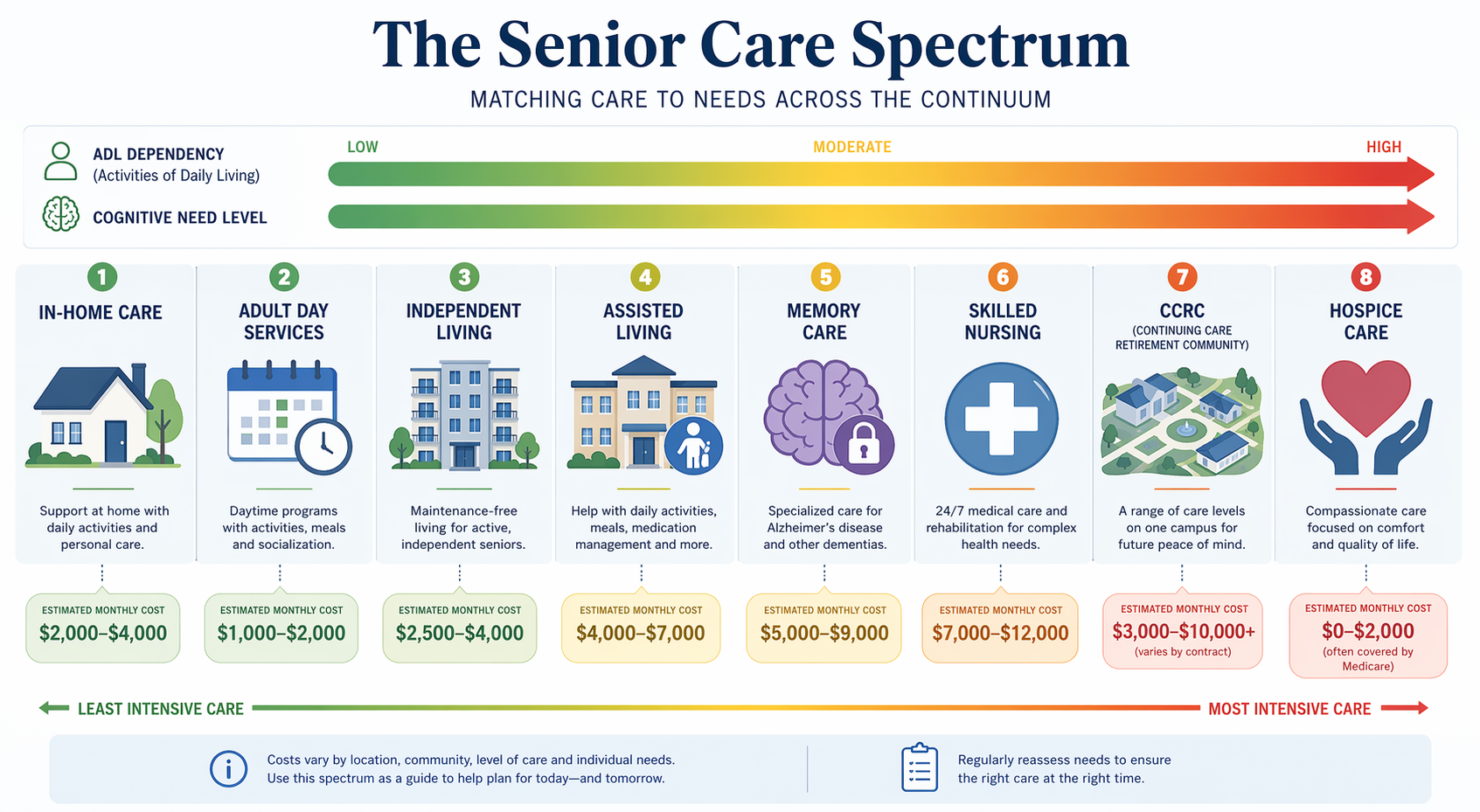 —
—Senior Care Options in 2026: A Cost Reality Check for Families
Adult children and spousal caregivers often underestimate annual senior care expenses by tens of thousands of dollars. This article provides a comprehensive 2026 cost reality check across all eight care types, including state-by-state data, pricing model traps, and a breakdown of payment sources to help families plan proactively.
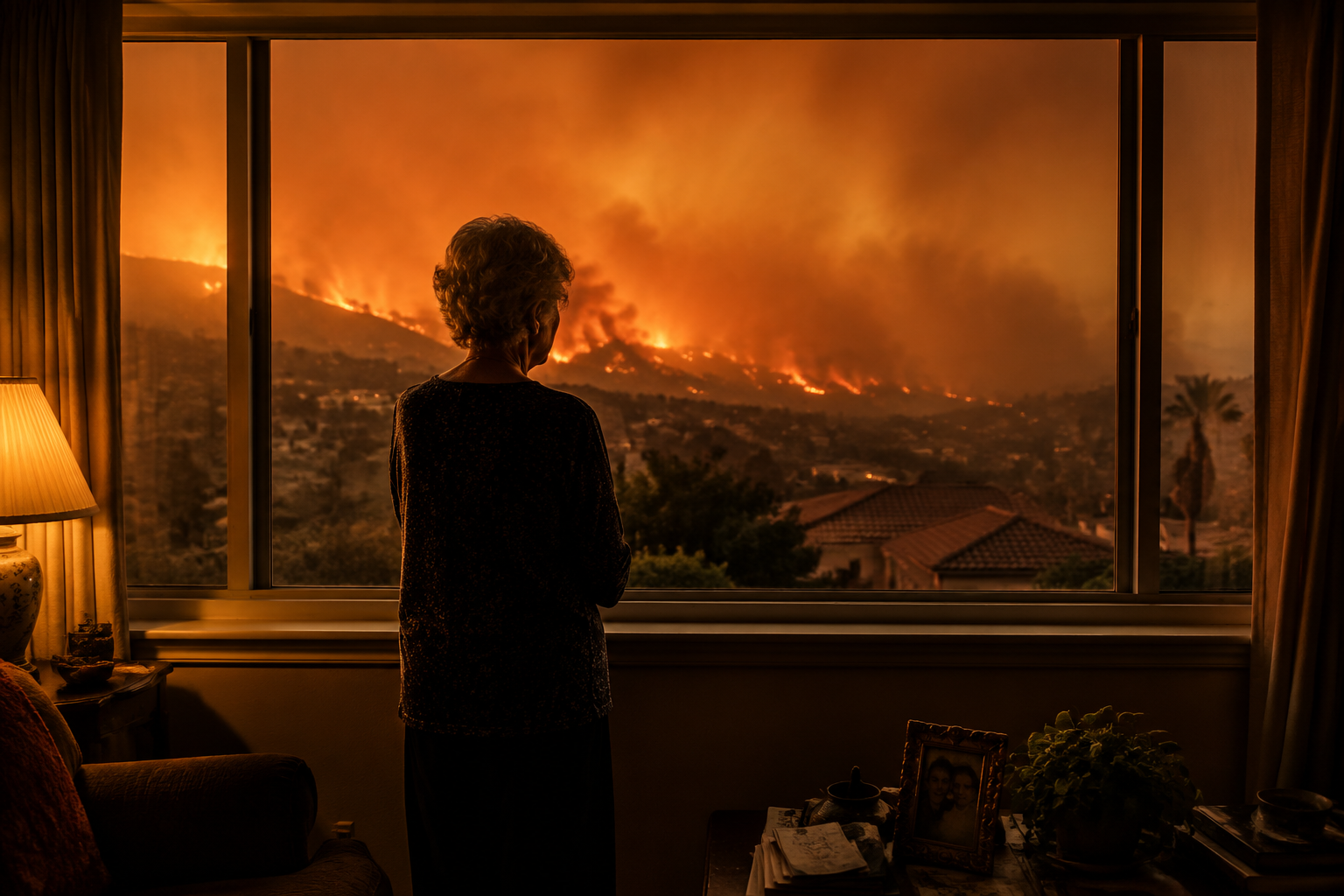 —
—Why Wildfire Smoke Is More Dangerous for People Over 65
Wildfire smoke poses a disproportionate threat to older adults. This article explains the physiological reasons, presents the latest evidence on mortality and indoor air failures, and equips caregivers with the facts needed to take protective action seriously.
 —
—The Worst U.S. Cities for Air Quality and Senior Fall Risk
Identify the worst U.S. cities for air quality in 2026, learn why pollution is a direct fall-risk factor for seniors, and get a practical framework for evaluating your parent's living environment.
 —
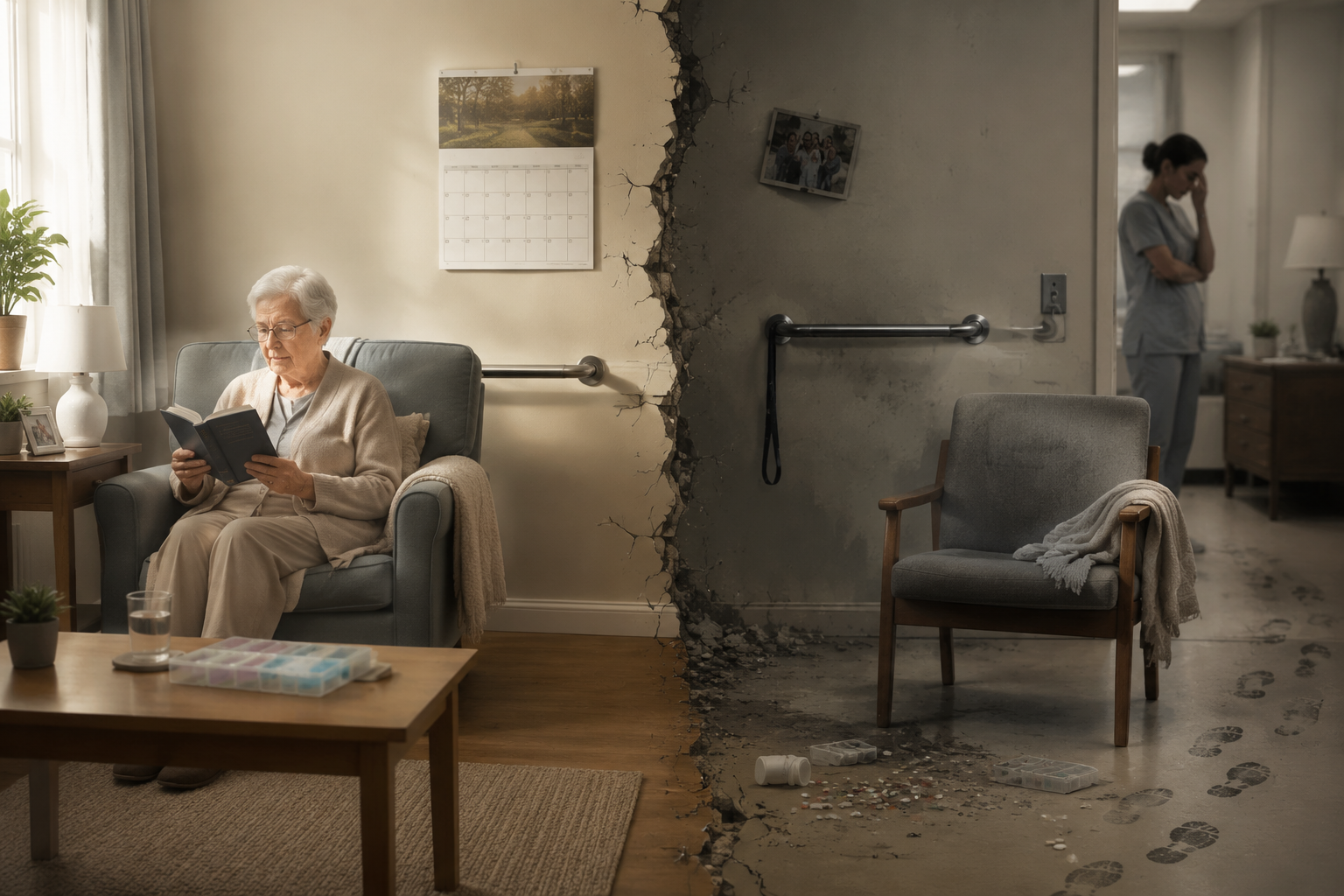
—The 6-Phase Caregiver Transition: A Stage-Based Roadmap for Adult Children Caring for Aging Parents
This article provides a stage-based roadmap for adult children who have recently noticed their parent struggling with medications, bills, weight loss, or falls. It names six predictable phases — from recognizing the first signs to caring for yourself — to reduce overwhelm and help you act sooner, with practical conversation scripts, legal scaffolding steps, and data on what caregiving actually looks like day to day.
 —
—How Dementia Changes the Senior Care Equation: A Family Guide
A dementia diagnosis transforms every senior care decision — from home safety to residential placement. This guide helps families understand disease-stage realities, the true cost picture, and the care continuum so they can plan proactively rather than react in crisis.
 —
—Daily Diet Soda Linked to Cognitive Decline in Older Adults
Multiple large studies show a consistent link between daily diet soda and faster cognitive decline, but the evidence is more nuanced than headlines suggest. This article breaks down what the research actually means for family caregivers and when to consider a conversation about reducing intake.
 —
—The Unspoken Transition: What Changes When Alzheimer's Moves From Early to Middle Stage
A practical roadmap for family caregivers navigating the shift from early to middle-stage Alzheimer's. Learn to recognize the five key inflection points—driving cessation, hygiene dependence, wandering risk, communication changes, and leaving alone—and get actionable checklists for each transition.
 —
—When Roles Reverse: Navigating the Emotional Shift as You Care for Aging Parents
This guide helps adult children understand the emotional transition from being a parent's child to their caregiver, offering a framework to navigate grief, guilt, and the redefinition of the relationship as the foundation for sustainable caregiving.
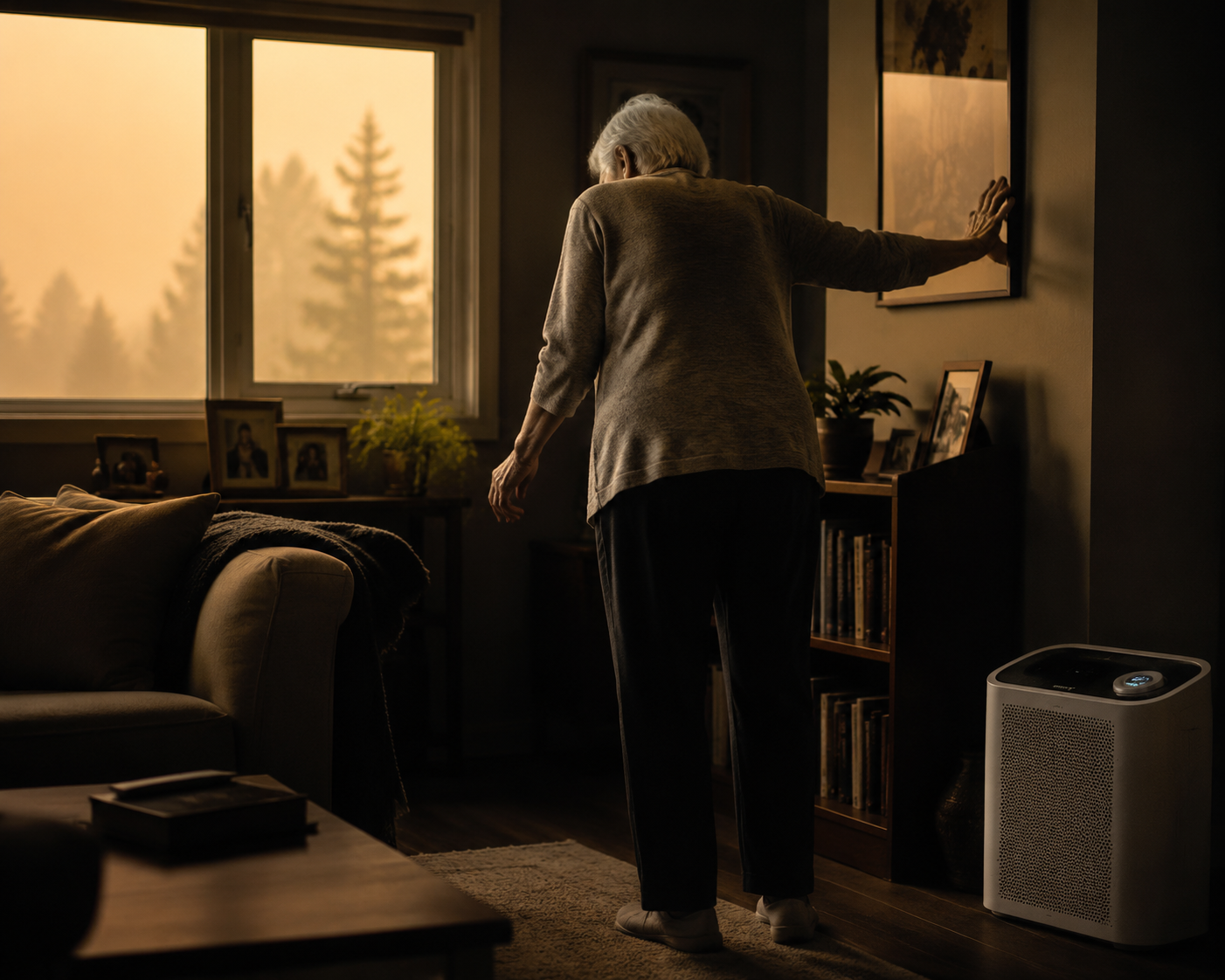 —
—How Wildfire Smoke Creates a Hidden Fall Hazard for Seniors
Wildfire smoke can cause dizziness, fatigue, and cognitive clouding in older adults—each a documented fall risk. Learn how to protect your parent from both smoke inhalation and the unexpected fall hazards that come with it.