
Flagship section
Fall Prevention
The flagship section, built directly on the CDC STEADI screen-assess-intervene model. Contains the fall risk screening quiz, the post-fall decision tree for active crisis situations (conscious/responsive checks, when to call 911 vs. urgent care, what to watch for in the following 72 hours), risk-factor explainers (medication side effects, vision, balance), and numbered warning-sign guides. This is the only group that owns crisis-path content; modification and mobility groups link back here rather than duplicating triage guidance.
Plan ahead
other
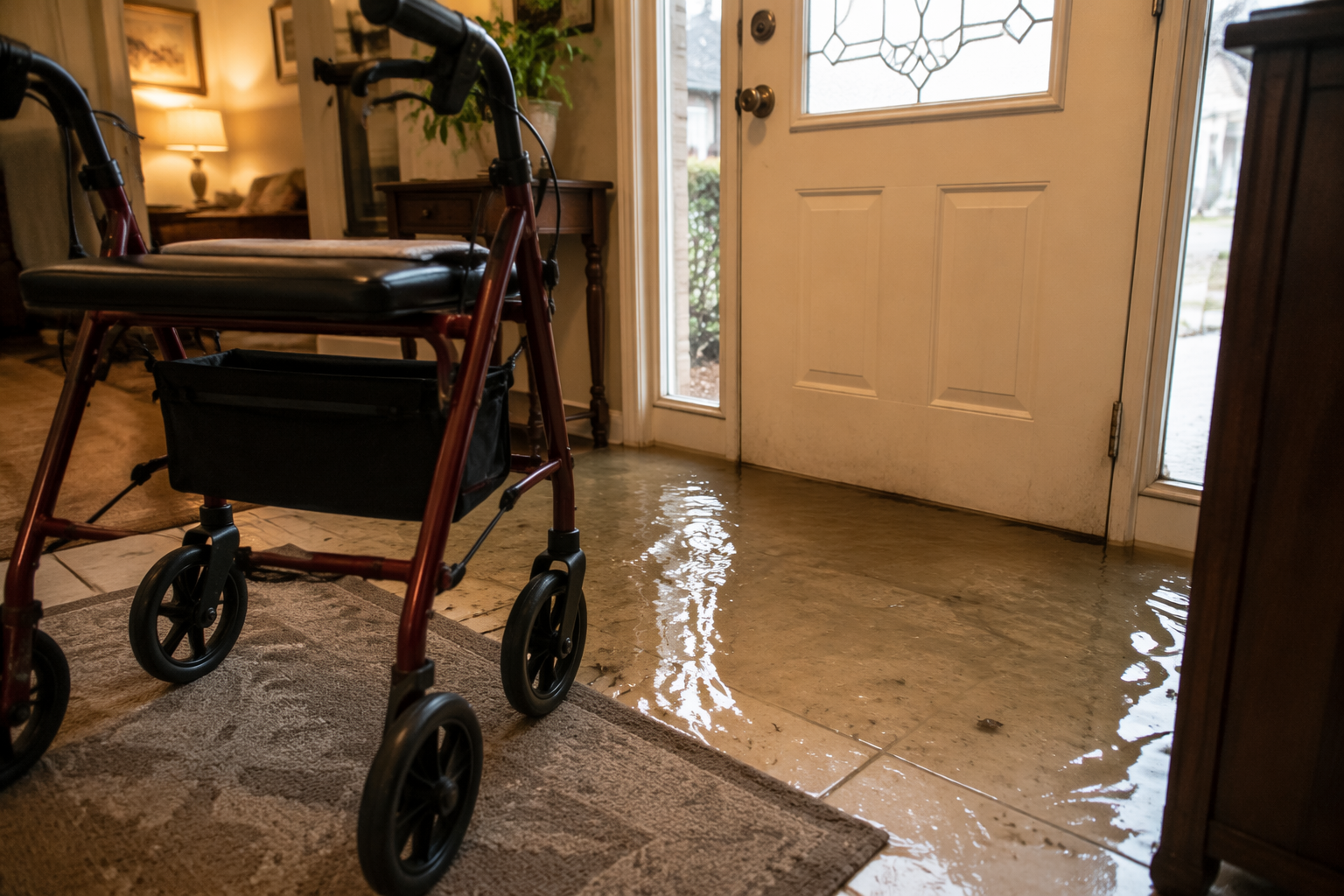 —
—How to Prepare for Floods and Prevent Falls in Older Adults
Floods create hidden fall hazards for older adults that standard preparedness guides miss. This article explains the specific risks — from flooded entryways to disabled mobility aids — and gives caregivers phase-specific actions to prevent falls before, during, and after a flood.
 —
—Cool seniors without AC and prevent falls during heat waves
Learn why heat waves increase fall risk for seniors through dehydration, fatigue, blood pressure drops, and medication effects — and discover 8 cooling strategies that keep your loved one safe without air conditioning.
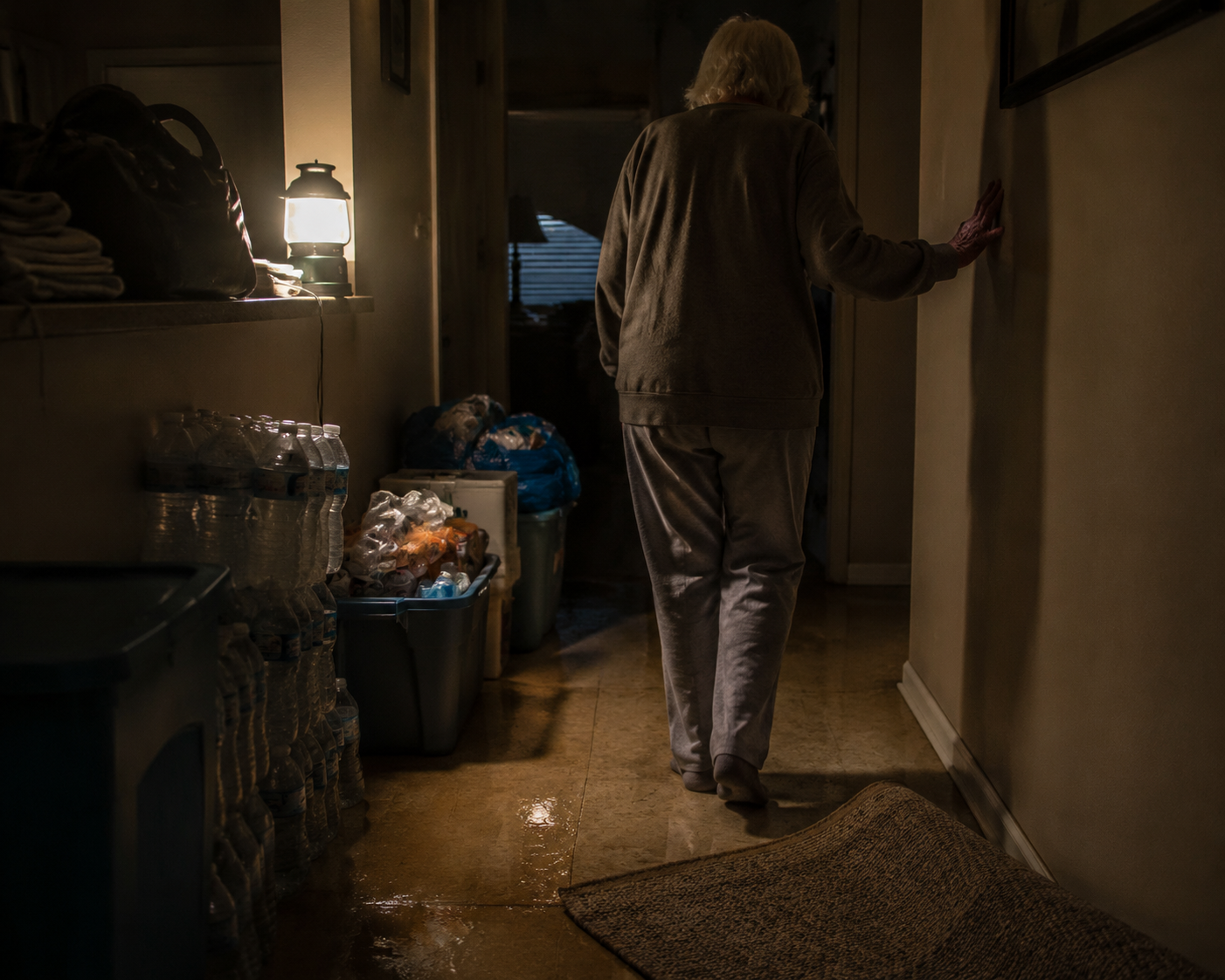 —
—Fall-Proof Your Home with These Hurricane Safety Tips for Elderly
A room-by-room guide to preventing falls when hurricanes cause power outages, flooding, and rushed evacuations — addressing hazards that typical checklists overlook.
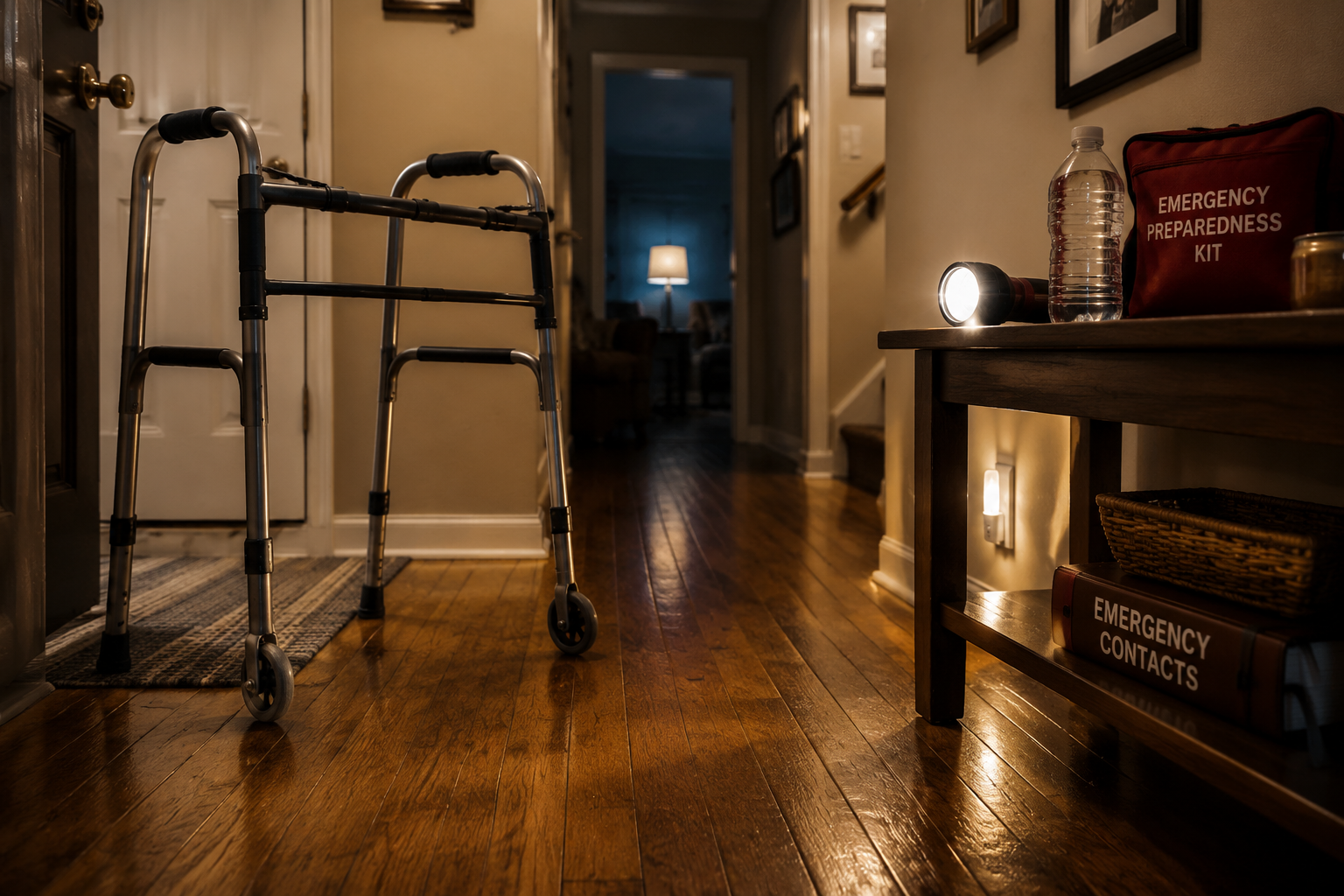 —
—A Hurricane Prep Guide for Seniors That Prevents Falls
This article provides a room-by-room checklist for adult children helping an aging parent prepare for hurricane season, with a focus on preventing falls during power outages, wet floors, and post-storm debris. It covers entryways, bedrooms, bathrooms, and kitchens with specific actions for seniors with mobility limitations.
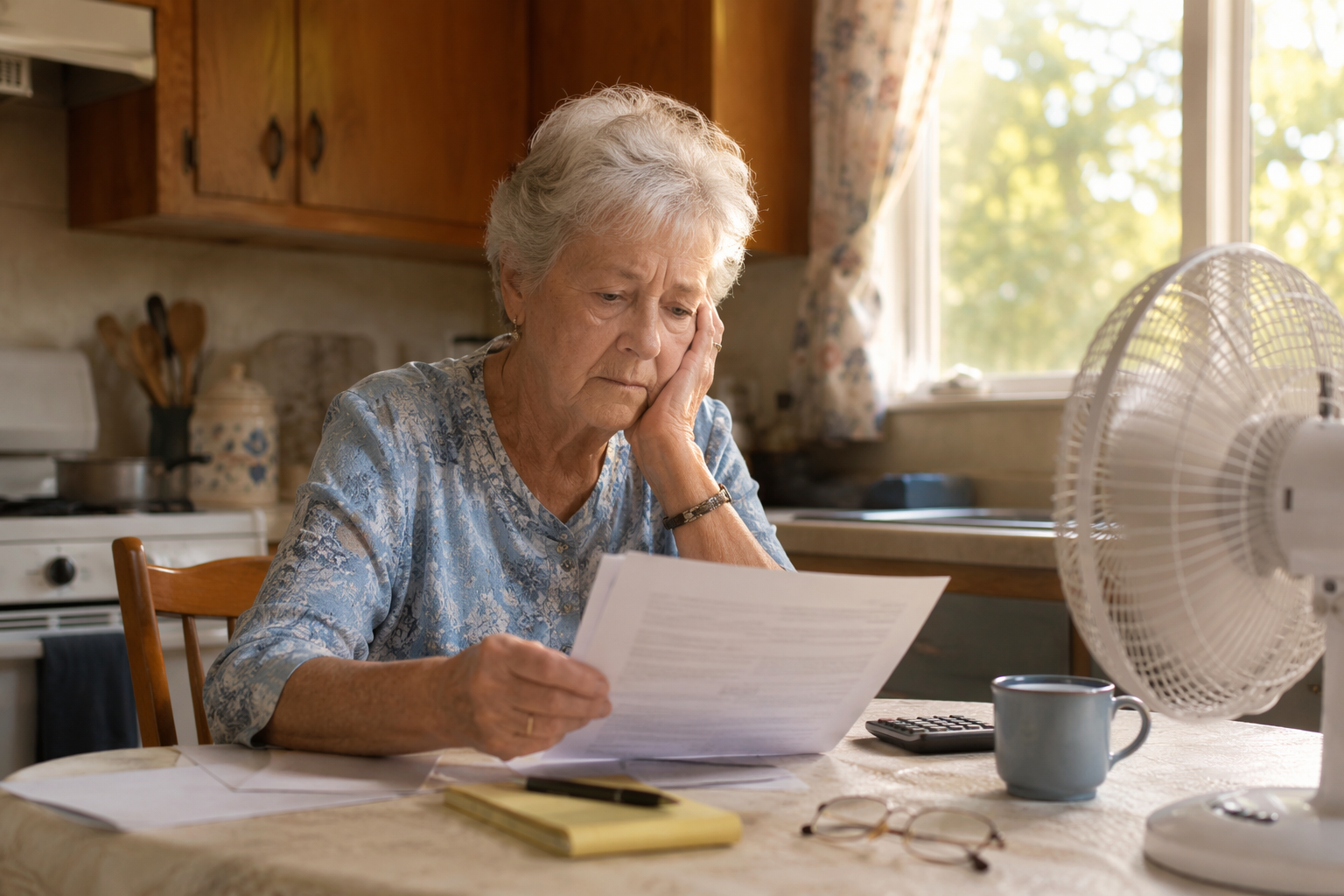 —
—Lower Your AC Bill on a Fixed Income With These Programs
Learn how seniors on fixed incomes can combine LIHEAP, weatherization assistance, utility discounts, and local crisis funds to reduce summer cooling costs by hundreds of dollars.
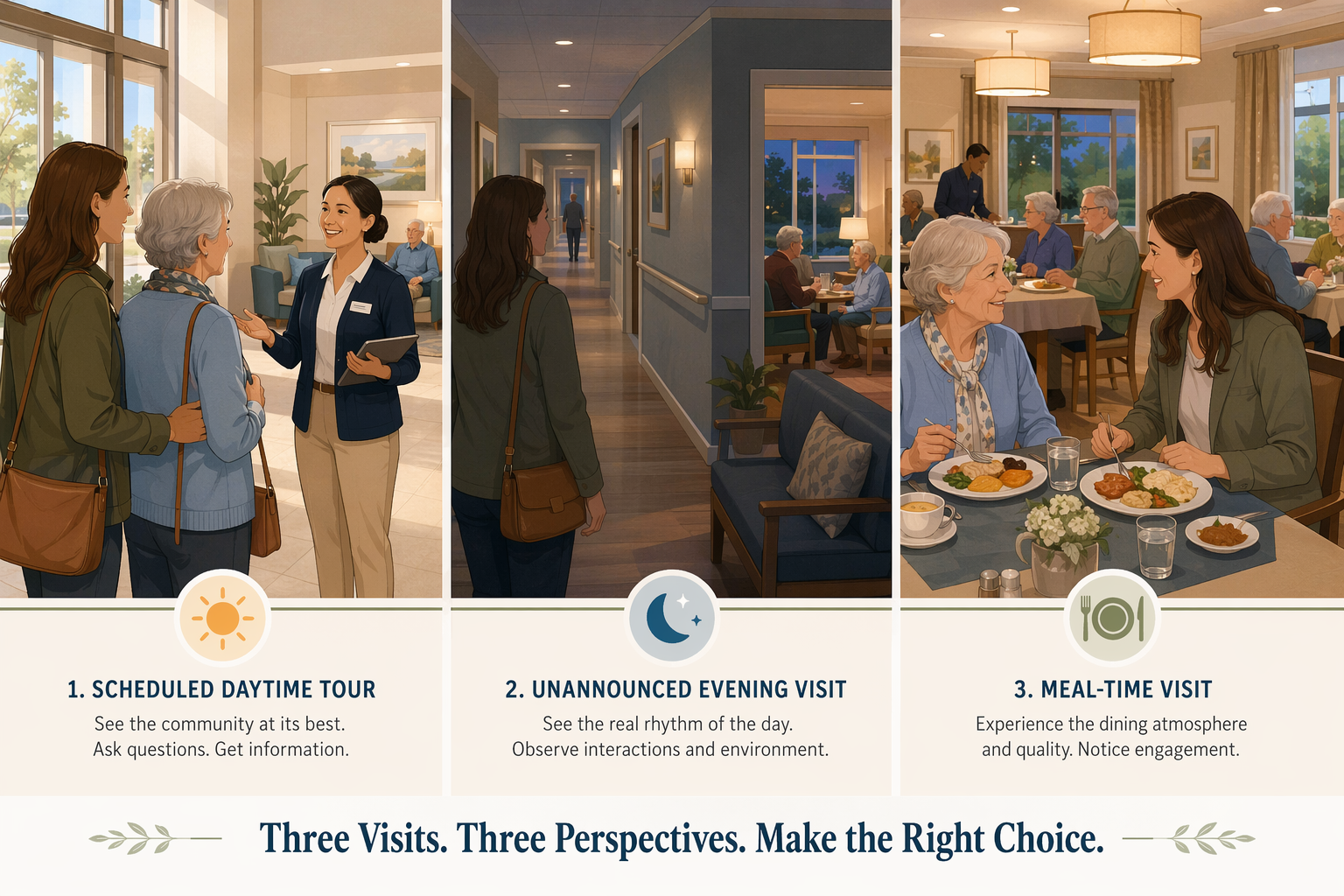 —
—How to Evaluate Senior Care Facilities: A Tour-Based Checklist for Families
A systematic protocol for adult children comparing senior care facilities — covering pre-tour research, a 10-question framework, unannounced visits, and contract review — so you can evaluate options fairly and avoid common comparison mistakes.
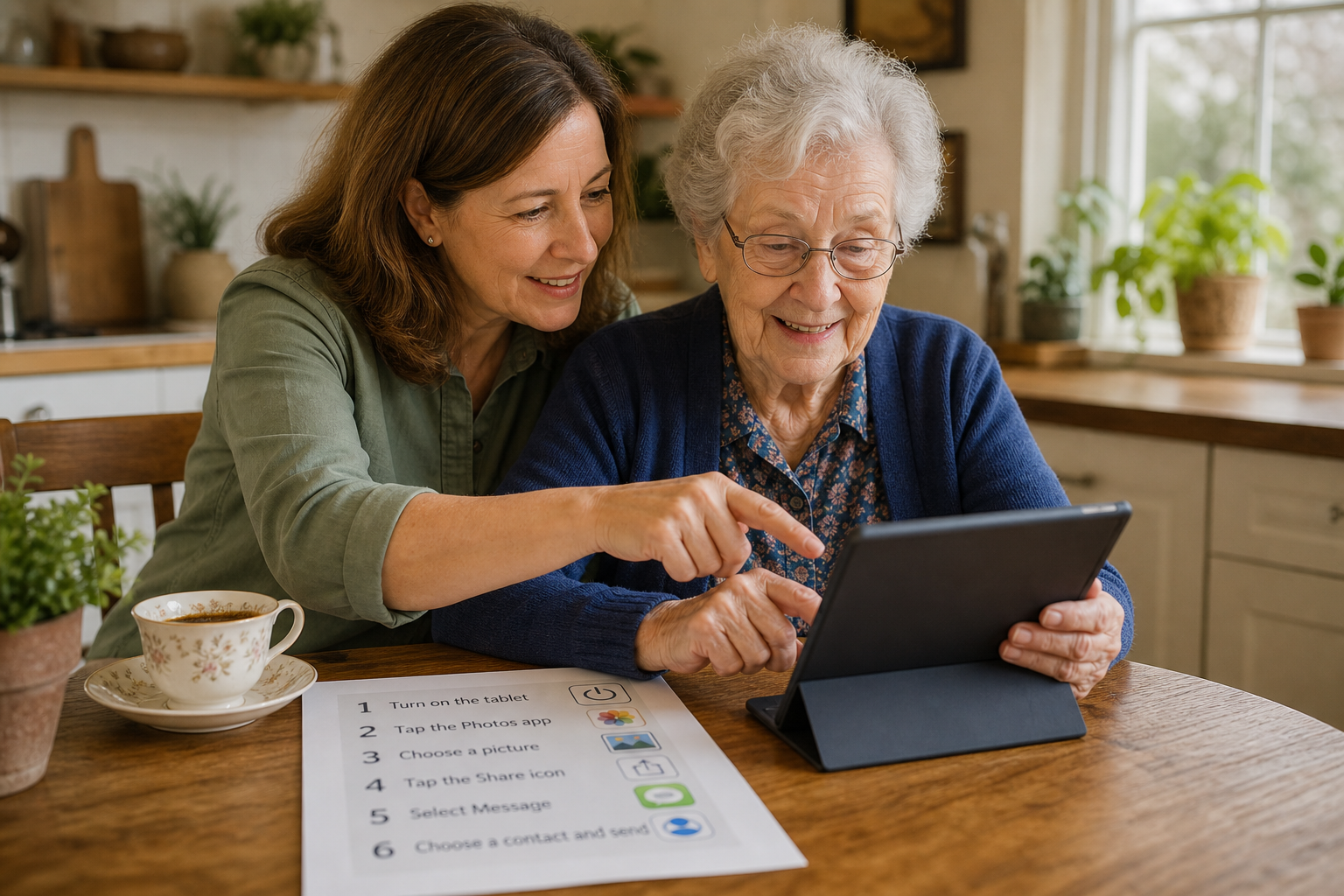 —
—Technology for Dementia Caregivers: Using the CARES Framework to Reduce Burden at Every Stage
This guide introduces the evidence-based CARES framework to help family caregivers of people with dementia match everyday technology to disease stage — reducing the 36 hours per week of care and emotional strain by focusing on cognitive offloading, automation, remote monitoring, emotional support, and symptom treatment.
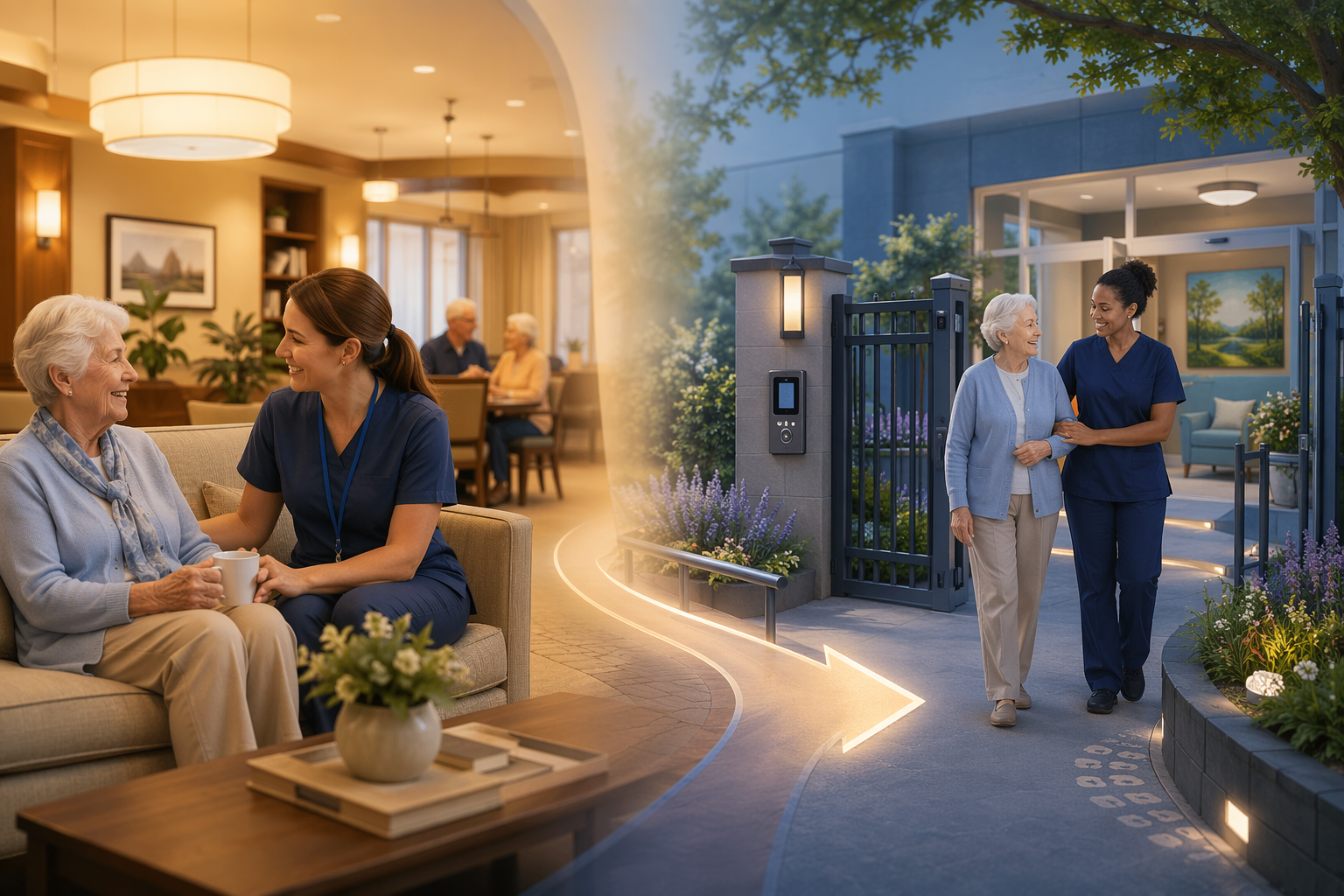 —
—When to Move From Assisted Living to Memory Care: 10 Signs It's Time
If your parent with dementia is in assisted living and you're noticing wandering, behavioral changes, or safety concerns, this guide helps you recognize the key indicators that memory care is the right next step — before a crisis forces the decision.
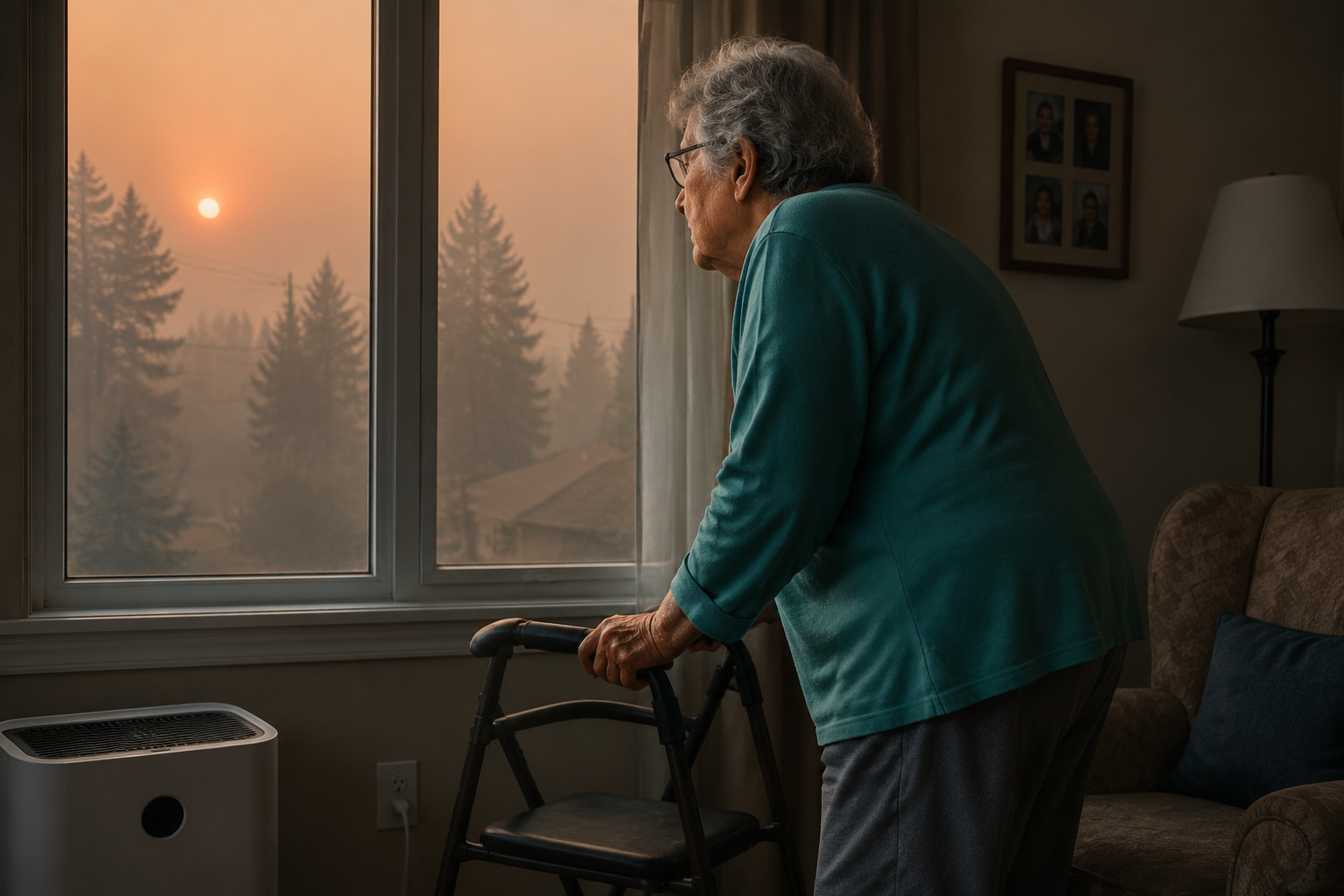 —
—How Does Wildfire Smoke Affect Seniors? Air Quality Tips
Wildfire smoke is far more toxic than typical air pollution and can harm seniors' lungs, heart, brain, and more within hours. This guide explains the multi-system risks and provides practical air quality tips to reduce fall risk and keep older adults safe during wildfire events.
 —
—Air Quality Forecast for Elderly Health: When to Go, Modify, or Skip
A simple Go/Modify/Skip decision framework that uses the daily AQI forecast to help caregivers decide whether an aging parent can safely go outside, needs to modify their activity, or should stay indoors — with practical indoor alternatives to maintain mobility and prevent fall risk from inactivity.
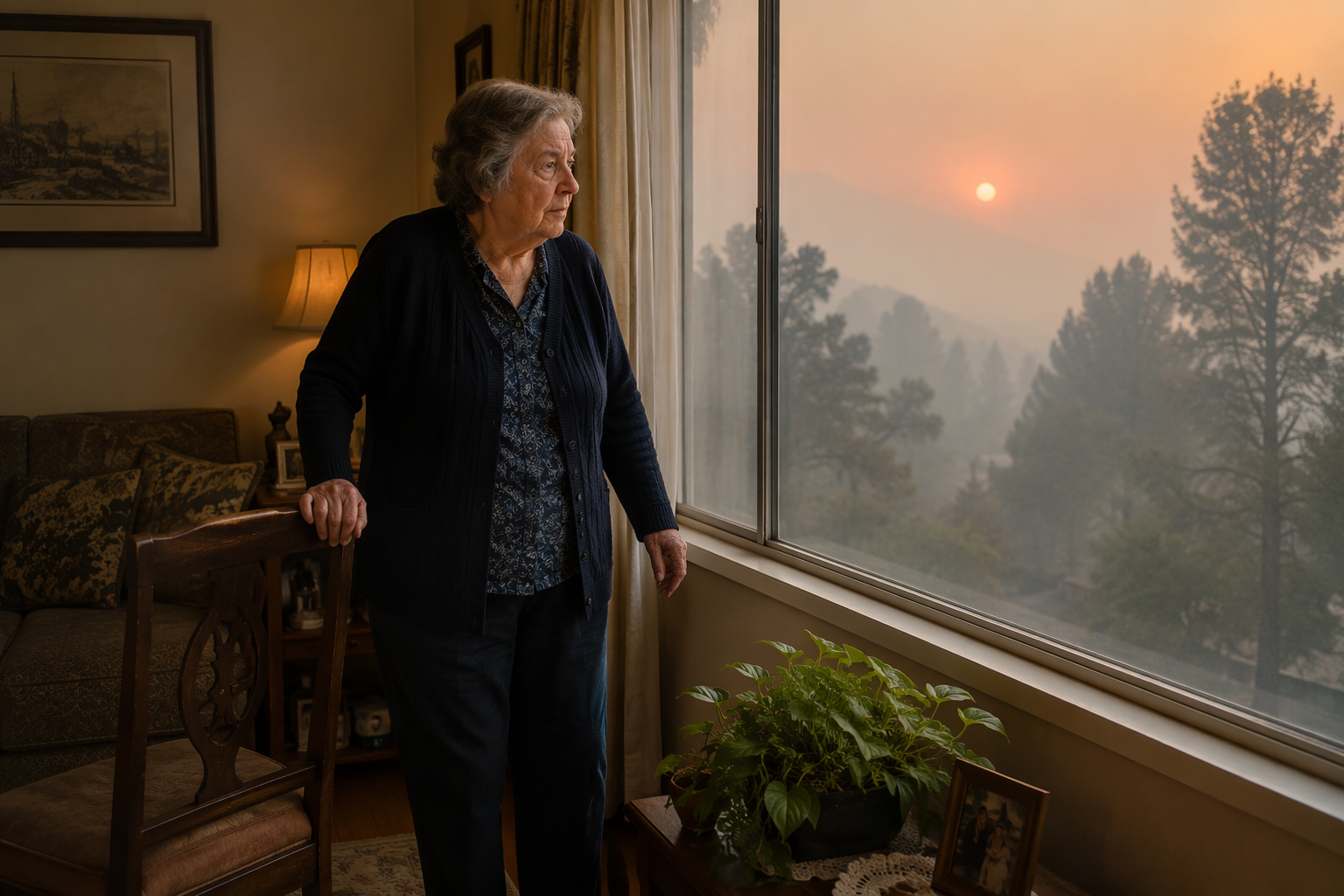 —
—How Hazardous Air Quality Increases Fall Risk and What to Do
Learn why poor air quality raises fall risk in older adults and what specific precautions — beyond staying indoors — can reduce dizziness, improve balance, and keep your parent safe during hazardous air days.
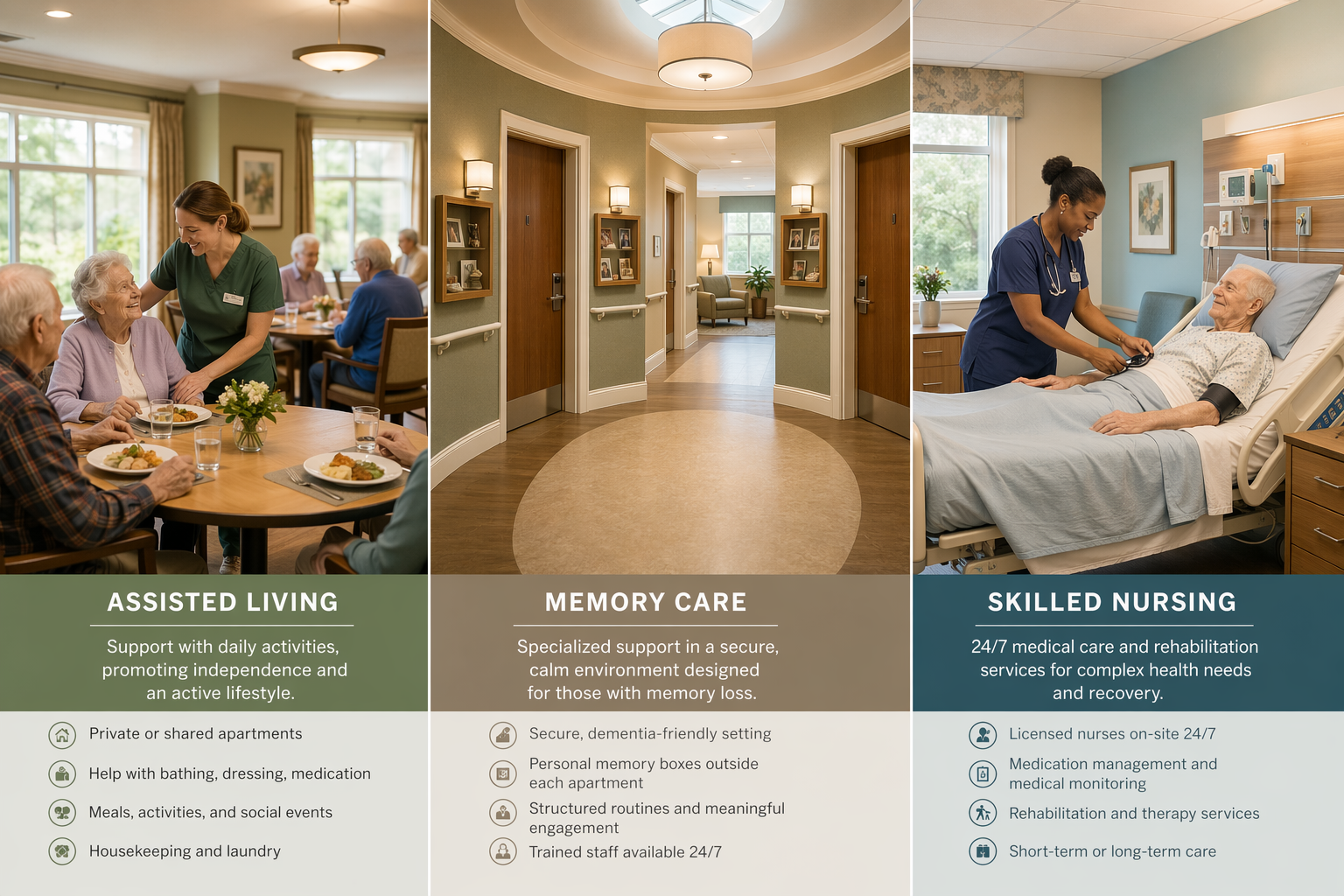 —
—Assisted Living vs. Memory Care vs. Nursing Home: How to Choose the Right Level of Care
A head-to-head comparison of assisted living, memory care, and nursing homes for adult children deciding where a parent with dementia or functional decline should live. Includes a decision tree, cost reality check, and tour checklist.