
STEADI: Screen
How to spot CTE dementia symptoms in aging adults
How to recognize and track CTE-related dementia symptoms across thinking, mood, and movement domains in an aging adult — and why the next step is a medical evaluation that rules out treatable causes, since CTE itself can only be confirmed after death.
Medical note: This guide is educational and cannot diagnose CTE, dementia, concussion, or any other condition. If an older adult has sudden confusion, suicidal thoughts, or symptoms after a fall or head hit, seek urgent medical advice.
If you searched for “CTE dementia symptoms in aging adults,” the most important answer is also the most frustrating one: families can watch for CTE-related patterns, but CTE itself cannot be confirmed in a living person. At this time, no MRI, CT, PET scan, blood test, or spinal-fluid test is validated to diagnose CTE during life; confirmation requires examination of brain tissue after death. In living people, clinicians may describe a CTE-like pattern as traumatic encephalopathy syndrome, while still looking carefully for other explanations. [1][2][3]
That does not make the symptoms useless to track. It means the tracking has a different purpose. A notebook cannot name CTE, but it can show a clinician what changed, when it changed, whether it followed a recent head strike, and whether there is a history of repeated head impacts. CTE is linked to repeated head impacts over time, not to a single fall automatically becoming a dementia diagnosis. [1][4]
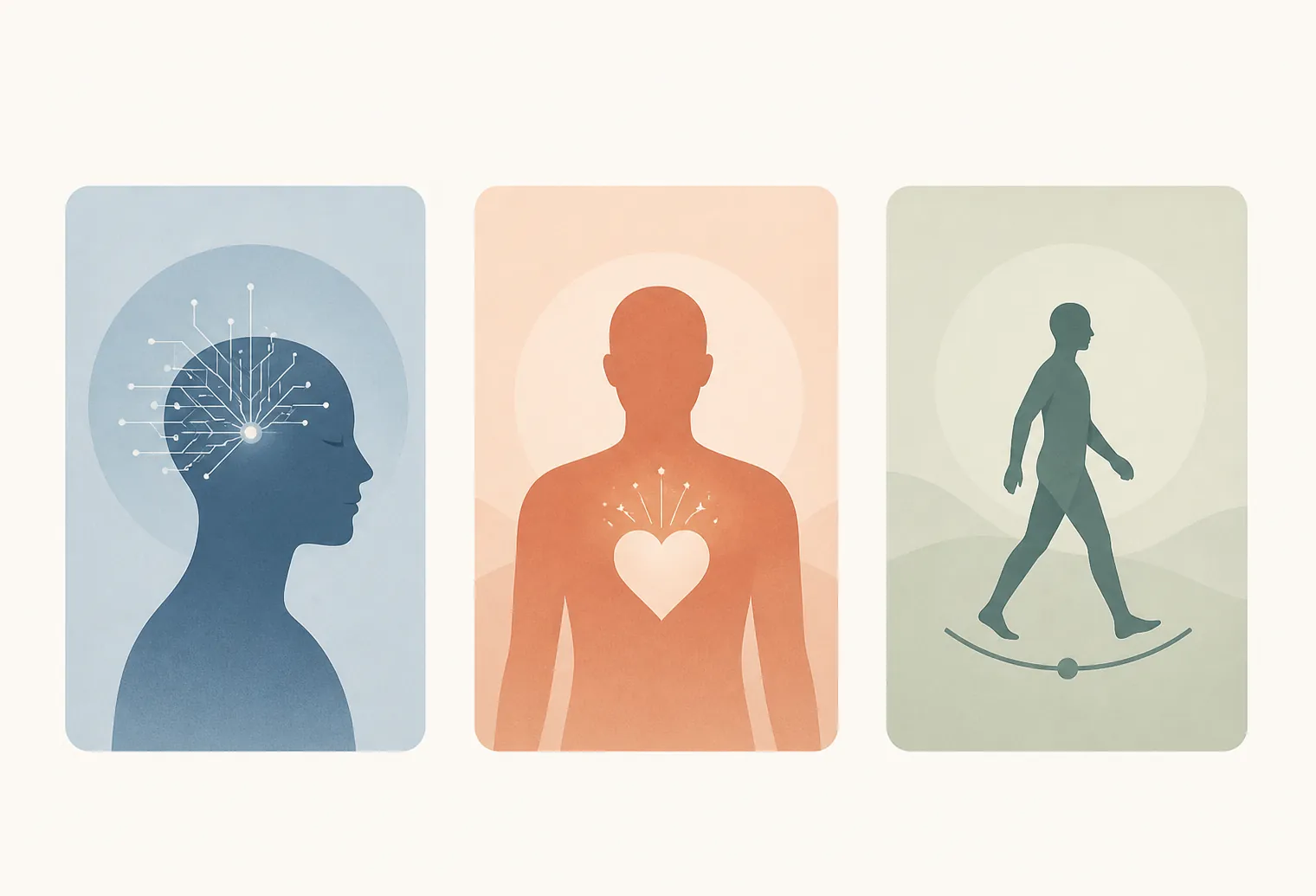
Start with the three symptom domains families can actually observe
CTE-related symptoms are commonly grouped into thinking and memory changes, mood and behavior changes, and movement or balance changes. Mayo Clinic, the Alzheimer’s Association, and the NHS describe symptoms across these same broad areas, including memory loss, trouble planning and reasoning, depression, apathy, irritability, impulsivity, aggression, trouble walking, balance problems, and parkinsonism-like movement changes. [1][3][4]
| Domain to watch | What a caregiver may notice | Why it matters tonight |
|---|---|---|
| Thinking and memory | Missed bills, repeated questions, poor planning, unsafe decisions, trouble following steps | New or worsening cognitive change needs evaluation, especially after head impacts |
| Mood and behavior | Depression, withdrawal, apathy, short fuse, impulsive spending, aggression, loss of restraint | These changes can create safety risks and may also have treatable causes |
| Movement and balance | Shuffling, unsteady walking, falls, slower movement, stiffness, balance trouble | Further falls can mean further head injury, even when CTE is not the diagnosis |
Use those domains as sorting trays, not as proof. A parent can have symptoms in one domain for reasons that have nothing to do with CTE. Medication effects, depression, thyroid problems, vascular dementia, Alzheimer’s disease, infection, sleep problems, pain, and vision or hearing loss can all change how an older adult thinks, walks, reacts, or makes decisions. The practical question is not “Which scary label fits?” It is “What changed, how fast, and who needs to evaluate it?”
1. Thinking and memory changes: look for the task that started failing
Memory loss is often the change families notice first because it leaves evidence: unpaid bills, spoiled food, repeated calls, lost keys, missed appointments, or a medication organizer that no longer matches the calendar. For an aging adult with head-impact concern, the more useful note is specific: “Dad paid the electric bill twice and ignored the water bill,” not just “Dad is forgetful.”
Planning and reasoning problems can be quieter but more dangerous. Watch for trouble following a familiar recipe, getting lost in a known grocery store, mishandling money, falling for unusual scams, driving through a route they used to know, or being unable to solve a small household problem that would not have stopped them before. Changes in judgment, problem-solving, reasoning, and planning are part of the CTE-related cognitive picture described in medical sources, but they are not specific enough to diagnose CTE. [1][3][4]
Age pattern matters here. Boston University’s Alzheimer’s Disease Research Center describes mood and behavioral symptoms as more prominent in younger-onset CTE descriptions, while older adults with CTE more often present with cognitive impairment. It also notes that CTE symptoms may appear years or decades after repeated head impacts, which is one reason a long-ago military, sports, occupational, or accident history may still be worth mentioning at an appointment. [5]
There is one comparison worth keeping in mind without turning the family into amateur neurologists. Alzheimer’s disease often begins with memory-centered symptoms, while CTE descriptions more often emphasize judgment, reasoning, problem-solving, impulse control, and aggression among early concerns. That contrast can help you describe what you are seeing, but it cannot separate the conditions at home. [5]
What to do after cognitive changes
If thinking changes are new, worsening, or interfering with money, medication, cooking, driving, or appointments, schedule a medical evaluation. Bring a dated list of examples, the medication list, recent falls or head hits, and any history of repeated head impacts. If the change came on suddenly after a fall, head strike, illness, or medication change, do not wait for a routine dementia appointment.
2. Mood and behavior changes: notice the new pattern, not just the difficult moment
Depression, apathy, irritability, impulsivity, and aggression all appear in CTE symptom descriptions. In a family, they may show up as a parent who stops calling friends, gives up hobbies without explanation, snaps over small changes, drives too fast, spends impulsively, says cruel things that are out of character, or becomes physically intimidating during ordinary disagreements. [1][3][4]
Apathy is easy to misread as laziness or “just getting older.” Depression can be mistaken for stubbornness. Irritability can be dismissed as personality. The safer approach is to compare the behavior with the person’s own baseline: What would have been unusual for them six months ago? What is happening more often? What is creating risk for the older adult, a spouse, a paid caregiver, or someone else in the home?
The timeline also matters. CTE symptoms are described as developing years or decades after repeated head trauma and may gradually worsen or plateau for years. A long, slow change points toward a different evaluation path than a sudden change after a fall, new medication, infection, dehydration, or major stress. [1][4][5]
What to do after mood or behavior changes
Ask for a medical evaluation when mood or behavior changes are new, worsening, unsafe, or out of character. Use plain examples: “She threatened to hit my brother when he took away the car keys,” “He has stopped showering and no longer opens mail,” or “She bought three expensive items online and does not remember ordering them.” These examples help the clinician judge safety, depression, medication effects, cognitive change, and caregiver risk.
Suicidal thoughts need immediate help. Mayo Clinic lists suicidal thoughts among possible CTE-related symptoms, but the cause is not the first priority in that moment; safety is. If the person might harm themselves or someone else, use emergency or crisis services rather than waiting for a memory clinic visit. [1]
3. Movement and balance changes: treat falls as a head-injury prevention issue
Movement symptoms can include trouble walking, balance problems, and parkinsonism-like changes such as slowed movement, stiffness, or a shuffling gait. These signs are not unique to CTE. They can appear with Parkinson’s disease, medication side effects, neuropathy, stroke, vision problems, weakness, pain, and many other conditions. Still, they deserve careful attention because every new fall creates another chance for head injury. [1][3][4]
Falls are the leading cause of traumatic brain injury in older adults, according to the CDC. The CDC also advises that a person who falls and hits their head should see a doctor right away, especially if they take blood thinners. [7]
For tracking, write down what the walking change looks like. “Unsteady” is a start; “left foot drags after ten minutes,” “needs the wall to turn in the hallway,” “fell backward while reaching into the closet,” or “started shuffling after the new sleep medication” is more useful. If there is military-service history, blast exposure, repeated training injuries, contact sports, or repeated falls, include that history without assuming it explains everything. For veteran-specific fall-risk context, see Agent Orange Health Effects and Fall Risk in Aging Veterans.
What to do after movement or balance changes
A new shuffling gait, repeated near-falls, dizziness, weakness, or any fall with a head hit should trigger medical contact. If the person is on a blood thinner, has new confusion, or is acting differently after the fall, treat it as urgent. Do not wait to see whether it becomes a “dementia symptom.”

What the medical evaluation can actually do
A good evaluation is not a hunt for one magic CTE test. Since CTE cannot be confirmed during life, the clinician’s job is to understand the pattern, assess safety, and look for conditions that can be treated, managed, or ruled out. NHS and Alzheimer’s Association materials describe evaluations that may include a symptom history, head-impact history, memory and thinking tests, blood or urine tests, brain imaging to look for other causes, and referral to a memory assessment service. [3][4]
That workup can feel slow when a family wants certainty. It is still the right direction. Medication effects can cloud thinking or worsen balance. Depression can look like memory loss. Thyroid problems can slow a person down. Vascular dementia and Alzheimer’s disease may need different planning and treatment conversations. Brain imaging may help rule out stroke, bleeding, tumors, or other structural problems; it should not be presented as a scan that proves CTE. [1][3][4]
Bring the medication bottles, not just a typed list if you can. Include prescriptions, sleep aids, pain medications, bladder medications, allergy medicines, supplements, and anything borrowed or taken “only once in a while.” For one example of why reversible medication-related causes belong in the fall and cognition conversation, see Is subpotent levothyroxine causing falls in seniors?.
Also bring the head-impact history in a form the clinician can use. It does not need to be dramatic. List known concussions, repeated sports impacts, military blast exposure, assaults, vehicle crashes, occupational hits, repeated falls, and any recent fall where the head may have struck the floor, wall, furniture, or ground. If dates are uncertain, use life periods: “high school football,” “Army service,” “factory work in his 30s,” “three falls this winter.”
A simple tracking method that helps the appointment
The best caregiver notes are boring in the right way: dated, concrete, and tied to consequences. They do not diagnose. They make it harder for a concerning pattern to disappear inside a ten-minute office visit.
| Instead of writing | Write |
|---|---|
| “Memory is bad.” | “Aug. 3: asked four times whether rent was paid; bank shows rent was not paid.” |
| “He is mean now.” | “Aug. 8: yelled and threw the TV remote when asked not to drive after dark; this is new since spring.” |
| “Walking is worse.” | “Aug. 11: shuffled from bedroom to kitchen, held wall twice, nearly fell turning near refrigerator.” |
| “Maybe CTE?” | “History: repeated head impacts from college football; fall with head hit in June; symptoms noticed more often since July.” |
For each entry, try to capture six things: the date, the specific behavior, whether it is new or worsening, what happened right before it, whether there was a recent fall or head strike, and what safety problem it created. If another person saw it, write their name. If it resolved after sleep, food, fluids, stopping a medication, or treating an illness, write that too.
This kind of tracking is especially useful because CTE-related symptoms overlap with many other conditions. A symptom checklist found online can make a family more alert, but it should not be treated as a validated home diagnostic tool.
When the situation is urgent
Some changes should not be filed away for later comparison. Sudden confusion after a recent head strike needs prompt medical attention. So does any fall where the person hit their head, especially if they take blood thinners. The same is true when new symptoms appear after a fall and the older adult seems unusually sleepy, disoriented, agitated, or unlike themselves. [7]
Sudden new confusion in an older adult should be treated as a medical signal, not automatically as dementia. The same practical lesson applies beyond head injury; for more on that point, see Falls and confusion can be COVID symptoms in older adults.
Suicidal thoughts, threats of self-harm, or behavior that puts someone in immediate danger should be handled as a crisis. In that moment, the family does not need to solve whether the cause is CTE, depression, delirium, medication, grief, or something else. The next step is immediate safety and medical help.
After the appointment, reduce the chance of another head impact
Because CTE is associated with repeated head impacts, fall prevention belongs in this conversation even when no one can confirm CTE. The goal is not to prove what caused today’s symptoms. The goal is to stop the next preventable head hit while the medical evaluation is underway. [1][6]
Start with the places where the person actually falls or nearly falls: the bathroom at night, the front steps, the bed-to-bathroom route, the kitchen turn, the icy walkway, the garage, the basement stairs, or the dark hallway during an outage. For outdoor winter risks, see prevent falls on ice outdoors. For lighting, backup-power, and storm-related hazards, see tornado and power outage fall prevention.
A CTE symptom list cannot give a family certainty. What it can do is sharpen the handoff: here are the thinking changes, here are the mood and behavior changes, here are the walking and balance changes, here is the head-impact history, and here is what has become unsafe. That is the information that helps an older adult get evaluated, treated for anything treatable, and protected from another fall.
References
- Chronic traumatic encephalopathy - Symptoms and causes, Mayo Clinic
- Frequently Asked Questions about CTE, Boston University CTE Center
- Chronic Traumatic Encephalopathy (CTE), Alzheimer’s Association
- Chronic traumatic encephalopathy, NHS
- Chronic Traumatic Encephalopathy FAQs, Boston University Alzheimer’s Disease Research Center
- Chronic Traumatic Encephalopathy, StatPearls
- Facts About Falls, CDC
Related reading
Noticed something outdated or inaccurate on this page? Flag a correction. We review every report against CDC, NIA, and AARP HomeFit guidance before updating a page.
Part of the Fall Prevention section.