
Flagship section
Fall Prevention
The flagship section, built directly on the CDC STEADI screen-assess-intervene model. Contains the fall risk screening quiz, the post-fall decision tree for active crisis situations (conscious/responsive checks, when to call 911 vs. urgent care, what to watch for in the following 72 hours), risk-factor explainers (medication side effects, vision, balance), and numbered warning-sign guides. This is the only group that owns crisis-path content; modification and mobility groups link back here rather than duplicating triage guidance.
Plan ahead
other
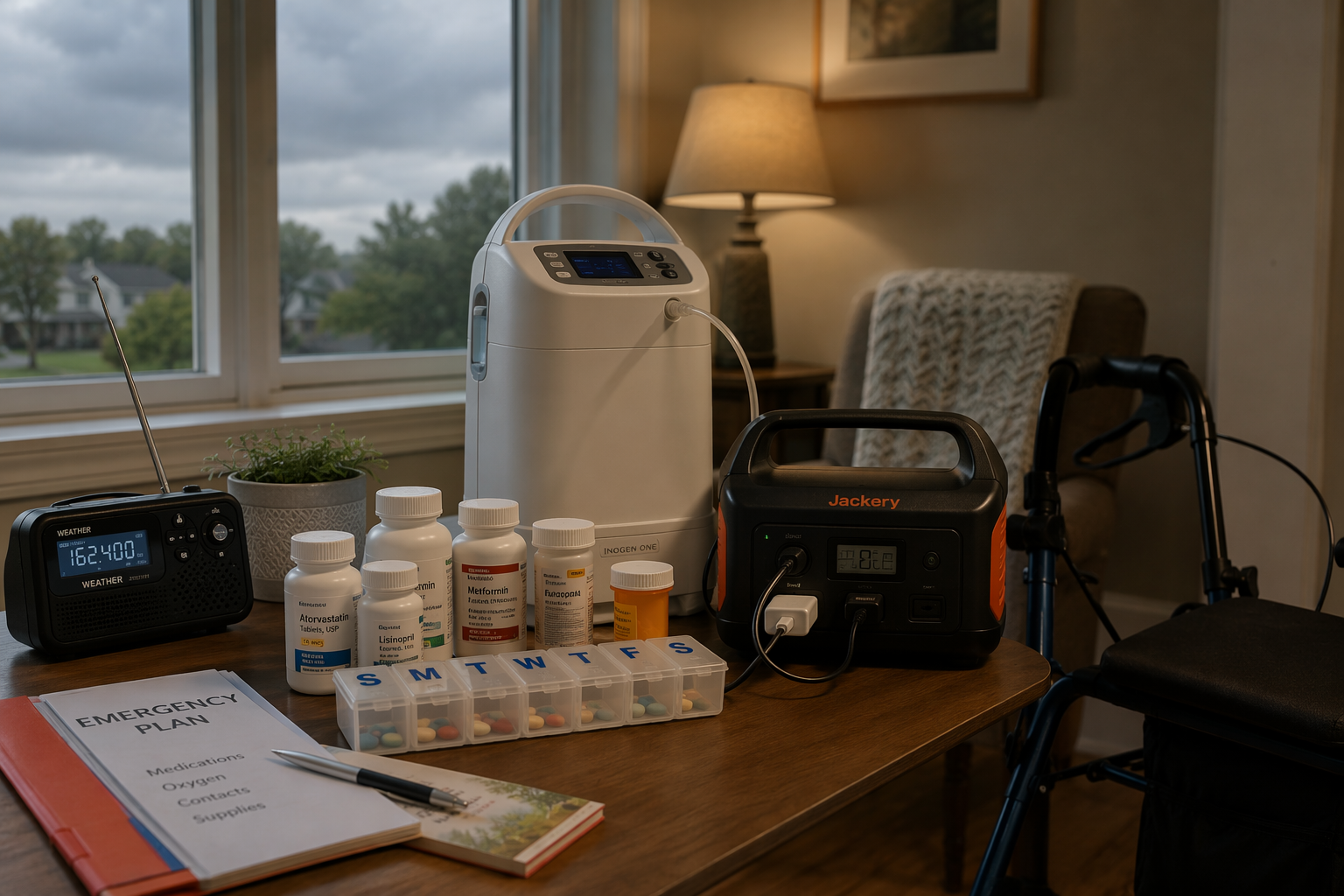 —
—Severe Weather Safety Tips for Elderly With Medical Needs
Severe weather can disrupt healthcare access for weeks, making medication continuity and medical device backup power a matter of life and death. This caregiver checklist covers a 30-day medication buffer, power planning, and an evacuation decision-tree to protect older adults long after the storm passes.
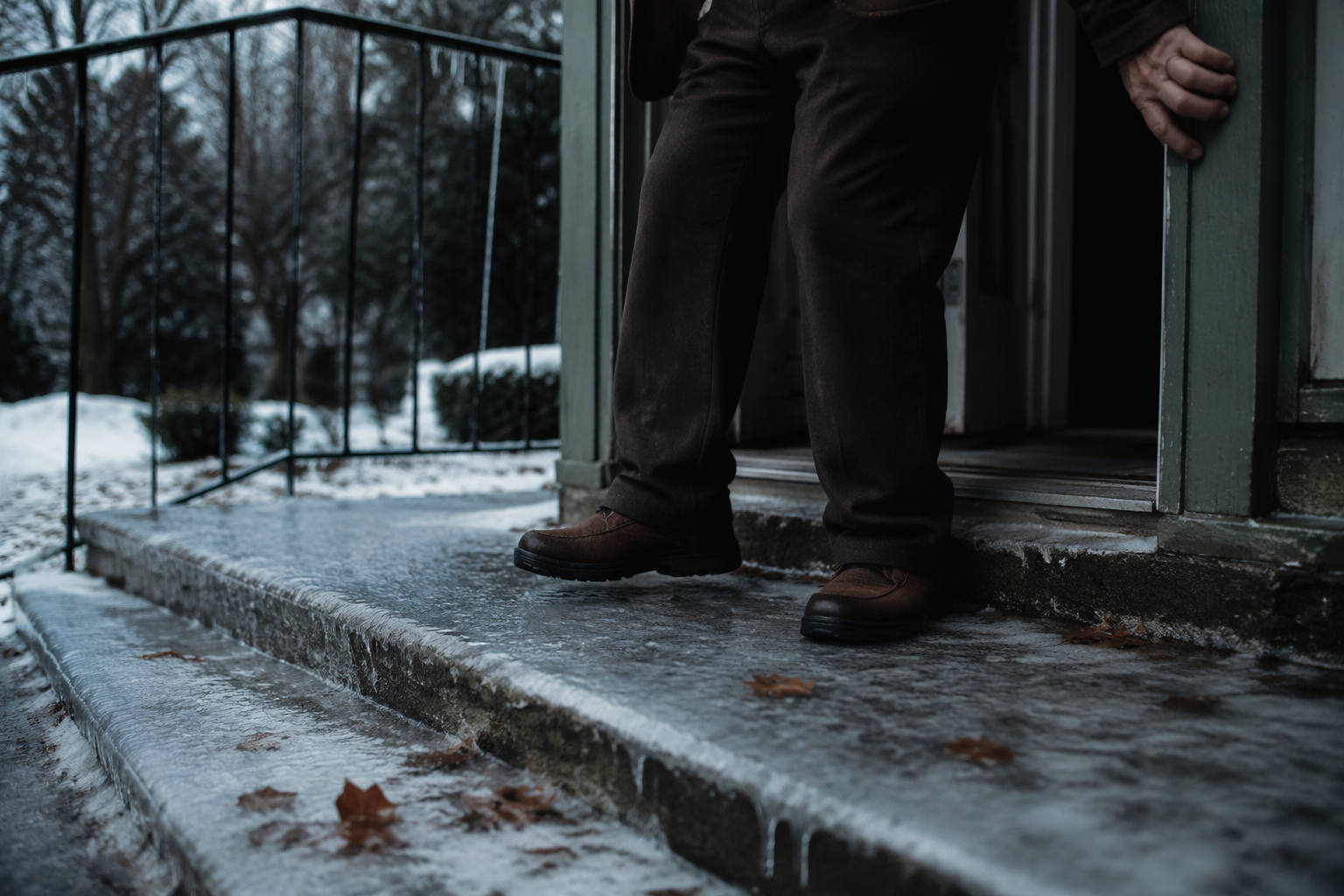 —
—Severe Weather Fall Risks for Seniors and How to Prevent Them
This guide connects specific severe weather events — from winter ice to summer heat waves to power outages — to the fall hazards they create for older adults, with actionable prevention steps for caregivers to use before, during, and after each event.
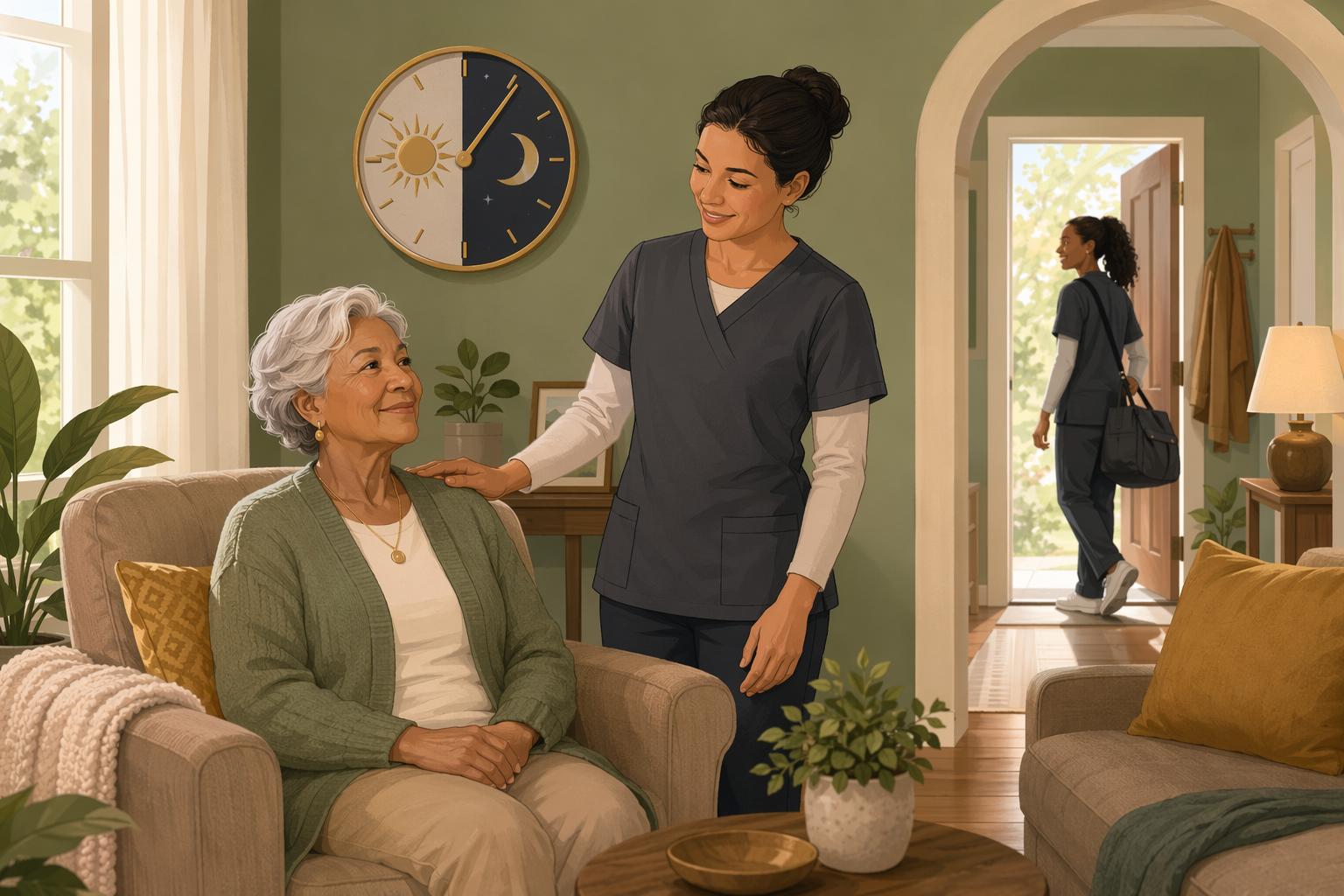 —
—24/7 Home Care Costs in 2026: A Financial Decision Framework for Families Facing Round-the-Clock Care
A practical financial guide for adult children whose parent needs round-the-clock care. Compares the true cost of 24/7 in-home care ($24,733/month) against live-in care, assisted living, memory care, and nursing homes, and maps the payment pathways that can help families afford it.
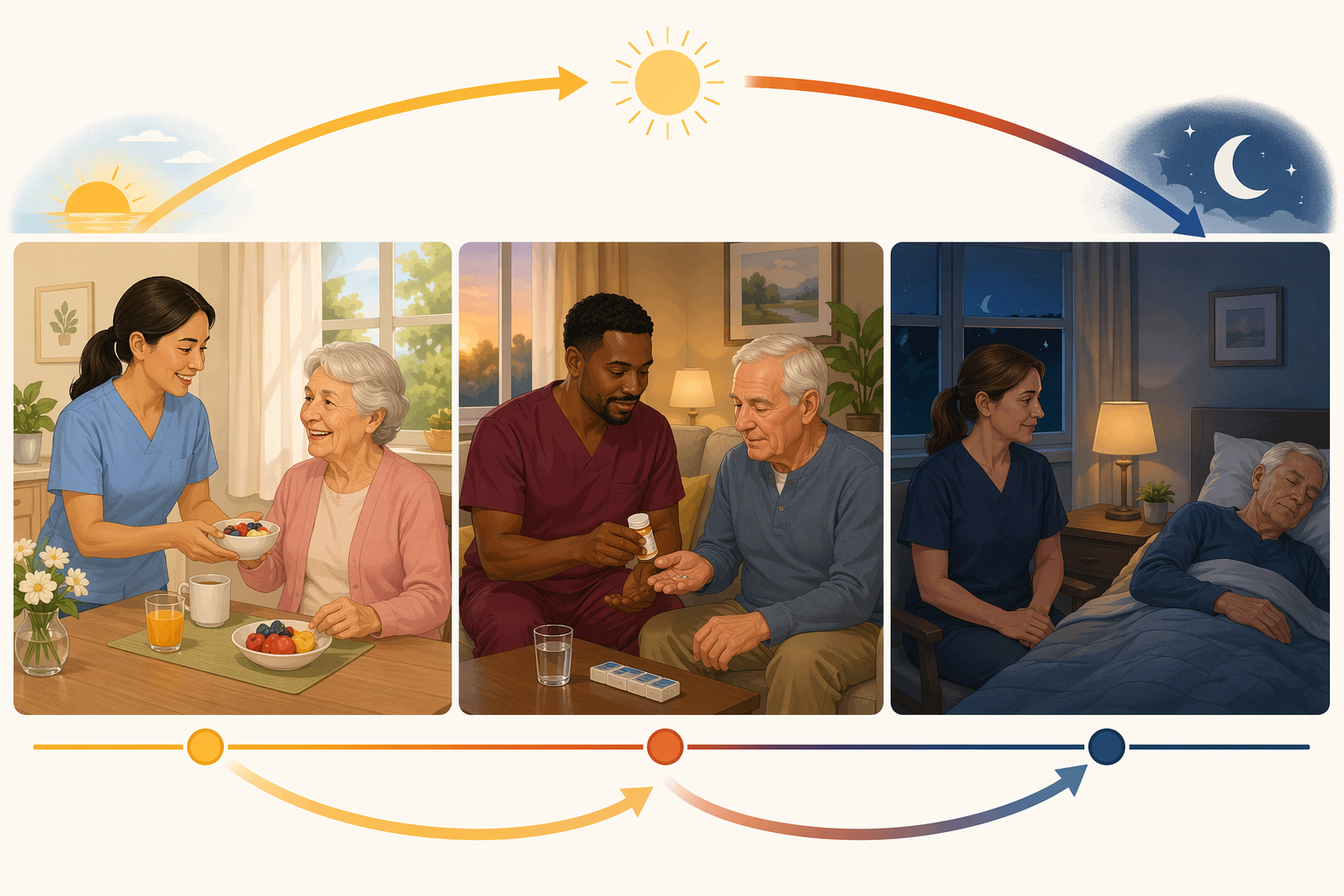 —
—24-Hour Home Care vs. Memory Care: The Cost Reality Families Don't Talk About
Most families assume 24-hour home care is the cheaper alternative to a facility, but the opposite is true. This article breaks down the actual costs, staffing models, and hidden expenses to help adult children make an informed decision between 24-hour home care and memory care.
 —
—Aftershock Safety for Seniors Who Use Mobility Devices
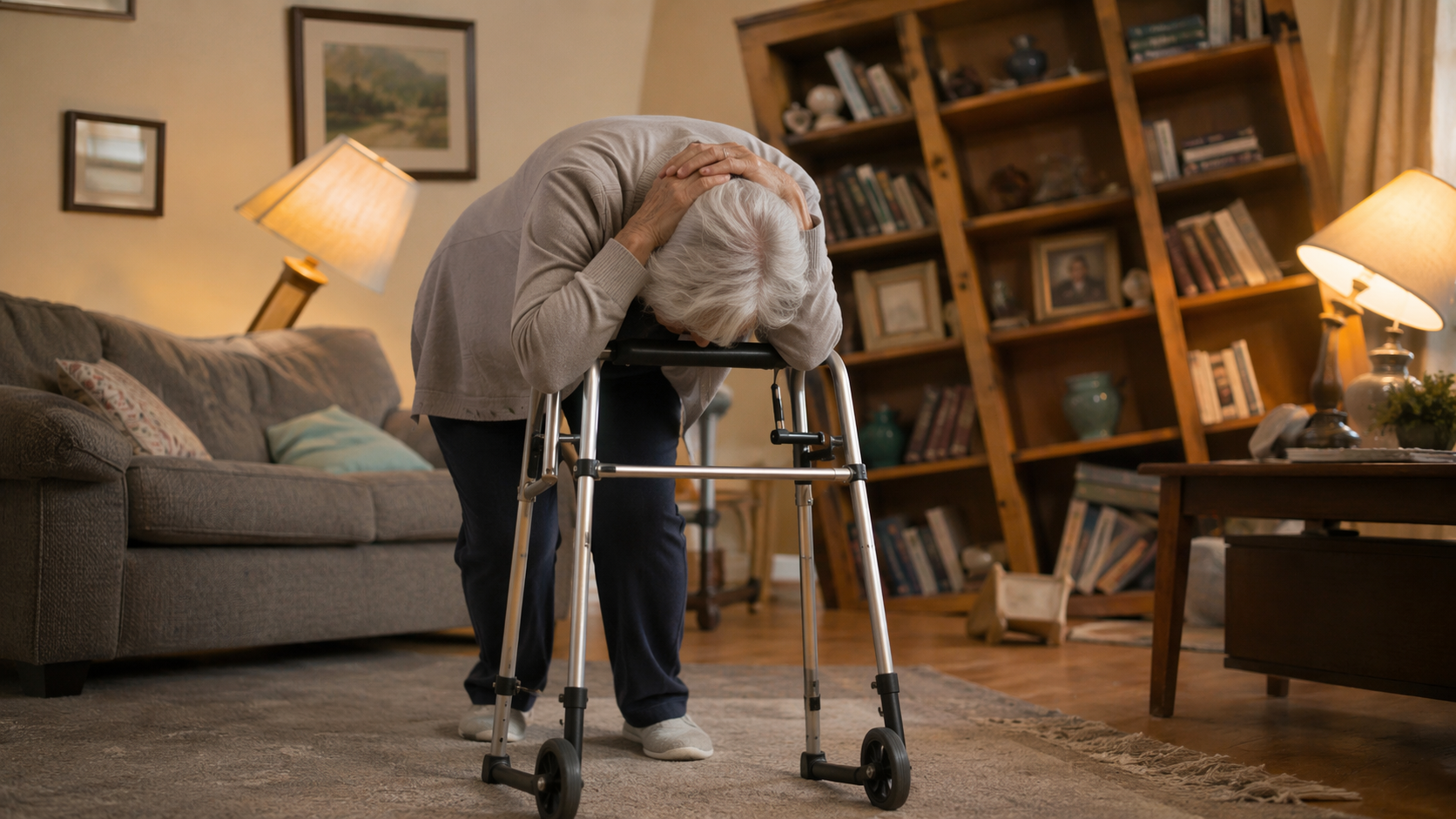
Aftershocks can follow a major earthquake for days or weeks, and the standard 'drop, cover, hold on' protocol is dangerous for seniors who use walkers, wheelchairs, canes, or are bed-bound. This guide provides a device-specific protocol: stay in place, lock wheels, protect your head and neck, and hold on until shaking stops — supported by pre-identified safe spots in each room.
 —
—Air Quality Alerts Create a Hidden Fall Risk for Seniors
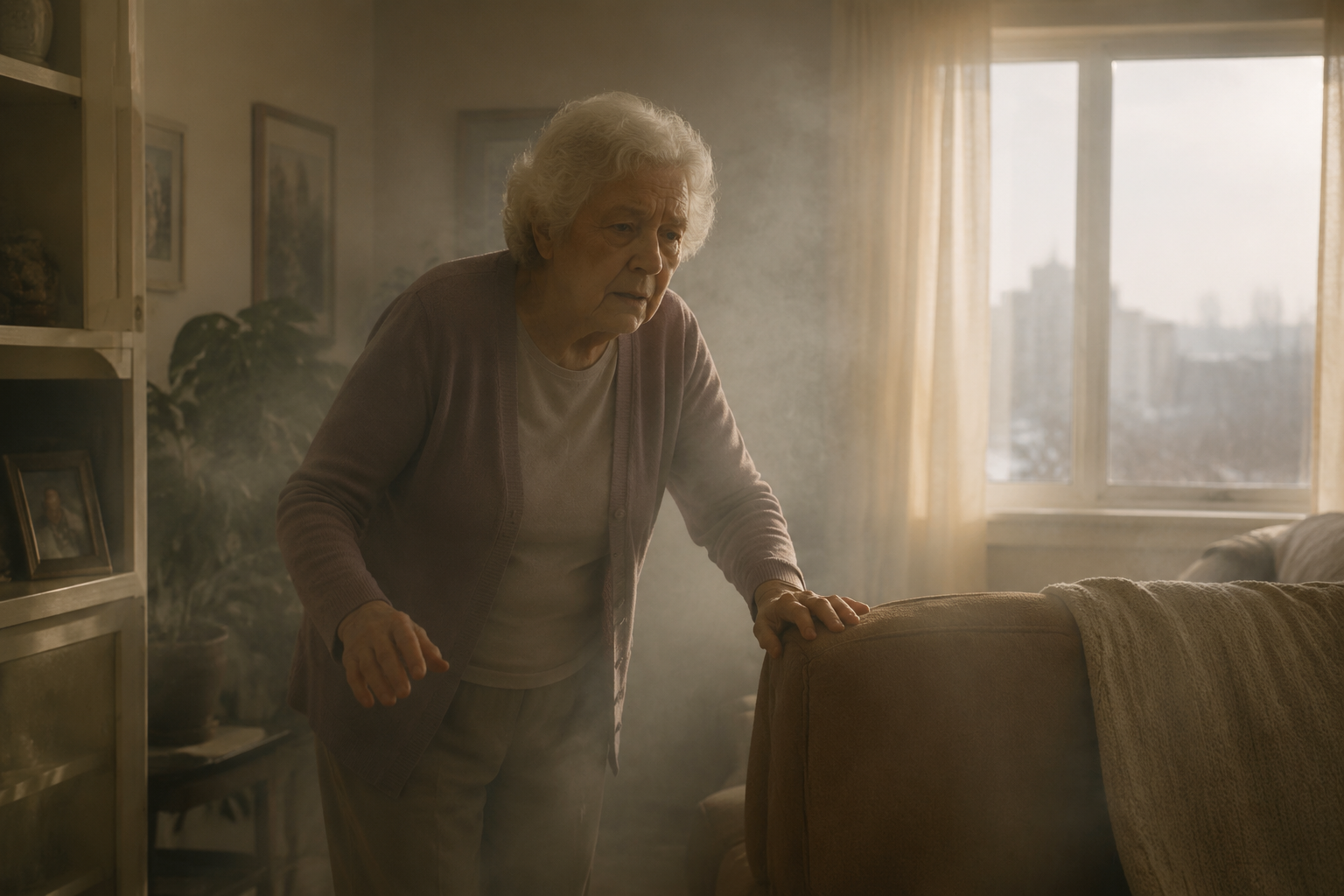
Most caregivers don't realize that poor air quality during alerts can directly increase an older adult's risk of falling through dizziness, reduced oxygen delivery, and cognitive fog. This article explains the connection and offers actionable steps beyond generic "stay indoors" advice.
 —
—How Poor Air Quality Affects Senior Fall Risk
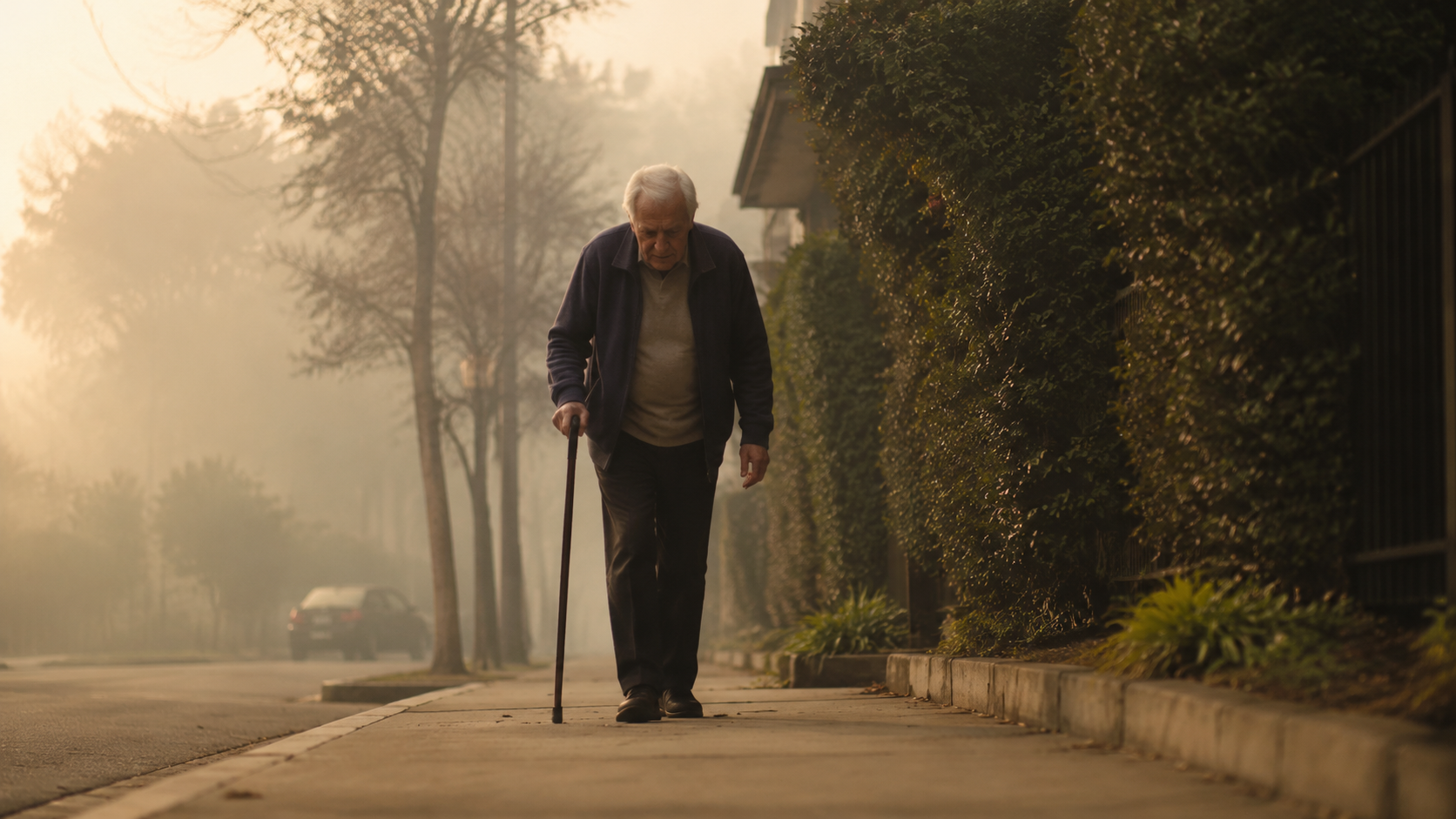
New research reveals that poor air quality—specifically PM2.5 and ozone—is an overlooked but modifiable fall risk for older adults. This article explains the three pathways connecting air pollution to falls and provides immediate, weekly, and long-term steps caregivers can take to reduce this environmental hazard.
 —
—Code Purple Air Quality Precautions for Older Adults at Home
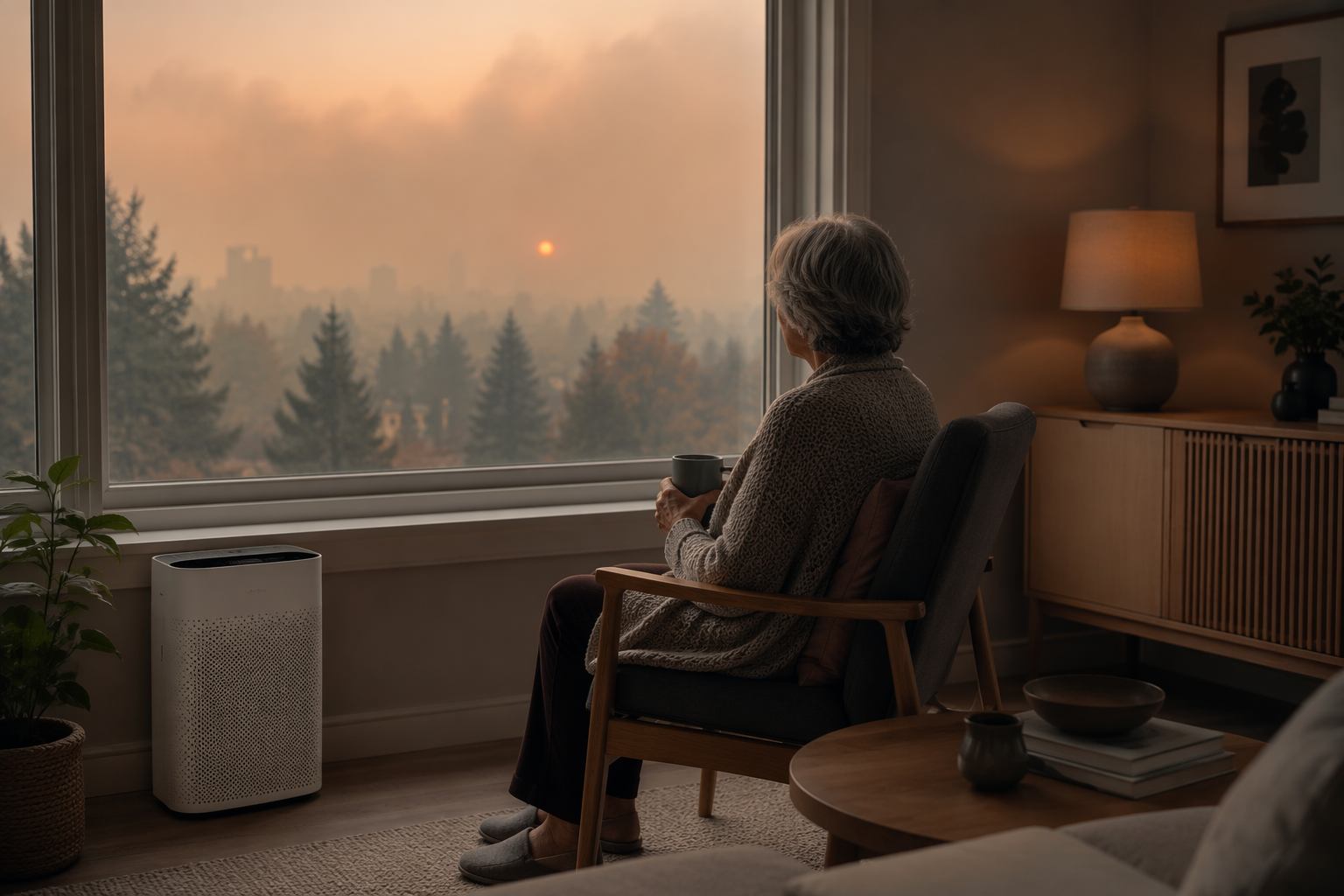
Learn what a Code Purple air quality alert means for an older adult's fall risk and how to take immediate room-by-room action to prevent dizziness, fatigue, and balance loss. This guide provides a fall-prevention-centered plan with specific steps for each AQI level, including indoor air cleaning, safe activity alternatives, and symptom monitoring.
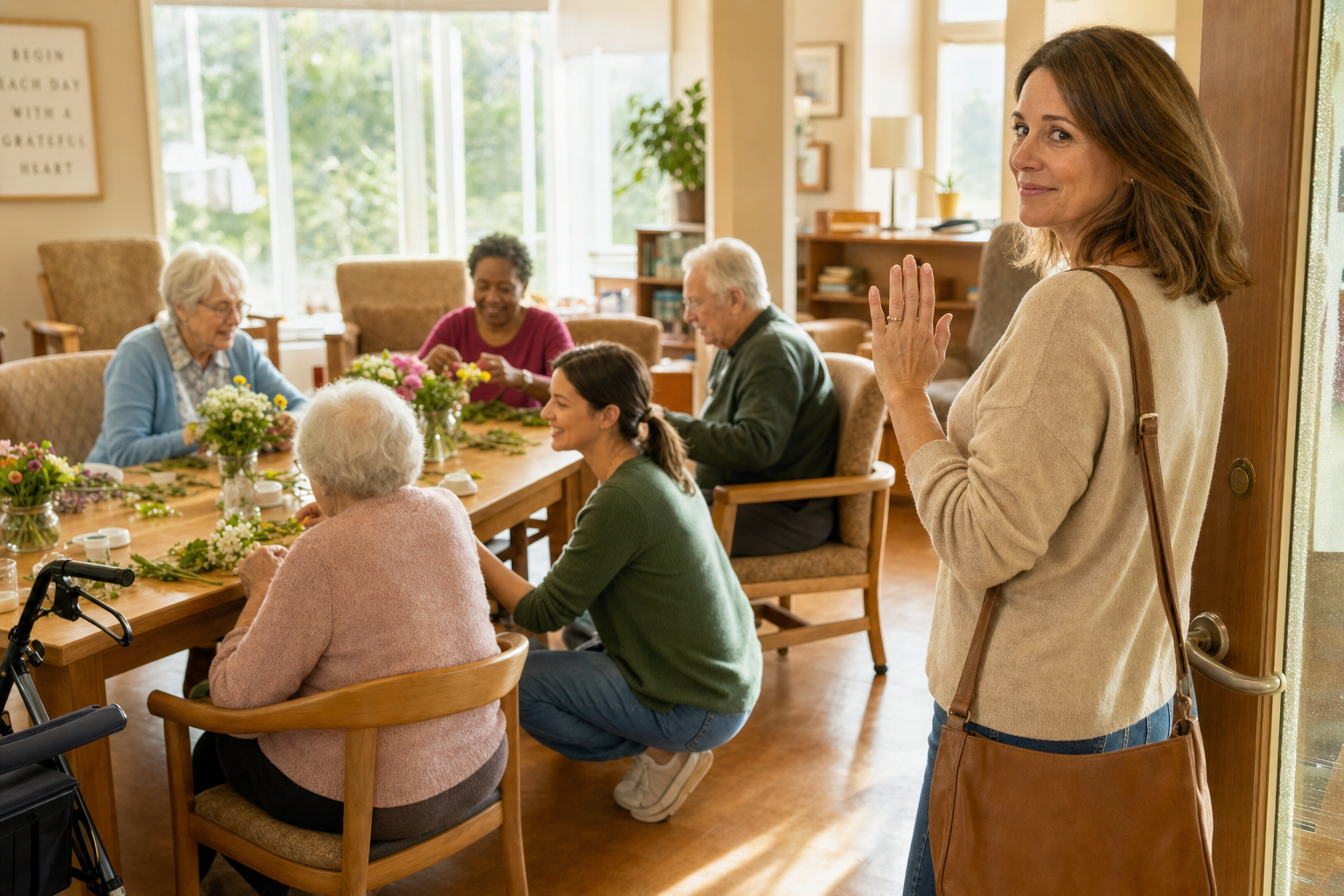 —
—Dementia and Adult Day Care: What Family Caregivers Need to Know About Benefits, Costs, and Choosing a Memory Care Day Center
This guide helps family caregivers of a loved one with Alzheimer's or another dementia understand how adult day centers designed for cognitive impairment can provide measurable benefits for both the person with dementia and the caregiver. It covers evidence-based outcomes, what makes a center truly dementia-capable, cost and funding specifics, evaluation questions, and a gradual transition strategy.
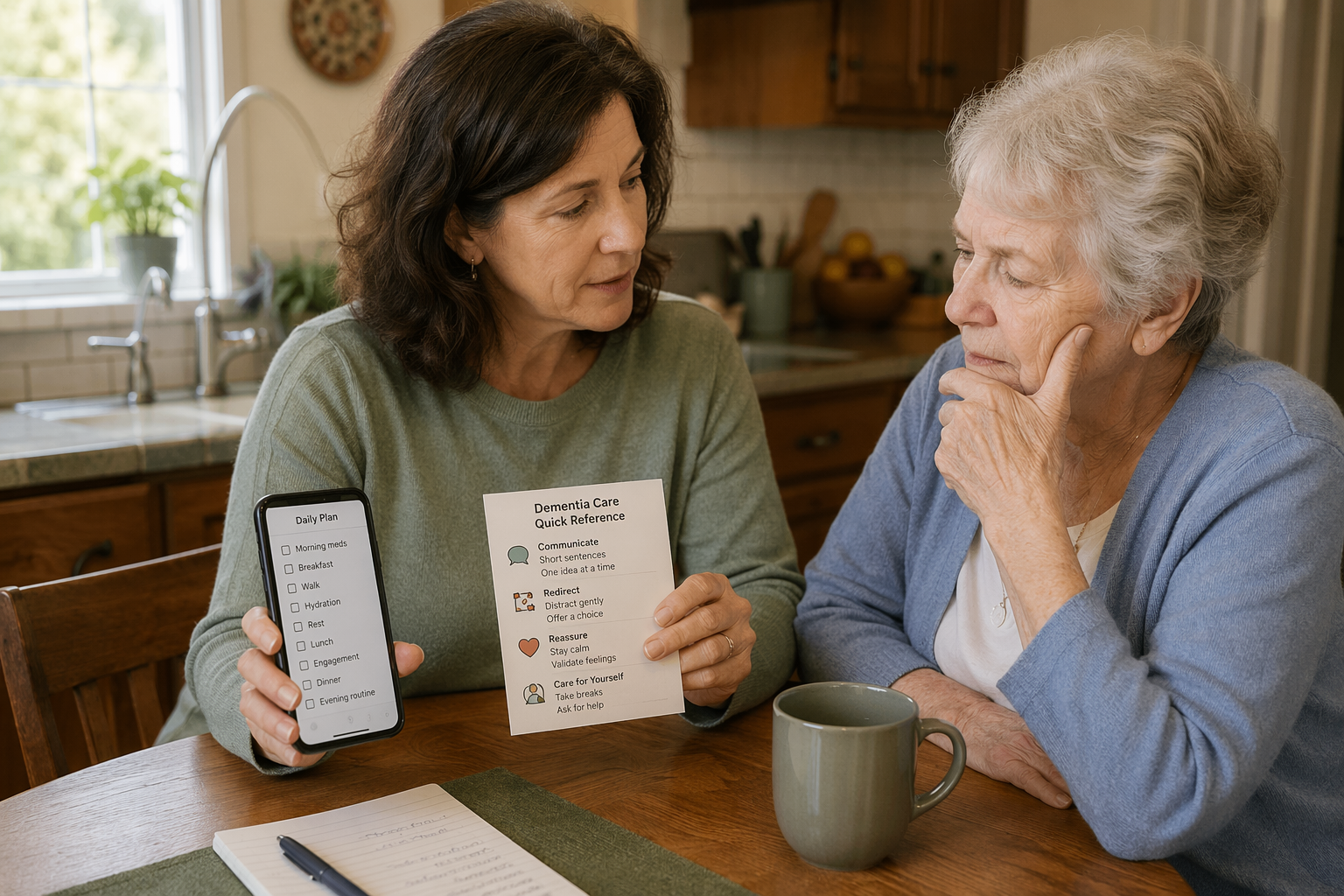 —
—Dementia Behavior Quick-Reference Cards: What to Do When Wandering, Sundowning, and Aggression Happen
These quick-reference cards give family caregivers step-by-step guidance for handling common dementia behaviors like wandering, sundowning, and aggression in the moment. Each card follows a consistent format—Recognize, Understand, Act, Prevent, When to Call the Doctor—so you can find help fast when you need it most.
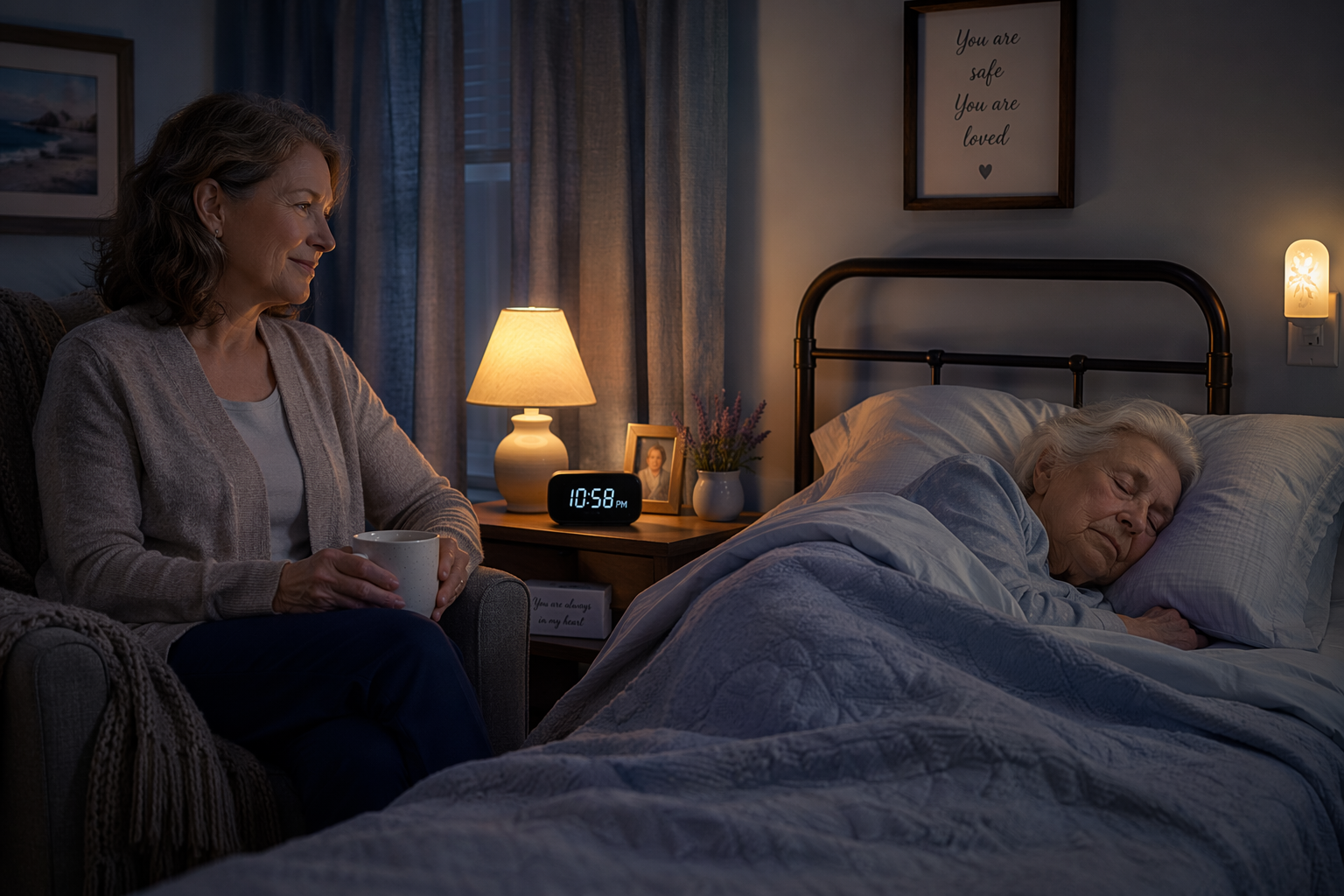 —
—The Caregiver Sleep Crisis: Why 94% of Dementia Caregivers Are Sleep-Deprived and a Practical Recovery Plan
Chronic sleep deprivation is not a normal part of dementia caregiving — it is a measurable health crisis. This guide explains the physiological risks of caregiver sleep loss and provides evidence-based, non-pharmacological strategies to protect your own sleep, even when your loved one's sleep is unpredictable.
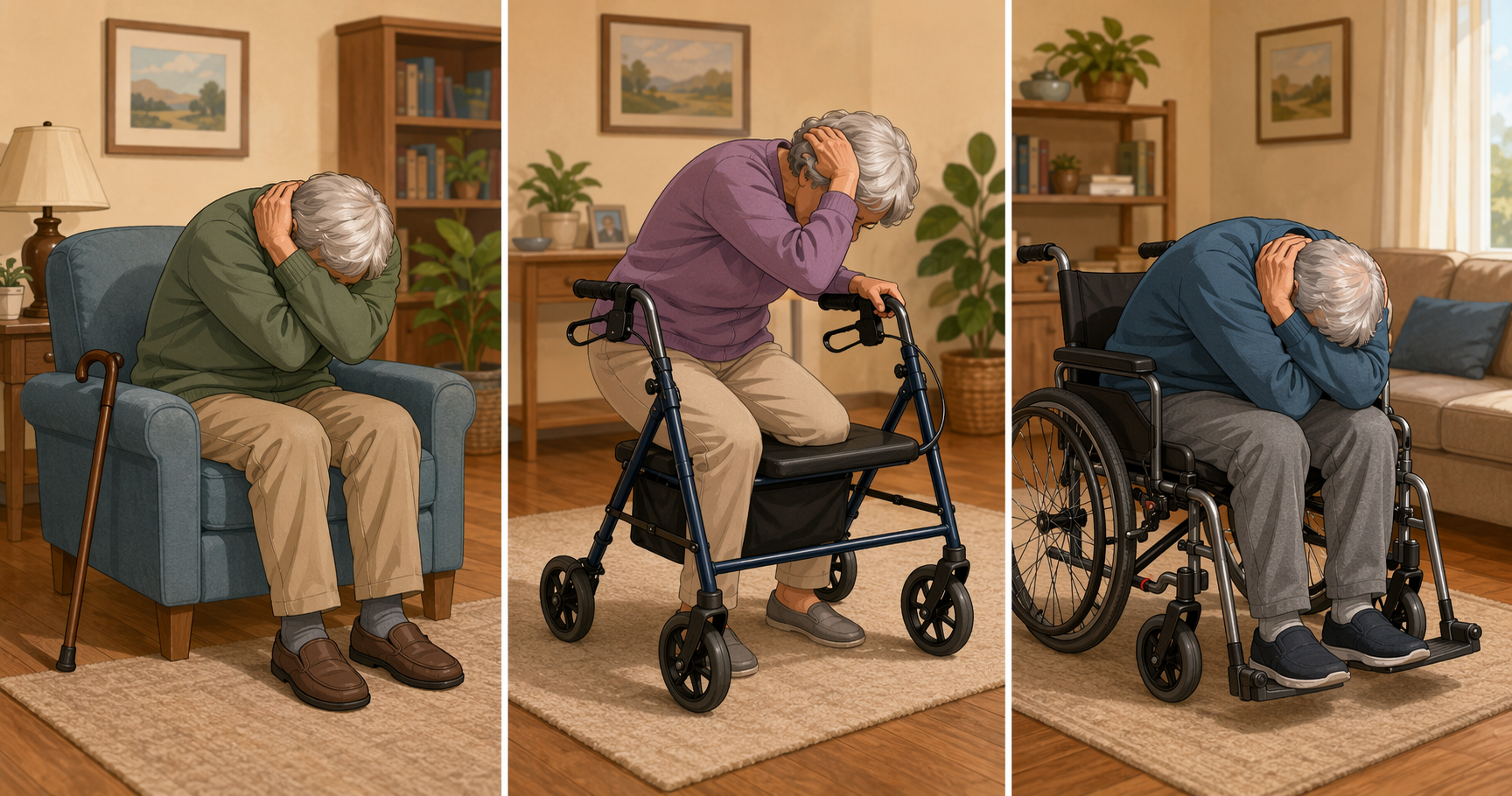 —
—Earthquake Safety for Seniors with Limited Mobility
When you use a cane, walker, or wheelchair, the standard Drop, Cover, and Hold On advice doesn't apply. This guide explains the adapted positions for each mobility aid, how to prepare each room of the home, and simple practice drills to ensure you can execute the right response under stress.