
Flagship section
Fall Prevention
The flagship section, built directly on the CDC STEADI screen-assess-intervene model. Contains the fall risk screening quiz, the post-fall decision tree for active crisis situations (conscious/responsive checks, when to call 911 vs. urgent care, what to watch for in the following 72 hours), risk-factor explainers (medication side effects, vision, balance), and numbered warning-sign guides. This is the only group that owns crisis-path content; modification and mobility groups link back here rather than duplicating triage guidance.
Plan ahead
other
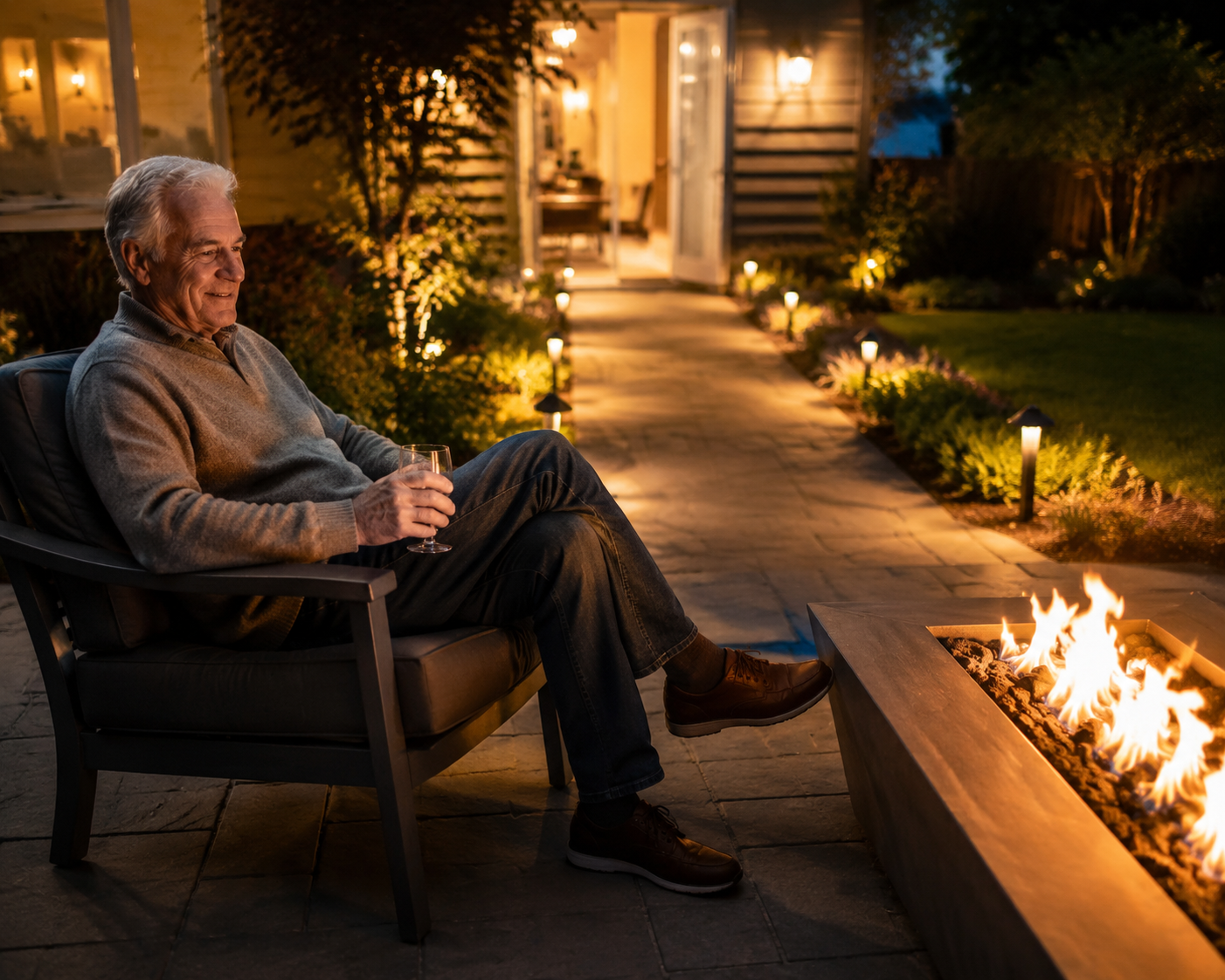 —
—How to Keep Your Elderly Parent Safe Around a Fire Pit
A 10-point checklist to help caregivers assess and adapt an older adult's fire pit area, addressing fall risks, seating stability, lighting, and fire type to prevent burns while preserving enjoyment.
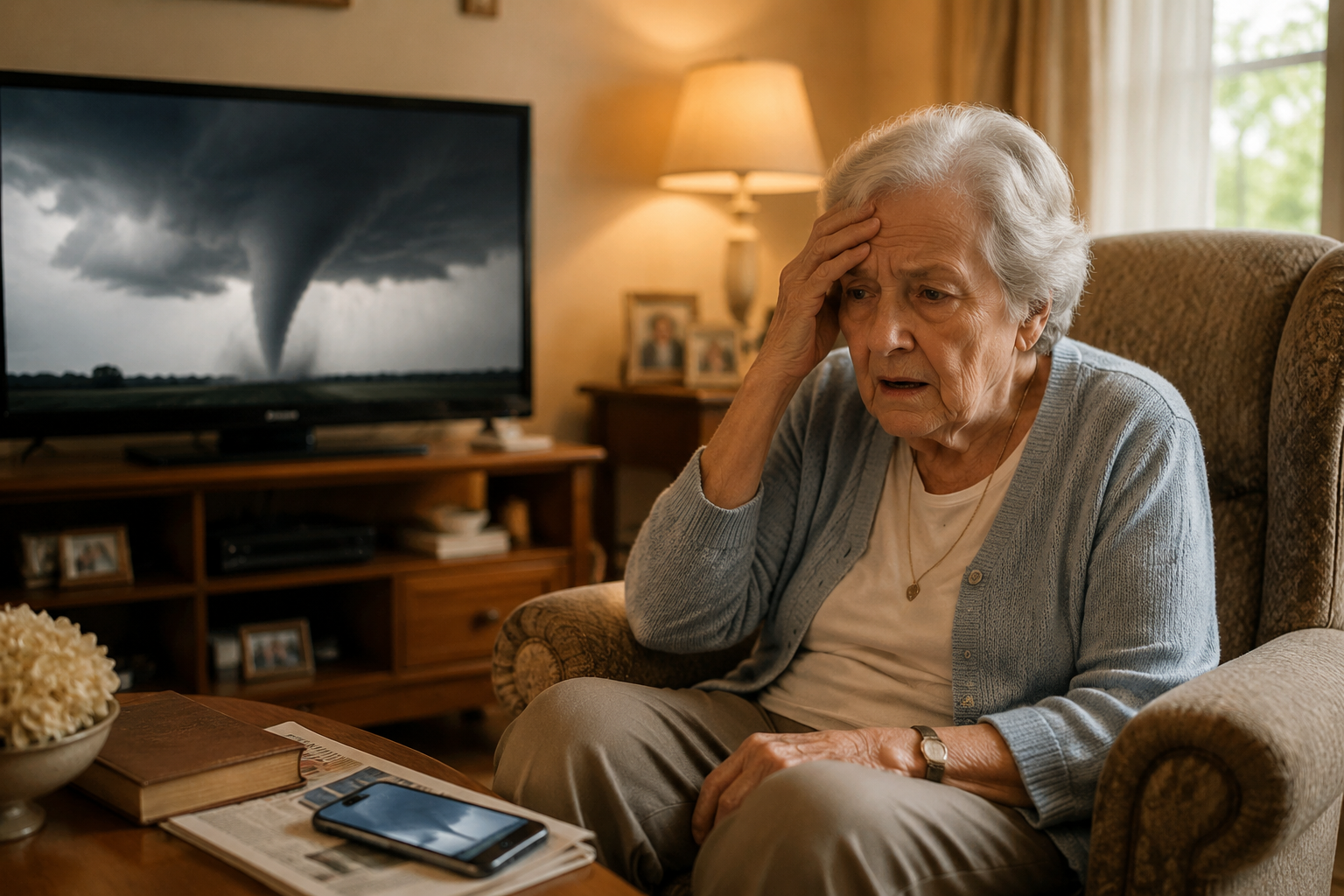 —
—How to Explain Tornado Warnings to Elderly Parents
A practical guide for adult children to translate NOAA tornado alerts into clear, sensory-based action steps that work despite hearing loss, vision changes, or cognitive decline, plus a monthly rehearsal routine to make safe response automatic.
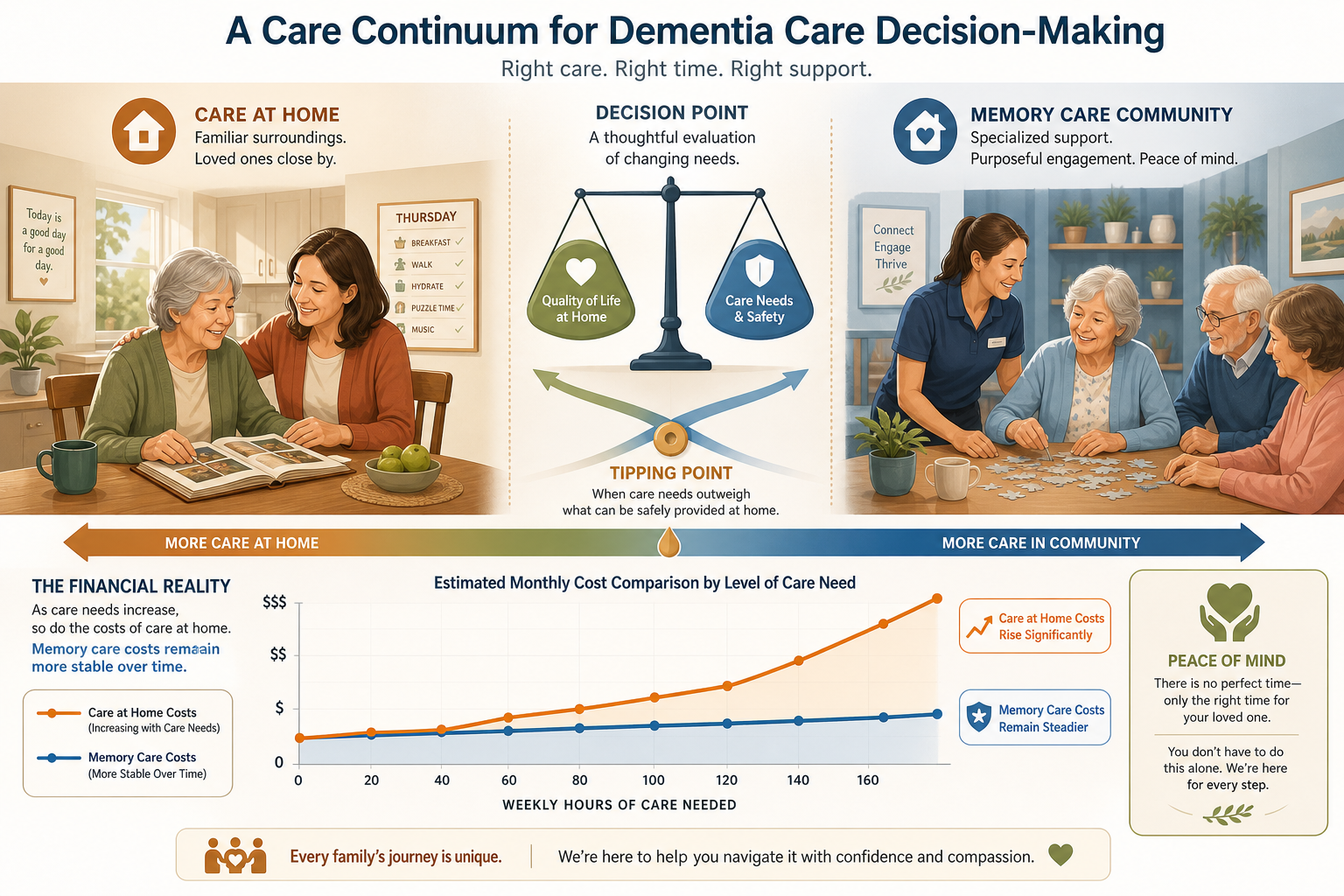 —
—Home Care vs. Memory Care: The 2026 Cost-Benefit Analysis Every Family Caregiver Needs Before Making the Transition
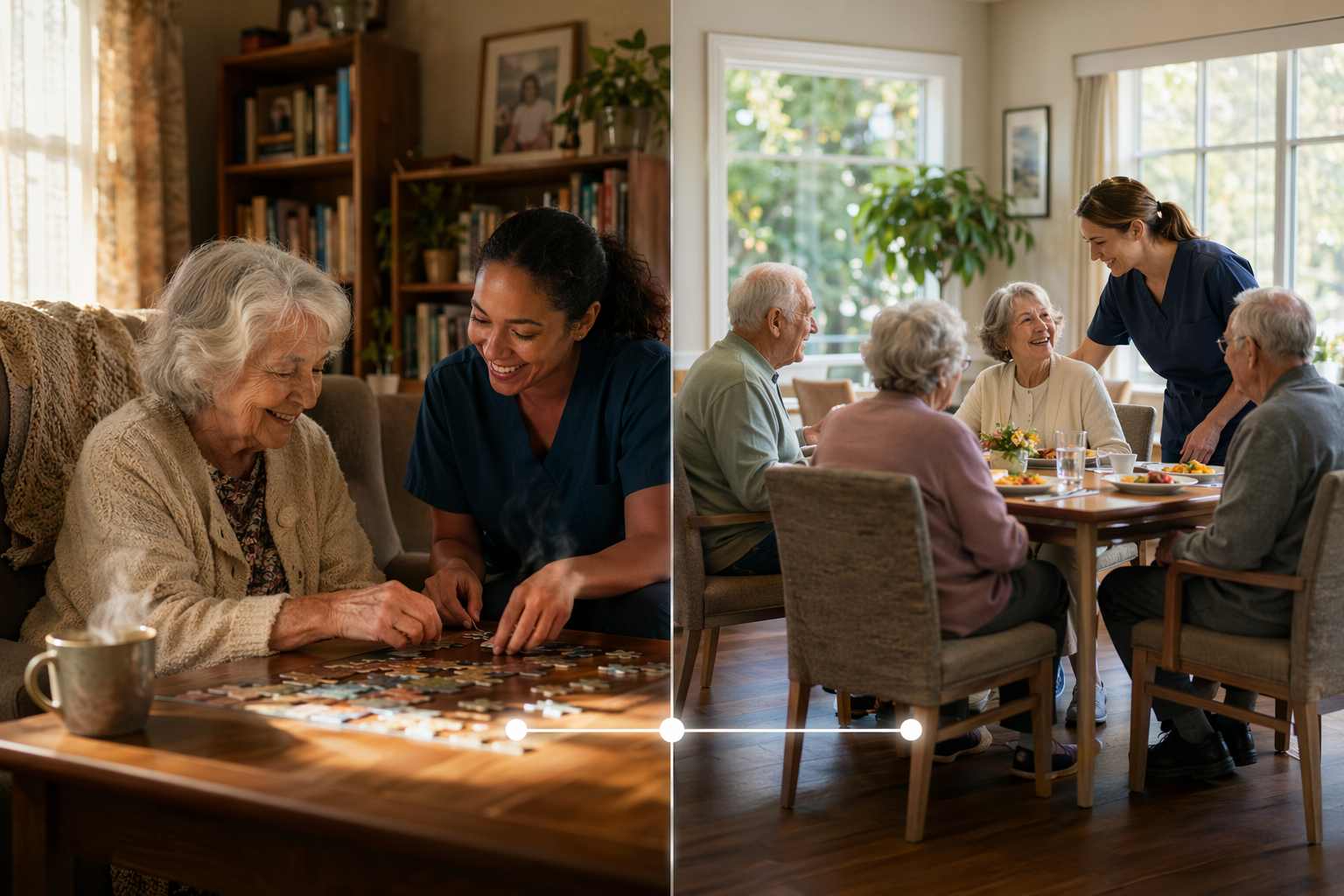
This article helps family caregivers of a parent with dementia compare the true costs of home care versus memory care. It reveals when home care becomes more expensive than a facility and provides a stage-by-stage decision framework.
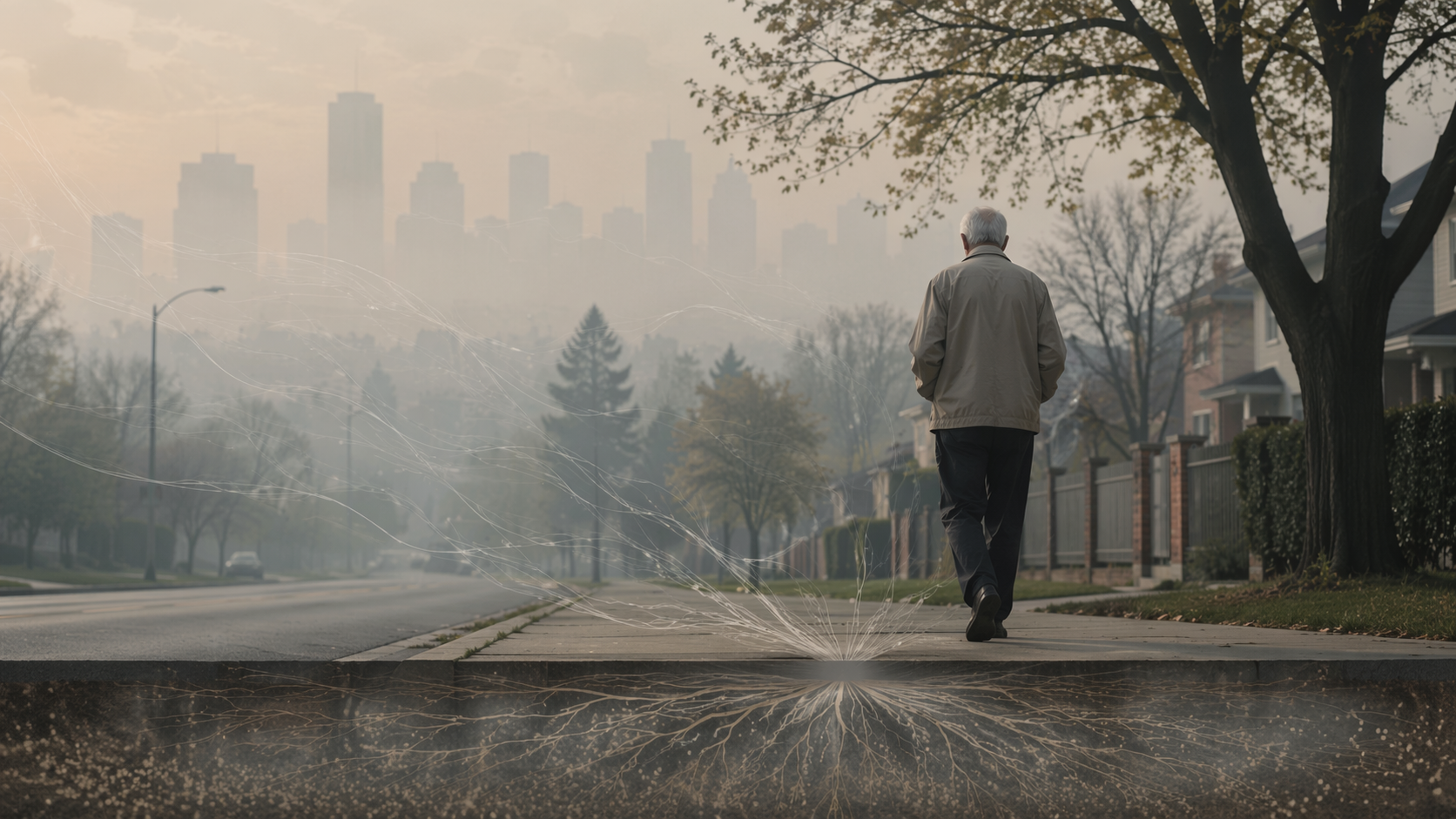 —
—How to Use the Air Quality Index for Senior Fall Prevention
New research links air pollution to increased fall risk in older adults. This guide explains how caregivers can use the daily Air Quality Index to protect their parent from an overlooked fall hazard.
 —
—How to Ensure Hurricane Preparedness for Seniors with Medical Needs
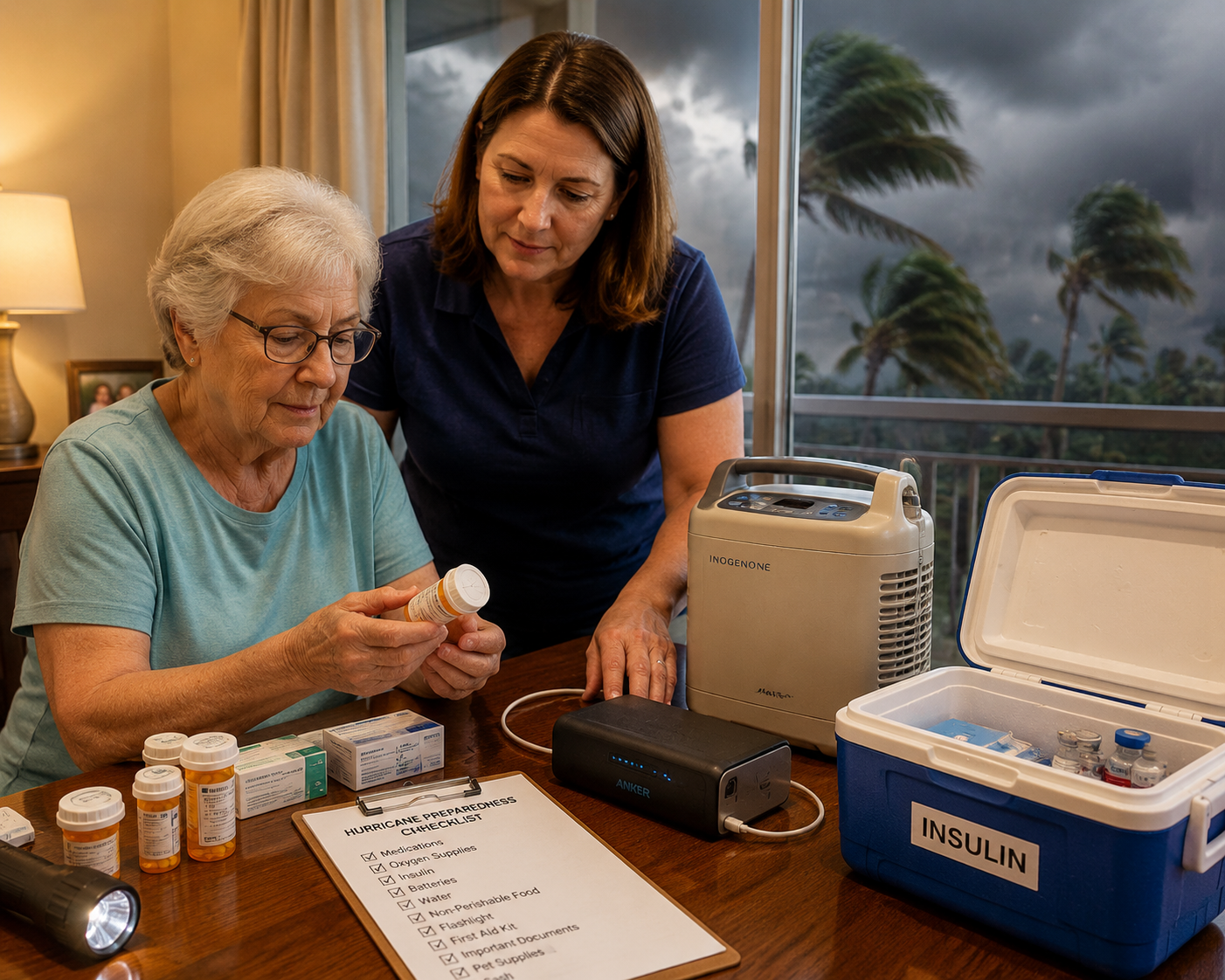
A medical-focused hurricane preparedness guide for family caregivers of older adults, covering medication refills, backup power for equipment, Special Needs Shelter registration, and chronic condition continuity before, during, and after a storm.
 —
—Hurricane Preparedness Tips for Seniors: Evacuate or Shelter in Place?
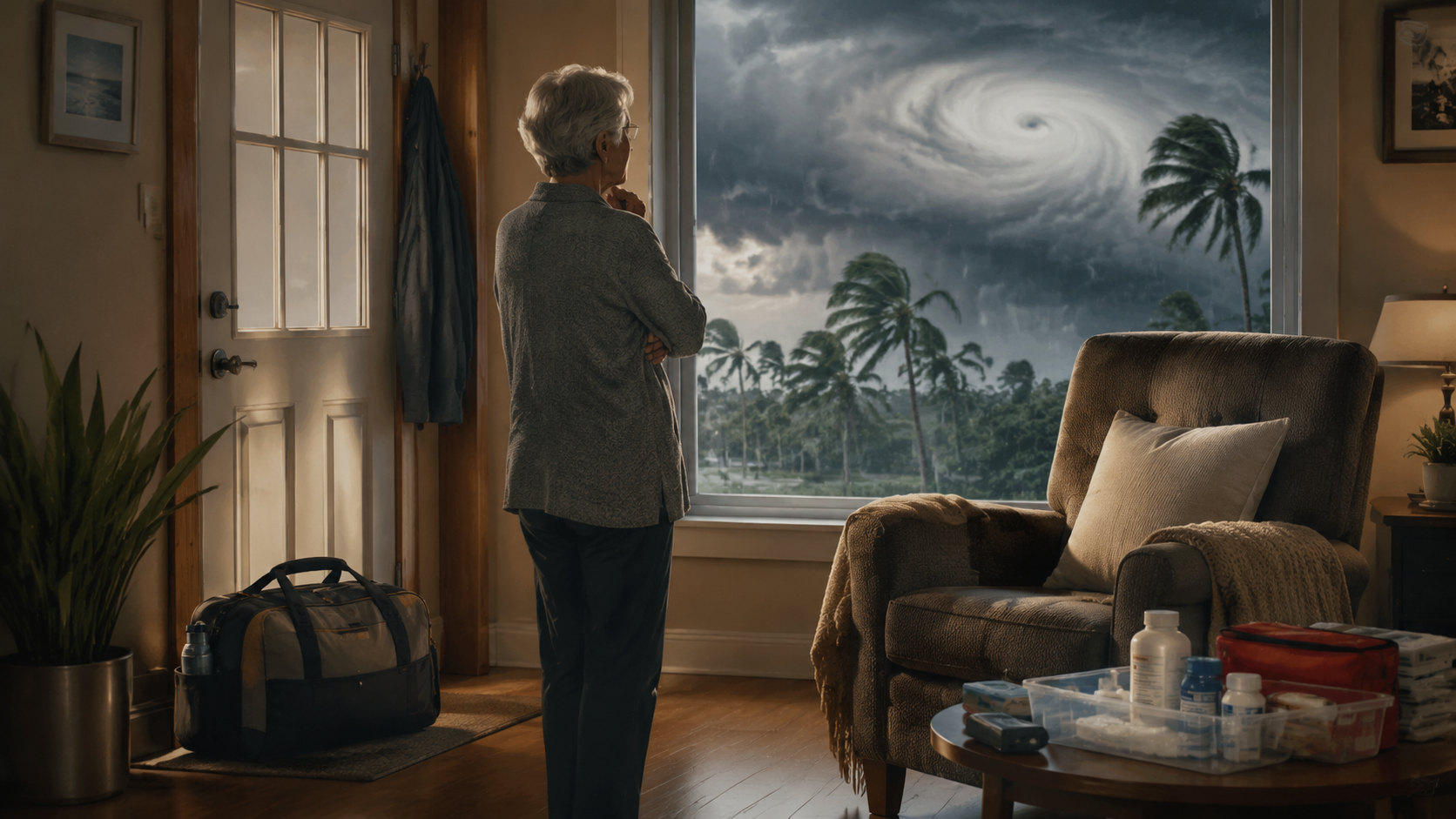
Deciding whether an aging parent should evacuate or shelter in place during a hurricane is not a simple yes-no question. This guide provides a structured decision framework tailored to seniors' medical, mobility, cognitive, and financial realities, plus preparation steps that must happen weeks before hurricane season.
 —
—Live-In Caregiver for a Parent with Dementia: A Complete Guide to Hiring, Training, and Safety at Every Stage
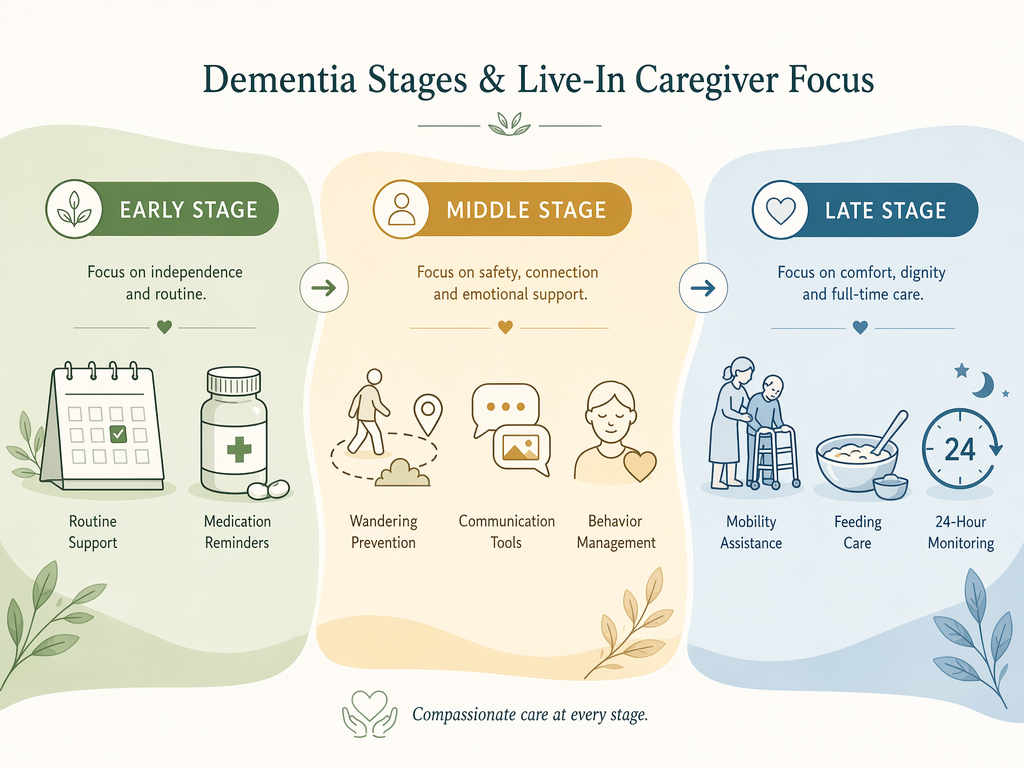
This guide helps adult children and spousal caregivers understand what it really takes to hire and manage a live-in caregiver for a person with Alzheimer's or dementia. It covers dementia-specific hiring criteria, stage-adapted care expectations, essential home safety modifications, and the cost realities that determine whether live-in care is a sustainable alternative to memory care.
 —
—The Real Cost of a Live-In Companion in 2026: What Families Pay, What They Get, and the Hidden Trade-Offs vs. Assisted Living
Live-in companion care can cost $9,000–$12,000+ per month, but the published ranges are misleading. This article gives family caregivers a transparent, data-driven breakdown of what that money actually buys, the hidden costs, and a practical decision framework for comparing live-in care with assisted living.
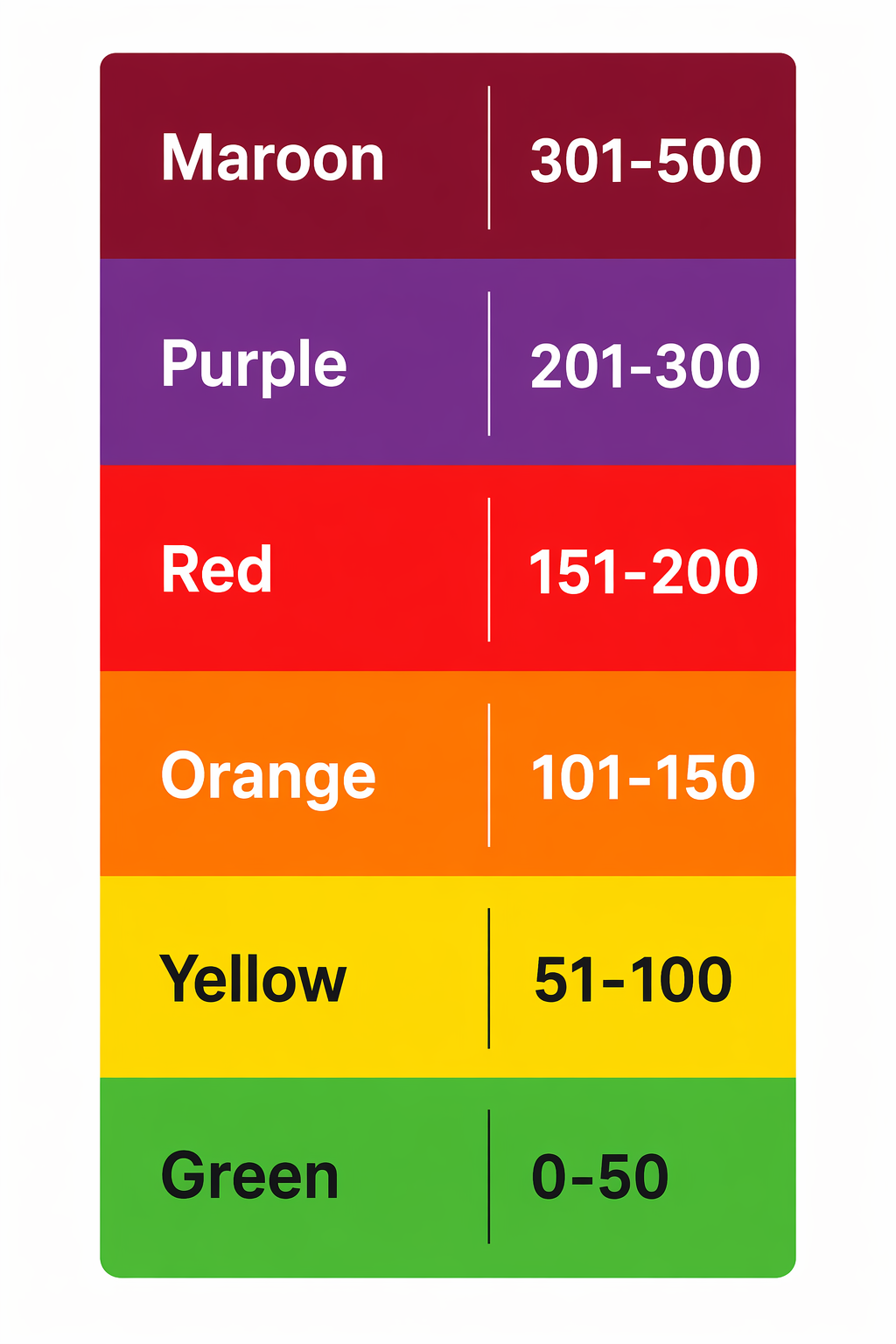 —
—How to Protect an Older Adult During an Air Quality Alert
Understand why seniors are especially vulnerable to poor air quality and learn immediate actions to take at each alert level to protect their health and prevent complications.
 —
—Room-by-Room Air Quality Checklist for Seniors with COPD
This room-by-room checklist helps caregivers of seniors with COPD identify and reduce indoor air quality triggers using low-cost, actionable steps supported by clinical evidence — from bedroom HEPA filtration to kitchen exhaust fan usage.
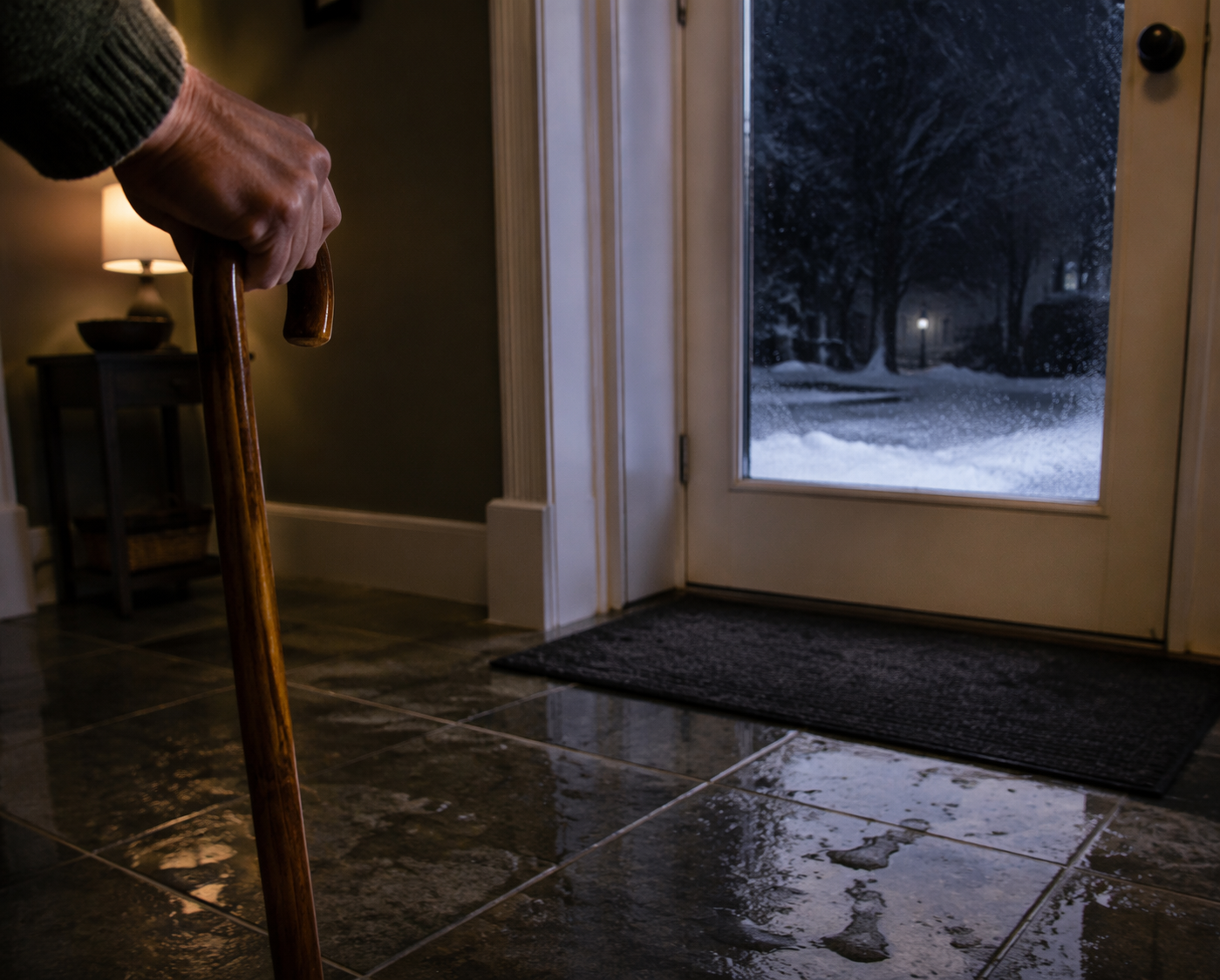 —
—Help an Older Adult Stay Safe and Steady During Severe Weather
Severe weather creates hidden fall risks for older adults — icy walkways, dark rooms during power outages, wet floors, and disorientation. This guide shows caregivers how to apply fall prevention principles before, during, and after a storm to prevent the most common injury.
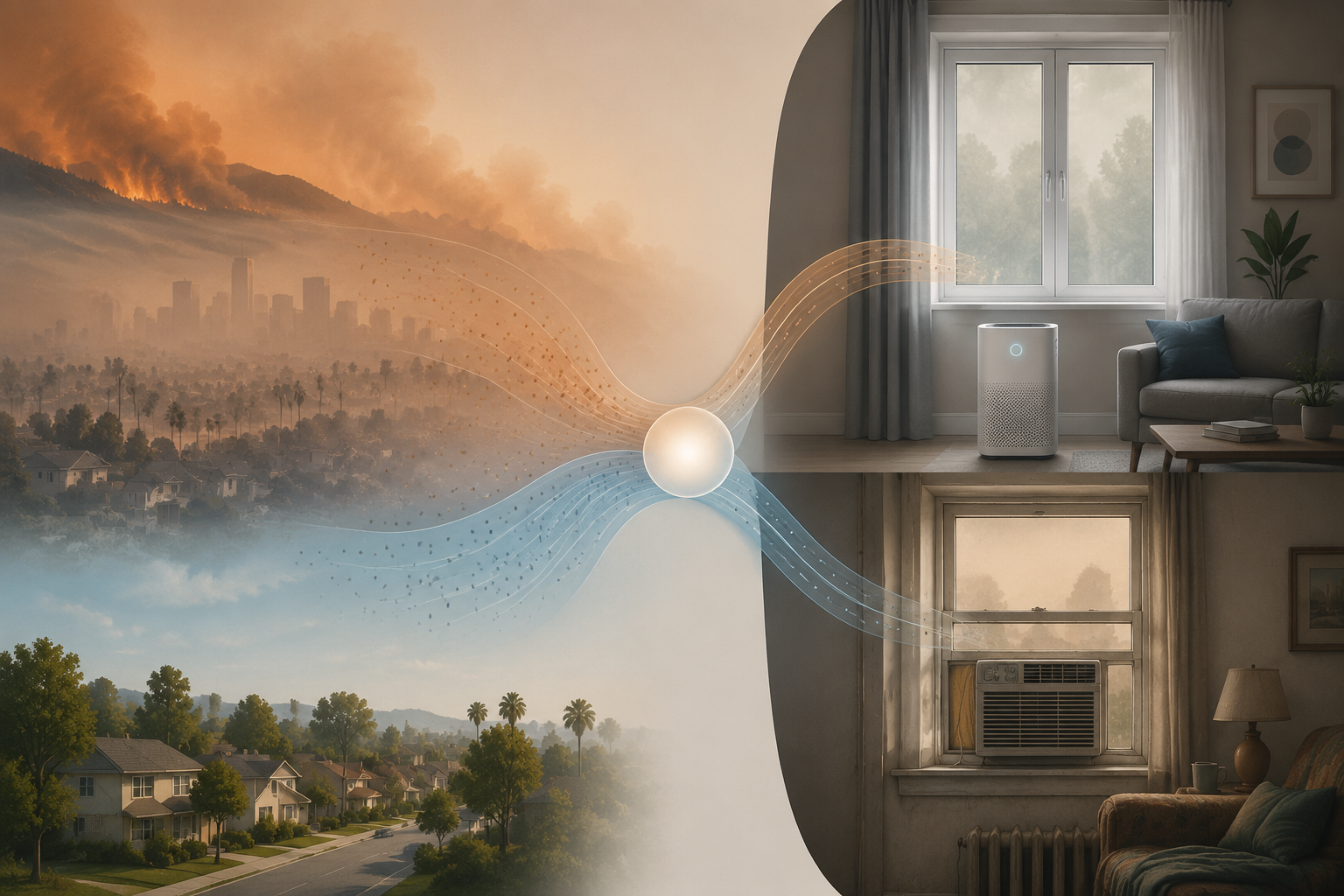 —
—Not All Older Adults Face the Same Risk from Smoky Air
Wildfire smoke doesn't affect all older adults equally. This article breaks down the evidence on how race, gender, poverty, and geography create a hierarchy of risk, helping caregivers prioritize protection for those most vulnerable.