
Caregiver decision guide
The Aging in Place Reality Check: What the 2026 Data Says About Who Actually Succeeds at Staying Home
For adult children whose parent wants to stay at home, this guide translates the latest 2025–2026 data into a clear readiness framework. It covers the stark gap between desire and preparation, the true costs of home modifications and in-home care, the technology opportunity, and the social isolation risk — helping families make informed decisions.
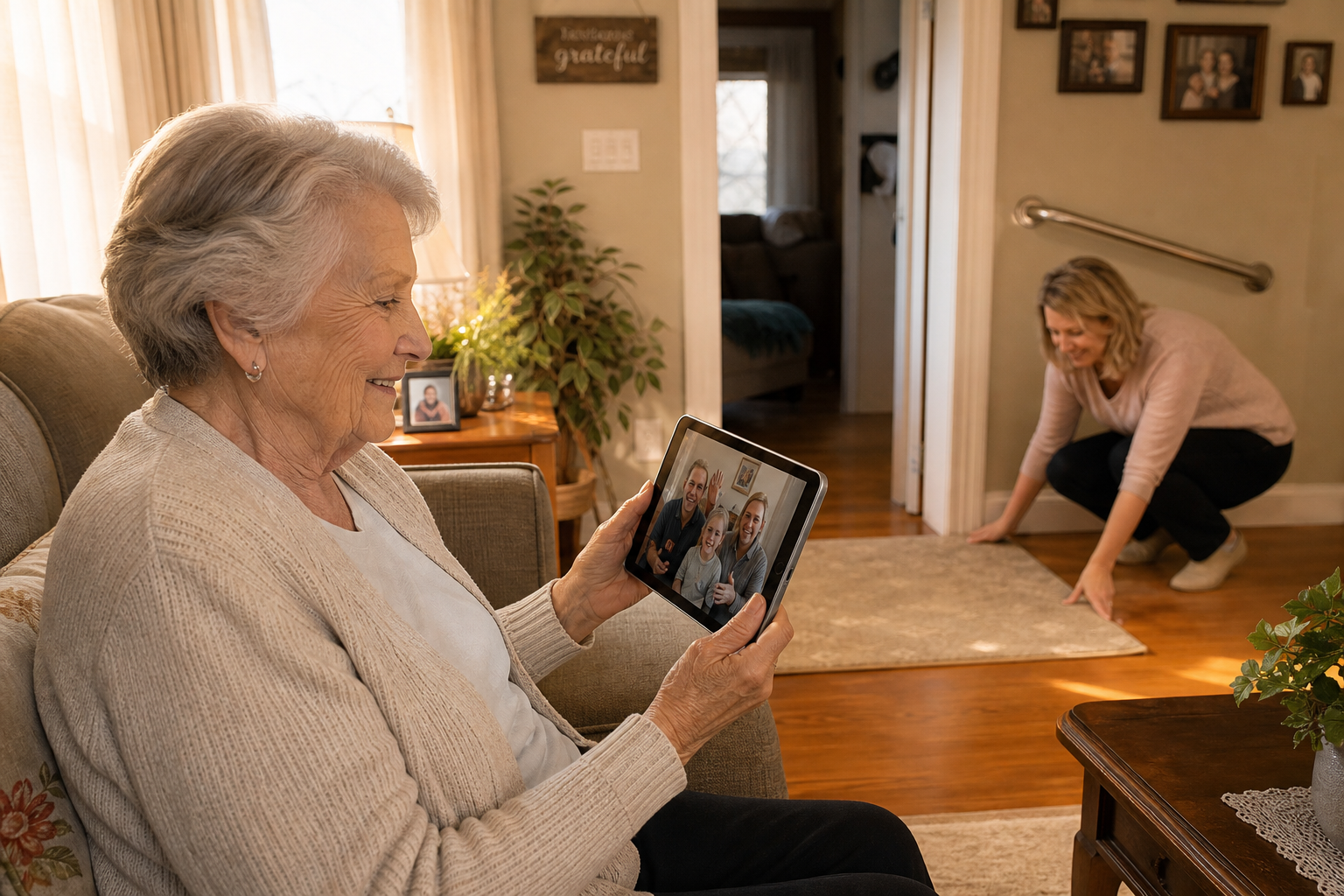
The Desire Gap: Why 93% of Older Adults Live at Home but Only 34% Are Confident Their Home Can Support Them
The numbers paint a clear picture of what older Americans want. According to a February 2026 survey by the Pew Research Center, 93% of U.S. adults aged 65 and older currently live in their own home or apartment. Among those who live at home without a caregiver, 60% say they would want to stay in their home and have someone care for them if they could no longer live independently. Only 18% would prefer assisted living, 11% would move in with family, and just 1% would choose a nursing home.
That overwhelming preference, however, collides with a sobering reality. The same Pew survey found that only 34% of older adults say their home "definitely" has the features needed to support aging in place. Among those who want to stay home with a caregiver, just 37% think this outcome is extremely or very likely to happen. Nearly one in five (18%) say it is not too likely or not at all likely.
For the adult child reading this — likely in your 40s or 50s, possibly after a parent's recent fall or diagnosis — the emotional stakes are high. Your parent wants to stay home. You want to support that wish. But the path from desire to safe, sustainable aging in place is not automatic. It requires honest assessment, financial planning, and a willingness to confront the gaps that the data exposes.
The Home Readiness Crisis: Why 9 in 10 Homes Are Not Built for Aging
The most immediate barrier to aging in place is the physical home itself. Data aggregated by Choice Mutual from U.S. Census sources reveals that only 10% of American homes are "aging ready." That means 9 out of 10 homes lack the basic features that make independent living safe and accessible for someone with changing mobility needs.
The missing features are not exotic. They are the structural elements that most homes built before the 1990s simply do not include:
- Step-free entryways (no stairs at the front or back door)
- A first-floor bedroom and full bathroom
- Wide doorways (at least 32 inches) to accommodate a walker or wheelchair
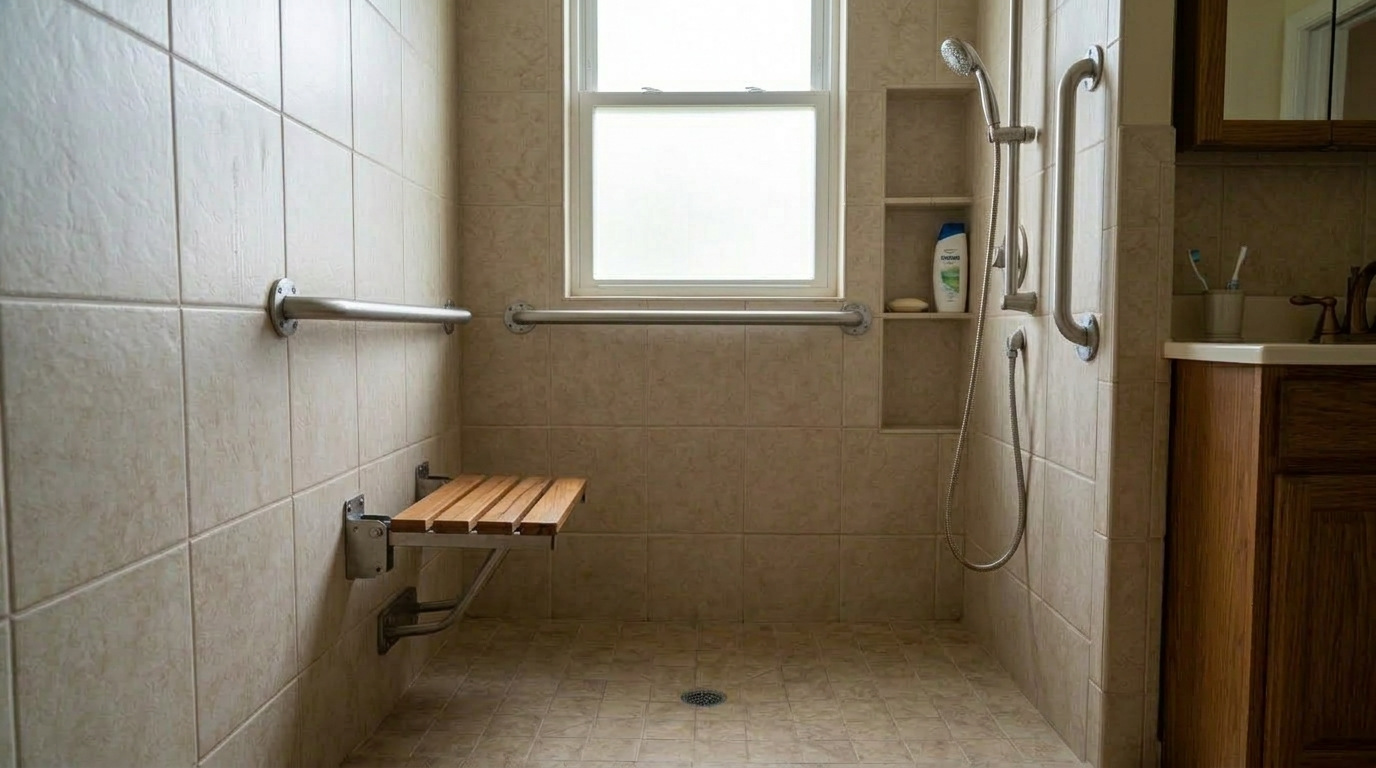
- Accessible showers with no-step entry and grab bars
- Lever-style door handles instead of round knobs
Despite these obvious gaps, the majority of older adults are not taking action. The same data shows that only 18% of adults aged 50 and older have made any modifications to help them age in place. Even more striking: 85% of seniors who plan to stay in their current homes do not believe they will need significant modifications. Yet nearly 80% of older adults say they would need bathroom modifications such as grab bars and walk-in showers.
For a detailed, room-by-room breakdown of what modifications are most effective and how to prioritize them, see our Occupational Therapist's Guide to Aging-in-Place Home Modifications. For the research backing these recommendations, read The Evidence Behind Aging in Place Home Modifications.
The Cost Reality: What Aging in Place Actually Costs (and Who Pays)
The financial dimension of aging in place is where many families encounter their most difficult decisions. The costs fall into three main categories: home modifications, in-home care, and long-term care insurance (or the lack of it).
Home Modification Costs
Making a home safe and accessible is not cheap. According to data compiled by Choice Mutual, home modifications for accessibility range from $10,000 to $100,000, depending on the scope of work. A single grab bar installation might cost $150, but a full bathroom remodel with a walk-in shower, reinforced walls, and non-slip flooring can run $15,000 or more. A stair lift adds $3,000 to $10,000. A ramp installation ranges from $1,000 to $5,000.
The financial case for making these investments is strong. Our guide on The Financial Case for Fall-Proofing a Senior's Home compares the cost of modifications against the cost of a single fall-related hospitalization, which can easily exceed $30,000.
In-Home Care Costs
For many older adults, aging in place eventually requires paid help. According to Charles Schwab, the annual median cost of an in-home health aide was $77,792 in 2024. This figure varies significantly by region — care in the Northeast or West Coast can be 20–30% higher than the national median, while rural areas in the South may be lower.
To put that number in perspective, the table below compares the annual cost of in-home care with other common long-term care options and with long-term care insurance premiums.
| Care Option | Annual Cost (National Median, 2024) | Notes |
|---|---|---|
| In-home health aide (44 hours/week) | $77,792 | Varies by region; does not include housing costs |
| Assisted living facility | $64,200 (est.) | Includes housing, meals, and basic assistance |
| Nursing home (semi-private room) | $108,405 (est.) | Highest level of medical care |
| LTC insurance premium (age 55, $165K benefits) | $1,750 (male) / $2,855 (female) | Premiums increase with age at purchase |
The Long-Term Care Insurance Gap
Given these costs, one might expect most older adults to carry long-term care insurance. The reality is the opposite. The Pew Research Center survey found that only 21% of adults aged 65 and older have long-term care insurance. Meanwhile, 78% of adults aged 55 and older have at least one chronic condition that may require in-home support, according to CDC data cited by Choice Mutual.
For families without LTC insurance, the financial burden falls on personal savings, family contributions, or Medicaid — which requires spending down assets to qualify. For a comprehensive overview of payment options, see our guide on Options for Elderly Care: A Complete Guide to Paying for Home Care, Assisted Living, and Nursing Homes in 2026.
The Technology Opportunity: 80% Already Own Aging Tech, but 64% Say It Isn't Designed for Them
Technology is often presented as the solution that will make aging in place easier, safer, and more connected. The data suggests the potential is real — but the execution is lagging.
A January 2025 report by AARP and the Consumer Technology Association found that 80% of older Americans already own at least one type of technology that enables aging at home. Over half express a high likelihood of buying more. The AgeTech market is projected to reach $120 billion by 2030.
Yet a significant adoption gap remains. The report highlights specific categories where ownership is low despite expressed interest:
- Connected medical alert devices: Only 3% own one, but an additional 18% would be likely to purchase
- Continuous glucose monitors: Only 6% own, but an additional 8% would purchase
- Over-the-counter digital hearing aids: Only 3% own, but an additional 10% would purchase
What is holding people back? The same survey identifies two primary barriers: 60% cite cost as a barrier to purchase, and 41% cite reliability concerns. But perhaps the most telling statistic is this: 64% of adults aged 50 and older do not feel technology today is designed with their age in mind, according to AARP's 2024 Tech Trends Survey.
For families evaluating technology options, UCLA Health identifies six technology categories that support aging in place:
- Smartphones and tablets for cognitive engagement, AI voice assistants, and socialization
- Smart home systems for lighting, temperature, and safety
- Remote health monitoring for vital signs, sleep, and activity
- Medication management systems (nearly 35% of adults aged 60–79 take five or more prescription drugs, per the CDC)
- Sensor technology for motion, vital sign, and sound monitoring
- Personal emergency response systems (PERS) with GPS and two-way communication
To determine which technology categories are most appropriate for your parent's specific health profile and living situation, use our Elderly Monitoring Systems Decision Framework.

The Social Isolation Risk: The Overlooked Threat to Aging in Place
Home modifications and technology address the physical and medical dimensions of aging in place. But there is a third dimension that is often neglected until it becomes a crisis: social connection.
The data on social isolation among older adults is sobering. According to Choice Mutual's aggregation of multiple studies, 24% of community-dwelling older adults experience social isolation. A separate analysis by Charles Schwab notes that social isolation increases the likelihood of anxiety, dementia, depression, heart disease, and stroke. The same Schwab article reports that lifestyle medicine can help ameliorate up to 80% of chronic diseases — but social connection is a prerequisite for many of those lifestyle changes.
The challenge is compounded by the fact that many older adults do not know where to find social connections. The Choice Mutual data indicates that 40% of older adults do not know where to find social connections, even though 77% maintain weekly contact with family, friends, or neighbors. The gap between having some contact and having meaningful, regular social engagement is significant.
For families planning for aging in place, addressing social isolation should be as high a priority as installing grab bars. Practical steps include:
- Scheduling regular video calls with family members who live far away
- Identifying local senior centers, religious organizations, or community groups
- Exploring volunteer opportunities that match the older adult's abilities and interests
- Setting up a regular transportation plan (family, ride services, or community shuttles)
- Introducing technology that facilitates social connection, such as simplified tablets or voice-activated devices
Your Actionable Readiness Framework: A 4-Step Plan for Families
The data in this article is not meant to discourage you. It is meant to equip you with a clear-eyed understanding of what aging in place actually requires. The families who succeed are the ones who move from desire to deliberate planning. Here is a four-step framework to guide that process.
Step 1: Conduct a Comprehensive Home Assessment
Start with the physical environment. Use our Fall Prevention at Home: How to Build a Complete Aging-in-Place Safety System as your starting point. This guide integrates the CDC STEADI model with home modifications and community services. Walk through every room with a checklist. Identify the three most critical modifications first — typically bathroom safety, a step-free entry, and adequate lighting. Get quotes from CAPS-certified contractors for any structural work.
Step 2: Build a Realistic Care Plan
Aging in place is not a static state. Needs change over time. Develop a care plan that anticipates increasing levels of assistance. Our How to Set Up Home Assistance for an Aging Parent: An 8-Step Action Plan for Family Caregivers walks through the process of identifying needs, finding helpers, and coordinating care. Include a contingency plan for what happens if the primary caregiver becomes unavailable.
Step 3: Create a Financial Plan
Use the cost data in this article to build a realistic budget. Factor in:
- One-time home modification costs ($10,000–$100,000)
- Ongoing in-home care costs ($77,792/year median, likely higher in 2026)
- Technology purchases and monthly monitoring fees
- Long-term care insurance premiums (if not already purchased)
- Medicaid planning (if assets may need to be spent down)
For a detailed breakdown of payment options, see Options for Elderly Care: A Complete Guide to Paying for Home Care, Assisted Living, and Nursing Homes in 2026.
Step 4: Build a Support Network
No one can age in place alone. Identify the people and services that will form your parent's support network:
- Family members who can provide regular check-ins and transportation
- Neighbors who can offer assistance or simply watch for signs of trouble
- Community services (Meals on Wheels, senior centers, adult day programs)
- Professional care managers or geriatric care coordinators
- Technology that enables remote monitoring and communication
The gap between wanting to age in place and being able to do so safely is real, but it is not insurmountable. The families who succeed are the ones who treat aging in place as an active project — one that requires honest assessment, financial planning, and a willingness to adapt as needs change. The data in this article gives you the map. Now it is time to take the first step.
Questions to bring to a clinician or OT
This is not medical, legal, or a family's final decision — only a framework. Bring these questions to a clinician, occupational therapist, or your local Area Agency on Aging.
Find Local HelpRelated reading
Noticed something outdated or inaccurate on this page? Flag a correction. We review every report against CDC, NIA, and AARP HomeFit guidance before updating a page.