
Caregiver decision guide
Which Food Delivery Fits Seniors with Limited Mobility?
Match food-delivery options to what a senior with limited mobility can still safely do — shopping, carrying, cooking, heating, and chewing — so caregivers can pick the right route without sifting through brand marketing. Covers real cost ranges and doorstep-handling trade-offs across grocery delivery, meal kits, prepared meals, and home-delivered meal programs, with phone-ordering fallbacks for every tier.
After a fall or a visible slowdown, it is tempting to solve food with the most familiar app: groceries from one place, restaurant meals from another, maybe a box of prepared meals if everyone is worried. But food delivery options for seniors with limited mobility are not interchangeable. The right choice depends on where the meal chain is breaking.
A parent who can still cook but cannot safely carry a grocery bag needs a different setup from someone who forgets a burner, cannot open sealed trays, or is losing weight because chewing has become tiring. The order may arrive on time and still fail the person at the threshold, the freezer, the microwave, or the plate.
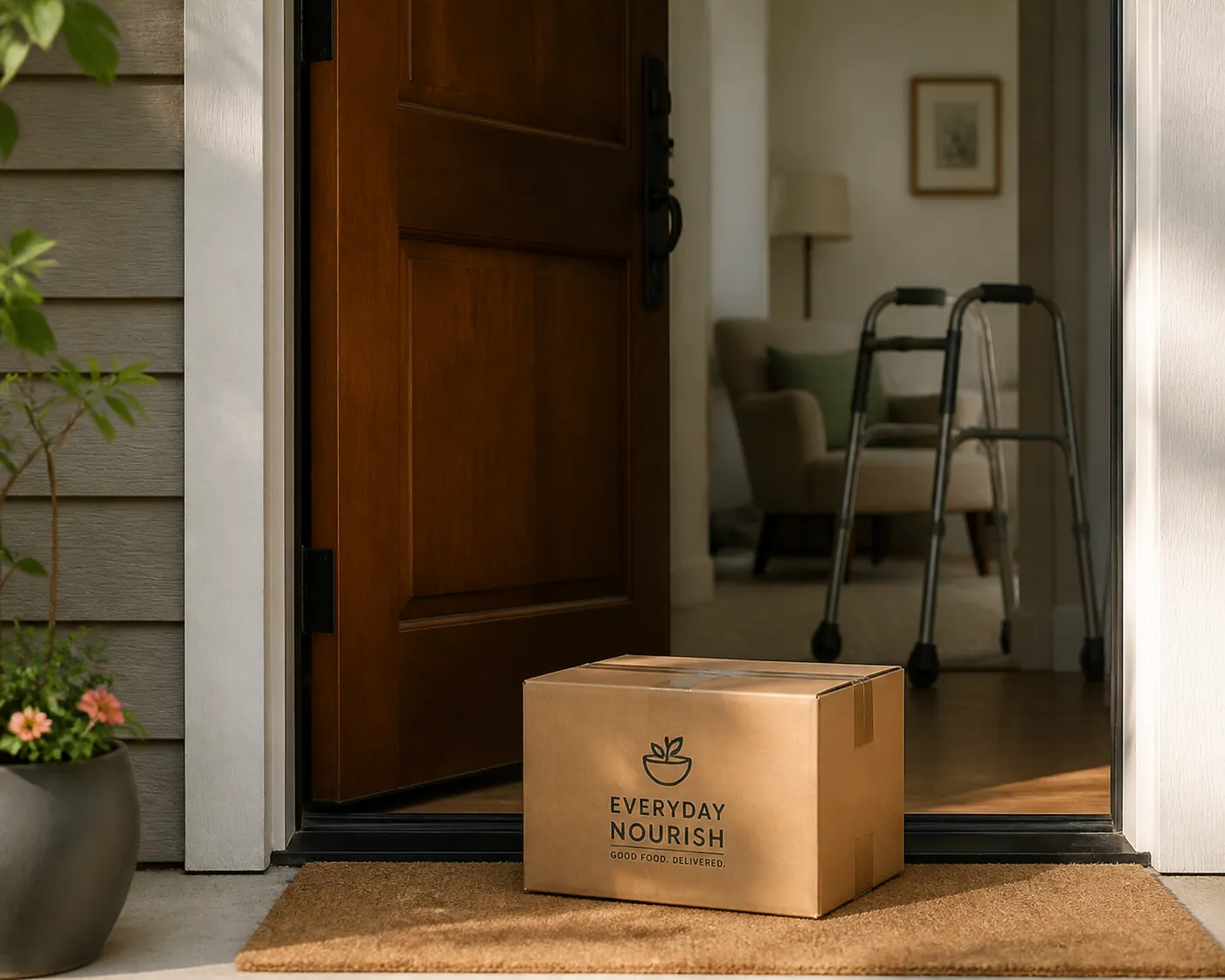
Start With The Ability Screen
Before comparing services, watch one ordinary meal from beginning to end. If you cannot be there, ask the questions in plain terms and check the answers against what you already know from the recent fall, near-fall, or change in stamina. A confident answer is not the same as a safe routine.
| Meal Step | What To Check | If This Step Is Failing |
|---|---|---|
| Shopping and carrying | Can they get groceries, bring them inside, lift bags, and put cold food away before fatigue or imbalance sets in? | Look first at grocery delivery with light-load planning, caregiver-assisted ordering, or local grocery-access help. |
| Cooking | Can they stand, chop, reach, lift pans, remember burners, and move safely between sink, stove, and counter? | Meal kits are only reasonable if cooking is still safe; otherwise move toward prepared meals or delivered meal programs. |
| Heating | Can they read instructions, open packaging, use the microwave or oven safely, and handle a hot tray? | Prepared meals may still work, but only if packaging, appliance use, and hot-food handling are manageable. |
| Eating | Can they chew comfortably, swallow safely, finish meals, and handle textures without avoiding food? | Ask their clinician or dietitian about texture, swallowing, or nutrition concerns before relying on ordinary delivery menus. |
This is also the moment to notice whether the problem is only food or part of a broader shift in household responsibility. If bills, medication routines, cooking, and nutrition are all slipping at once, the food plan should sit inside a larger caregiving check, not off to the side. The nutrition branch overlaps naturally with signs an elderly parent may need to step back from responsibilities.
For a parent who has just fallen, do not treat the kitchen as a separate island. A doorstep box, a slippery entry, a freezer in the basement, or a stove reached by turning around with a walker can become part of the same risk pattern. A professional home safety assessment can help connect the food routine to the rest of the home setup without turning a meal decision into guesswork.
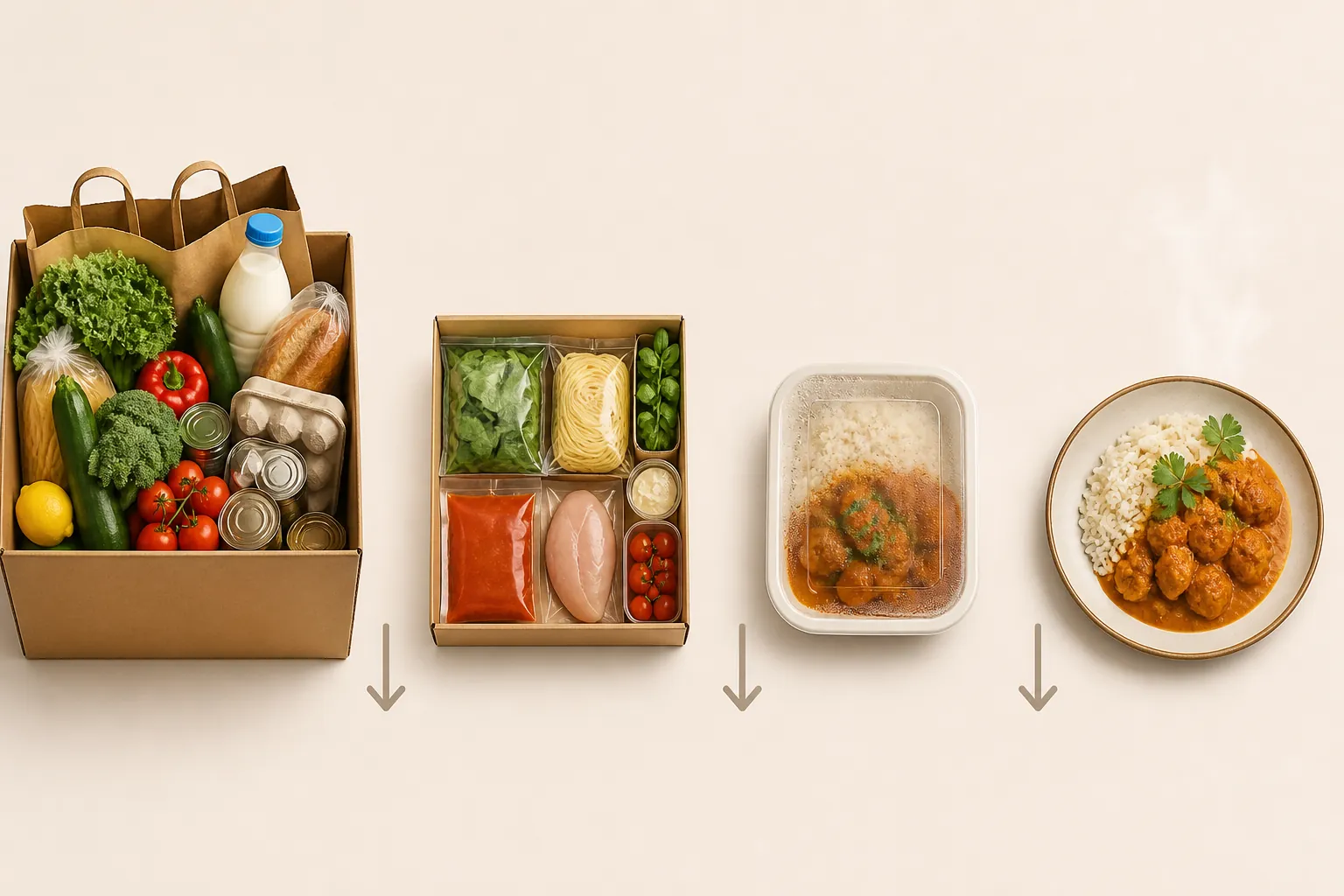
If They Can Cook But Cannot Shop Or Carry
Grocery delivery fits the older adult who can still plan meals, put food away, cook safely, and clean up, but should not be driving, walking store aisles, pushing a cart, or carrying bags. It removes the trip. It does not remove the lift from porch to counter, the reach into cabinets, or the standing time at the stove.
That distinction matters because grocery delivery can quietly leave the hardest part at the door. A gallon of milk, laundry-sized bulk items, canned goods, frozen food, and glass jars can be too much for someone using a walker or recovering from a fall. If the person cannot bring bags inside without bracing on furniture, the service has not solved the mobility problem; it has only moved it from the parking lot to the front step.
Membership pricing gives useful context, but it should not drive the decision by itself. Instacart+ has been listed at $9.99 per month or $99 per year, while Shipt has been listed at $10.99 per month or $99 per year, with delivery waived over $35 in the cited senior-delivery summaries; these figures come from 2024–2025 pages and should be rechecked before a family budget or order depends on them.[1][2]
The safer version of grocery delivery is usually smaller and more deliberate: lighter orders, more frequent drop-offs if fees allow, no bulk purchases unless someone else is there, and clear delivery notes asking for bags to be placed where the resident can reach them without stepping outside. If stairs, snow, a long walkway, or a heavy front door are involved, confirm whether the shopper can bring the order fully to the door used by the resident.
App skill should not be used as the test of independence. Instacart Senior Support is described as a phone-support option for older adults and has reportedly helped more than 60,000 older adults; that is a useful fallback when the person can still make choices but does not want to manage substitutions, passwords, or a small screen.[3] GoGoGrandparent also offers call-in help for grocery ordering, which can let a caregiver set up the safer pattern without requiring the parent to learn a new app during a fragile week.[4]
If delivery coverage is poor, stores have closed nearby, or fees make repeated small orders unrealistic, the better comparison may be local grocery-access alternatives rather than another national app. That scenario belongs closer to grocery alternatives for seniors when the only store closes.
Meal Kits Only Fit A Narrower Group
Meal kits can look attractive because they reduce planning and measuring. For a senior with limited mobility, they still assume a fair amount: opening packaging, reading steps, standing through prep, chopping or stirring, handling pans, and cleaning the kitchen afterward. They are not a shortcut around unsafe cooking.
Use this tier only when the person can cook safely and wants the structure. Home Chef pricing has been summarized at about $10–$13 per serving, but the same warning applies: confirm current pricing, shipping, minimums, and senior-specific offers before relying on any 2024–2025 cost page.[2]
The practical test is not whether the recipe sounds simple. It is whether the parent can complete the whole sequence on a tired day. If the answer depends on them leaning on the counter while holding a knife, crossing the kitchen with a hot skillet, or remembering a burner after sitting down, pause the meal-kit idea and look at the kitchen itself. The safer-cooking conversation can continue in kitchen adaptations for safer senior cooking, but the delivery decision should not wait for a perfect remodel.
Prepared Meals Reduce Cooking, Not All Handling
Prepared meals are often the first idea after a fall because they seem to remove the kitchen danger. Sometimes they do. They can be a good fit when the older adult cannot safely cook from scratch but can still receive a box, store meals, open trays, heat food, and carry a hot plate or container to the table.
That remaining workload is easy to underestimate. A weekly box may be cold, bulky, and awkward. Meals may need freezer space. Plastic film may be difficult for stiff fingers. Heating instructions may be printed small. A tray that is light when cold can be risky when hot, especially if the microwave is above shoulder height or the path to the table requires turning with a cane.
Current public summaries put many prepared-meal services around $10–$15 per meal, with some weekly one-meal-per-day senior plans around $82–$90.[5] SeniorLiving.org has also summarized Mom’s Meals at $7.99 per meal plus $15 shipping, and noted that Silver Cuisine waived shipping over $99 while a reviewer found the delivery box heavy enough that some older adults might need help getting it inside.[2] Those details belong in the same sentence as price because the cheapest meal can still be the wrong meal if the box waits on the porch.
For prepared meals, ask the unglamorous questions before ordering a full week:
- Can the driver leave the box at the door the resident actually uses?
- Will someone be home to bring in the first order and judge the weight?
- Is there reachable refrigerator or freezer space without bending or carrying downstairs?
- Can the parent open the packaging without a knife?
- Can they safely heat the meal and move it to where they eat?
- Are textures, portions, and dietary needs acceptable enough that the meals will actually be eaten?
A trial order is usually more honest than a subscription. Have the parent or caregiver test one delivery day, one storage routine, and one heating routine. If the parent can eat well but cannot manage the box, the solution may be scheduled help on delivery day rather than a different menu. If heating is the weak link, prepared meals may already be too much.
When Meals Need To Arrive Almost Fully Handled
Home-delivered meal programs, including Meals on Wheels and similar local services, belong in a different category from shipped prepared-meal companies. The difference is not just price or menu. The value is the handoff: a meal brought to the home, often by a local program or volunteer network, for someone who may be homebound or mobility-limited.
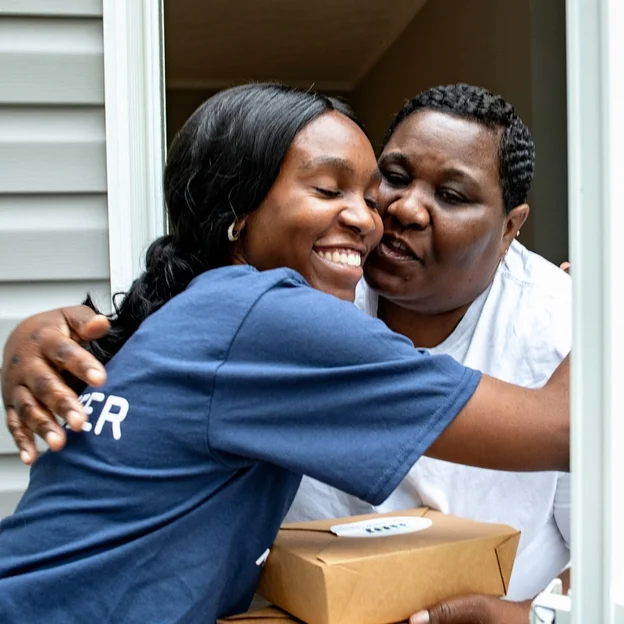
Eligibility is local, but the broad pattern in cited program materials is age 60 or older plus being homebound, mobility-limited, or otherwise unable to prepare meals. CareLink describes Meals on Wheels costs as often $5–$9 per meal or free to eligible seniors, with suggested donations or sliding-scale approaches depending on the program; Meals on Wheels America directs families to local providers rather than listing one national price.[6][7]
This tier is worth checking when the parent cannot safely shop, carry, cook, or reliably heat meals, or when isolation is part of the risk. Availability, waitlists, delivery days, meal types, and payment routes vary by region. Some programs may connect with Medicaid, Medicare Advantage supplemental benefits, grants, donations, or local aging services, but benefits are plan-, state-, and program-specific. Any benefits statement should be last-verified for the reader’s state and plan before it is treated as a promise.
Families sometimes skip this option because it sounds like a bigger step than ordering from a company. It may be the more dignified step if it removes the exact burden the parent can no longer manage. A local program that brings food fully to the door can be safer than a polished box that the parent cannot lift.
Where Restaurant Delivery Fits
Restaurant delivery can be useful for occasional meals, bad-weather gaps, caregiver travel days, or a parent who will eat better when something familiar arrives warm. It should not be mistaken for a full nutrition plan unless someone is also watching cost, sodium, texture, leftovers, and whether the person can get the meal from the door to the table.
Care.com has summarized restaurant-delivery fees at about $1.99–$7.99 plus tips, with subscription plans such as Grubhub+ and DashPass around $9.99–$10.99 per month that may waive fees on orders over roughly $12; because app fees change frequently, those figures should be date-stamped and rechecked before a family relies on them.[5]
Match The Tier To The Weakest Safe Step
The cleanest way to choose is to stop at the first unsafe step. If shopping and carrying are the only broken pieces, grocery delivery may be enough. If cooking remains safe and enjoyable, meal kits can be considered. If cooking is unsafe but heating is safe, prepared meals deserve a careful trial. If heating, carrying, or eating are no longer reliable, call local home-delivered meal programs and aging-services agencies.
| Current Ability | Likely Delivery Tier | Main Safety Check |
|---|---|---|
| Can cook safely, but cannot shop or carry | Grocery delivery | Heavy bags, doorstep placement, putting food away |
| Can cook safely and wants structure | Meal kits | Standing time, chopping, stove use, cleanup |
| Cannot cook safely, but can heat and handle trays | Prepared meals | Box weight, freezer space, packaging, hot-tray handling |
| Cannot reliably carry, cook, or heat meals | Home-delivered meal program | Eligibility, local availability, delivery schedule |
Phone ordering or caregiver-assisted ordering should be built in wherever needed. A parent who cannot manage an app may still be perfectly able to choose meals by phone. A parent who can use an app may still be unsafe carrying a box. Keep those two facts separate.
If food delivery is only one piece of a larger support plan, compare it with paid or unpaid help that can bring groceries in, put meals away, cook in the home, or check that food is being eaten. That broader decision sits closer to home help for the elderly than to a delivery menu.
Verification Notes Before You Rely On Pricing Or Benefits
The price ranges cited here come from public pages and senior-focused summaries available from 2024–2025 sources. Delivery fees, membership rules, meal prices, shipping thresholds, and senior discounts change often, so the numbers should be treated as planning ranges and rechecked close to the order date.
Medicare Advantage, Medicaid, SNAP, and local aging-program rules also vary by plan, state, county, and year. SNAP work-rule changes rolling out state by state from February 2026 make current local verification especially important. For Medicare Advantage meal benefits in particular, families should confirm the plan document and local provider network rather than assuming a national rule; Georgia readers may also want the site’s current discussion of Medicare Advantage cuts and Georgia seniors.
The first move is still practical: grade the parent’s current ability at shopping and carrying, cooking, heating, and eating. Choose the lowest-burden delivery tier that removes the broken step without creating a new one. Set up phone or caregiver-assisted ordering if the app is the barrier. Then reassess as soon as carrying, heating, cooking, or chewing becomes harder.
References
- A Guide to Grocery Delivery Apps for Seniors, Inclinator
- Food Delivery for Seniors, SeniorLiving.org
- Food & Meal Delivery Options for Seniors, ElderLife Financial
- Groceries for Seniors, GoGoGrandparent
- Meals and Food Delivery for Seniors, Care.com
- Eligibility for Meals on Wheels: Do You Qualify?, CareLink
- Find Meals and Services, Meals on Wheels America
Questions to bring to a clinician or OT
This is not medical, legal, or a family's final decision — only a framework. Bring these questions to a clinician, occupational therapist, or your local Area Agency on Aging.
Find Local HelpRelated reading
Noticed something outdated or inaccurate on this page? Flag a correction. We review every report against CDC, NIA, and AARP HomeFit guidance before updating a page.