
Flagship section
Fall Prevention
The flagship section, built directly on the CDC STEADI screen-assess-intervene model. Contains the fall risk screening quiz, the post-fall decision tree for active crisis situations (conscious/responsive checks, when to call 911 vs. urgent care, what to watch for in the following 72 hours), risk-factor explainers (medication side effects, vision, balance), and numbered warning-sign guides. This is the only group that owns crisis-path content; modification and mobility groups link back here rather than duplicating triage guidance.
Plan ahead
other
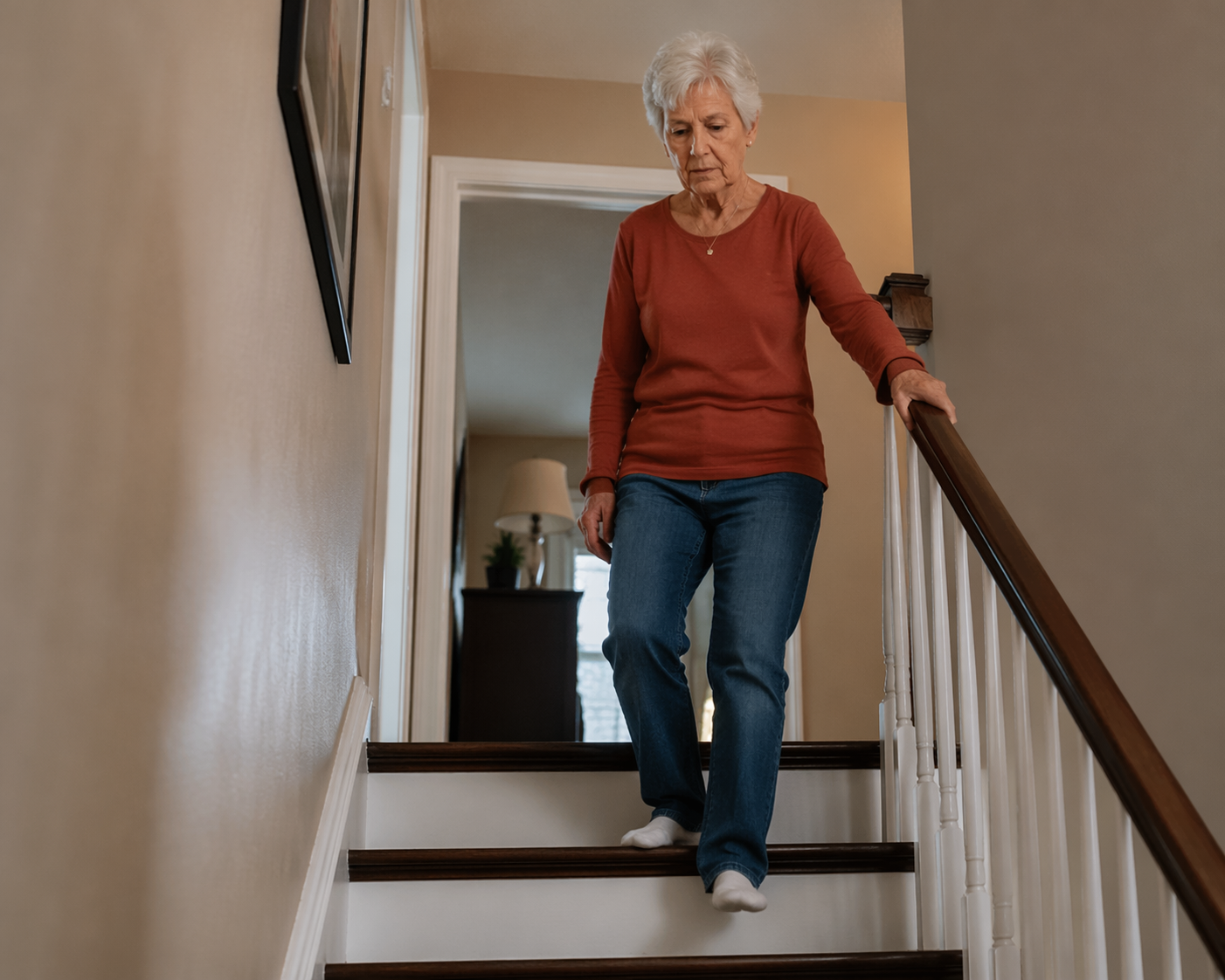 —
—How Fear of Falling Creates a Dangerous Cycle in Older Adults
Falls can trigger a cycle of fear and reduced activity that actually makes another fall more likely. This article helps family caregivers recognize the signs of maladaptive fear of falling and learn evidence-based strategies to interrupt the cycle before it leads to functional decline.
 —
—Your Parent's First Fall: A 72-Hour Prevention Plan
A structured, time-sequenced guide for the 72 hours after an older adult's first fall — covering medical assessment, medication and sensory review, home hazard checks, and exercise planning to reduce the risk of another fall.
 —
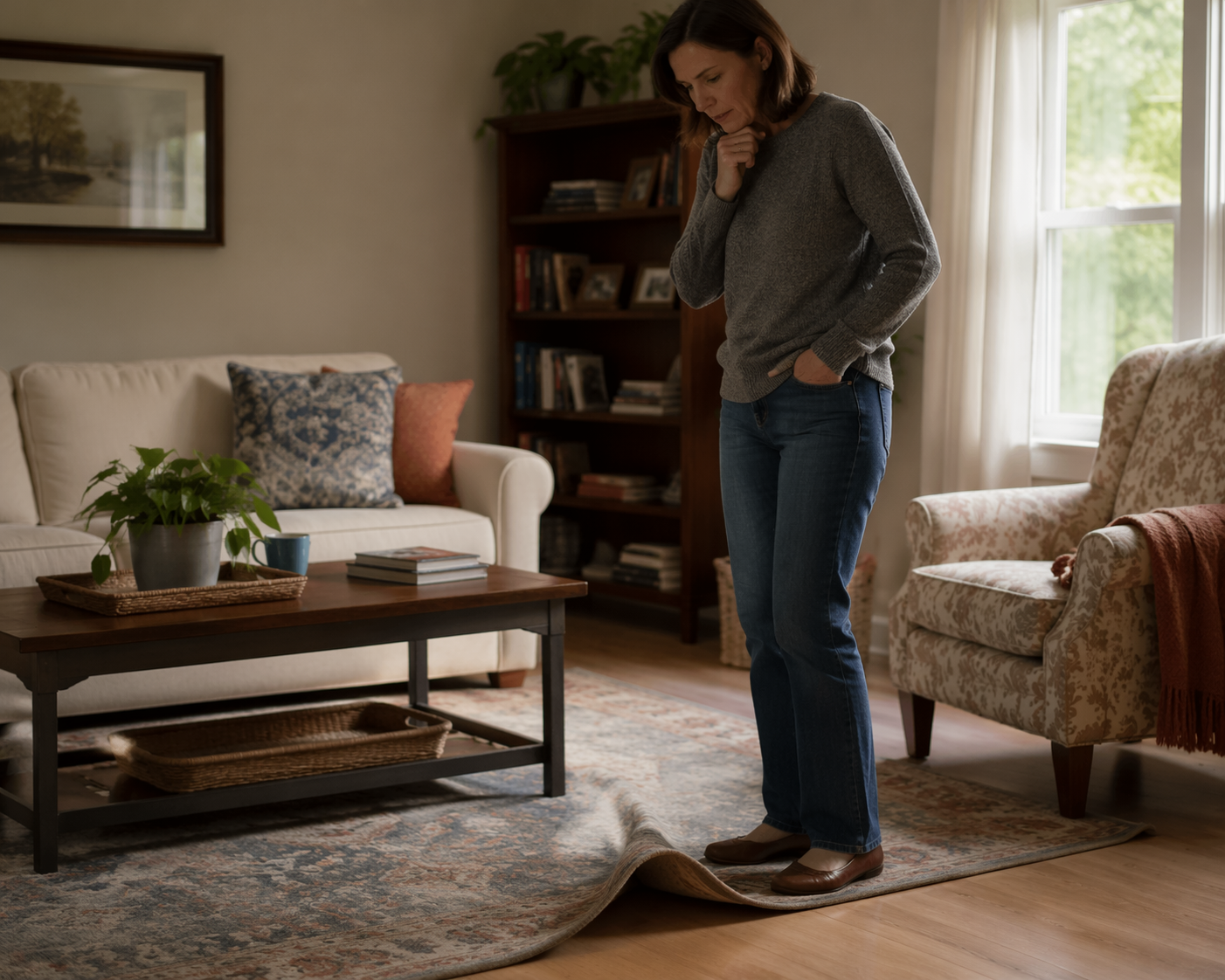
—Hidden Home Safety Hazards That Standard Checklists Overlook
This article reveals five hidden home safety hazards—pet-related falls, clothing fires, surface transitions, portable bed rail entrapment, and carbon monoxide—that standard checklists overlook, and explains how family caregivers can identify and fix them after completing basic safety measures.
 —
—The Home Safety Gap: Why Families Delay Action and How to Start
Most older adults want to age at home, yet only about 10% of U.S. homes have basic safety features. This article explains why families struggle to move from worry to action and offers a tiered, start-anywhere framework to close the gap.
 —
—A Caregiver's Guide to Medication Review for Fall Prevention
Many medications commonly taken by older adults can increase fall risk, yet caregivers often don't know how to initiate a review. This guide provides a step-by-step process based on the HomeMeds framework to help you identify high-risk drugs and work with healthcare providers to reduce fall risk.
 —
—5 Modifiable Risk Factors That Explain Why Your Parent Keeps Falling
If your parent is still falling after you've removed rugs and installed grab bars, the cause may lie in medications, muscle weakness, vision loss, or chronic conditions. This guide explains the five modifiable risk factors behind most falls and gives you a checklist to discuss with your parent's doctor.
 —
—Your Parent Just Fell: A Caregiver's Guide to the First 72 Hours
A structured protocol for the first three days after a parent's fall—covering immediate response, medical follow-up, medication review, and home hazard assessment—helping caregivers reduce repeat fall risk and identify hidden health and environmental threats.
 —
—ProMedica Arden Courts Quality Ratings by Location: What Families Need to Know Before Choosing a Memory Care Community
This guide helps family caregivers evaluate individual Arden Courts memory care communities by providing location-specific consumer ratings, state inspection data, staffing ratios, and actionable tour questions — because quality varies significantly from one facility to another.
 —
—Is ProMedica Senior Care Stable? A Guide to Their Financial Turnaround and What It Means for Families Considering Arden Courts Memory Care
This guide helps adult children and family caregivers understand ProMedica Senior Care's dramatic restructuring from 2022 to 2025, its current focus on Arden Courts memory care communities, and what the company's financial recovery and ongoing DOJ lawsuit mean for families evaluating placement options.
 —
—Senior Care Options in 2026: A Decision Framework for Family Caregivers
A stage-based framework to help family caregivers match senior care options to actual needs, with 2026 cost data and payment guidance, so they can plan before a crisis forces a rushed choice.
 —
—How to Advocate for a Fall Risk Assessment at Your Parent's Next Doctor Visit
Many older adults who fall never tell their doctor, and most physicians only screen if the patient brings it up. This guide shows family caregivers how to use the CDC STEADI framework to ensure their parent receives a proper fall risk assessment and a documented Fall Plan of Care during a Medicare wellness visit.
 —
—Why Older Adults Avoid Fall Prevention Programs — and How to Help Them Say Yes
Many older adults skip fall prevention programs due to pride, fear, or practical barriers. This article helps caregivers understand the real reasons behind the refusal and provides evidence-based strategies to encourage participation.