
Flagship section
Fall Prevention
The flagship section, built directly on the CDC STEADI screen-assess-intervene model. Contains the fall risk screening quiz, the post-fall decision tree for active crisis situations (conscious/responsive checks, when to call 911 vs. urgent care, what to watch for in the following 72 hours), risk-factor explainers (medication side effects, vision, balance), and numbered warning-sign guides. This is the only group that owns crisis-path content; modification and mobility groups link back here rather than duplicating triage guidance.
Plan ahead
other
 —
—Wildlife Safety Tips for Seniors That Double as Fall Prevention
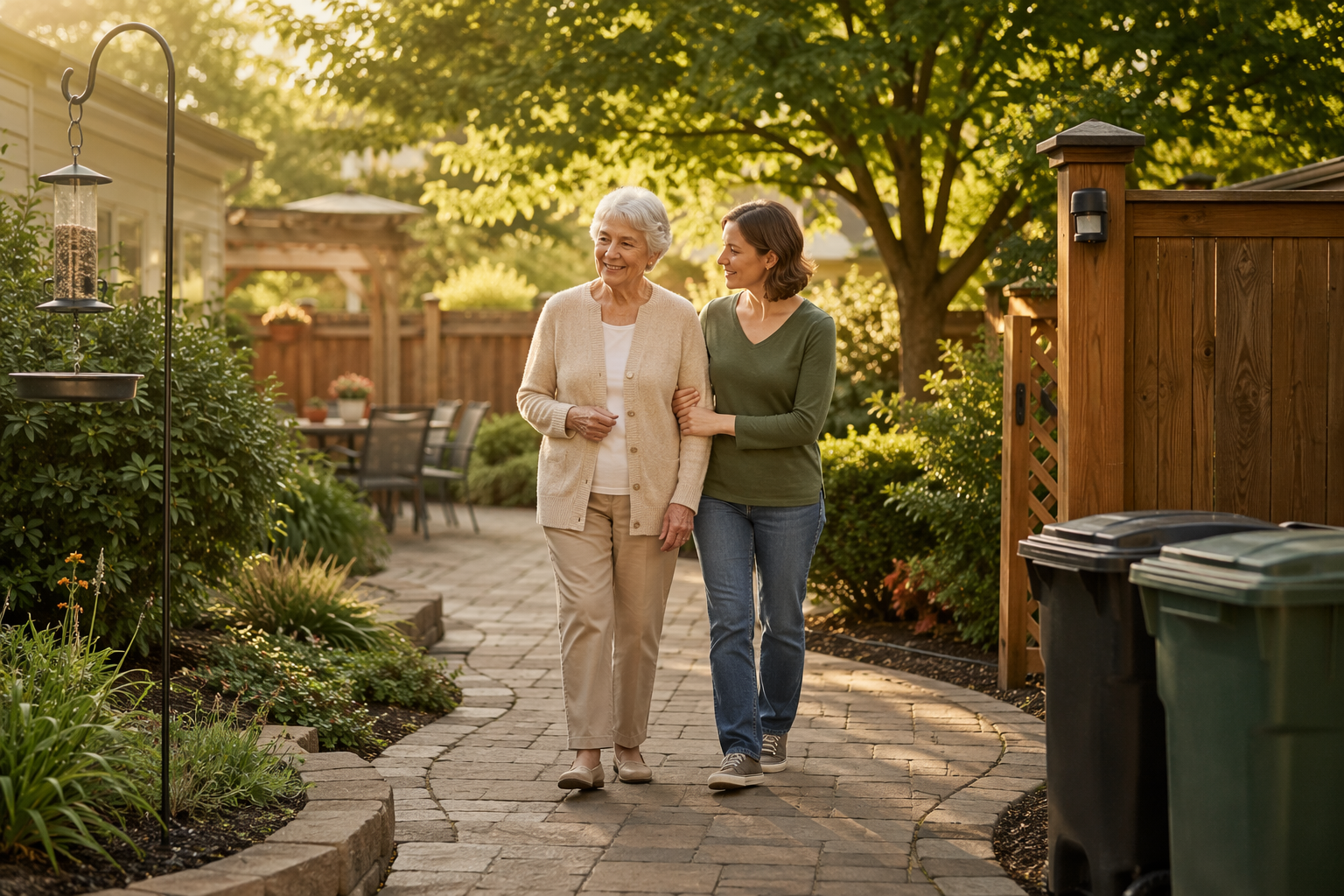
This checklist shows how the same yard changes that keep wild animals away also remove common fall hazards, helping seniors stay independent outdoors without a long, separate to-do list.
 —
—11 Signs It's Time for Assisted Living: An Evidence-Based Guide for Families
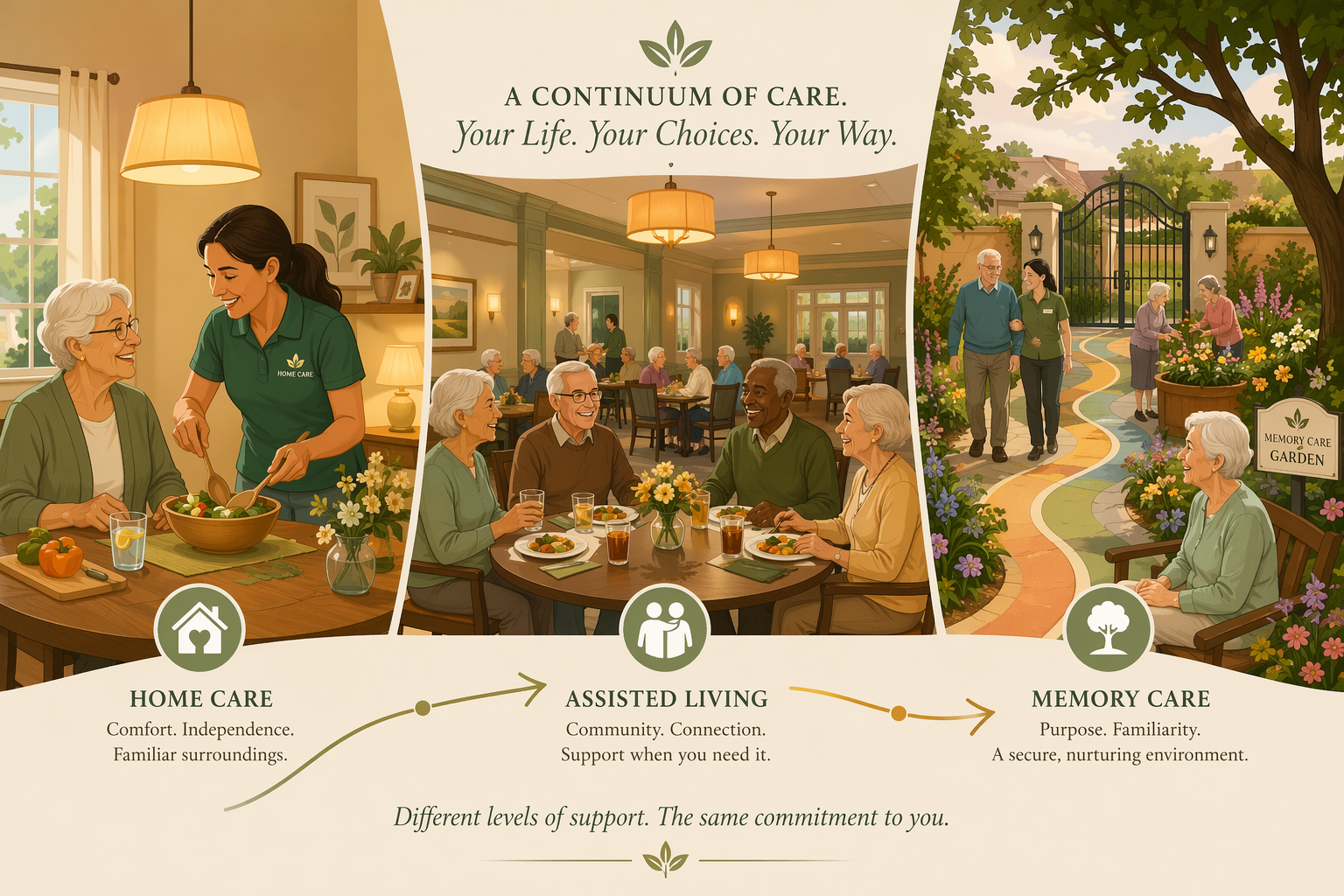
Wondering if your parent needs more help than family caregiving can provide? This guide presents 11 concrete, evidence-based signs — from medication errors to caregiver burnout — to help you recognize when assisted living is the right next step.
 —
—24/7 Home Care vs. Live-In Care vs. Memory Care: How to Choose the Right Level of Round-the-Clock Support
Many families confuse 24/7 home care, live-in care, and memory care — but each has a different cost, staffing structure, and level of overnight supervision. This guide breaks down the differences and provides a decision framework based on your loved one’s nighttime needs, fall risk, and budget.
 —
—After a Fall: A Step-by-Step Guide to Activating Senior Health Services for Recovery and Prevention
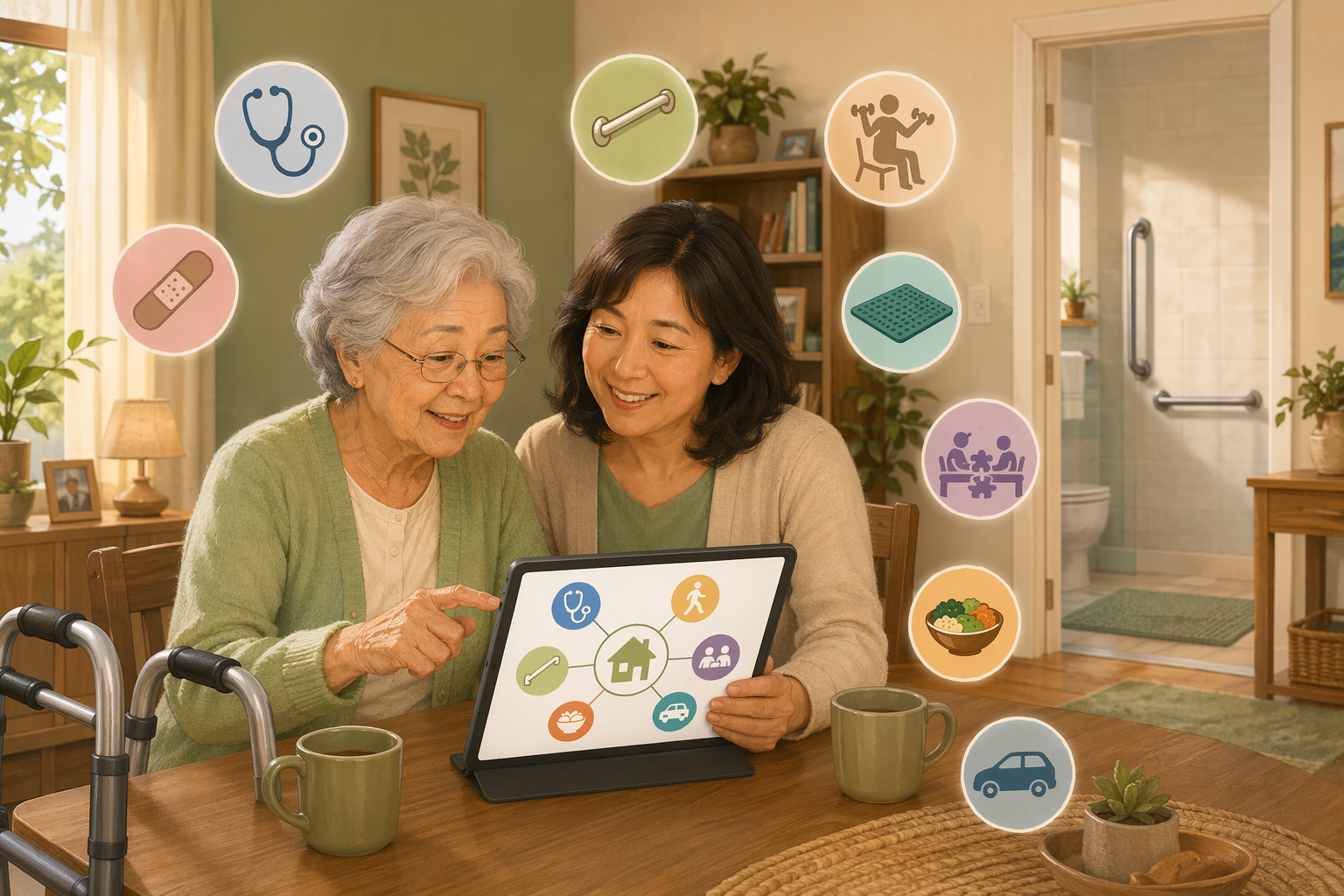
This guide helps crisis-mode family caregivers navigate the first 90 days after an older adult's fall, from hospital discharge to home health care, fall risk assessment, medication review, and long-term service setup — reducing re-injury risk and caregiver overwhelm.
 —
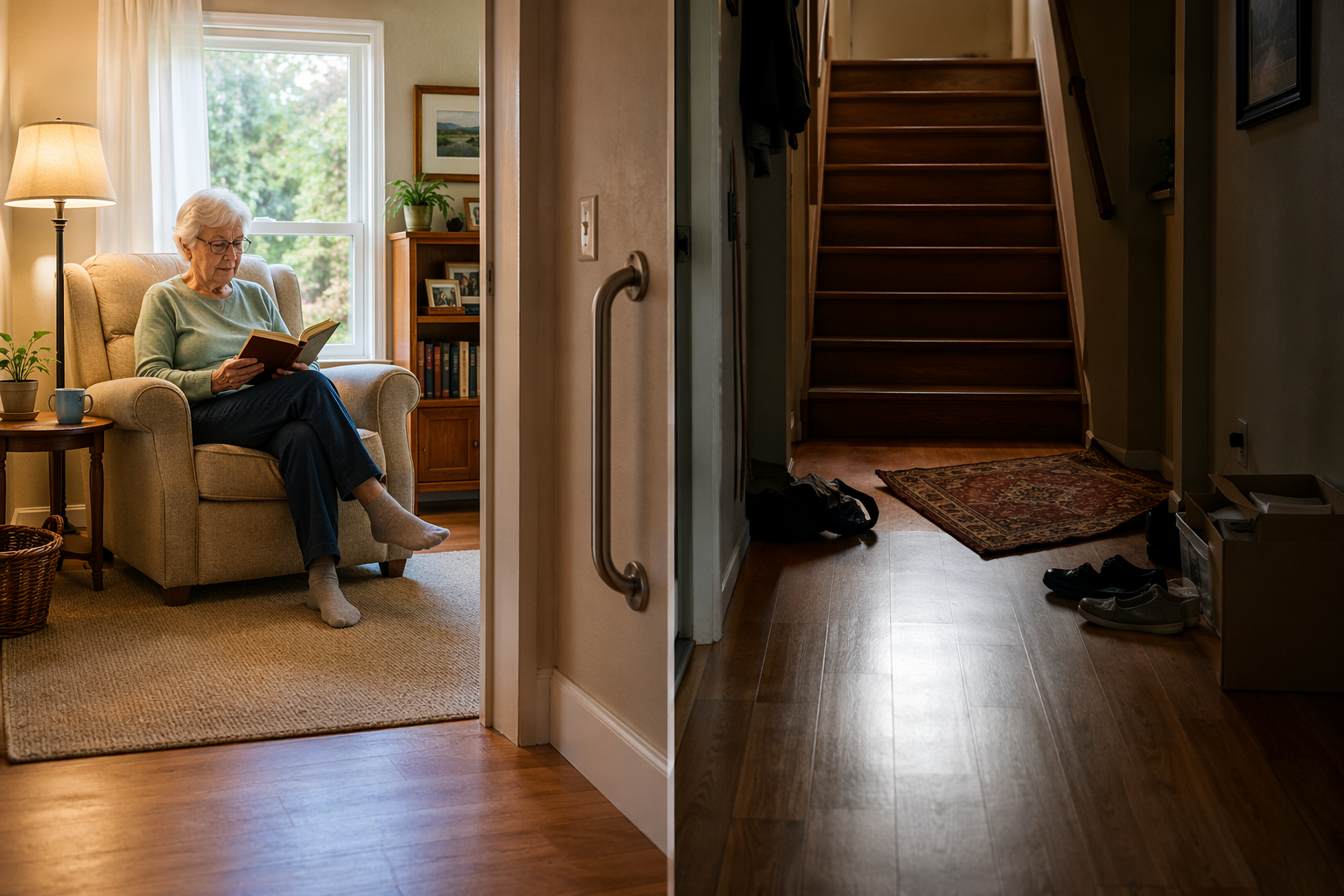
—Aging in Place Alone: A Safety and Connection Guide for Older Adults Living Solo at Home
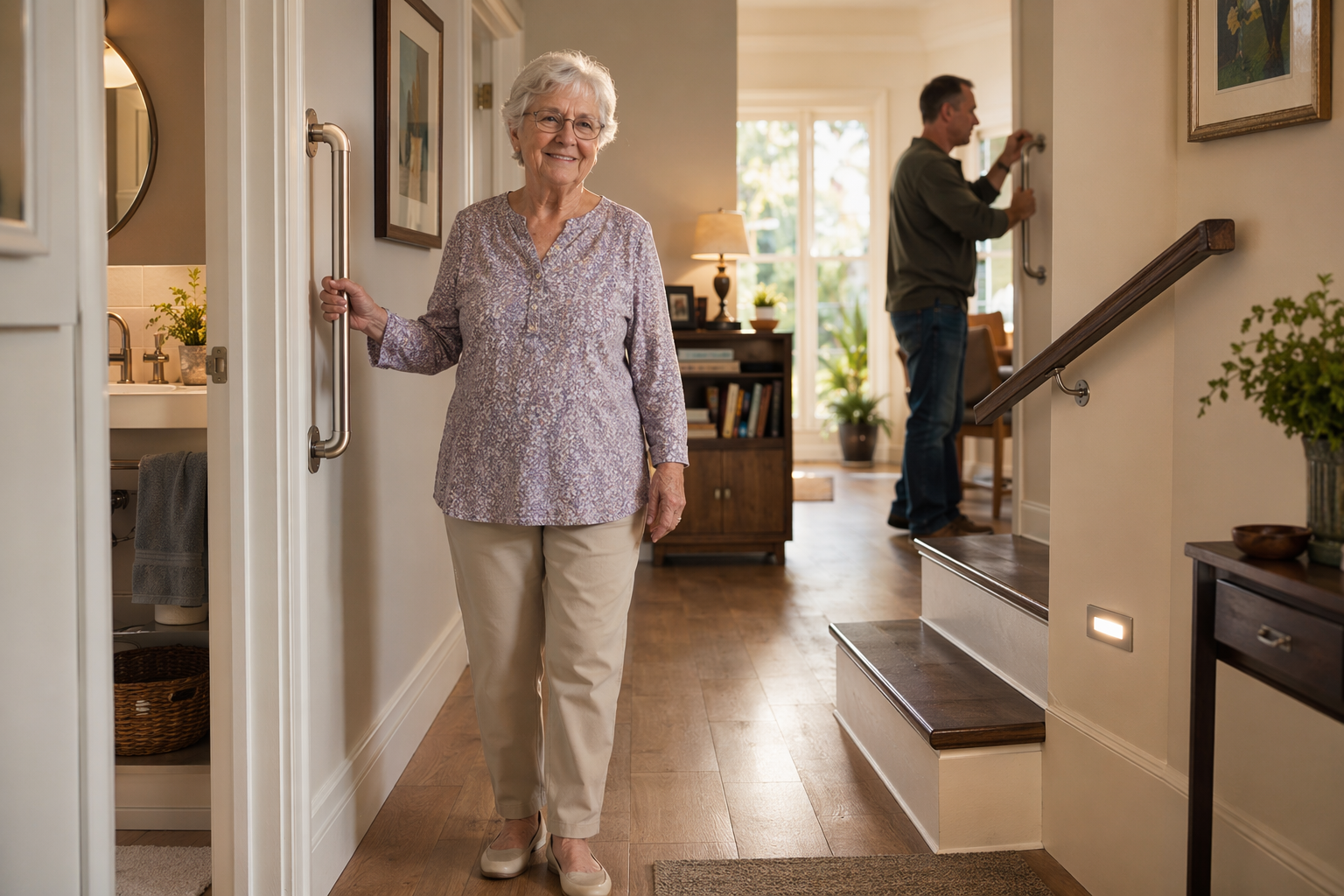
This guide addresses the unique safety and connection needs of older adults living alone. It covers fall detection strategies, home modifications for single-person households, technology tools, daily check-in routines, and emergency planning to help solo agers maintain independence safely.
 —
—The Aging-in-Place Preparedness Gap: Why 9 in 10 Homes Aren't Ready and What Family Caregivers Can Do
Nearly every older adult wants to age in place, but most homes, finances, and support systems are not ready. This guide helps adult children assess the four pillars of readiness and take concrete steps before a crisis forces the decision.
 —
—Aging in Place Services: The Complete Guide to Home Support Options
A practical catalog of the full ecosystem of aging-in-place services — home health, personal care, meal delivery, transportation, adult day programs, home modifications, emergency response, care management, and PACE — with cost ranges, funding eligibility, and a clear first step to begin accessing support.
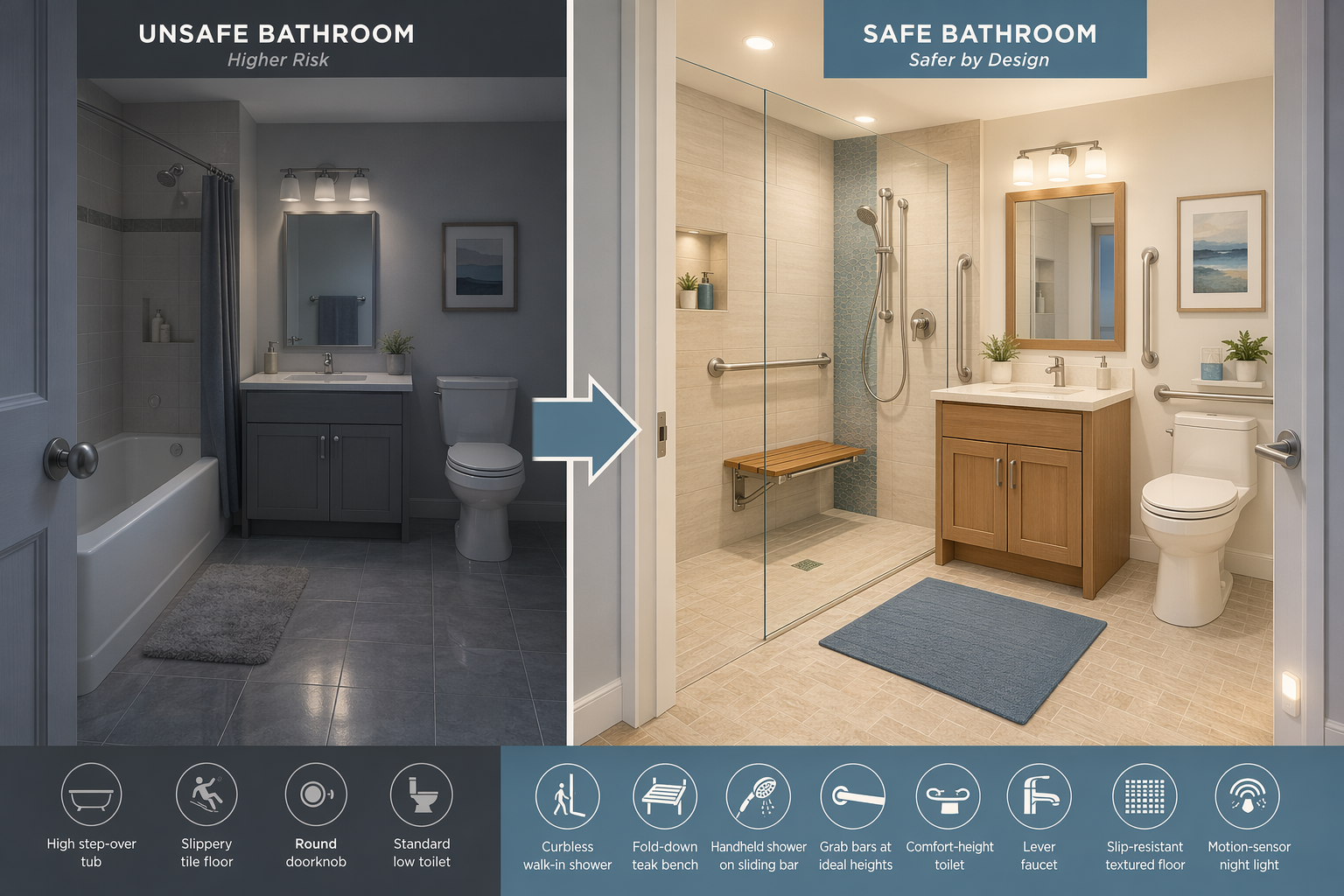 —
—Bathroom Remodel for Elderly Safety: Why 40% of Repeat Fallers Have No Modifications and How to Close the Gap
A peer-reviewed study reveals that 40% of older adults who have fallen repeatedly have no bathroom safety modifications, with stark racial disparities. This article examines the evidence gap and provides actionable steps for families and healthcare professionals.
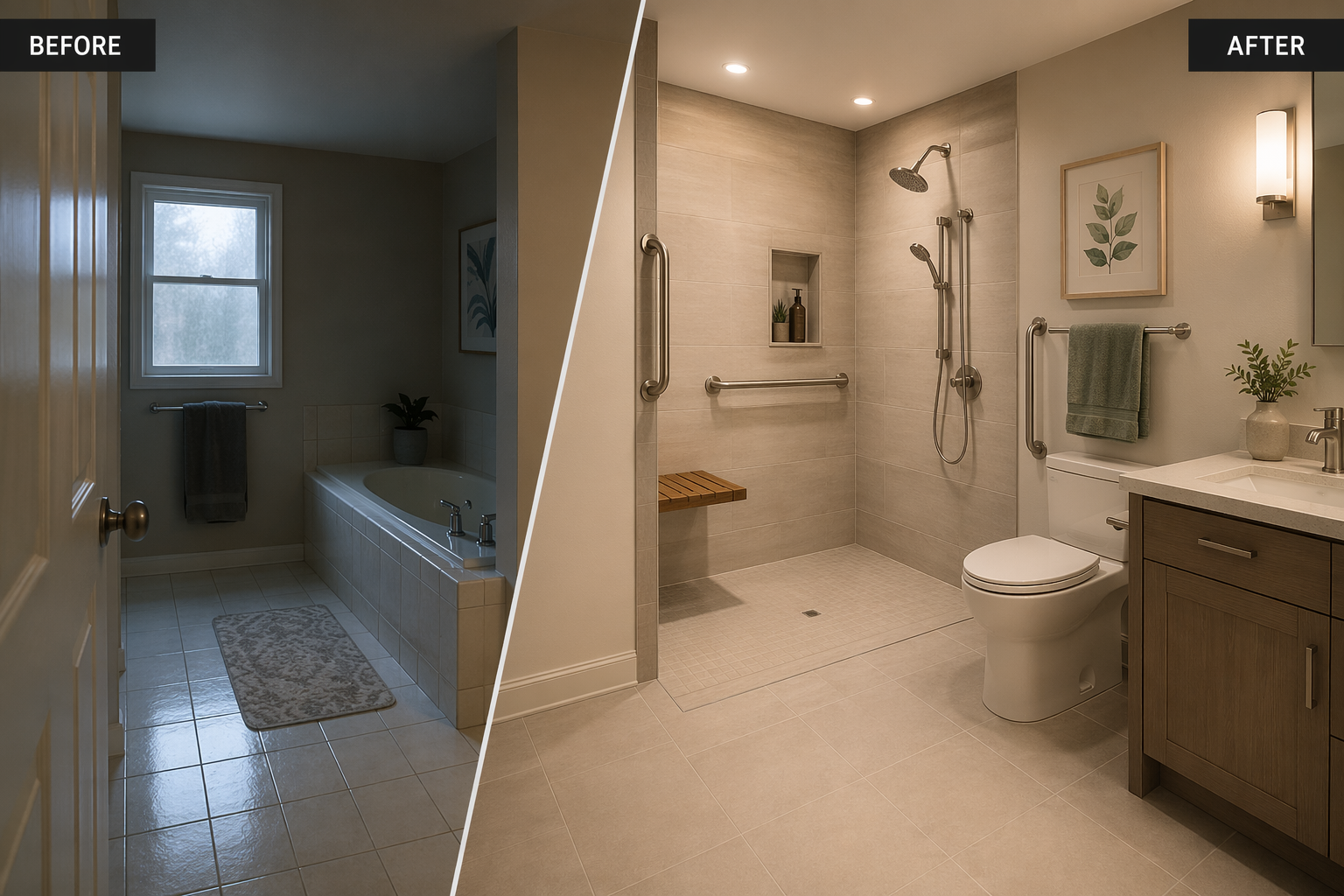 —
—Bathroom Remodel for Elderly: A Phased Safety Upgrade Guide (What to Do Now, Next, and Later)
Learn how to make your parent's bathroom safer without breaking the bank. This guide breaks down a three-phase approach — immediate fixes under $500, key upgrades under $3,000, and full renovation — so you can address the highest fall risks first while planning for the future.
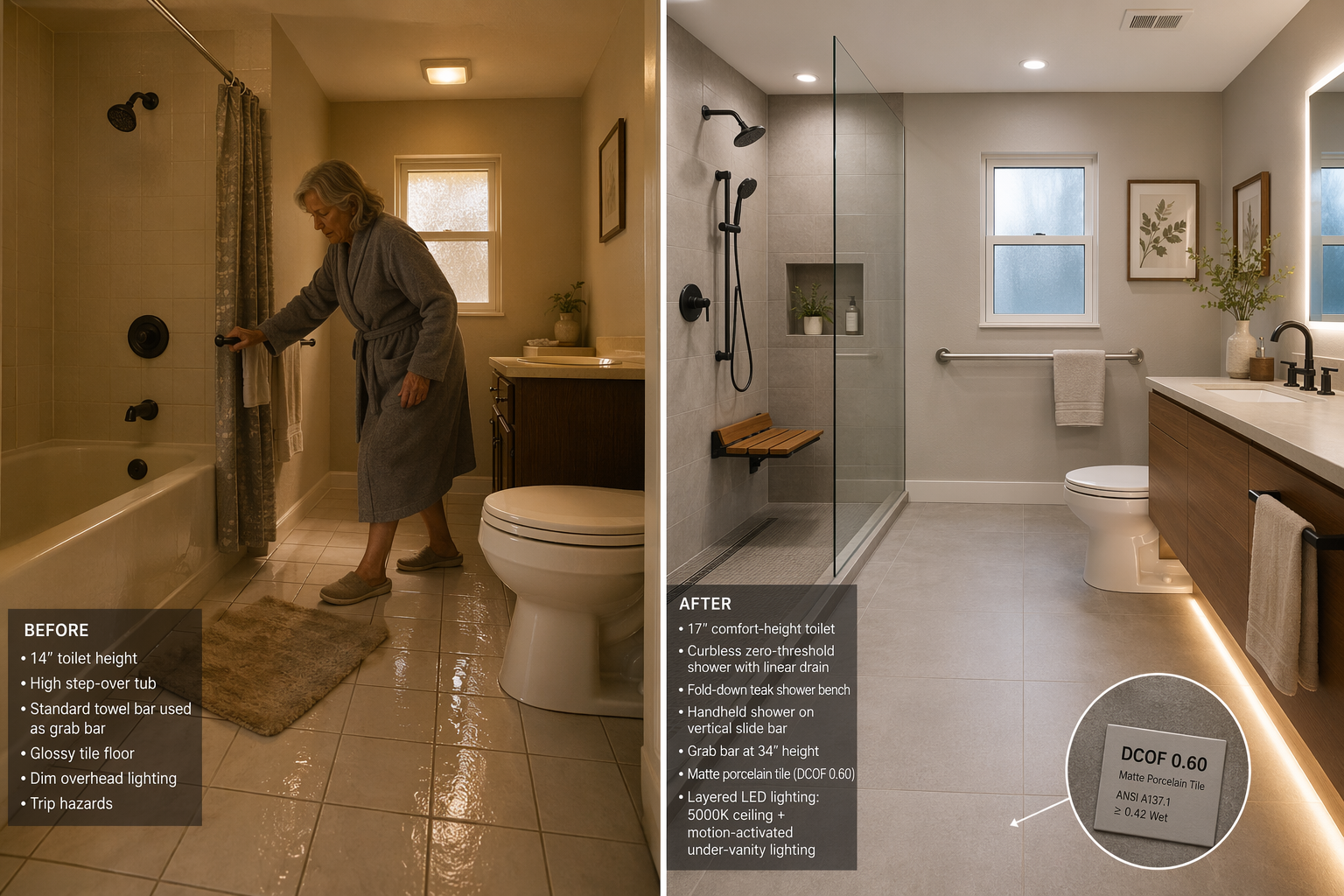 —
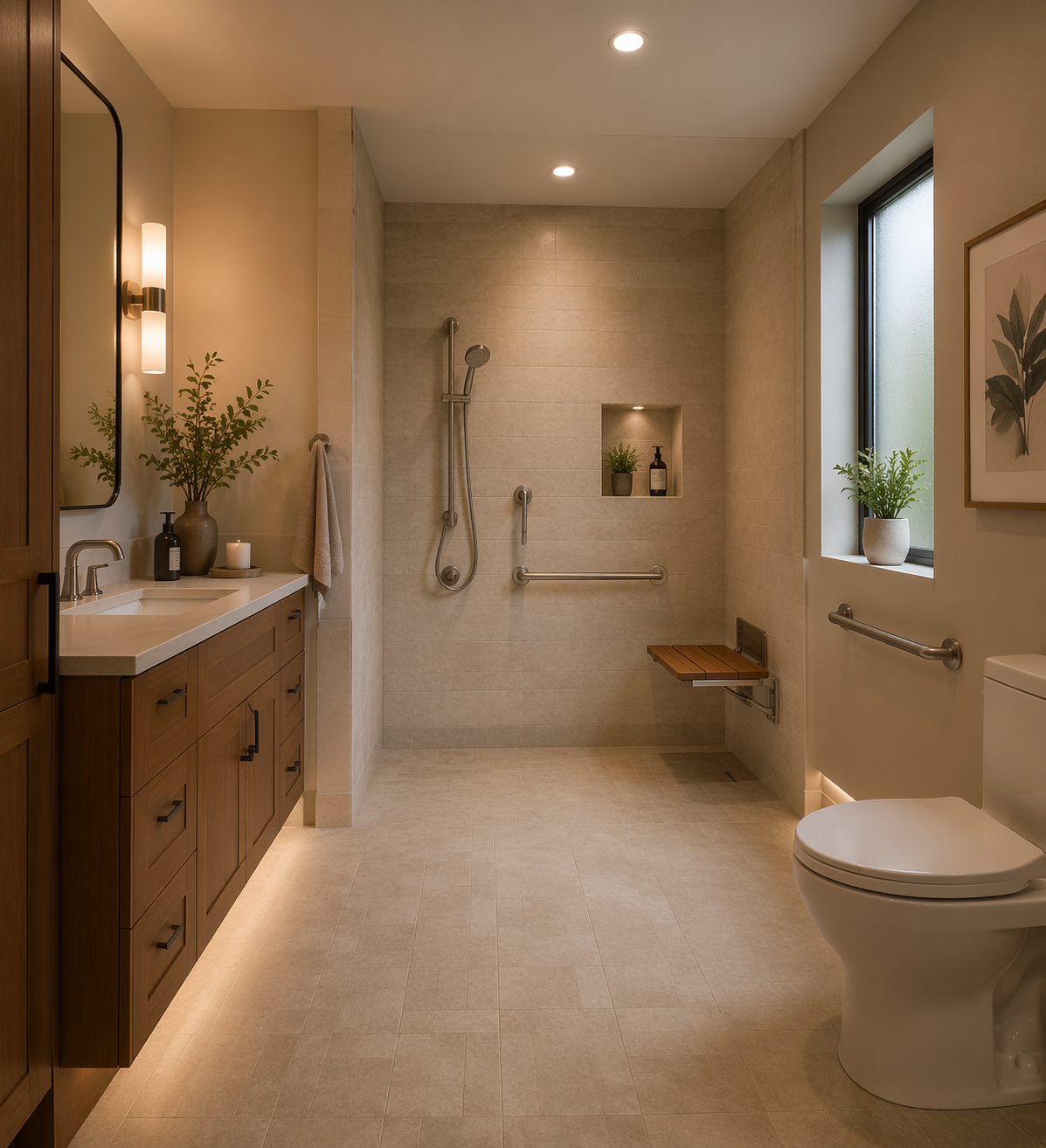
—The Contractor's Guide to a Bathroom Remodel That Actually Prevents Falls
Most bathroom remodels for elderly safety fail because they focus on surface features instead of structural foundations. This guide provides the contractor-level knowledge adult children need to ensure a remodel truly prevents falls, covering wall blocking, DCOF-rated flooring, curbless showers, and proper lighting.
 —
—Curbless Shower vs. Walk-In Tub vs. Tub-to-Shower Conversion: Which Bathroom Upgrade Is Right for Your Aging Parent?
A head-to-head comparison of the three most common bathroom upgrade options for aging in place, with a decision framework based on mobility level, bathroom size, and budget — plus a clear recommendation for most families.
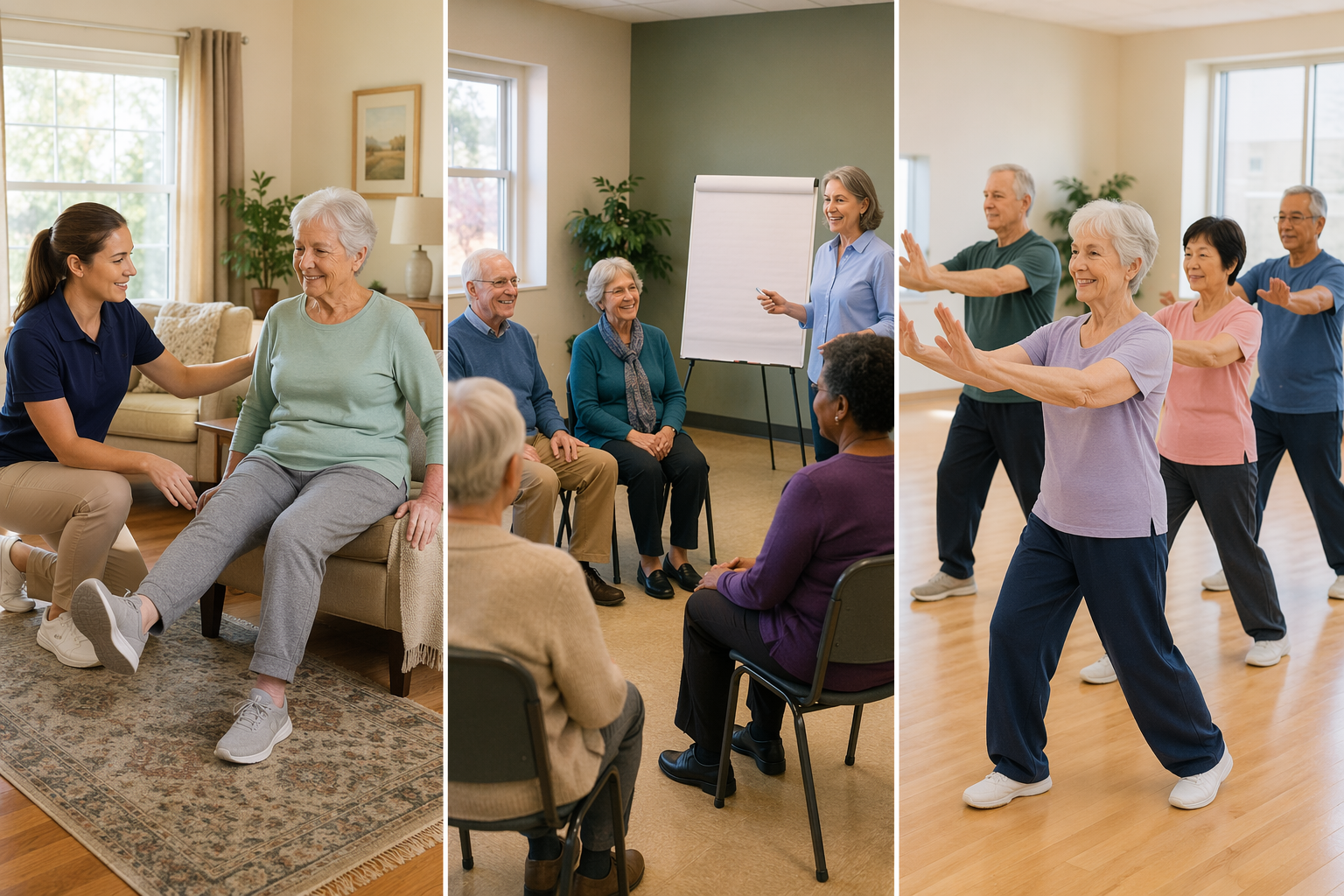 —
—Evidence-Based Fall Prevention Programs: A Caregiver's Guide to Choosing Senior Health Services That Actually Work
Many family caregivers rely on generic fall-prevention tips and checklists, but structured evidence-based programs like Otago, CAPABLE, and Stepping On reduce falls by over 50% and save thousands per participant. This guide profiles and compares the leading programs to help you choose the right one for your parent's situation and navigate access through Medicare, AAAs, and community organizations.